Introduction
When planning a commercial play space, one question comes up again and again: what is the real indoor playground cost per square meter?
For investors, distributors, and Family Entertainment Center (FEC) operators, this metric is critical. It determines your total investment, affects your return on investment (ROI), and influences how you scale your business.
The challenge is that many suppliers provide unclear or inconsistent pricing. Without a transparent breakdown, it becomes difficult to compare options or plan effectively.
In this guide, we will clearly explain indoor playground pricing, break down cost factors, and provide realistic estimates based on different project sizes. If you're still exploring equipment options, you can also check our Indoor Playground Solutions page for reference.
Definition and Practical Use
The indoor playground cost per square meter refers to the total investment divided by the total project area. This pricing model is widely used in commercial playground projects because it simplifies budgeting.
Instead of focusing only on total cost, buyers can evaluate how efficiently their space is being used. This is especially useful when comparing different suppliers or design proposals.
For example:
| Project Size | Total Cost | Cost per m² |
|---|---|---|
| 500 m² | $100,000 | $200/m² |
This approach gives you a clearer picture of your investment efficiency and helps estimate future revenue potential.
Typical Price Range in the Market
Based on industry data and real projects, the average indoor playground cost per square meter falls within these ranges:
| Playground Type | Cost per m² |
|---|---|
| Basic Soft Play | $100 – $200 |
| Standard Commercial | $150 – $300 |
| Customized Theme Park | $300 – $600+ |
Keep in mind that pricing depends on equipment selection, layout design, and safety standards. A higher price does not always mean better performance—it depends on how well the design attracts customers.
 Key Factors That Affect Indoor Playground Pricing
Project Size and Space Efficiency
Project size plays a major role in determining cost efficiency. Larger indoor playground projects usually have a lower cost per square meter due to shared resources like design, logistics, and installation.
For example, a small play area may have higher unit costs, while a large FEC project benefits from economies of scale. This is why many commercial investors prefer medium to large setups.
Playground Design and Theme
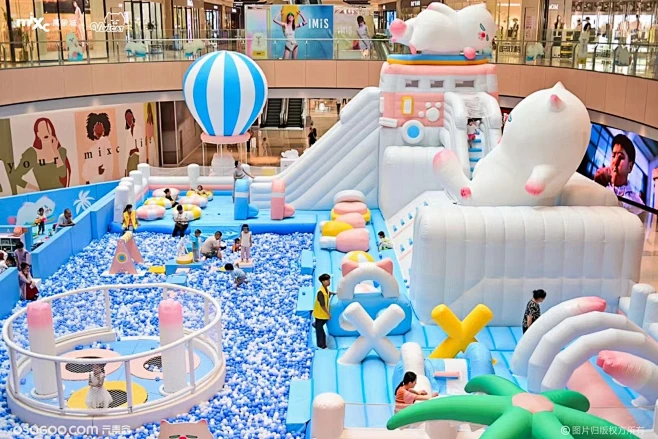
Design complexity significantly impacts pricing. A simple modular indoor playground is more affordable, while a customized themed environment requires more materials and labor.
Common design types include:
-
Standard soft play layout
-
Branded color customization
-
Fully themed environments (jungle, ocean, castle)
Themed playgrounds enhance user experience and branding, making them ideal for high-traffic commercial locations.
Equipment Selection and Play Value
The type of equipment you choose directly affects both cost and customer engagement.
Basic equipment includes:
-
Slides
-
Ball pits
-
Climbing structures
Advanced features may include:
-
Trampoline zones
-
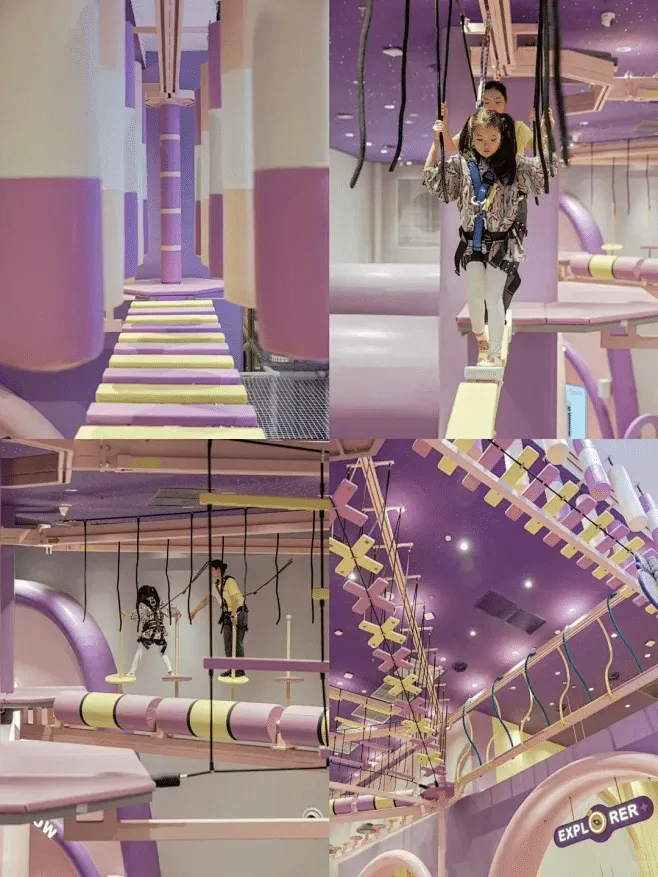
Ninja courses
-
Interactive digital games
If you're planning to include multiple attractions, you can explore our Trampoline Park Equipment page for additional ideas.
The key is to balance cost with entertainment value to maximize repeat visits.
Materials and Safety Standards
High-quality materials are essential for durability and compliance. Commercial indoor playground equipment typically follows international standards such as:
-
ASTM (American safety standard)
-
EN1176 (European playground standard)
Using certified materials like galvanized steel and non-toxic padding ensures long-term safety and reduces maintenance costs.
Shipping and Installation Costs
For international buyers, logistics can be a significant portion of the budget. Costs may include:
-
Sea freight (container shipping)
-
Import duties
-
Installation services
Working with an experienced supplier helps streamline the process and avoid delays.
Additional Entertainment Zones
Modern indoor playgrounds are often multi-functional spaces. Adding extra zones can increase both cost and revenue potential.
Popular additions include:
-
Toddler play areas
-
Arcade game sections
-
Party rooms
-
Café or rest areas
 Indoor Playground Cost Estimates by Project Size
Understanding how costs scale with size is essential for planning your investment.
Small Indoor Playground (100 m²)
| Item | Estimate |
|---|---|
| Total Cost | $10,000 – $25,000 |
| Cost per m² | $100 – $250 |
This type of indoor playground is ideal for small businesses or daycare centers. The design is usually simple, focusing on core play features.
Medium Indoor Playground (500 m²)
| Item | Estimate |
|---|---|
| Total Cost | $50,000 – $150,000 |
| Cost per m² | $100 – $300 |
This is the most common format for Family Entertainment Centers. It allows for a mix of attractions while maintaining a manageable budget.
Large Indoor Playground (1000 m² and Above)
| Item | Estimate |
|---|---|
| Total Cost | $100,000 – $300,000+ |
| Cost per m² | $90 – $250 |
Large indoor playground projects are designed for high-capacity venues. They offer better cost efficiency and stronger revenue potential.
Turnkey Indoor Playground Projects
A turnkey solution includes everything from design to installation.
| Item | Estimate |
|---|---|
| Total Cost | $150,000 – $500,000+ |
This option is ideal for buyers who want a complete, hassle-free setup with professional guidance.
How to Optimize Your Indoor Playground Investment
Work Directly with Maufacturers
Choosing a factory-direct supplier reduces costs and improves customization. It also ensures better communication and after-sales support.
Maximize Space Utilization
A well-planned layout increases play value per square meter. Efficient design helps you generate more revenue from the same space.
Use a Phased Investment Strategy
Starting with a smaller indoor playground and expanding later is a smart approach for new investors. It minimizes risk while allowing flexibility.
Focus on High-Performance Attractions
Choose equipment that attracts a wide age range and encourages repeat visits. This improves long-term profitability.
Hidden Costs to Consider
Many buyers focus only on equipment pricing, but additional costs can impact your budget.
| Cost Type | Description |
|---|---|
| Rent | Ongoing operational cost |
| Renovation | Interior setup and flooring |
| Shipping | Logistics and duties |
| Installation | Labor and setup |
| Maintenance | Repairs and spare parts |
| Marketing | Promotion and branding |
Understanding these costs helps you plan more accurately and avoid surprises.
 Conclusion
The indoor playground cost per square meter typically ranges from $100 to $300+, depending on size, design, and equipment selection. Larger projects benefit from lower unit costs, while customized designs require higher investment.
By understanding pricing factors and planning strategically, you can build a profitable indoor playground that meets both budget and business goals.
The key is not just minimizing cost—but maximizing value and customer experience.
Get Your Custom Indoor Playground Quote
Looking to start your indoor playground project?
We offer free customized solutions tailored to your space and budget.
- Professional 2D & 3D design
- Accurate cost per square meter calculation
- Equipment recommendations for higher ROI
- One-stop project support
Contact us today to receive your personalized quotation and layout plan within 24 hours.
General Disclaimer
All data on https://www.eparki.com is for general guidance only. As a leading indoor playground manufacturer and trampoline supplier, EPARK strives for accuracy but gives no express or implied warranty regarding completeness, performance or project fitness. Product specs, designs and results may vary with use and customer requirements. Buyers must verify technical details, compliance and suitability before purchase. EPARK OEM/ODM is not liable for any direct, indirect or consequential damages arising from site use. For custom solutions, contact our manufacturer and supplier team via the Contact page.
Intellectual Property
Text, images, videos, CAD files and software are Guangzhou EPARK Electronic Technology Co., Ltd. All rights reserved. No part may be copied, republished or used commercially without prior written permission. We will pursue legal action for copyright or design-patent infringement.
Trademarks
"EPARK", the EPARK logo and related graphics are registered trademarks of Guangzhou EPARK Electronic Technology Co., Ltd. Unauthorized use in ads, domain names or packaging is prohibited.
Governing Law
These terms are governed by the laws of the People's Republic of China.
Contact
Questions? Email sales@nanyuetech.com or WhatsApp +86 139 0307 9263.