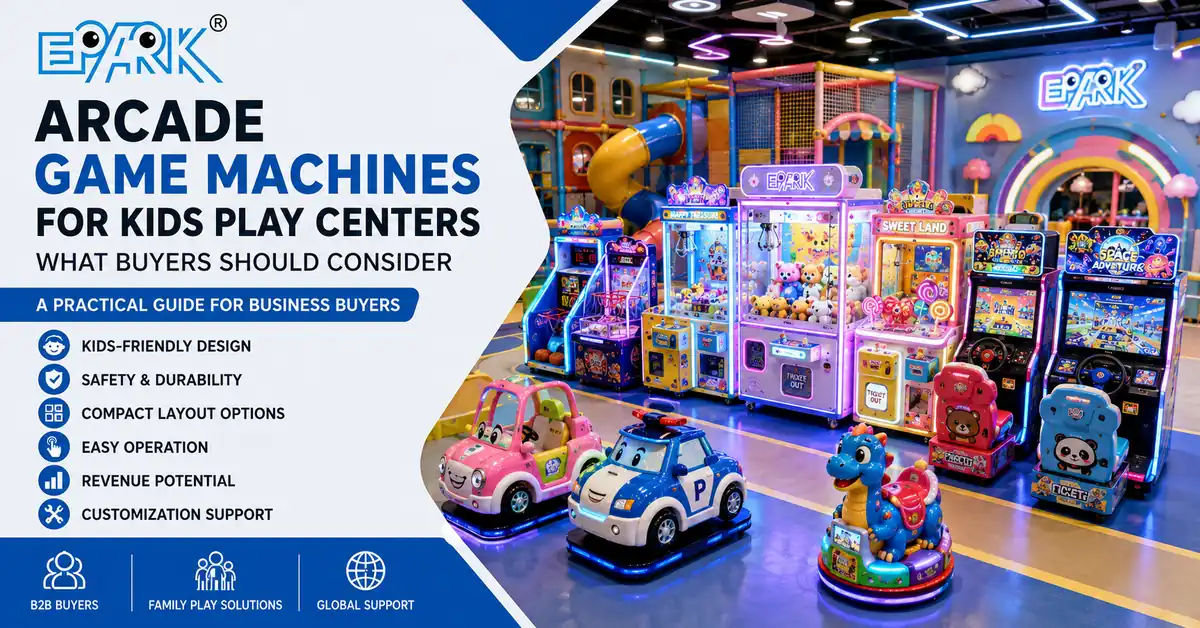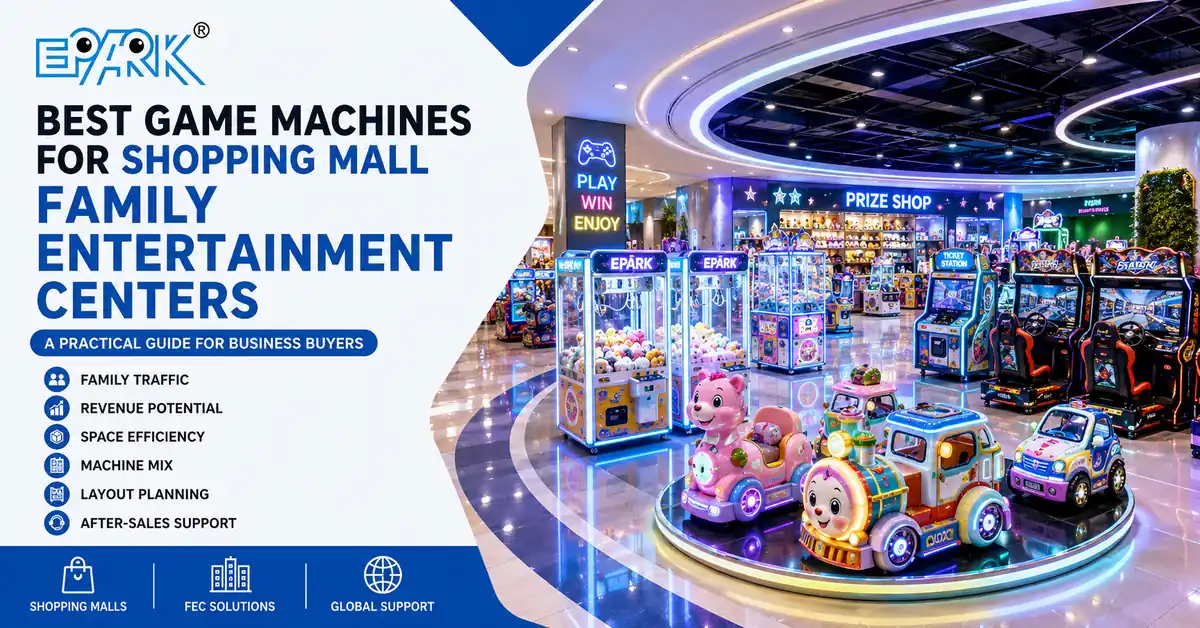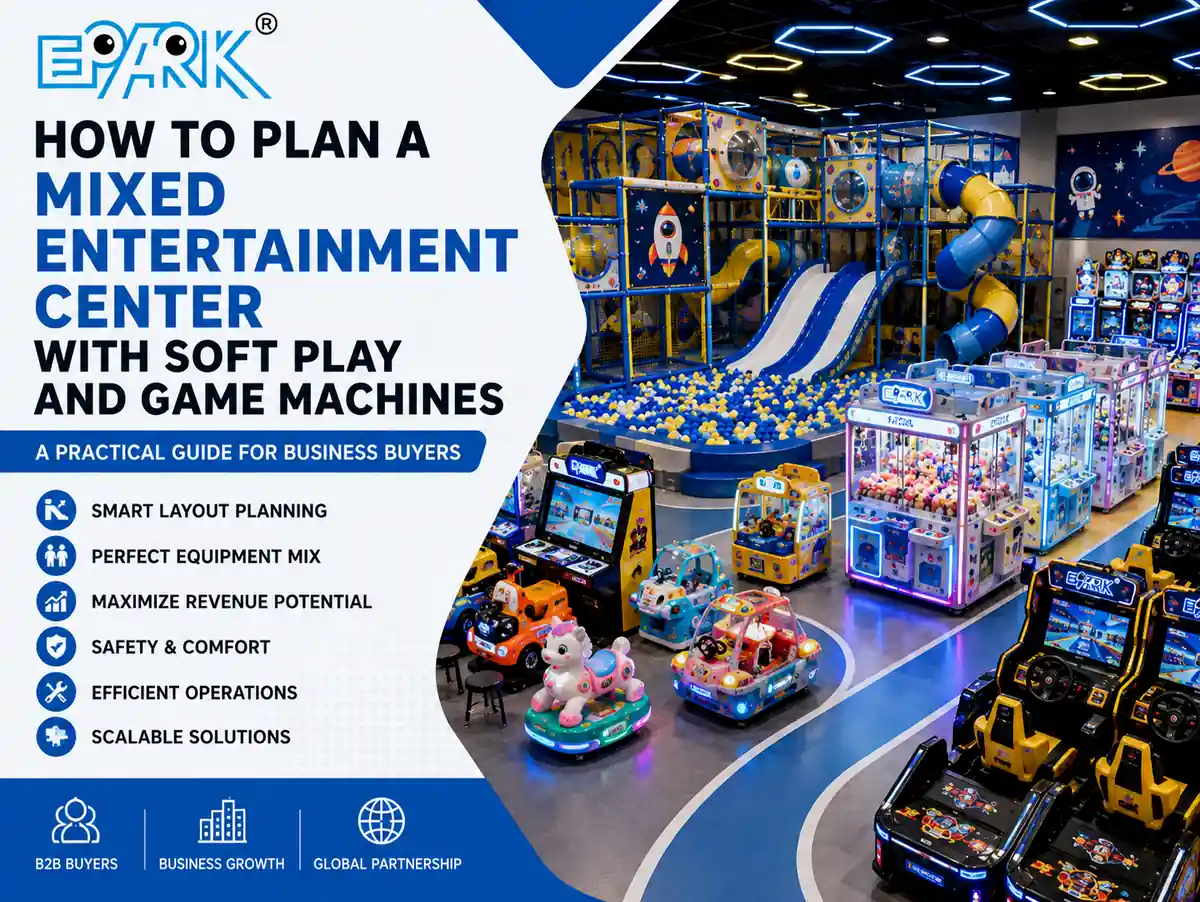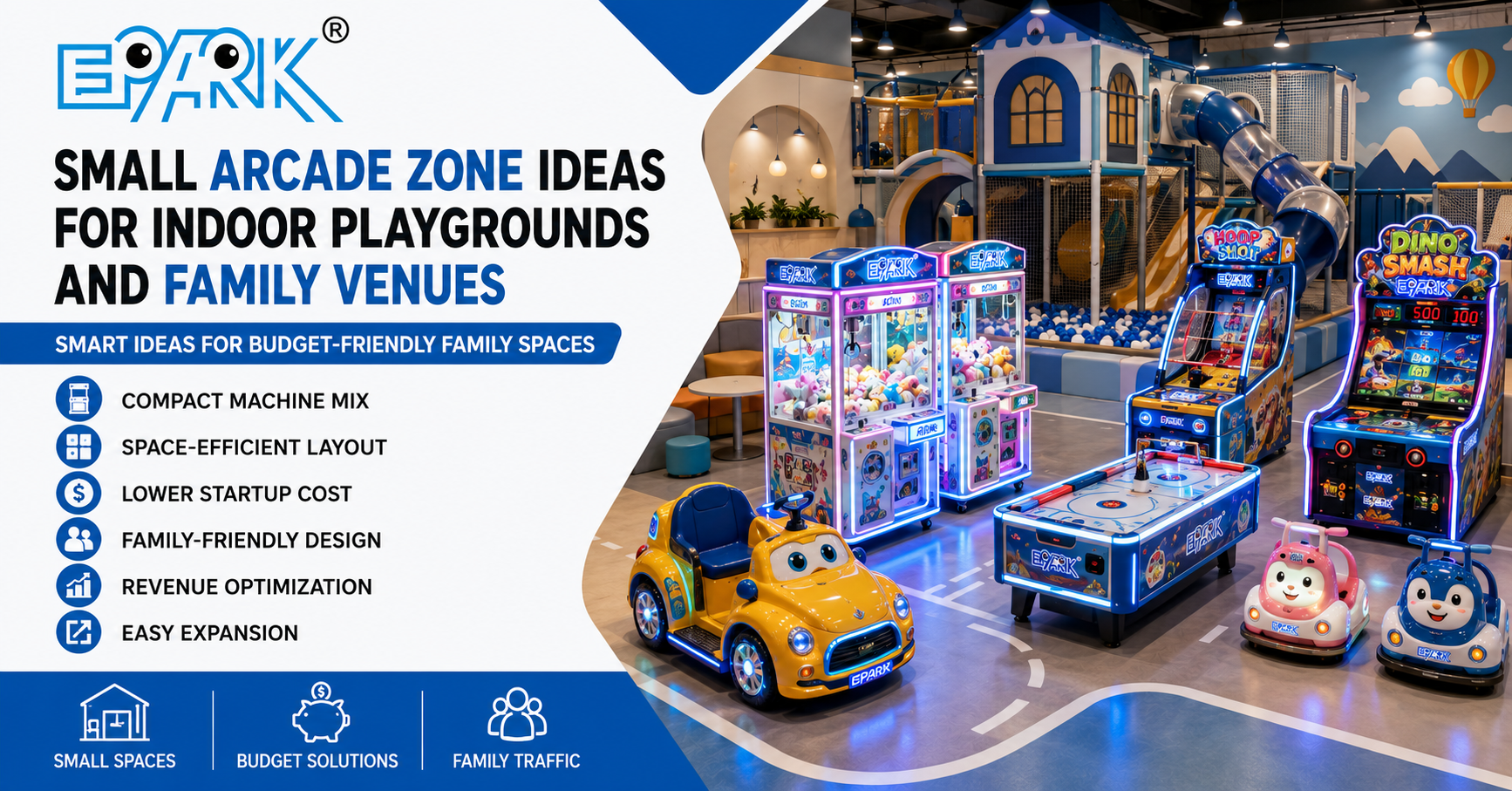
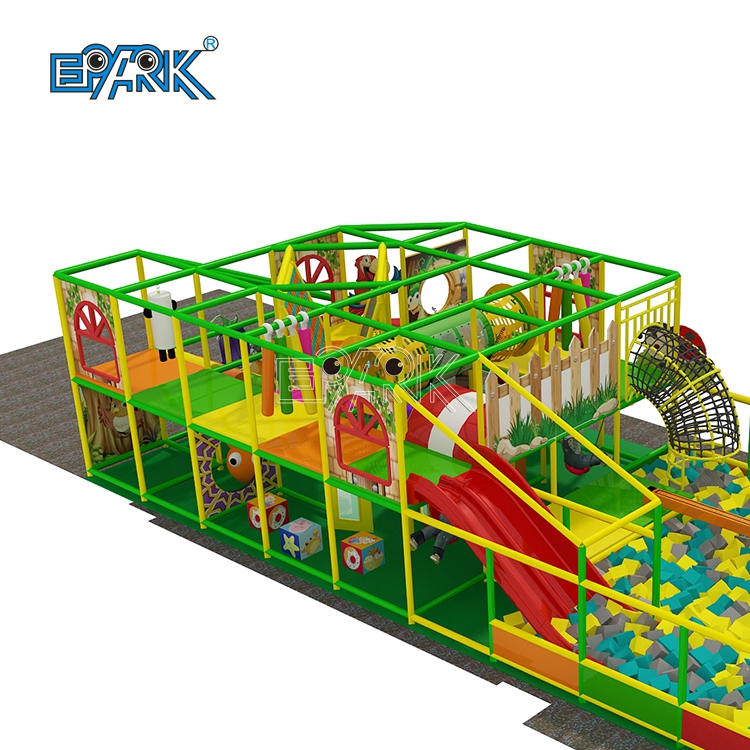
In a world where access to safe public spaces can be limited by weather, schedules, or the availability of safe public spaces, modern indoor playgrounds have become vibrant and vital hubs for children and their families. These meticulously designed environments offer a perfect solution, providing a safe, climate-controlled environment where children can release energy, explore their physical abilities, and engage in important social interactions. More than just a place to escape the rain, these facilities are dynamic centers of learning, growth, and, most importantly, fun, offering numerous benefits that support holistic child development.
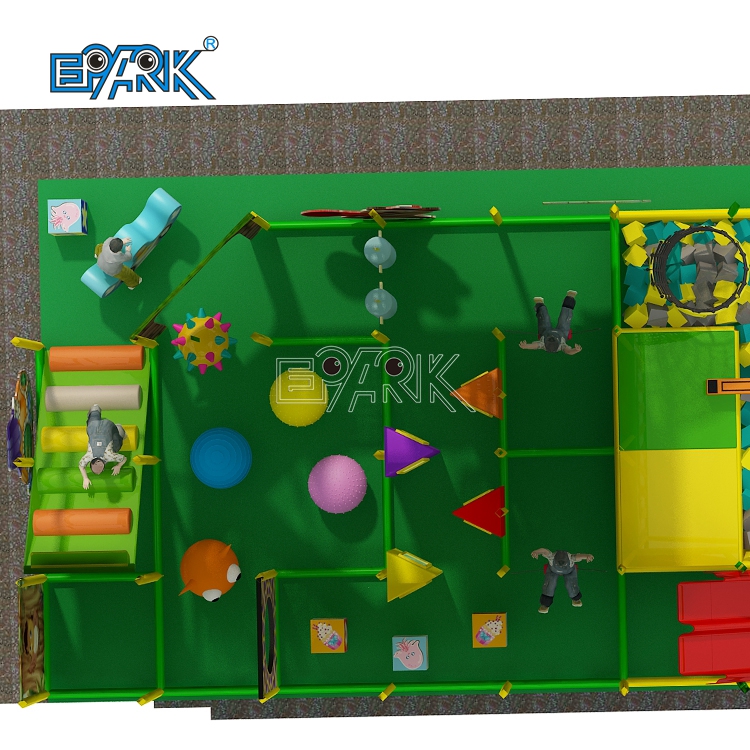
Unlock development milestones through gaming
Indoor play spaces are powerful catalysts for children's physical development. From towering climbing structures and winding slides to bouncy trampolines and colorful ball pits, each element is designed to challenge and enhance gross motor skills. As children run, jump, climb, and crawl, they actively strengthen their muscles, enhance cardiovascular fitness, and refine their coordination and balance. For example, navigating complex obstacle courses requires motor planning and spatial awareness, while swinging on monkey bars builds upper-body strength and grip. These activities are more than just play; they serve as foundational exercises that contribute to children's physical confidence and competence.
Beyond the physical benefits, the social benefits are immense. In this shared environment, children learn the complex dance of social interaction. They must negotiate turns for a popular slide, collaborate to build a fort with soft blocks, and learn to communicate their needs and desires with their peers. These experiences are crucial for developing empathy, cooperation, and conflict resolution skills. This is a microcosm of society, where children practice sharing, patience, and understanding diverse personalities under the watchful yet unobtrusive eyes of their caregivers. This organic social learning is difficult to replicate in more structured or isolated environments.
Cognitively, these play centers are a feast for young minds. They encourage problem-solving and critical thinking as children identify the safest way to climb a structure or the quickest route. Imaginative play flourishes in these environments. A simple tunnel becomes a secret cave, and a climbing frame transforms into a sea-going pirate ship. This creative, unstructured play is essential for developing abstract thinking, language skills, and innovation. It allows children to create their own narratives and rules, fostering independence and intellectual curiosity.
What makes a great indoor playground ?
When choosing an indoor play facility, safety is always the top priority. Top-tier playgrounds will clearly demonstrate their commitment to safety, including soft, padded flooring throughout the play area, well-maintained equipment without sharp edges or pinch points, and fixed nets on all elevated structures. Look for posted rules and capacity limits, as well as staff actively supervising the play area. Additionally, age-appropriate zoning is a sign of a well-thought-out facility. Separate, enclosed areas for toddlers with smaller, softer equipment ensure that the youngest visitors can play safely without being overwhelmed by the boisterous energy of older children.
Variety and cleanliness are also key indicators of quality. The best centers offer a wide variety of activities to suit different interests and energy levels, from high-energy climbing areas to quieter corners for imaginative play or sensory exploration. Hygiene is equally important. A clean, well-automated environment is essential for the well-being of all visitors. Look for visible cleaning schedules, readily available hand sanitizer stations, and clean restrooms. Many facilities also enforce a strict "socks only" policy to help maintain the cleanliness of play equipment—a simple but effective measure.
More than just fun: Parents are also a safe haven
While the focus is on children, a great indoor play center doesn't forget about parents and caregivers. Comfortable seating with clear sightlines to the main play structure is essential, allowing adults to relax while still keeping an eye on their little ones. Amenities like free Wi-Fi, charging stations, and an on-site café offering coffee and healthy snacks can transform the experience from a simple outing into a true respite for parents. It provides a space where adults can catch up on emails, read a book, or socialize with other parents, creating a valuable sense of community.
Perhaps the most practical benefit is that it provides a reliable, weatherproof entertainment destination. Whether it's a scorching summer afternoon, a freezing winter, or a relentless downpour, an indoor option is always available. This reliability is invaluable for modern parents trying to manage busy schedules and keep their children active and engaged year-round. It eliminates guesswork and provides a guaranteed outlet for boundless childhood energy, ensuring physical activity remains a consistent part of a child's routine.
The secret to perfect play
To make the most of your visit, a little preparation can go a long way. Dress your child in comfortable, soft clothing that allows for a full range of motion. Remember to bring socks for everyone planning to enter the play area, as this is almost universally required. If possible, try to visit on a weekday morning or afternoon, which is usually less crowded than on weekends or school holidays, resulting in a more relaxed experience. Before you go, it's a good idea to review the facility's rules with your child, such as guidelines regarding behavior on the slide or in the ball pit. This helps set expectations and ensures a smoother, safer, and more enjoyable time for everyone involved. Ultimately, an indoor playground is more than just a building filled with equipment. It's an important community resource that promotes health, happiness, and connection for the entire family.
General Disclaimer
All data on https://www.eparki.com is for general guidance only. As a leading indoor playground manufacturer and trampoline supplier, EPARK strives for accuracy but gives no express or implied warranty regarding completeness, performance or project fitness. Product specs, designs and results may vary with use and customer requirements. Buyers must verify technical details, compliance and suitability before purchase. EPARK OEM/ODM is not liable for any direct, indirect or consequential damages arising from site use. For custom solutions, contact our manufacturer and supplier team via the Contact page.
Intellectual Property
Text, images, videos, CAD files and software are Guangzhou EPARK Electronic Technology Co., Ltd. All rights reserved. No part may be copied, republished or used commercially without prior written permission. We will pursue legal action for copyright or design-patent infringement.
Trademarks
"EPARK", the EPARK logo and related graphics are registered trademarks of Guangzhou EPARK Electronic Technology Co., Ltd. Unauthorized use in ads, domain names or packaging is prohibited.
Governing Law
These terms are governed by the laws of the People's Republic of China.
Contact
Questions? Email sales@nanyuetech.com or WhatsApp +86 139 0307 9263.