A Complete Guide for Children's Play Area Indoor Design
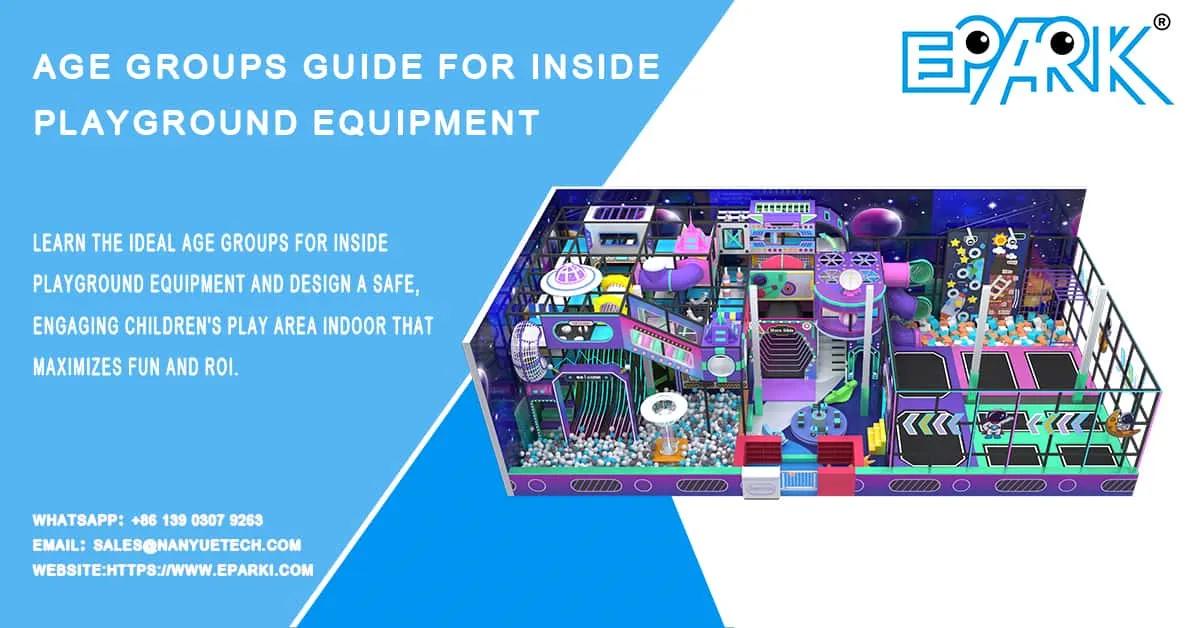
Planning a successful children's play area indoor starts with one fundamental question: What is the appropriate age group for inside playground equipment?
Choosing the right inside playground equipment is more than just matching sizes or heights. It determines safety, engagement, and the long-term success of your entertainment facility. By understanding age-based needs, operators can create a safe, fun, and profitable children's play area indoor that attracts families and keeps them coming back.
In this guide, we will analyze each age group, recommend suitable equipment, discuss safety standards, and provide strategies to optimize your inside playground equipment investment.
Why Age Segmentation Matters in Children's Play Area Indoor
Different age groups have different abilities, interests, and safety requirements. Segmentation ensures that every child enjoys the play area without feeling frustrated or bored.
Proper age segmentation in children's play area indoor offers several benefits:
- Enhances safety by providing age-appropriate inside playground equipment
- Increases engagement and playtime for each child
- Reduces accidents and liability risks
- Boosts repeat visits and customer loyalty
- Maximizes ROI through targeted equipment investment
A children's play area indoor that is well-planned by age group is more likely to attract a diverse audience and deliver higher revenue.
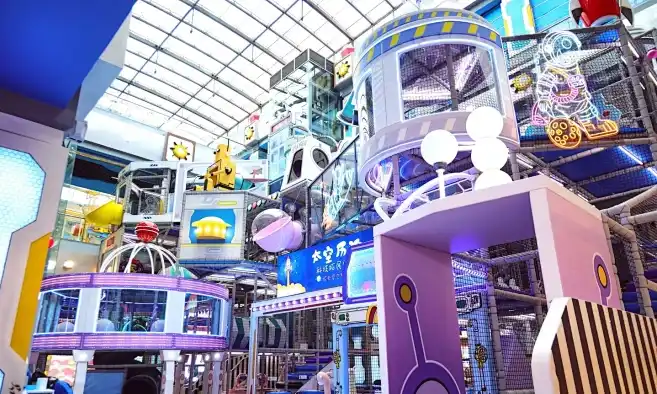 Age Groups and Recommended Inside Playground Equipment
Toddlers (1–3 Years Old)
Toddlers are at a stage of rapid sensory and motor development. Their play needs are simple but require maximum safety.
Recommended inside playground equipment:
- Soft play mats and padded flooring
- Foam climbing blocks
- Mini slides and ramps
- Ball pits
The focus at this stage is low-height, soft, and interactive equipment. A designated toddler zone in your children's play area indoor helps parents feel secure and encourages them to bring children frequently.
Pro Tip: Adding bright colors and gentle sound features can make the toddler area more engaging while ensuring safety.
Preschoolers (3–5 Years Old)
Children in the preschool age group are curious, imaginative, and eager to explore.
Recommended inside playground equipment:
- Themed climbing structures
- Small tunnels and bridges
- Interactive panels
- Role-play zones
In a children's play area indoor, preschoolers thrive on equipment that combines physical activity with imaginative play. Creative themes such as castles, jungles, or space encourage longer engagement and help children develop social skills.
Business Insight: Preschool zones often attract multiple siblings, increasing family visits. Properly selected inside playground equipment ensures children stay entertained while parents feel safe.
Early School Age (5–7 Years Old)
Children in this age group are more physically capable and enjoy challenges. Their inside playground equipment should promote coordination, balance, and problem-solving skills.
Recommended inside playground equipment:
- Rope courses and climbing nets
- Small obstacle courses
- Spiral slides
- Interactive play panels
A well-designed children's play area indoor for this group encourages active play, helps build confidence, and keeps them engaged for longer periods.
Operational Tip: Monitor equipment flow to prevent congestion and ensure safety, especially in climbing zones.
Middle School Age (8–12 Years Old)
Older children need more complex and stimulating inside playground equipment.
Recommended equipment:
- Advanced climbing walls
- Ninja warrior-style obstacle courses
- High-level slides
- Trampoline zones
This group values challenge and competition. A children's play area indoor that caters to these needs can extend playtime and increase ticket sales. Interactive or digital elements can further enhance engagement.
Pro Tip: Combining physical and digital challenges in your inside playground equipment can appeal to tech-savvy kids and expand your market reach.
Teens and Family Play Areas
While traditional indoor playgrounds focus on younger children, expanding into teen and family-friendly zones is becoming popular.
Recommended equipment:
- Trampoline courts
- VR experiences
- Interactive arcade machines
- Multi-level climbing structures
Adding zones for older kids and families transforms a standard children's play area indoor into a full family entertainment center, attracting a wider demographic and increasing revenue opportunities.
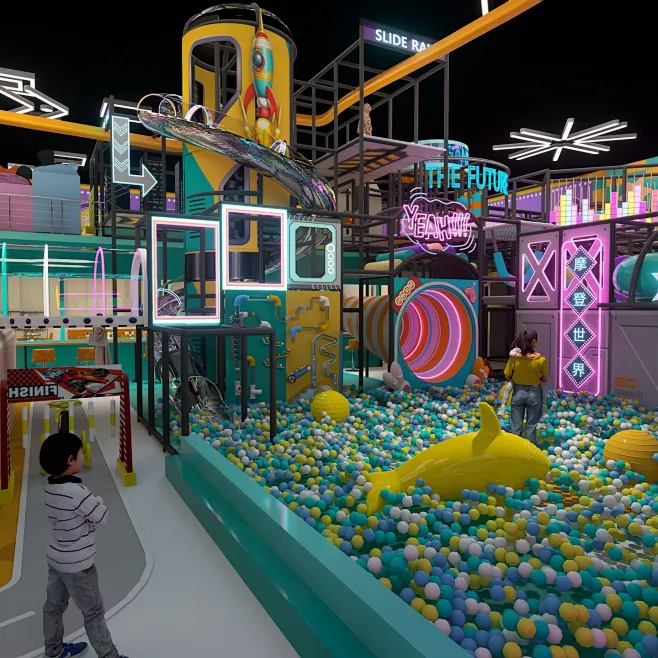 Designing a Children's Play Area Indoor by Age Group
Effective inside playground equipment placement is essential for safety, engagement, and operational efficiency.
Key Design Principles:
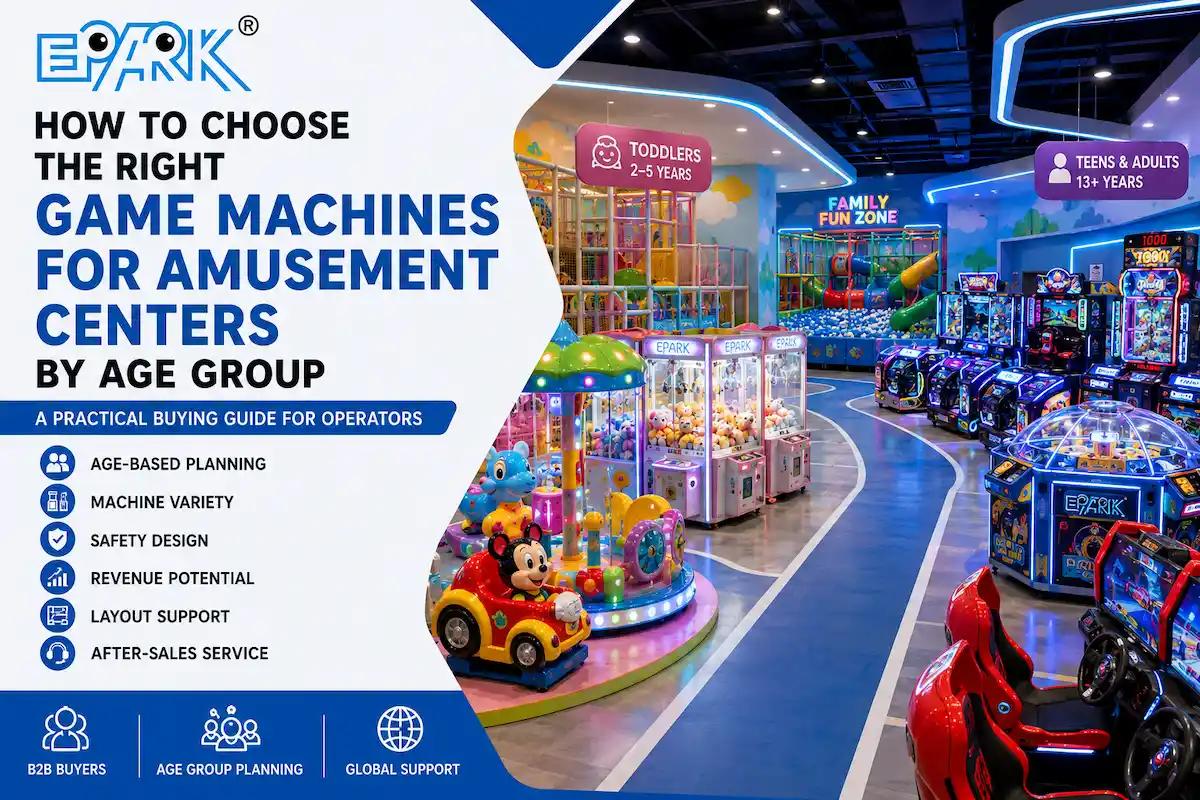
- Separate Zones by Age
Clearly defined areas ensure each child uses age-appropriate equipment safely. - Parent Visibility
Parents should be able to observe children from multiple vantage points. - Smooth Traffic Flow
Avoid overcrowding by designing pathways that naturally guide visitors through the children's play area indoor. - Modular and Flexible Equipment
Use modular inside playground equipment that can be updated as trends evolve. - Safety Considerations
Always use certified equipment and provide soft padding, rounded edges, and anti-slip surfaces.
Safety Standards for Inside Playground Equipment
Safety is a top priority. Certified inside playground equipment ensures children can play without unnecessary risk.
Standards to consider:
- EN1176 (European standard for playground equipment)
- ASTM (American standard for playground safety)
- ISO certifications for indoor play safety
Adhering to these standards improves parent trust, brand reputation, and long-term operational success.
Maximizing ROI with Age-Based Equipment
Investing in the right inside playground equipment can significantly improve ROI in a children's play area indoor.
Cost Factors:
- Project size and square footage
- Type of equipment
- Customization and theming
ROI Drivers:
- Age segmentation increases engagement and repeat visits
- Multi-age zones attract more diverse groups
- Themed inside playground equipment enhances social sharing and marketing potential
Common Mistakes to Avoid
Many operators overlook key aspects when designing children's play area indoor:
- Mixing age groups without zoning
- Choosing low-quality equipment to cut costs
- Ignoring modularity and future scalability
- Overlooking safety certifications
Avoiding these mistakes ensures your inside playground equipment investment pays off in the long term.
 Why Professional Planning Matters
Planning a children's play area indoor is more than buying equipment. Experienced designers consider:
- Market research and target demographics
- Age-based zoning and equipment selection
- Traffic flow and safety
- ROI and operational efficiency
Working with a professional inside playground equipment supplier ensures your playground is safe, engaging, and profitable.
Conclusion
So, what is the age group for inside playground equipment?
The answer is clear: the most successful children's play area indoor projects design multiple zones for different age groups, using carefully selected inside playground equipment that balances safety, fun, and business goals.
By understanding developmental needs and planning accordingly, you can create a children's play area indoor that attracts families, keeps children engaged, and delivers strong ROI.
General Disclaimer
All data on https://www.eparki.com is for general guidance only. As a leading indoor playground manufacturer and trampoline supplier, EPARK strives for accuracy but gives no express or implied warranty regarding completeness, performance or project fitness. Product specs, designs and results may vary with use and customer requirements. Buyers must verify technical details, compliance and suitability before purchase. EPARK OEM/ODM is not liable for any direct, indirect or consequential damages arising from site use. For custom solutions, contact our manufacturer and supplier team via the Contact page.
Intellectual Property
Text, images, videos, CAD files and software are Guangzhou EPARK Electronic Technology Co., Ltd. All rights reserved. No part may be copied, republished or used commercially without prior written permission. We will pursue legal action for copyright or design-patent infringement.
Trademarks
"EPARK", the EPARK logo and related graphics are registered trademarks of Guangzhou EPARK Electronic Technology Co., Ltd. Unauthorized use in ads, domain names or packaging is prohibited.
Governing Law
These terms are governed by the laws of the People's Republic of China.
Contact
Questions? Email sales@nanyuetech.com or WhatsApp +86 139 0307 9263.