Introduction
The global demand for indoor entertainment continues to grow, and the trampoline park industry has become one of the most attractive investment opportunities for B2B buyers. Whether you are a distributor, investor, or family entertainment center operator, understanding the real cost structure is essential before launching your project.
However, many investors struggle with unclear pricing, hidden costs, and unreliable supplier information. The cost to build a trampoline park can vary significantly depending on size, equipment, materials, and customization level.
In this guide, we break down everything you need to know—from equipment pricing to installation and operational expenses—based on real manufacturing experience from a professional trampoline park factory. This will help you plan your budget accurately and maximize your return on investment.
What Is the Average Cost to Build a Trampoline Park?
The cost of building a trampoline park depends largely on the project scale and design complexity. Below is a realistic pricing overview:
| Park Size | Area (㎡) | Estimated Cost (USD) | Best For |
|---|---|---|---|
| Small | 300–500㎡ | $40,000 – $80,000 | Startups |
| Medium | 500–1000㎡ | $80,000 – $200,000 | Commercial use |
| Large | 1000㎡+ | $200,000 – $500,000+ | Chain brands |
These estimates usually include core equipment and basic design services from a trampoline park supplier. However, additional costs such as venue rent, decoration, and local compliance should also be considered.
From an investment perspective, most trampoline park projects achieve ROI within 12–24 months, especially when located in high-traffic commercial areas.
Related reading: Guide to Starting a Trampoline Park
 Key Factors That Affect Trampoline Park Cost
Park Size and Space Planning
The size of your trampoline park is the most important cost factor. Larger parks require more materials and structural support, but they also benefit from lower cost per square meter due to economies of scale.
Typically, the cost ranges from $80 to $200 per square meter. A well-designed layout ensures better space utilization, which directly impacts customer experience and profitability.
For example, a compact park may maximize revenue with efficient zoning, while a large trampoline park can accommodate more visitors and increase ticket sales.
Equipment Configuration and Attractions
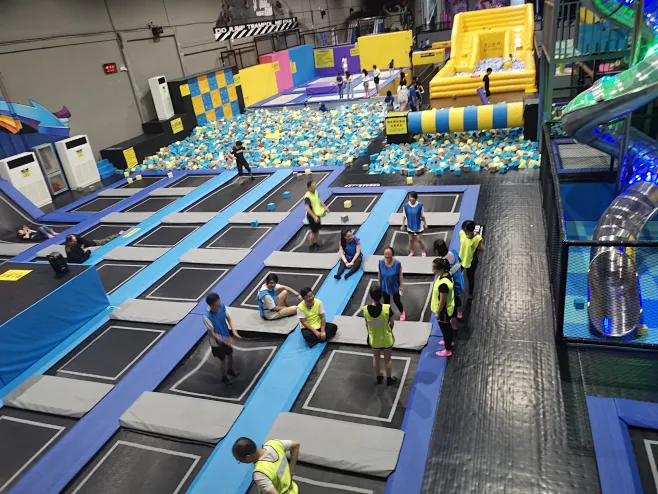
Different trampoline parks offer different experiences depending on their equipment selection. A basic setup is more affordable, while advanced attractions increase both cost and competitiveness.
Common zones include:
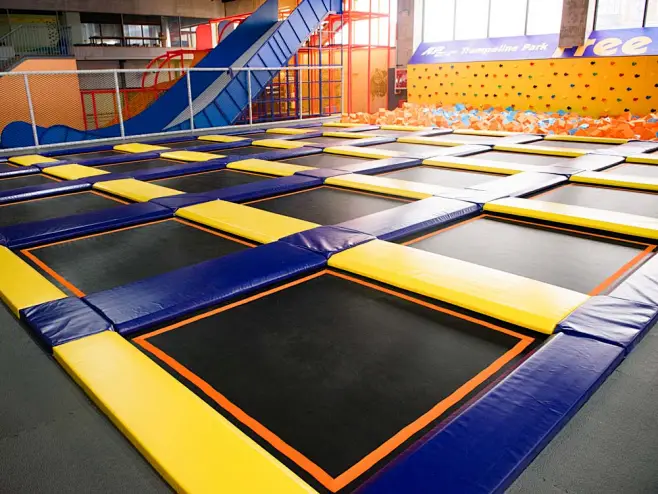
- Free jumping area
- Foam pit
- Dodgeball court
- Slam dunk zone
- Ninja obstacle course
Adding interactive features such as LED lighting or gamified systems can increase engagement and customer retention. A professional trampoline park factory can help you balance cost and attraction value.
Explore equipment options: Trampoline Park Equipment Collection
Material Quality and Safety Standards
Material quality plays a critical role in both safety and long-term operating costs. While cheaper materials may reduce initial investment, they often lead to higher maintenance expenses.
Key materials include:
- Galvanized steel frames
- High-elastic jump mats
- Thick safety padding
Make sure your trampoline park meets international standards such as:
- ASTM F2970 (USA)
- EN 1176 (Europe)
Working with a certified trampoline park supplier ensures compliance and builds trust with customers and regulators.
Custom Design and Theme
Design is not just about aesthetics—it directly affects customer attraction and brand identity. A themed trampoline park stands out in competitive markets and improves user experience.
Customization may include:
- Color branding
- Themed zones (sports, jungle, space)
- Wall graphics and lighting
Design costs typically account for 10%–20% of the total investment, but they can significantly boost your marketing impact.
Shipping and Installation
For international buyers, logistics is an important cost component. Shipping costs depend on the total volume of equipment and destination.
Estimated shipping ranges:
- $3,000 – $15,000 depending on region
Installation options include:
- On-site engineer support
- Remote guidance
Choosing an experienced trampoline park factory ensures efficient packaging and smooth installation.
Venue and Renovation Costs
Your venue must meet specific requirements for a trampoline park, including ceiling height, floor strength, and safety compliance.
Typical requirements:
- Ceiling height: 5–7 meters
- Reinforced flooring
- Fire safety systems
Renovation costs can range from $20 to $80 per square meter, depending on local construction standards.
 Cost Breakdown by Trampoline Park Size
Small Trampoline Park (300–500㎡)
This type of trampoline park is ideal for startups with limited budgets. It focuses on essential features while maintaining affordability.
Estimated costs:
- Equipment: $30,000 – $60,000
- Shipping: $5,000 – $10,000
- Installation: $3,000 – $8,000
Total: $40,000 – $80,000
This model offers a faster return but limited expansion capacity.
Medium Trampoline Park (500–1000㎡)
A medium-sized trampoline park provides a balanced investment and higher revenue potential. It is the most common format in shopping malls.
Estimated total: $80,000 – $200,000
With more attractions and better design, it appeals to families and group events.
Large Trampoline Park (1000㎡+)
Large projects are designed for maximum impact and customer capacity. These trampoline parks often include premium features and themed environments.
Estimated total: $200,000 – $500,000+
Although the investment is higher, the long-term profitability is significantly stronger.
Hidden Costs You Should Not Ignore
Many investors underestimate additional costs beyond equipment. These hidden expenses can affect your overall budget and ROI.
Important costs include:
- Staff salaries
- Electricity and maintenance
- Insurance
- Marketing campaigns
- Business licenses
A professional trampoline park factory can help you forecast these costs during the planning stage.
How to Reduce Your Investment Cost
Reducing your budget does not mean lowering quality. Instead, it requires strategic planning and supplier selection.
Expert tips:
- Buy directly from a trampoline park factory
- Optimize layout to avoid wasted space
- Start with essential equipment and upgrade later
- Choose durable materials
- Work with a one-stop supplier
These strategies can reduce total investment by up to 30% while maintaining performance.
Is a Trampoline Park Profitable?
A trampoline park generates revenue from multiple sources:
- Entry tickets
- Membership packages
- Birthday parties
- Food and beverages
- Merchandise
With the right location and marketing strategy, most trampoline parks recover costs within 12–24 months.
Customer experience is the key driver of repeat visits. High-quality equipment and attractive design significantly improve long-term profitability.
 Conclusion
Building a trampoline park is a scalable investment, with total costs ranging from $40,000 to over $500,000. The final budget depends on park size, equipment configuration, and customization level.
By understanding the key cost factors and working with a reliable trampoline park factory, investors can reduce risks and improve returns. Careful planning, quality materials, and smart design are essential for long-term success.
Call to Action
Ready to build your trampoline park?
We provide complete one-stop solutions for global clients:
- Free 2D & 3D design
- Accurate cost estimation
- Custom manufacturing
- Global shipping & installation
Contact us today to get your personalized trampoline park solution and quotation.
Start your project with a trusted trampoline park factory and turn your investment into a profitable business.
General Disclaimer
All data on https://www.eparki.com is for general guidance only. As a leading indoor playground manufacturer and trampoline supplier, EPARK strives for accuracy but gives no express or implied warranty regarding completeness, performance or project fitness. Product specs, designs and results may vary with use and customer requirements. Buyers must verify technical details, compliance and suitability before purchase. EPARK OEM/ODM is not liable for any direct, indirect or consequential damages arising from site use. For custom solutions, contact our manufacturer and supplier team via the Contact page.
Intellectual Property
Text, images, videos, CAD files and software are Guangzhou EPARK Electronic Technology Co., Ltd. All rights reserved. No part may be copied, republished or used commercially without prior written permission. We will pursue legal action for copyright or design-patent infringement.
Trademarks
"EPARK", the EPARK logo and related graphics are registered trademarks of Guangzhou EPARK Electronic Technology Co., Ltd. Unauthorized use in ads, domain names or packaging is prohibited.
Governing Law
These terms are governed by the laws of the People's Republic of China.
Contact
Questions? Email sales@nanyuetech.com or WhatsApp +86 139 0307 9263.