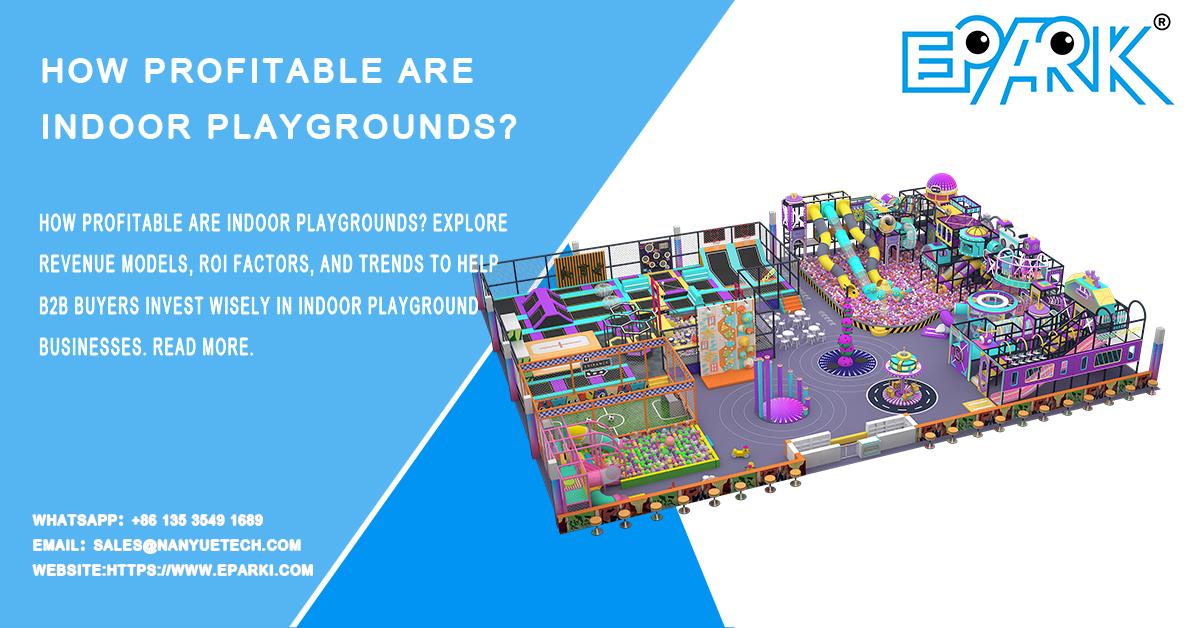
Introduction
Indoor playgrounds have become one of the most stable and scalable opportunities in the modern family entertainment industry. For investors, developers, and entrepreneurs, understanding indoor playground profitability is essential before entering this competitive yet rewarding market. With growing demand for safe, climate-controlled family spaces, well-designed indoor playgrounds can generate strong and diversified revenue.
As a global indoor playground manufacturer, EPARK has designed and installed thousands of indoor playground projects worldwide. Over the years, we’ve gathered deep insights into what makes an indoor playground profitable—along with the common pitfalls operators should avoid. This guide offers a clear financial analysis to help you evaluate whether opening an indoor playground is the right investment for your location and budget.
Revenue Sources in the Indoor Playground Business
Ticket Sales & Admissions
Daily admission remains the core income source for most indoor playgrounds. Because families value safe, engaging spaces for active play, well-located indoor playgrounds enjoy steady weekday traffic and much higher weekend volume.
Typical pricing ranges:
| Region | Entry Fee / Child | Type |
|---|---|---|
| North America | $10–$25 | Unlimited / Hourly |
| Europe | €8–€20 | Day pass / Session pass |
| Asia / Middle East | $5–$20 | Hourly / Bundled |
Indoor playgrounds that offer toddler zones, STEM activities, or themed soft play structures often justify higher ticket prices.
Related reading:
How to Start an Indoor Playground Business
Birthday Parties & Private Events
Birthday parties are one of the biggest profit boosters in any indoor playground. Parents are willing to pay a premium for convenience, safe play areas, and professional hosting services.
Typical packages include:
-
Dedicated party rooms
-
Decoration and theme setup
-
Catering and snacks
-
Entertainment activities
-
Trampoline or soft play access
Many playgrounds host 4–12 parties per weekend, making this revenue stream critical for long-term profitability.
Food, Beverage & Retail Sales
Because families spend 1–3 hours inside, cafés and snack kiosks generate continuous profits. Popular items include:
-
Fresh juice, coffee, bubble tea
-
Pizza and simple meals
-
Healthy snacks
-
Branded socks, toys, or stuffed animals
Cafés inside indoor playgrounds often see 60–70% margins, one of the highest in the FEC industry.
Memberships for Recurring Revenue
Membership programs create predictable monthly income and significantly increase customer loyalty.
Common membership types:
-
Unlimited weekday play
-
Family packages
-
Monthly or seasonal passes
A strong membership base can cover 20–30% of monthly operating expenses, making your indoor playground more financially stable.
Seasonal Programs & Educational Activities
Many successful playgrounds expand into small group programs, such as:
-
Summer or winter camps
-
Holiday-themed events
-
STEM or arts & crafts sessions
-
Parent–child workshops
These programs attract new customers while generating premium-priced revenue.
Startup Costs and Operating Expenses
Initial Investment Requirements
The total investment for an indoor playground depends on size, city, and equipment complexity.
| Playground Size | Space | Typical Investment |
|---|---|---|
| Small | 500–1,000 sq ft | $30,000–$80,000 |
| Medium | 1,500–3,000 sq ft | $80,000–$200,000 |
| Large | 3,000–10,000 sq ft | $200,000–$500,000+ |
Space Rental or Build-out
Indoor playgrounds located in malls, shopping centers, or residential areas tend to perform best.
Rental cost range: $5,000–$20,000 per month
Indoor Playground Equipment
Equipment is the heart of your business. Choosing certified indoor playground equipment from a reputable manufacturer ensures safety and longevity.
EPARK provides equipment compliant with:
-
EN1176
-
ASTM F1918
-
CE safety standards
Typical equipment investment: $50,000–$250,000
See equipment options:
EPARK Indoor Playground Equipment
Staff & Training
Indoor playgrounds require:
-
Floor supervisors
-
Cleaning staff
-
Party hosts
-
Café workers
-
Managers
Labor cost usually accounts for 25%–35% of monthly expenses.
Maintenance & Cleaning
High cleanliness standards improve reputation and encourage repeat visits. EPARK designs playground structures for:
-
Easy sanitization
-
Durable materials
-
Long service life (7–10 years)
Marketing & Digital Advertising
Essential marketing channels include:
-
Google Maps
-
Facebook ads
-
TikTok or Instagram short videos
-
Local school partnerships
-
Influencer visits
Monthly marketing budget: $500–$2,000
How Much Profit Do Indoor Playgrounds Make?
Average Monthly Revenue
| Playground Size | Revenue |
|---|---|
| Small | $10,000–$25,000 |
| Medium | $25,000–$60,000 |
| Large (FEC-style) | $60,000–$150,000+ |
Profit Margins by Business Type
Independent Indoor Playgrounds
-
Profit margin: 20%–35%
-
More freedom in pricing and branding
-
Best for experienced entrepreneurs
Franchise Playgrounds
-
Profit margin: 15%–25%
-
Franchise fees reduce profit
-
But easier to operate with built-in systems
ROI Case Studies from EPARK Projects
Case 1: 5,000 sq ft Indoor Playground
-
Investment: $150,000
-
Revenue: ~$25,000/month
-
Costs: ~$15,000/month
-
Profit: ~$10,000/month
-
ROI: 22 months
Case 2: 8,000 sq ft Multi-Zone Playground
-
Investment: $350,000
-
Revenue: $45,000–$60,000/month
-
Strong performance due to school partnerships
-
ROI: 24 months
Factors That Impact Indoor Playground Profitability
Location & Foot Traffic
Your location affects:
-
Customer flow
-
Ticket pricing
-
Marketing cost
-
Repeat visits
Playgrounds near malls, schools, or residential areas consistently outperform isolated locations.
Professional Indoor Playground Design
A well-designed layout improves:
-
Safety
-
Customer flow
-
Play value
-
Visual appeal
-
Max revenue per square foot
EPARK provides custom 3D layout design to optimize every inch of your space.
Safety & Maintenance
Safety impacts your reputation.
Essential practices include:
-
Daily inspections
-
Soft padding protection
-
Trained supervisors
-
Certified indoor playground equipment
Strong Digital Marketing
Online visibility is a major revenue driver.
Effective strategies include:
-
SEO blog posts
-
Google reviews
-
Social media events
-
Influencer visits
How to Increase Long-term ROI
Upsell Premium Add-ons
Common high-margin upsells:
-
Themed birthday parties
-
Professional photo packages
-
Private facility rental
-
Branded merchandise
Build Community Loyalty
Community-focused activities strengthen brand trust:
-
Parent–child meetups
-
Weekly story time
-
Sensory-friendly hours
-
Local charity partnerships
Add Complementary Services
Many indoor playgrounds introduce:
-
STEM workshops
-
Cafés
-
Arcade games
-
Toddler development classes
These services increase dwell time and total spending.
Conclusion
Indoor playgrounds can be highly profitable when designed strategically and operated with a diversified revenue model. With strong location planning, high-quality equipment, and smart marketing, most indoor playgrounds reach ROI within 18–36 months. As a global indoor playground manufacturer, EPARK helps investors design safe, themed, and commercially optimized playgrounds that attract families and generate long-term revenue.
Start Your Indoor Playground Project with EPARK
Ready to build a profitable indoor playground?
Contact EPARK today for custom design, detailed ROI analysis, and certified indoor playground equipment to support your business success:
Contact Us
General Disclaimer
All data on https://www.eparki.com is for general guidance only. As a leading indoor playground manufacturer and trampoline supplier, EPARK strives for accuracy but gives no express or implied warranty regarding completeness, performance or project fitness. Product specs, designs and results may vary with use and customer requirements. Buyers must verify technical details, compliance and suitability before purchase. EPARK OEM/ODM is not liable for any direct, indirect or consequential damages arising from site use. For custom solutions, contact our manufacturer and supplier team via the Contact page.
Intellectual Property
Text, images, videos, CAD files and software are Guangzhou EPARK Electronic Technology Co., Ltd. All rights reserved. No part may be copied, republished or used commercially without prior written permission. We will pursue legal action for copyright or design-patent infringement.
Trademarks
"EPARK", the EPARK logo and related graphics are registered trademarks of Guangzhou EPARK Electronic Technology Co., Ltd. Unauthorized use in ads, domain names or packaging is prohibited.
Governing Law
These terms are governed by the laws of the People's Republic of China.
Contact
Questions? Email sales@nanyuetech.com or WhatsApp +86 139 0307 9263.