Introduction
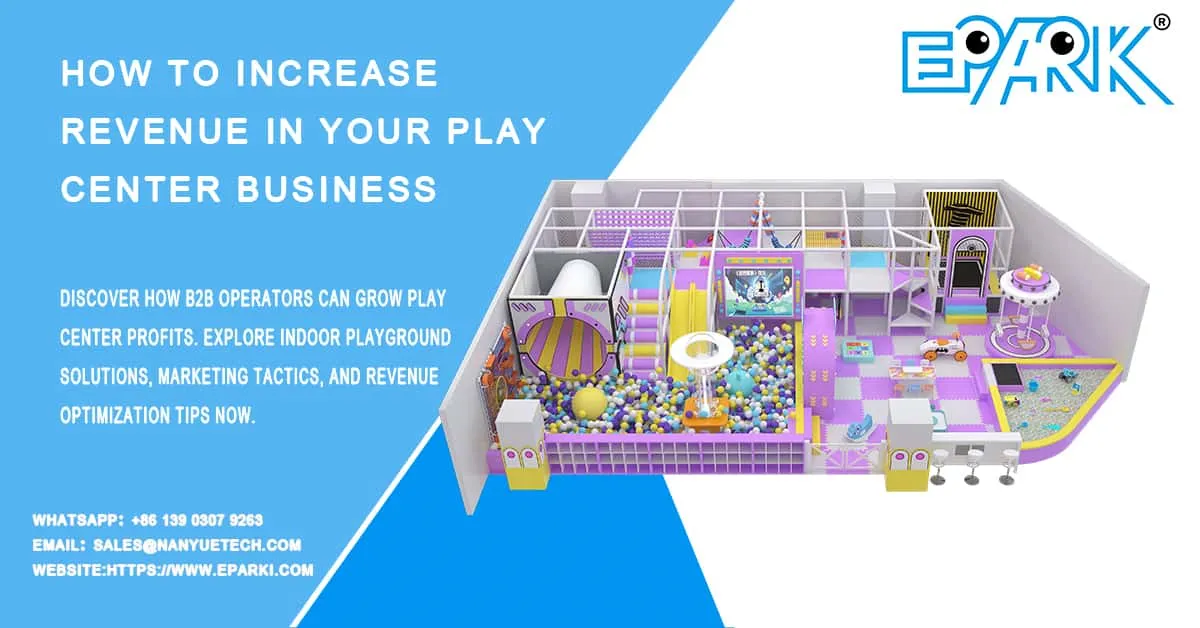
The indoor playground and play center industry continues to grow rapidly, driven by increasing demand for family-friendly entertainment. However, running a profitable play center business requires more than just slides and ball pits. For B2B operators and investors, maximizing revenue is critical to ensuring long-term sustainability and strong ROI. In this article, we explore practical strategies to increase revenue, improve customer engagement, and boost profitability.
Optimize Play Center Layout and Space Utilization
A well-planned layout directly impacts revenue and visitor satisfaction in any indoor playground. Proper space utilization encourages longer visits and higher spending.
Analyze Visitor Flow
Understanding how visitors move through your play center helps minimize congestion and maximize engagement. High-traffic areas are ideal for premium attractions, while quieter zones can host educational or interactive activities. Mapping visitor flow improves operational efficiency and enhances the overall experience.
Maximize Revenue per Square Foot
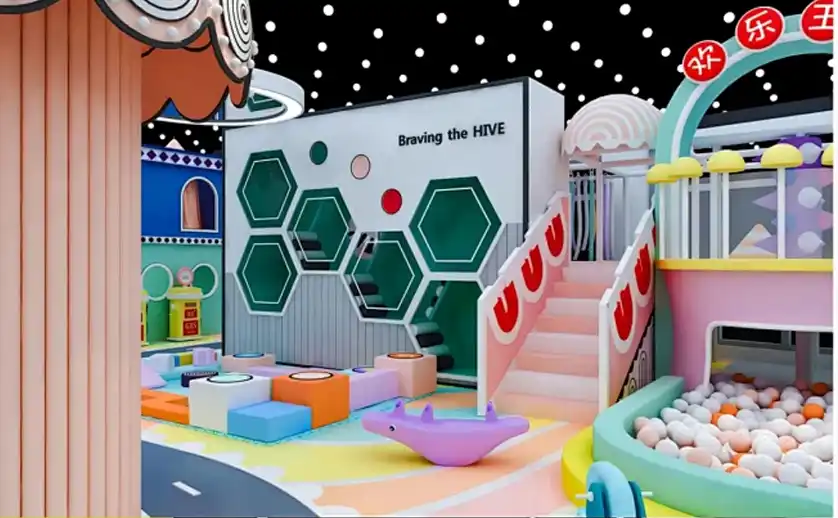
Every square meter should contribute to your bottom line. Metrics like revenue per square meter and capacity utilization help identify underperforming areas. For example, placing high-demand attractions near entry points or café areas can increase dwell time and upsell opportunities.
 Multi-Purpose Spaces
Flexible areas can be transformed into birthday party venues, seasonal attractions, or event zones. This strategy increases revenue without significant capital investment. For more tips, see our Indoor Playground Profitability Guide.
Layout Optimization Metrics
| Metric | Description | Target Benchmark |
|---|---|---|
| Revenue per Square Meter | Total monthly revenue ÷ play area size | $120–$200/m² |
| Capacity Utilization | Average visitors ÷ maximum capacity | 70–85% |
| Event Conversion Rate | Visitors attending events | 15–25% |
Diversify Revenue Streams
Relying solely on admission fees limits growth. A successful play center business integrates multiple revenue sources to maximize profits.
Birthday Parties and Special Events
Birthday packages are high-margin revenue drivers. Offering tiered packages with catering, entertainment, and photo services can increase average transaction value. Partnerships with schools, corporate clients, and community groups ensure bulk bookings and consistent revenue.
Memberships and Loyalty Programs
Recurring revenue through monthly or annual memberships provides predictable cash flow. Loyalty programs incentivize repeat visits and increase customer lifetime value. For example, a subscription pass offering free access to seasonal events can boost engagement significantly.
Retail and Food Services
Merchandise sales, snacks, and beverages improve per-visitor revenue. Branded merchandise also strengthens your center’s identity. B2B clients can purchase bulk merchandise for promotional events, further increasing revenue. Explore our Indoor Play Equipment Catalog for innovative retail options.
Revenue Breakdown Example – Mid-Size Play Center
| Revenue Stream | Contribution to Total Revenue |
|---|---|
| Admission Fees | 45% |
| Birthday Parties & Events | 25% |
| Food & Beverage Sales | 15% |
| Retail & Merchandise | 10% |
| Membership Programs | 5% |
 Enhance Customer Experience to Drive Revenue
High-quality experiences encourage repeat visits, longer stays, and higher spending in your play center business.
Introduce Interactive and Innovative Equipment
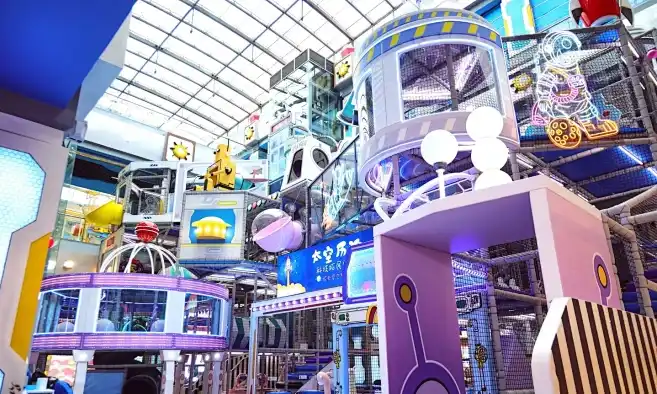
Interactive and tech-enhanced attractions like climbing walls, VR zones, or educational modules increase visitor engagement. Innovative equipment also creates social media-worthy experiences, boosting your center’s visibility.
Staff Training and Service Quality
Well-trained staff ensure safety, smooth operations, and upselling opportunities. Employees trained in customer service can guide visitors to premium packages, memberships, or merchandise.
Collect Customer Feedback and Data
Surveys, loyalty analytics, and CRM tools help identify visitor preferences and optimize offerings. Data-driven decisions allow operators to target high-value opportunities, increasing revenue optimization.
Implement Effective Marketing Strategies
Even a perfectly designed indoor playground needs a strong marketing strategy to attract and retain customers.
Digital Marketing for B2B Clients
SEO, social media, and email campaigns help attract schools, corporate clients, and bulk buyers. Targeted content featuring play center solutions and industry trends increases credibility and visibility.
Local Partnerships and Community Engagement
Collaborations with local schools, family organizations, and community groups generate steady traffic. Hosting workshops or corporate team-building events provides additional revenue streams.
Promotions and Seasonal Campaigns
Limited-time offers, holiday events, and tiered pricing encourage additional visits. Seasonal campaigns can fill slow periods and maintain consistent revenue throughout the year.
Monitor Performance and Use Data-Driven Decisions
Optimizing revenue requires continuous monitoring and analysis.
Track Key Metrics
KPIs like revenue per visitor, upsell rate, and event profitability help identify underperforming areas. Regular reviews ensure timely corrective actions.
Adjust Offerings Based on Trends
Visitor demographics, seasonal patterns, and attraction performance should inform updates to pricing, promotions, and equipment.
ROI Analysis on Equipment and Marketing Investments
Analyzing ROI ensures budget allocation prioritizes initiatives with the highest revenue potential. For example, installing a VR climbing wall might have higher upfront costs but increases average visitor spend by 20–30%.
 Conclusion
Increasing revenue in a play center business requires a holistic strategy: optimize layout, diversify revenue streams, enhance customer experience, implement targeted marketing, and use data-driven operations. Operators who adopt these strategies can achieve sustainable growth, higher ROI, and strong customer loyalty.
For B2B buyers, investing in thoughtfully designed indoor playground solutions ensures both profitability and market competitiveness.
Call-to-Action
- “Contact us today to explore how our indoor playground solutions can maximize your revenue.”
- “Request a free consultation to design a profitable play center for your business.”
- “Discover our equipment packages and marketing strategies to boost visitor engagement and ROI now.”
General Disclaimer
All data on https://www.eparki.com is for general guidance only. As a leading indoor playground manufacturer and trampoline supplier, EPARK strives for accuracy but gives no express or implied warranty regarding completeness, performance or project fitness. Product specs, designs and results may vary with use and customer requirements. Buyers must verify technical details, compliance and suitability before purchase. EPARK OEM/ODM is not liable for any direct, indirect or consequential damages arising from site use. For custom solutions, contact our manufacturer and supplier team via the Contact page.
Intellectual Property
Text, images, videos, CAD files and software are Guangzhou EPARK Electronic Technology Co., Ltd. All rights reserved. No part may be copied, republished or used commercially without prior written permission. We will pursue legal action for copyright or design-patent infringement.
Trademarks
"EPARK", the EPARK logo and related graphics are registered trademarks of Guangzhou EPARK Electronic Technology Co., Ltd. Unauthorized use in ads, domain names or packaging is prohibited.
Governing Law
These terms are governed by the laws of the People's Republic of China.
Contact
Questions? Email sales@nanyuetech.com or WhatsApp +86 139 0307 9263.