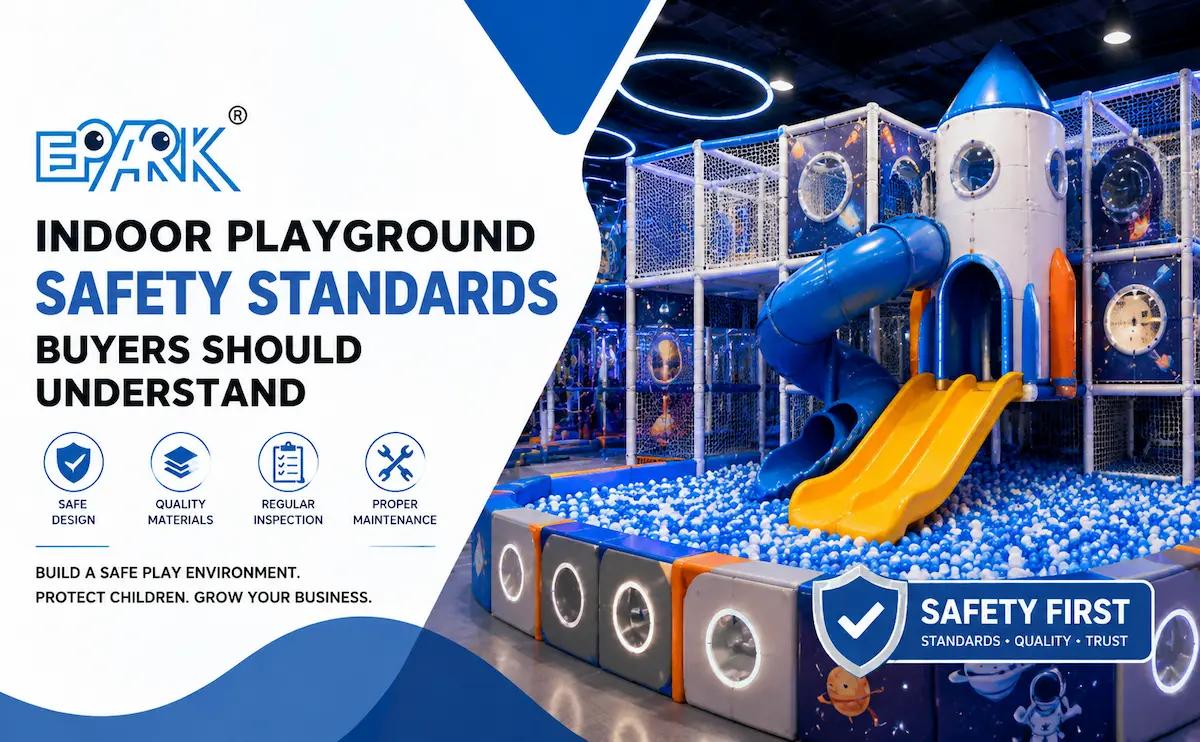
Safety is one of the most important considerations when developing an indoor playground, family entertainment center, or children’s activity space.
For commercial operators, selecting attractive equipment is not enough. A successful playground must also provide a safe environment where children can play, explore, and interact comfortably.
Understanding indoor playground safety standards helps buyers evaluate equipment quality, supplier capability, installation requirements, and long-term operational risks.
A professional indoor playground supplier should consider safety throughout the entire process, including:
- Design planning
- Material selection
- Equipment manufacturing
- Installation
- Inspection
- Maintenance
For investors and FEC operators, choosing equipment that meets safety expectations is essential for protecting children and building customer trust.
Explore EPARK’s indoor playground solutions to learn about safe playground equipment, customized designs, and complete entertainment projects.
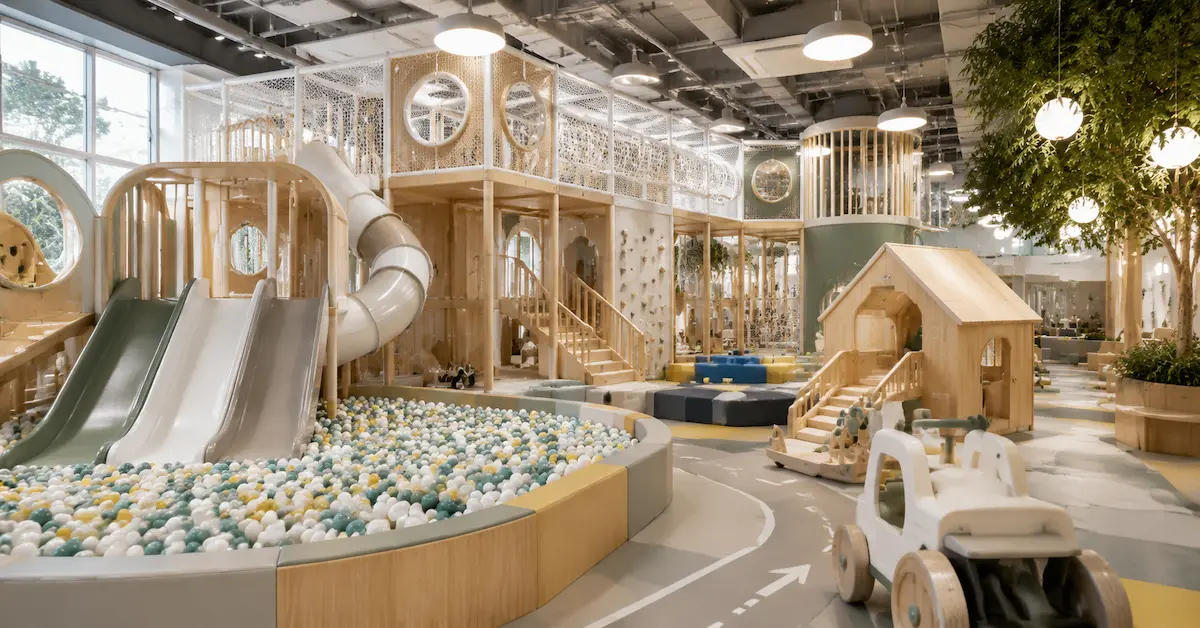
Why Indoor Playground Safety Standards Matter
Safety Directly Affects Customer Trust
Parents are the key decision-makers for many indoor playground visits.
They expect venues to provide:
- Safe equipment
- Clean environments
- Reliable structures
- Professional management
A playground that prioritizes safety creates stronger confidence and encourages repeat visits.
Safety Reduces Operational Risks
Poorly designed equipment may cause problems such as:
- Equipment damage
- Higher maintenance costs
- Customer complaints
- Business interruptions
Following proper safety practices helps operators maintain stable operations.
Safety Improves Long-Term Business Value
A safe playground supports:
- Better customer experience
- Stronger reputation
- Longer equipment lifespan
- Lower replacement costs
Safety is not only a compliance requirement but also an important business investment.
Key Areas Covered by Indoor Playground Safety Standards
Equipment Design Safety
The design stage determines many safety factors.
Professional playground designers consider:
- Child movement patterns
- Age groups
- Equipment height
- Fall protection
- Traffic flow
- Emergency access
A good design reduces potential risks before manufacturing begins.
Age-Appropriate Equipment Design
Different age groups require different equipment.
Toddlers
Suitable features include:
- Low-height structures
- Soft activity areas
- Simple climbing elements
- Easy access points
Older Children
Equipment may include:
- Higher climbing areas
- More challenging obstacles
- Interactive activities
Separating activity levels helps create safer play environments.
Material Safety Requirements
Material selection is one of the most important parts of playground safety.
Common materials used in safe playground equipment include:
- EVA foam
- High-density foam
- PVC-coated fabrics
- HDPE plastic
- Powder-coated metal frames
Materials should provide:
- Durability
- Impact protection
- Smooth surfaces
- Easy cleaning
- Safe usage
Soft Padding and Impact Protection
Soft materials help reduce injury risks during active play.
Important areas include:
- Climbing zones
- Slide exits
- Jumping areas
- Obstacle sections
High-quality padding should maintain:
- Cushioning performance
- Shape stability
- Long-term durability
Structural Stability Requirements
Commercial playground equipment must withstand continuous use.
Important structural factors include:
- Strong connections
- Stable frames
- Secure installation
- Load-bearing capability
Suppliers should test structures to ensure they remain stable during daily operation.
Guardrails and Safety Barriers
Multi-level playground equipment often requires protective features.
Examples include:
- Safety nets
- Protective barriers
- Enclosed platforms
- Handrails
These features help prevent accidental falls while allowing children to explore safely.
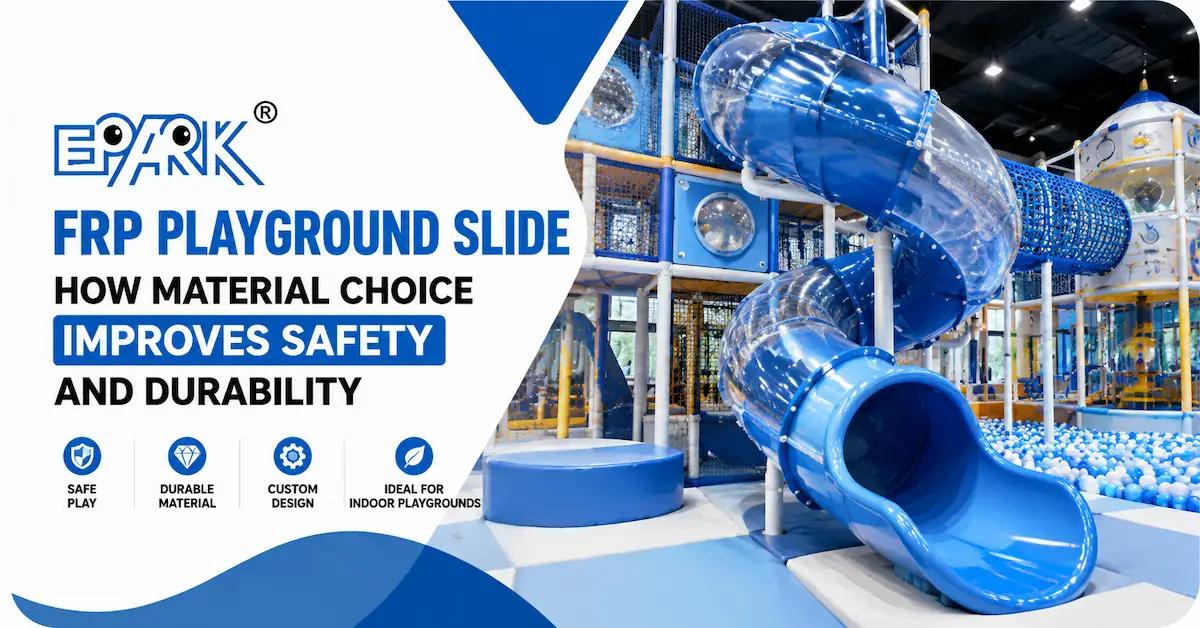
Slide Safety Considerations
Slides are common playground attractions but require careful design.
Buyers should evaluate:
- Slide height
- Entry design
- Exit area
- Surface smoothness
- Surrounding protection
The landing area should provide enough space for safe stopping.
Ball Pit Safety Requirements
Ball pits are popular but require proper management.
Important considerations include:
- Clean materials
- Safe depth
- Regular cleaning
- Proper supervision
The surrounding structure should prevent unsafe climbing or falling.
Electrical Safety for Interactive Equipment
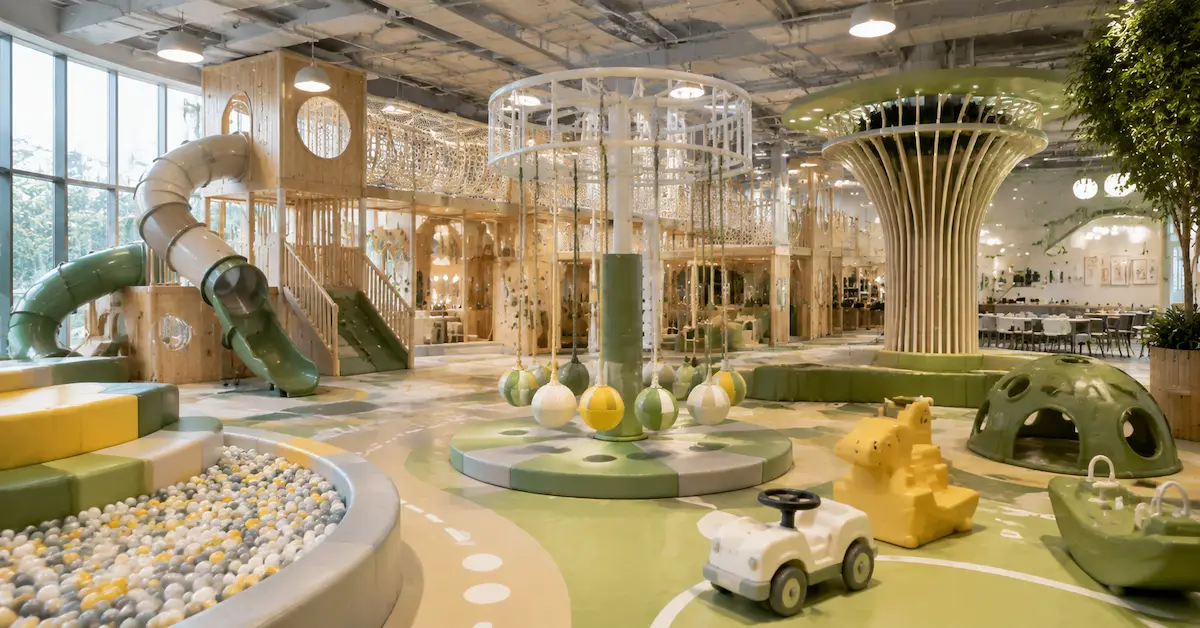
Modern indoor playgrounds often include interactive technology.
Examples include:
- Interactive walls
- Projection games
- LED systems
- Digital play equipment
Electrical systems should include:
- Safe wiring
- Protected components
- Proper insulation
- Reliable power systems
Installation Safety Requirements
Even high-quality equipment can become unsafe if installed incorrectly.
Professional installation should include:
- Correct assembly
- Secure connections
- Equipment alignment
- Safety inspection
A reliable supplier should provide installation guidance or professional installation support.
Importance of Regular Playground Maintenance
Safety does not end after installation.
Operators should create maintenance plans covering:
Daily Inspection
Check:
- Loose components
- Damaged surfaces
- Cleanliness
- Equipment operation
Regular Maintenance
Review:
- Structural connections
- Protective materials
- Electrical components
- Moving parts
Replacement Management
Replace damaged parts such as:
- Foam padding
- Covers
- Plastic components
- Hardware
Regular maintenance extends equipment lifespan.
How Buyers Can Evaluate Playground Suppliers
Choosing the right supplier is an important part of safety management.
Check Manufacturing Experience
A professional supplier should have experience with:
- Indoor playground projects
- FEC installations
- Commercial venues
- International customers
Experience helps suppliers understand safety requirements.
Review Material Information
Buyers should ask suppliers about:
- Material types
- Safety features
- Durability
- Maintenance requirements
Transparent material information shows supplier professionalism.
Evaluate Quality Control Processes
A reliable supplier should have inspection procedures for:
- Raw materials
- Production stages
- Final equipment
- Packaging
Quality control reduces potential problems after delivery.
Check Installation Support
Ask whether the supplier provides:
- Installation guidance
- Technical support
- Project coordination
- After-sales service
Professional support improves project reliability.
Common Indoor Playground Safety Mistakes
Choosing Equipment Based Only on Price
Lower-cost equipment may create risks such as:
- Lower-quality materials
- Reduced durability
- More frequent repairs
Ignoring Customer Age Groups
Equipment should match the users’ abilities and safety requirements.
Poor Space Planning
Unsafe layouts may cause:
- Crowded areas
- Customer collisions
- Difficult supervision
Lack of Maintenance Planning
Without regular inspection, even quality equipment may experience problems.
Safety Checklist for Indoor Playground Buyers
| Safety Area | What Buyers Should Check |
|---|---|
| Design | Age suitability and safe layout |
| Materials | Quality and durability |
| Structure | Stability and strength |
| Padding | Impact protection |
| Installation | Professional assembly |
| Maintenance | Inspection procedures |
| Supplier | Experience and support |
Why Choose EPARK for Safe Indoor Playground Solutions?
EPARK provides customized indoor playground solutions designed for:
- Family entertainment centers
- Indoor playgrounds
- Shopping malls
- Children’s activity centers
- Commercial entertainment projects
EPARK supports:
- Safety-focused design
- Equipment customization
- Quality manufacturing
- Installation support
- After-sales service
Explore EPARK’s playground solutions, learn more about EPARK’s project experience, or review common questions through the EPARK FAQ page.
FAQ About Indoor Playground Safety Standards
What are the most important indoor playground safety standards?
Important areas include equipment design, material safety, structural stability, installation quality, and regular maintenance.
Why are materials important for playground safety?
High-quality materials provide better durability, impact protection, and safer long-term use.
How often should indoor playground equipment be inspected?
Commercial playgrounds should have regular inspections, including daily checks and scheduled maintenance reviews.
What should buyers ask an indoor playground supplier?
Buyers should ask about materials, manufacturing processes, safety testing, installation support, and after-sales service.
Are custom playground designs safe?
Yes. Professional suppliers can create customized designs while considering safety requirements, space planning, and customer needs.
Can EPARK provide safe indoor playground solutions?
Yes. EPARK provides customized playground solutions based on venue size, target customers, and project requirements.
Conclusion
Understanding indoor playground safety standards helps buyers make better decisions when developing commercial entertainment projects.
Safety should be considered throughout the entire process, from design and material selection to installation and maintenance.
A reliable playground supplier provides more than attractive equipment. They deliver solutions that combine:
- Safe design
- Durable materials
- Professional manufacturing
- Installation support
- Long-term service
For FEC investors and indoor playground operators, choosing safety-focused equipment is essential for creating a trusted and successful entertainment environment.
Need Help Planning a Safe Indoor Playground?
Share your:
- Venue size
- Target age groups
- Design requirements
- Budget range
EPARK can help create a safe, customized indoor playground solution.
General Disclaimer
All data on https://www.eparki.com is for general guidance only. As a leading indoor playground manufacturer and trampoline supplier, EPARK strives for accuracy but gives no express or implied warranty regarding completeness, performance or project fitness. Product specs, designs and results may vary with use and customer requirements. Buyers must verify technical details, compliance and suitability before purchase. EPARK OEM/ODM is not liable for any direct, indirect or consequential damages arising from site use. For custom solutions, contact our manufacturer and supplier team via the Contact page.
Intellectual Property
Text, images, videos, CAD files and software are Guangzhou EPARK Electronic Technology Co., Ltd. All rights reserved. No part may be copied, republished or used commercially without prior written permission. We will pursue legal action for copyright or design-patent infringement.
Trademarks
"EPARK", the EPARK logo and related graphics are registered trademarks of Guangzhou EPARK Electronic Technology Co., Ltd. Unauthorized use in ads, domain names or packaging is prohibited.
Governing Law
These terms are governed by the laws of the People's Republic of China.
Contact
Questions? Email sales@nanyuetech.com or WhatsApp +86 139 0307 9263.