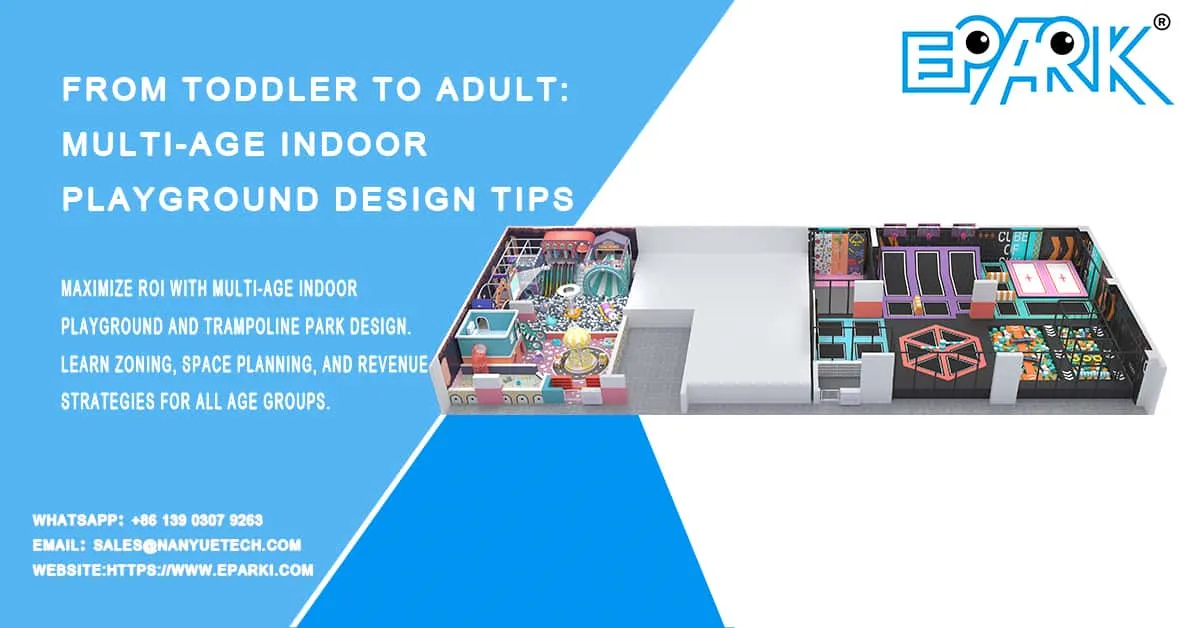
Why Multi-Age Indoor Playgrounds Maximize ROI
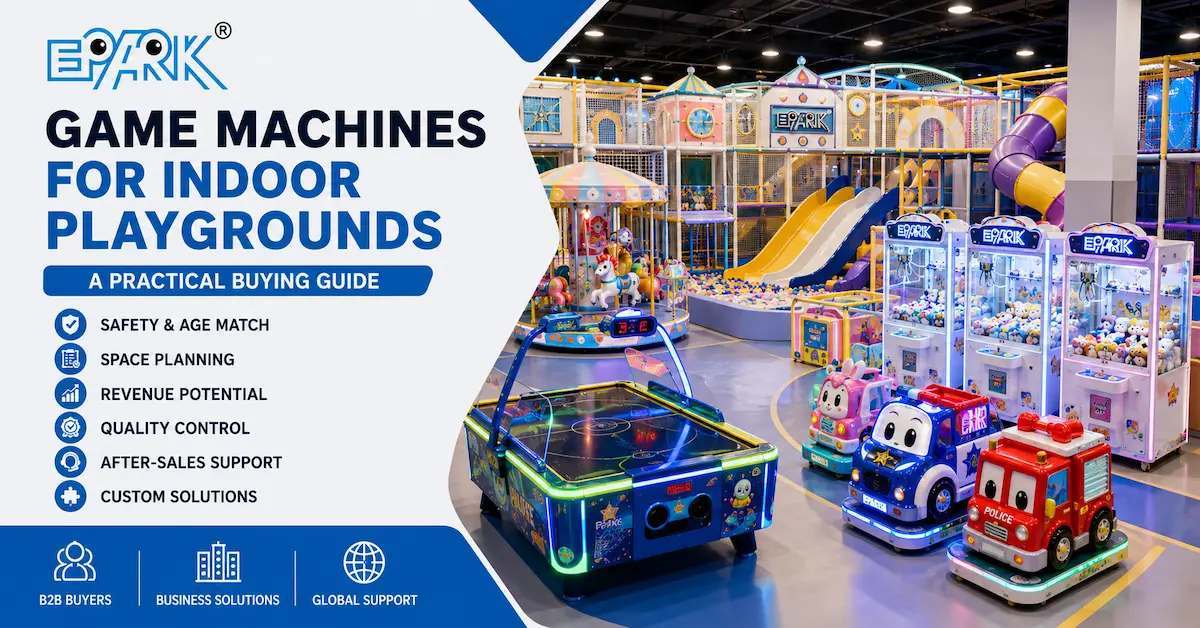
A modern indoor playground is more than a children’s play area. Families now expect environments that engage toddlers, kids, teens, and adults alike. By creating multiple play zones tailored to each age group, operators can extend visit durations, improve repeat rates, and increase revenue per square meter.
Integrating attractions like a trampoline park further boosts engagement, attracting teenagers and adults while supporting premium ticket pricing. Multi-age design is no longer optional—it is essential for operators aiming for long-term ROI.
How to Choose the Best Indoor Playground Manufacturer
Understanding Age Segmentation in Indoor Play Zones
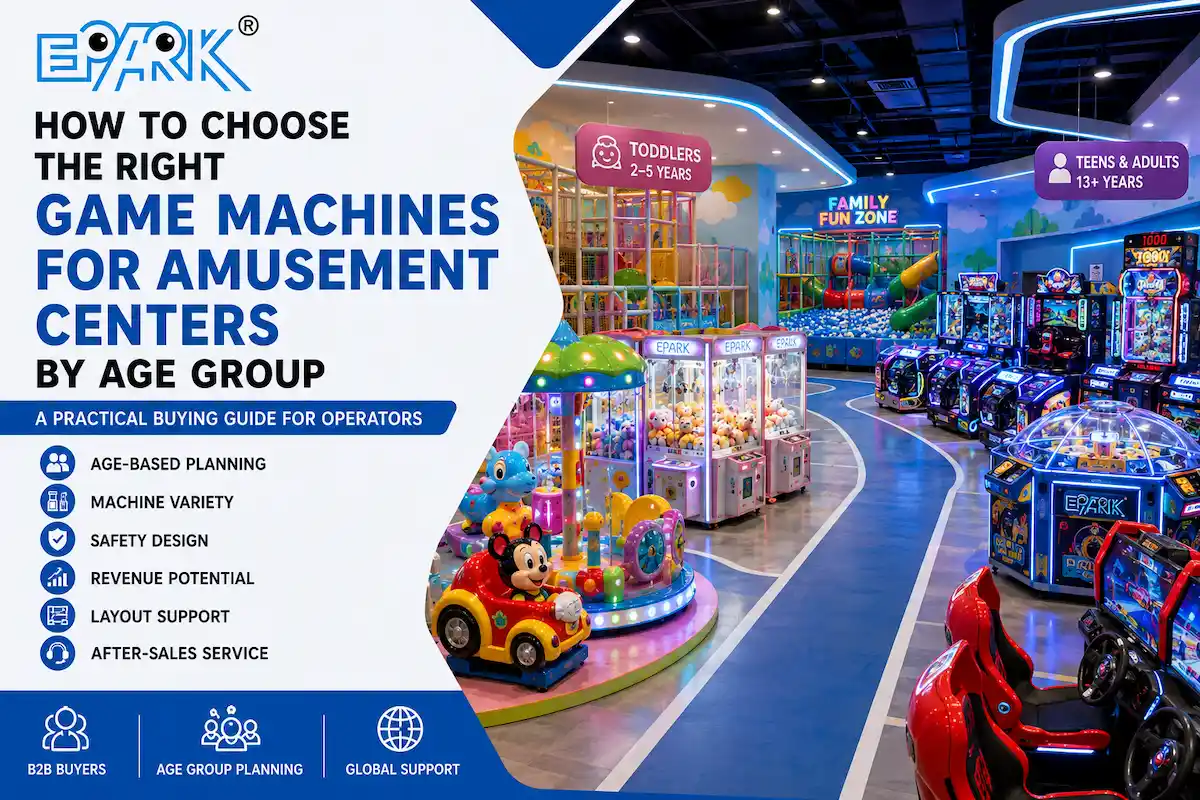
Clear age segmentation ensures every visitor has an engaging, safe experience. Each age group displays distinct behavior, energy levels, and spending patterns.
Age-Based User Insights
| Age Group | Development Stage | Needs | Revenue Impact |
|---|---|---|---|
| 0–3 | Sensory & motor | Safety, soft play | Indirect (family draw) |
| 3–5 | Cognitive & social | Interactive play | Medium |
| 5–12 | Physical & adventure | Challenge & activity | Core revenue |
| 12–18 | Social identity | Competitive, thrill | High |
| 18+ | Supporting & supervising | Comfort, F&B | Secondary revenue |
Key Insight: The 5–12 age group drives most indoor playground utilization, but excluding other groups limits total market potential. Multi-age zones maximize customer coverage.
Modular Indoor Playground Solutions
Zoning Strategy for Multi-Age Indoor Playgrounds
Zoning is critical for safety, flow, and engagement. Properly separated play zones allow toddlers to play safely while teens engage in high-energy activities.
Standard Zoning Model
| Zone Type | Age Range | Function | Risk Level |
|---|---|---|---|
| Toddler | 0–3 | Sensory, soft play | Low |
| Preschool | 3–5 | Imaginative & interactive | Low-Medium |
| Main Play | 5–12 | Core adventure | Medium |
| Trampoline Park | 8–22 | High-intensity | High |
| Teen | 12–18 | Social & competitive | Medium-High |
| Adult | 18+ | Lounge & F&B | Low |
Tip: Zoning also supports differentiated pricing and ensures smooth traffic flow, maximizing revenue per square meter.
How to Design an Indoor Playground for Maximum Flow
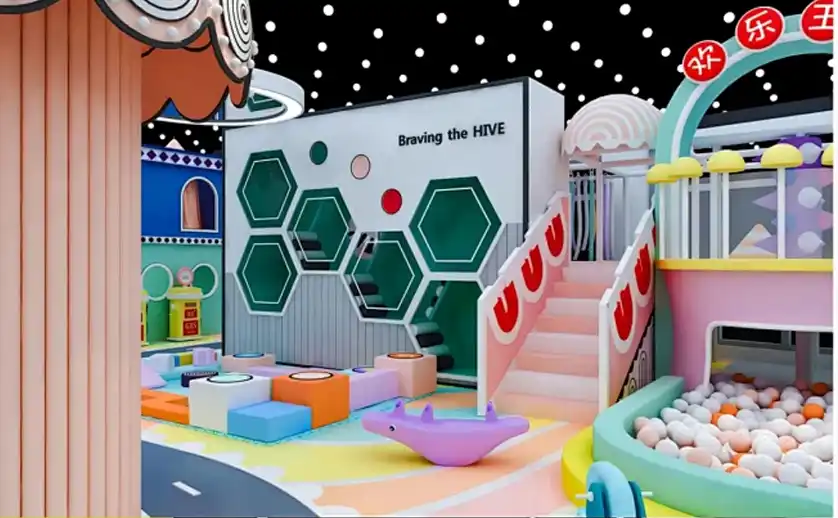 Designing Age-Specific Zones for Engagement and Safety
Toddler Zone (0–3 Years)
Prioritize safety, hygiene, and sensory development. Compliant with ASTM or EN1176, the zone should feature soft surfaces, foam blocks, ball pits, and low slides.
Revenue Impact: Low direct, high indirect. Attracts families, encouraging longer stays and spending in other zones.
Preschool Zone (3–5 Years)
Interactive, imaginative play is essential. Install themed mini-houses, climbing frames, and obstacle elements.
Business Benefit: Encourages repeat visits, party bookings, and early customer attachment.
Main Play Zone (5–12 Years)
Core revenue driver. Multi-level structures, slides, tunnels, and obstacle courses provide longer play sessions and higher ticket conversion. Proper circulation minimizes congestion and increases throughput.
Trampoline Park Zone (8–22 Years)
High-intensity trampoline park areas attract teens and young adults. Activities include foam pit jumps, dodgeball courts, and ninja challenges.
Revenue Impact: Supports premium tickets, group visits, and school/corporate bookings. Safety management is critical.
Teen Zone (12–18 Years)
Teens favor social and competitive activities. Arcade machines, VR games, and skill-based challenges increase engagement and weekday/weekend traffic.
Adult Zone (18+ Years)
Adults primarily supervise, but well-designed lounges and cafés increase dwell time and F&B revenue. This zone also enables corporate events, parties, and private bookings.
Playground for Adults: Cost, Design & ROI Guide
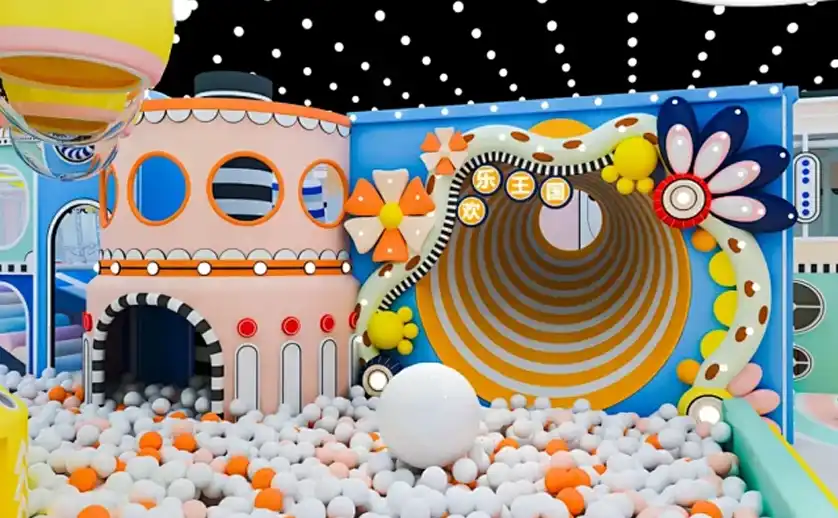 Space Allocation Recommendations
Proper space distribution is essential for maximizing ROI.
Recommended Space Allocation
| Zone | Space (%) | Purpose |
|---|---|---|
| Toddler | 10–15% | Family attraction |
| Preschool | 15–20% | Engagement |
| Main Play | 35–45% | Core revenue |
| Trampoline Park | 20–30% | High-value users |
| Adult | 10–15% | Secondary revenue |
Example: A 1000 m² playground:
- 100 m² Toddler
- 200 m² Preschool
- 350 m² Main Play
- 250 m² Trampoline Park
- 100 m² Adult/Lounge
This ensures all play zones are optimally utilized without overcrowding.
Revenue Impact of Multi-Age Play Zones
Revenue Comparison
| Model | Revenue Streams | Profit Potential |
|---|---|---|
| Single-age playground | Tickets | Medium |
| Multi-age playground | Tickets + events | High |
| Multi-age + trampoline park | Tickets + events + F&B | Very High |
Insight: Diversified revenue streams from multiple play zones reduce risk and increase average revenue per visitor (ARPU).
Common Design Pitfalls
- Lack of age segmentation → safety issues & poor experience
- Overinvesting in toddler zones → low ROI
- No trampoline park → missing teen & adult market
- Inefficient layout → congestion & underutilized space
Avoid these pitfalls with proper planning and industry-standard equipment.
Implementation Framework
- Conduct demographic & market analysis
- Segment age groups & define play zones
- Allocate space strategically
- Select durable, compliant equipment
- Optimize traffic flow & safety
- Establish diversified revenue streams (tickets, events, F&B)
Multi-Age Play Zones Are a Business Imperative
A professionally designed multi-age indoor playground delivers:
- Broader audience appeal
- Extended dwell time
- Increased revenue from multiple streams
- Differentiation from competitors
Combining age-specific zones and a trampoline park ensures long-term sustainability and maximizes ROI per square meter.
General Disclaimer
All data on https://www.eparki.com is for general guidance only. As a leading indoor playground manufacturer and trampoline supplier, EPARK strives for accuracy but gives no express or implied warranty regarding completeness, performance or project fitness. Product specs, designs and results may vary with use and customer requirements. Buyers must verify technical details, compliance and suitability before purchase. EPARK OEM/ODM is not liable for any direct, indirect or consequential damages arising from site use. For custom solutions, contact our manufacturer and supplier team via the Contact page.
Intellectual Property
Text, images, videos, CAD files and software are Guangzhou EPARK Electronic Technology Co., Ltd. All rights reserved. No part may be copied, republished or used commercially without prior written permission. We will pursue legal action for copyright or design-patent infringement.
Trademarks
"EPARK", the EPARK logo and related graphics are registered trademarks of Guangzhou EPARK Electronic Technology Co., Ltd. Unauthorized use in ads, domain names or packaging is prohibited.
Governing Law
These terms are governed by the laws of the People's Republic of China.
Contact
Questions? Email sales@nanyuetech.com or WhatsApp +86 139 0307 9263.