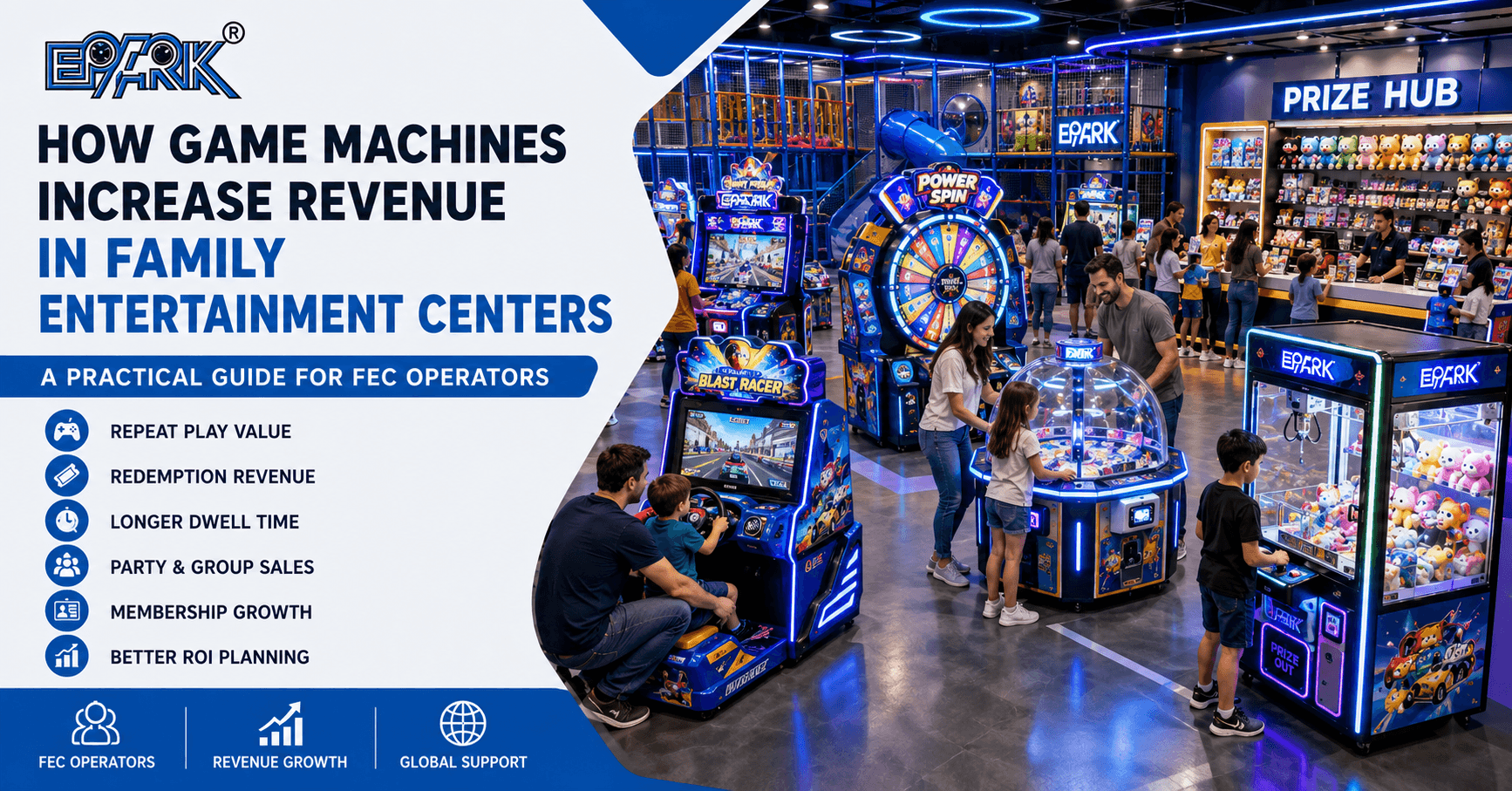
For operators of family entertainment centers, arcade zones, shopping mall play areas, and indoor amusement venues, equipment selection directly affects revenue. The right game machines for FEC projects do more than fill empty space. They create repeat play, extend customer dwell time, support prize redemption systems, increase group spending, and help operators build a more profitable entertainment model.
A successful FEC is not only about having attractive machines. It is about choosing the right mix of arcade games, redemption machines, racing simulators, VR attractions, claw machines, kiddie rides, and interactive equipment based on customer age, venue layout, pricing strategy, and long-term maintenance needs.
If you are planning a new family entertainment center or upgrading an existing arcade zone, you can explore EPARK’s FEC equipment solutions for product ideas, layout inspiration, and commercial amusement equipment options.
This guide explains how game machines generate revenue in family entertainment centers, what machine types create the most commercial value, and how B2B buyers can plan equipment sourcing for stronger return on investment.
What Are Game Machines for FEC Projects?
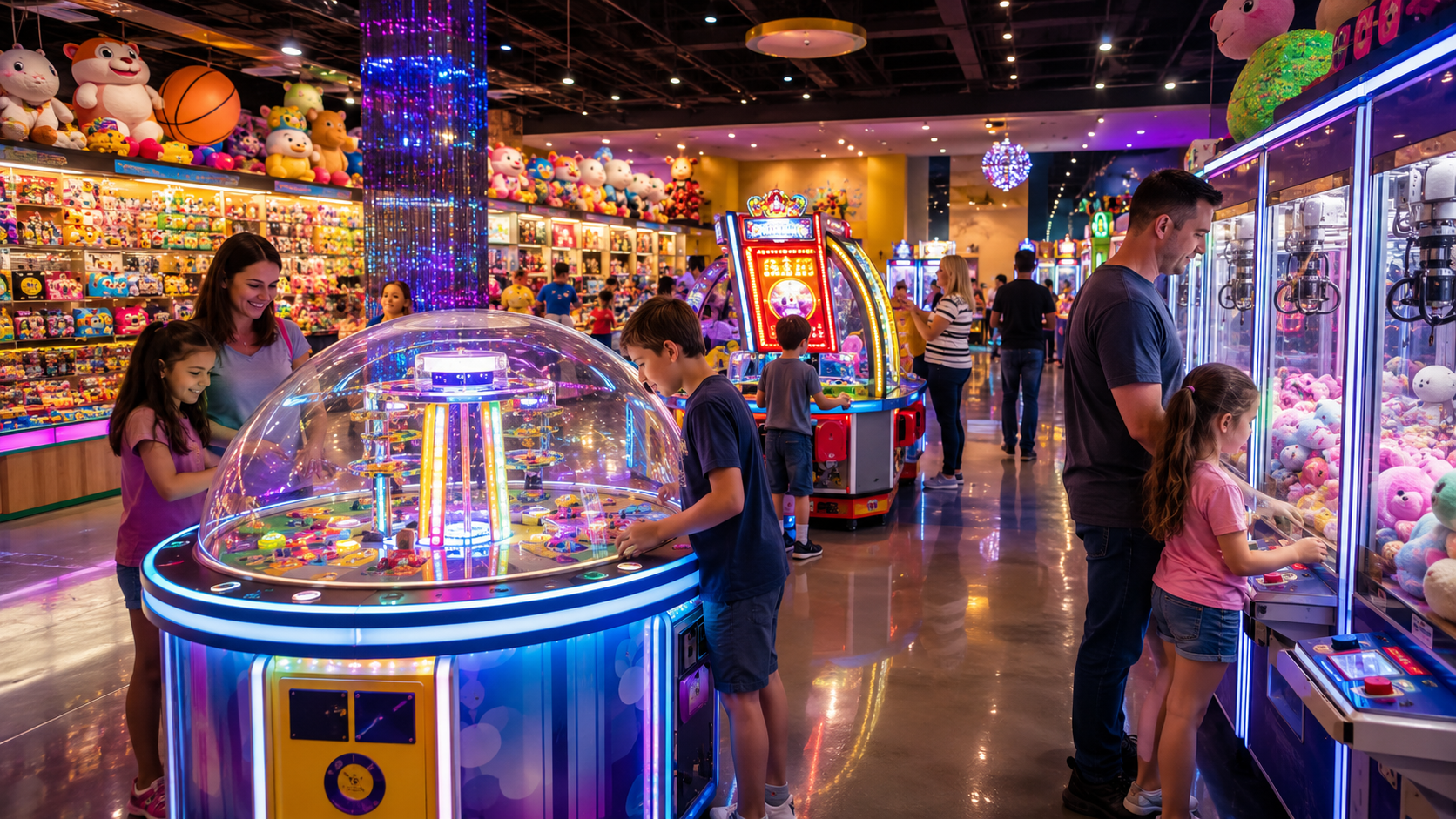
Game machines for FEC projects are commercial amusement machines designed for family entertainment centers, arcades, indoor playgrounds, shopping malls, hotels, resorts, and other high-traffic leisure venues.
They can include:
- Arcade game cabinets
- Redemption machines
- Claw machines
- Racing simulators
- Shooting games
- VR simulators
- Kiddie rides
- Sports and skill games
- Interactive digital games
- Ticket-based prize machines
For B2B buyers, these machines are not just entertainment products. They are revenue-generating assets. Each machine should be evaluated based on play appeal, durability, player age group, payment system compatibility, maintenance cost, floor space efficiency, and long-term operation support.
For a broader view of commercial amusement equipment options, buyers can review the EPARK product catalog.
Who Should Invest in Game Machines for FEC Revenue Growth?
Game machines are suitable for many commercial entertainment projects, but different buyers have different revenue goals.
| Buyer Type | Main Revenue Goal | Recommended Machine Mix |
|---|---|---|
| Family Entertainment Centers | Increase repeat visits and per-customer spending | Redemption machines, arcade cabinets, VR, racing games, claw machines |
| Shopping Mall Arcade Zones | Attract foot traffic and extend family stay time | Claw machines, prize games, kiddie rides, interactive machines |
| Indoor Playground Operators | Add revenue beyond soft play tickets | Kiddie games, redemption machines, parent-child arcade machines |
| Hotels & Resorts | Improve family guest experience | VR machines, mini arcade games, prize machines |
| Theme Parks & Amusement Parks | Add indoor revenue areas | Large arcade games, simulators, redemption systems |
| Distributors & Importers | Build product inventory for local resale | Standard arcade machines, claw machines, bulk order models |
| New FEC Investors | Build a complete entertainment project | Full game machine mix + layout planning + OEM branding |
Game machines may not be the best choice for buyers who only want very low-cost, short-term equipment with no plan for maintenance, spare parts, or long-term operation. For commercial FEC investment, the real value comes from machine stability, smart layout planning, and continuous customer engagement.
How Game Machines Increase Revenue in Family Entertainment Centers
1. They Create Direct Pay-Per-Play Income
The most obvious revenue source is direct game payment. Customers pay per play using coins, tokens, cards, QR codes, or stored-value systems.
For FEC operators, this creates flexible revenue opportunities. A customer may enter the venue for a birthday party, indoor playground, or trampoline area, but still spend additional money on arcade games before leaving.
This is why game machines for FEC projects should be placed along natural traffic paths. Machines near entrances, waiting areas, food zones, and prize counters can capture spontaneous play.
2. They Increase Customer Dwell Time
The longer a family stays inside a venue, the more opportunities there are for spending. Game machines help keep children, teenagers, and parents engaged after the main attraction.
For example:
- Children may move from soft play to kiddie rides.
- Older kids may prefer racing games or shooting games.
- Parents may play skill games or redemption machines while waiting.
- Groups may compete on multiplayer arcade machines.
This helps transform a single-purpose venue into a multi-attraction entertainment destination.
3. Redemption Machines Encourage Repeat Play
Redemption machines are especially powerful for FEC revenue because they connect gameplay with prizes. Customers play games, collect tickets or points, and exchange them for toys or gifts.
This prize-driven model increases engagement because players are motivated to continue playing until they reach a reward goal.
For operators, a well-designed redemption zone can increase both play frequency and perceived value. Instead of seeing each game as a one-time expense, customers see the experience as a pathway toward winning something.
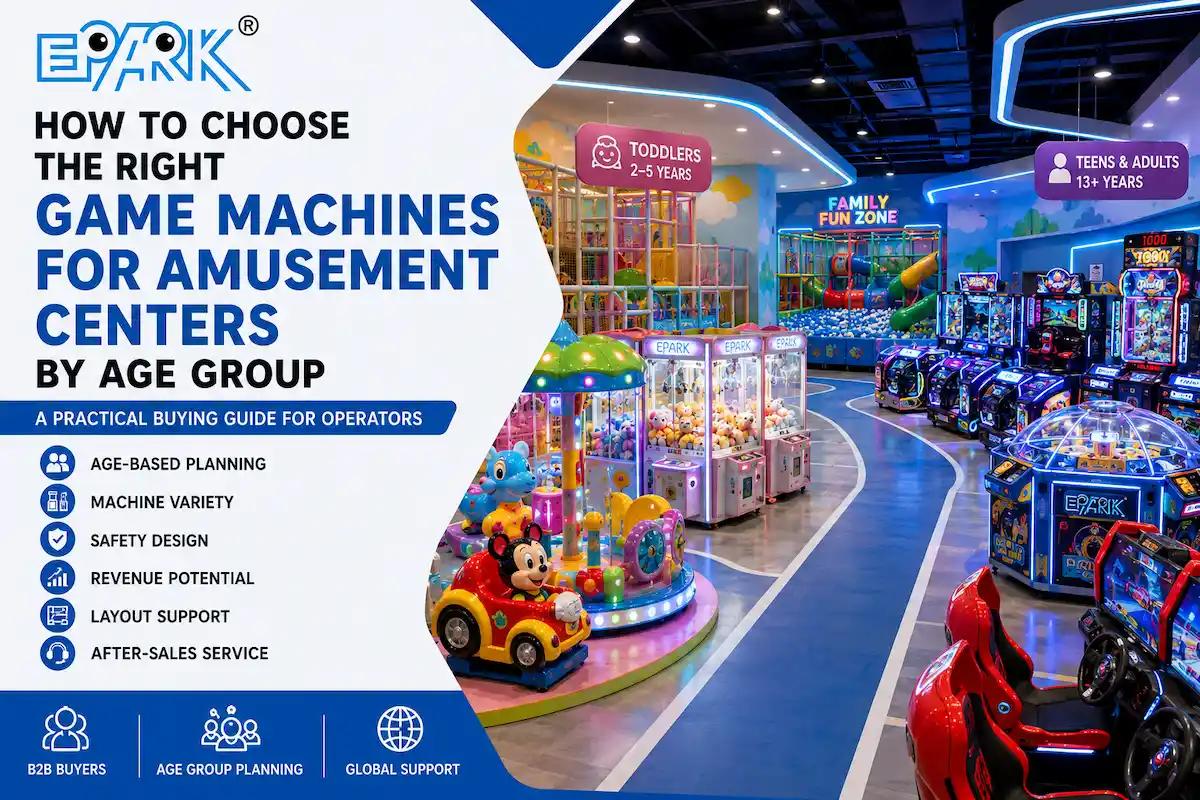
4. Game Machines Serve Multiple Age Groups
A strong FEC must serve more than one age segment. Toddlers, children, teenagers, parents, and groups all have different entertainment preferences.
A balanced machine mix can include:
- Kiddie rides for young children
- Claw machines for families
- Redemption games for children and teens
- Racing games for teenagers and adults
- VR simulators for high-end experience zones
- Interactive sports games for group play
This age-segment strategy helps operators increase revenue per family visit. Instead of one child playing while everyone else waits, multiple family members can spend at the same time.
5. They Support Birthday Parties and Group Packages
Birthday parties, school trips, corporate family days, and group bookings are important revenue sources for FEC operators.
Game machines can be bundled into packages such as:
- Party room + arcade game card
- Indoor playground ticket + redemption credits
- Trampoline session + arcade bonus points
- Group event package with racing or VR competition
- Membership card with monthly game credits
These bundles increase average order value while making the customer experience feel more complete.
6. They Improve Cross-Selling Inside the Venue
Game machines can work together with other FEC attractions. A venue may include indoor playground equipment, soft play zones, trampoline areas, party rooms, food and beverage areas, and arcade machines.
When planned correctly, these zones support each other.
For example, a child may first enter the soft play area, then move to claw machines, then collect redemption tickets, then visit the prize counter. Parents may buy drinks while waiting. This creates multiple spending moments in one visit.
If your project needs a mixed attraction plan, you can start from EPARK’s commercial amusement equipment page to compare different product combinations.
7. They Help Build Membership and Loyalty Programs
Modern FEC operations often use stored-value cards, membership systems, or digital payment platforms. Game machines can be connected to these systems to encourage repeat visits.
Possible loyalty strategies include:
- Recharge bonus credits
- Birthday game credits
- Member-only prize events
- Weekly arcade challenges
- Points-based reward systems
- Family membership packages
When game machines are connected to loyalty programs, revenue becomes less dependent on one-time walk-in traffic.
Common Applications of Game Machines for FEC Projects
Game machines are flexible and can be used in many commercial environments.
| Application Scenario | Revenue Opportunity | Recommended Game Machines |
|---|---|---|
| Shopping Mall FEC | Capture family foot traffic and extend stay time | Claw machines, redemption games, racing machines |
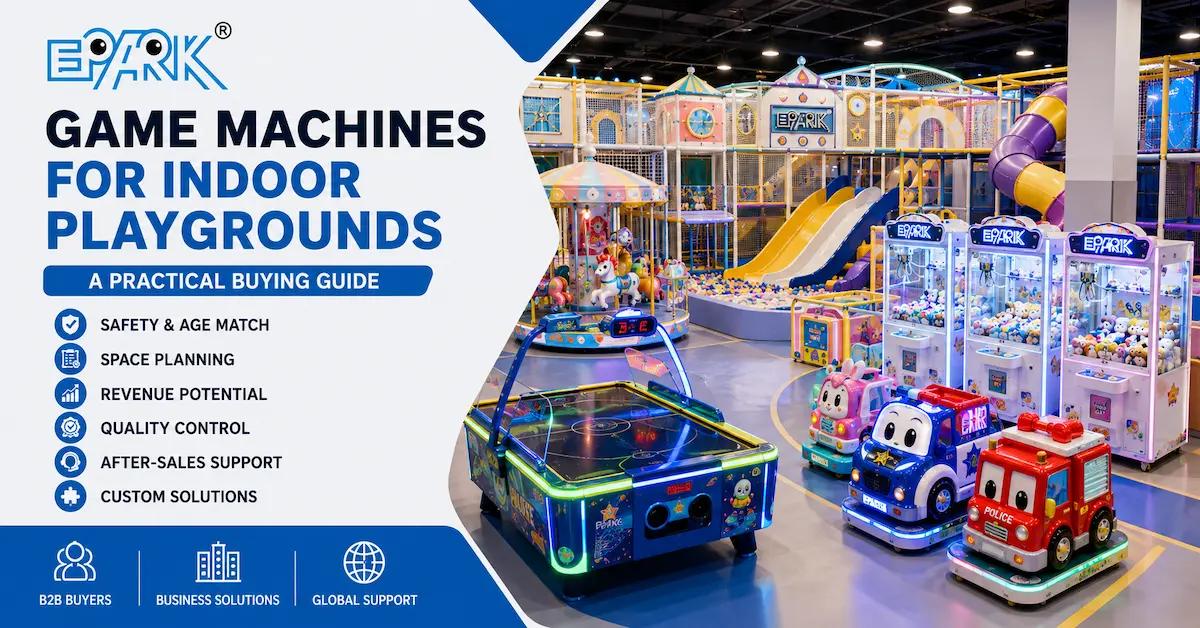
| Indoor Playground | Add extra spending beyond admission tickets | Kiddie rides, parent-child games, small arcade machines |
| Arcade Center | Build full pay-per-play business model | Arcade cabinets, shooting games, simulators, prize games |
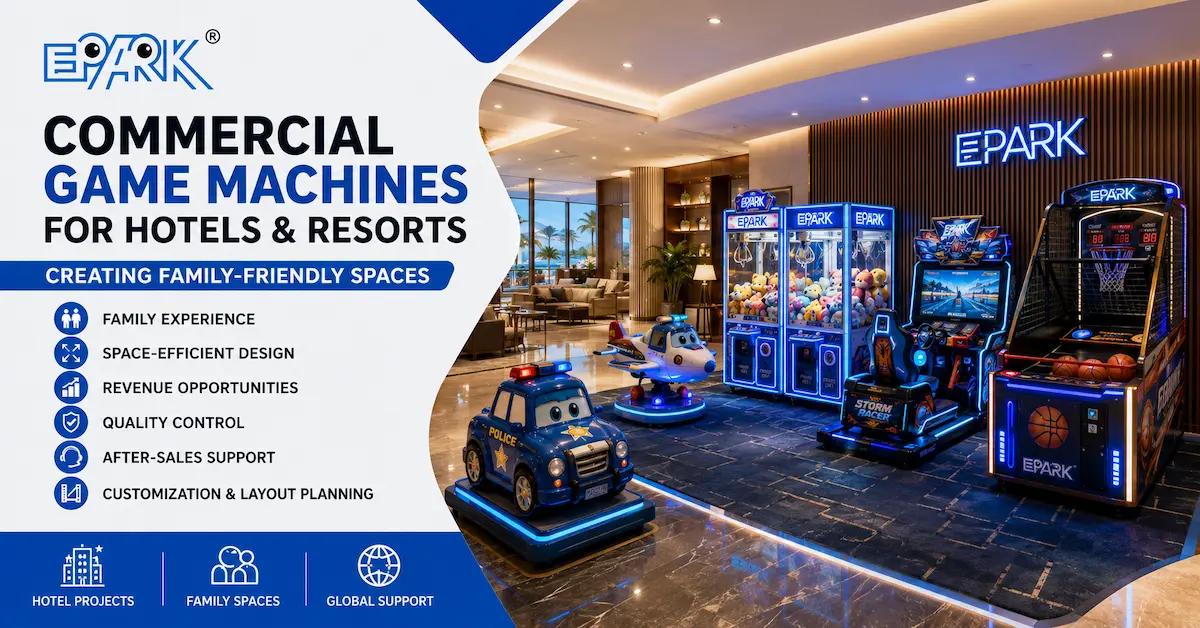
| Hotel or Resort | Improve guest satisfaction and family experience | VR machines, mini arcade cabinets, claw machines |
| Theme Park Indoor Zone | Add weather-resistant indoor revenue | Large simulators, redemption systems, racing games |
| Cinema or Retail Leisure Area | Monetize waiting time | Compact arcade games, prize machines, claw machines |
| Family Fun Center | Serve multiple age groups in one venue | Full mix: redemption, VR, racing, kiddie rides, arcade games |
The key is not to fill the venue with random machines. Operators should match machine type to visitor behavior, available space, traffic flow, and expected spending patterns.
Choosing the Right Game Machine Mix for Higher Revenue
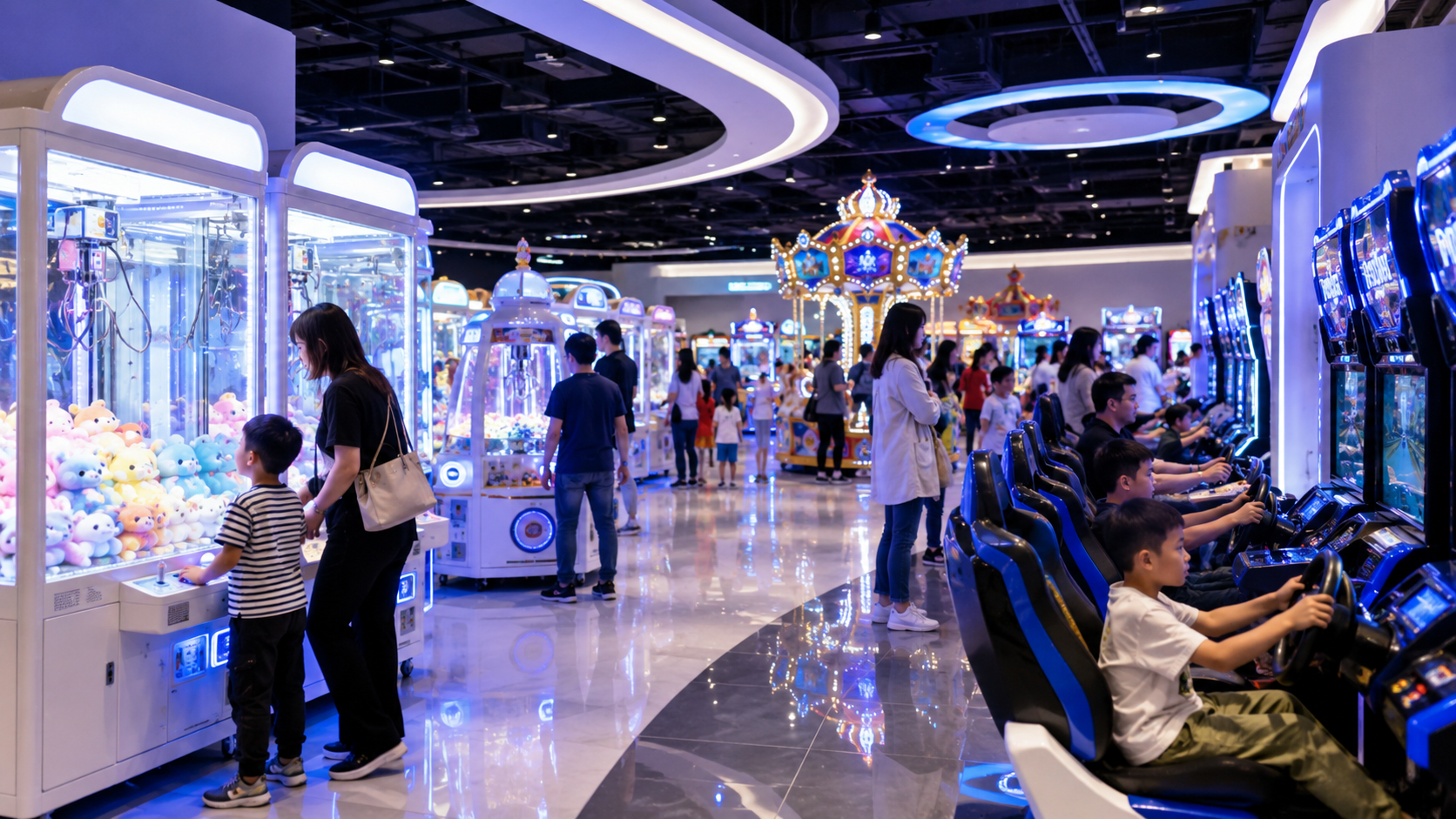
A profitable FEC usually needs a balanced mix of attraction, competition, skill, prize, and family-friendly machines.
Attraction Machines
These are visually strong machines placed near entrances or high-traffic areas. Their job is to attract attention.
Examples include:
- Large claw machines
- VR simulators
- Racing simulators
- Motion-based arcade machines
- Bright LED prize machines
These machines help create the first impression of the venue.
Repeat-Play Machines
These machines encourage customers to play multiple times.
Examples include:
- Redemption games
- Ticket games
- Skill-based prize machines
- Claw machines
- Basketball or sports games
Repeat-play machines are valuable because they can generate steady daily revenue.
Group Competition Machines
These machines encourage social play and competition.
Examples include:
- Multiplayer racing games
- Shooting games
- Dance or music games
- Interactive sports games
- VR battle games
Group machines work well for teenagers, young adults, and party customers.
Young Children’s Machines
These machines serve families with younger children.
Examples include:
- Kiddie rides
- Mini arcade games
- Parent-child interactive games
- Low-height prize machines
These machines help make the venue more family-friendly and accessible.
Game Machine Revenue Model Comparison
| Machine Type | Main Revenue Driver | Best Location | Target Users | Cost Level |
|---|---|---|---|---|
| Claw Machine | Repeat attempts and prize motivation | Entrance, waiting area, prize zone | Children, families, teens | Low to medium |
| Redemption Machine | Ticket collection and prize exchange | Central arcade zone | Children and families | Medium |
| Racing Game | Competitive multiplayer experience | Teen and group activity zone | Teens, adults, groups | Medium to high |
| VR Simulator | Premium immersive experience | High-end experience zone | Teens, adults, tourists | High |
| Kiddie Ride | Simple child-friendly play | Near soft play or family area | Young children | Low to medium |
| Shooting Game | Skill-based competition | Arcade and teen zone | Teens, adults | Medium |
| Sports Game | Physical interaction and repeat play | Open activity zone | Children, teens, groups | Medium |
| Classic Arcade Cabinet | Nostalgia and repeat gameplay | Arcade rows or retro zone | Teens, adults | Low to medium |
A strong FEC does not depend on only one machine type. The best revenue model usually combines high-frequency machines, high-ticket-value machines, and family-friendly machines.
Layout Strategy: Where to Place Game Machines for Better Revenue
Machine placement can strongly influence revenue. Even good machines may underperform if they are placed in low-visibility areas.
Entrance Zone
Use visually attractive machines near the entrance. Claw machines, LED prize machines, and large interactive games can draw customers into the space.
Main Traffic Path
Place simple, fast-play machines along the main walking path. These machines should be easy to understand and quick to start.
Redemption Zone
Keep redemption machines near the prize counter. This makes the reward system visible and encourages additional play.
Teen and Competition Zone
Racing games, shooting games, VR machines, and sports machines work well in a more energetic area where groups can gather.
Family Waiting Zone
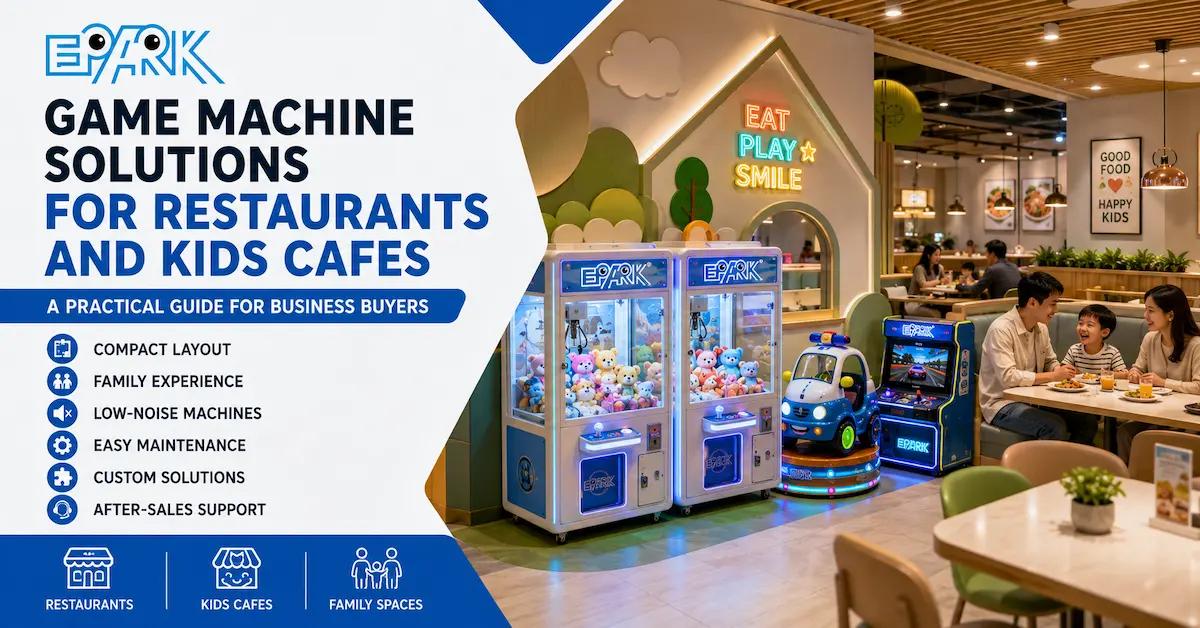
Compact game machines near seating, café, or parent rest areas can turn waiting time into revenue.
Party Room Area
Place selected machines near party rooms or group event spaces. This supports package sales and post-party spending.
For customized venue planning, buyers can contact EPARK for project consultation.
Technical Specifications B2B Buyers Should Compare
Before sourcing game machines for FEC projects, buyers should compare more than appearance and price.
| Specification | Why It Matters for Revenue |
|---|---|
| Cabinet size | Affects floor planning and machine density |
| Power requirement | Impacts electrical planning and operating cost |
| Payment system | Determines coin, token, card, or digital payment compatibility |
| Display quality | Affects user experience and visual attraction |
| Control components | Buttons, joysticks, steering wheels, and sensors affect durability |
| Ticket or card system | Important for redemption revenue models |
| Software stability | Reduces downtime and gameplay errors |
| Spare parts availability | Shortens repair time and protects revenue |
| Cooling and ventilation | Supports long operating hours |
| Packaging method | Reduces shipping damage risk |
| Warranty terms | Protects long-term investment |
For commercial buyers, technical details directly affect machine uptime. A machine that looks attractive but breaks frequently can reduce revenue and damage customer satisfaction.
Materials and Components That Affect Long-Term Profitability
The profitability of an arcade machine depends heavily on materials and components.
Important components include:
- Reinforced cabinet structure
- Steel frame or durable internal support
- Acrylic or tempered viewing panels
- Commercial-grade buttons and joysticks
- Stable PCB boards and electronic systems
- LED lighting systems
- Coin, token, or card reader systems
- High-quality wiring and connectors
- Cooling fans and ventilation design
- Scratch-resistant surface finishing
For high-traffic FECs, durability matters because machines may operate for many hours every day. Better components may increase initial cost, but they can reduce maintenance frequency and downtime.
This is why B2B buyers should evaluate machines based on total lifecycle value, not only purchase price.
Quality Control, Certifications, and Compliance
Reliable quality control is essential for commercial amusement equipment. A professional factory should have inspection steps for materials, assembly, electronics, gameplay testing, packaging, and pre-shipment checks.
Typical quality control steps include:
- Incoming material inspection
- Cabinet structure inspection
- Electronic component testing
- Gameplay and payment system testing
- Aging or burn-in testing
- Appearance inspection
- Packaging inspection
- Pre-shipment verification
For international buyers, certifications and quality systems may also be required depending on the target market. Buyers can review EPARK’s company profile and factory information to understand the company background, export experience, and manufacturing capabilities before discussing a project.
Buyers should always confirm which certifications are required in their local market before placing a bulk order.
Cost, Risk, and ROI Considerations
When evaluating game machines for FEC projects, the cheapest machine is not always the most profitable machine.
A low-cost machine may create risks such as:
- Frequent downtime
- Weak cabinet structure
- Poor electronic stability
- Limited spare parts
- Poor customer experience
- Shorter service life
- Higher maintenance cost
- Inconsistent supplier support
A higher-quality machine may cost more at the beginning, but it can provide better ROI if it operates reliably and generates consistent revenue over time.
A simple ROI thinking model is:
Machine Investment ÷ Monthly Net Revenue = Payback Period
For example, operators should estimate:
- Average price per play
- Expected plays per day
- Operating days per month
- Prize cost or consumable cost
- Maintenance cost
- Electricity cost
- Staff operation cost
- Expected downtime
This helps buyers compare machines based on real business value rather than only unit price.
OEM and ODM Customization Can Improve FEC Revenue
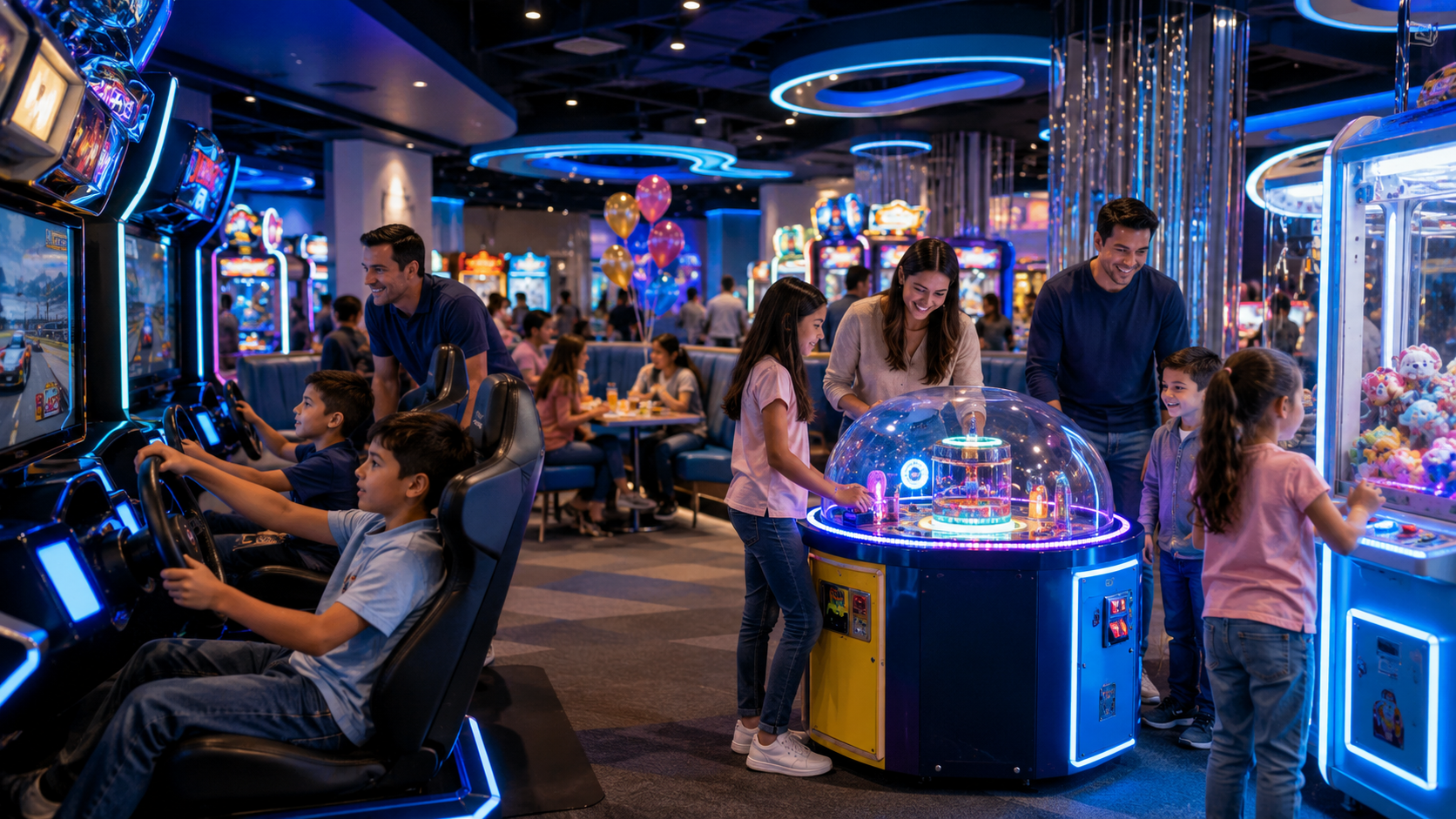
OEM and ODM customization can help FEC operators create a stronger brand experience.
Customization options may include:
- Machine cabinet color
- Venue logo or branding
- Themed exterior design
- Customized lighting effects
- Gameplay adjustment
- Prize system integration
- Payment system compatibility
- Ticket system connection
- Language setting
- Machine packaging
- Full arcade layout planning
For branded family entertainment centers, customization helps create a consistent visual identity across the venue. This is especially important for chain stores, franchise projects, mall FECs, and themed entertainment centers.
A factory-direct partner can also help operators plan machine combinations based on space, target users, and revenue goals. For OEM/ODM project discussions, buyers can send project requirements to EPARK.
How to Choose the Right Game Machine Partner
Choosing the right partner affects equipment quality, delivery stability, customization, and after-sales support.
Use this checklist before ordering:
| What to Check | Why It Matters |
|---|---|
| Factory or supplier type | Determines production control and customization ability |
| Product range | Helps build a complete FEC equipment mix |
| OEM/ODM capability | Supports branding and project differentiation |
| Quality control process | Reduces breakdown risk |
| Spare parts support | Reduces downtime |
| Export experience | Helps with international shipping and documentation |
| Warranty policy | Protects long-term investment |
| Layout planning support | Improves machine placement and revenue flow |
| Payment system compatibility | Supports local operation needs |
| Communication efficiency | Reduces project delays |
Before selecting equipment, buyers can compare products on the EPARK products page and then confirm layout, customization, and sourcing details with the sales team.
Practical Revenue Tips for FEC Operators
1. Do Not Overfill the Space
Too many machines can make a venue feel crowded. Leave enough space for movement, waiting, and group play.
2. Use Prize Visibility to Encourage Spending
A visible prize counter can increase redemption machine engagement. Customers are more likely to play when they can see attractive rewards.
3. Mix Low-Cost and Premium Machines
Use low-cost repeat-play machines for steady income and premium machines for high-value experiences.
4. Keep Machines Easy to Understand
Customers should understand how to play within a few seconds. Complicated machines may reduce play rates.
5. Track Machine Performance
Monitor which machines generate the most revenue. Replace or relocate underperforming equipment.
6. Plan Maintenance Before Problems Happen
Create a daily inspection checklist. Clean buttons, check screens, test payment systems, and monitor machine sounds or errors.
7. Refresh the Venue Regularly
New prizes, seasonal events, and machine rotation can help increase repeat visits.
For more related guides, buyers can also browse the EPARK blog.
FAQ: Game Machines for FEC Revenue
Q1. How do game machines increase revenue in family entertainment centers?
Game machines increase revenue through pay-per-play income, redemption systems, repeat play, party packages, membership credits, and longer customer dwell time.
Q2. What are the best game machines for FEC projects?
The best mix usually includes redemption machines, claw machines, racing games, VR simulators, kiddie rides, and interactive arcade games. The final selection depends on venue size, target audience, and budget.
Q3. Are redemption machines profitable for FEC operators?
Yes. Redemption machines can be profitable because they encourage repeat play through ticket or point collection. Profitability depends on prize cost control, machine placement, and customer traffic.
Q4. How many game machines should an FEC have?
There is no fixed number. It depends on floor area, traffic flow, machine size, target users, and attraction mix. A small arcade zone may use a few compact machines, while a large FEC may need a complete game machine layout.
Q5. Should I choose standard machines or OEM game machines?
Standard machines are suitable for fast setup and smaller budgets. OEM game machines are better for branded FEC projects, chain stores, themed venues, and operators who need unique cabinet design or system integration.
Q6. What should I check before buying game machines for FEC use?
Check cabinet durability, electronic stability, payment system compatibility, spare parts availability, warranty terms, certifications, supplier experience, and after-sales support.
Q7. How can game machines support birthday party revenue?
Operators can include game credits in birthday packages. Children can play after cake cutting or party activities, which increases package value and creates additional spending.
Q8. Are VR machines suitable for family entertainment centers?
VR machines can work well in FECs, especially for teenagers, young adults, tourists, and premium experience zones. However, buyers should evaluate cost, space, supervision, and maintenance requirements.
Q9. How do I reduce downtime for arcade machines?
Choose durable commercial-grade machines, confirm spare parts support, train staff for basic troubleshooting, and create a regular maintenance checklist.
Q10. Can EPARK help with FEC equipment planning?
Yes. B2B buyers can review EPARK’s product solutions, check common questions on the FAQ page, or contact EPARK to discuss project planning, equipment selection, and customization needs.
Conclusion
Game machines are one of the most effective ways to increase revenue in family entertainment centers. They create direct play income, encourage repeat visits, support redemption systems, improve group activity value, and help operators serve multiple age groups in one venue.
For B2B buyers, the key is to choose the right machine mix, plan the layout carefully, evaluate materials and components, confirm quality control, and work with a partner that can support long-term operation.
For commercial FEC projects, investing in reliable game machines is not only about entertainment. It is about building a stronger revenue system for your venue.
Explore EPARK’s FEC equipment solutions, review available game machine options, or contact EPARK to discuss your project layout, OEM customization, and sourcing plan.
General Disclaimer
All data on https://www.eparki.com is for general guidance only. As a leading indoor playground manufacturer and trampoline supplier, EPARK strives for accuracy but gives no express or implied warranty regarding completeness, performance or project fitness. Product specs, designs and results may vary with use and customer requirements. Buyers must verify technical details, compliance and suitability before purchase. EPARK OEM/ODM is not liable for any direct, indirect or consequential damages arising from site use. For custom solutions, contact our manufacturer and supplier team via the Contact page.
Intellectual Property
Text, images, videos, CAD files and software are Guangzhou EPARK Electronic Technology Co., Ltd. All rights reserved. No part may be copied, republished or used commercially without prior written permission. We will pursue legal action for copyright or design-patent infringement.
Trademarks
"EPARK", the EPARK logo and related graphics are registered trademarks of Guangzhou EPARK Electronic Technology Co., Ltd. Unauthorized use in ads, domain names or packaging is prohibited.
Governing Law
These terms are governed by the laws of the People's Republic of China.
Contact
Questions? Email sales@nanyuetech.com or WhatsApp +86 139 0307 9263.