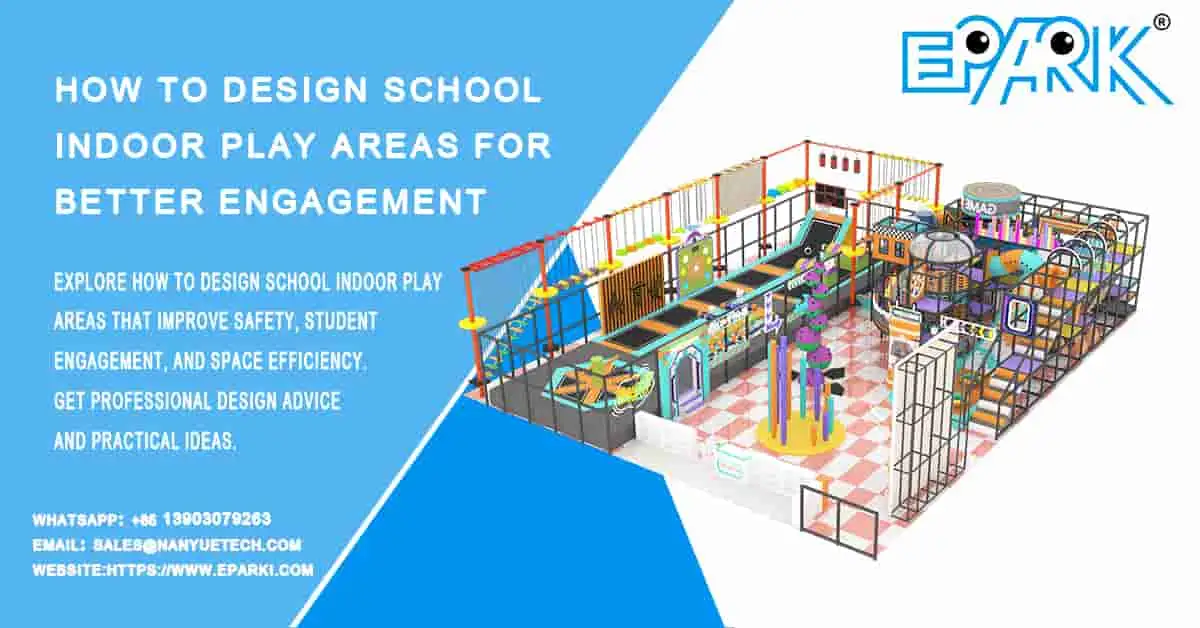
What Are School Indoor Play Areas?
School indoor play areas are purpose-built environments that support physical activity, sensory development, creativity, and social interaction—within a safe, climate-controlled space. These environments allow play to happen year-round, regardless of weather, and provide structured zones for movement and learning.
A complete indoor playground system may include:
-
Soft play climbing structures
-
Sensory walls and STEM activity panels
-
Slides, tunnels, ball pits, and obstacle areas
-
Role-play corners such as “mini market,” “kitchen,” or “doctor station”
-
Motion-activated interactive games
-
Safe flooring, protective padding, and anti-impact surfaces
These play areas are specifically engineered for schools, meaning they follow strict guidelines to ensure durability, hygiene, and high-frequency daily use. As a result, they support both physical development and academic learning through play-based exploration.
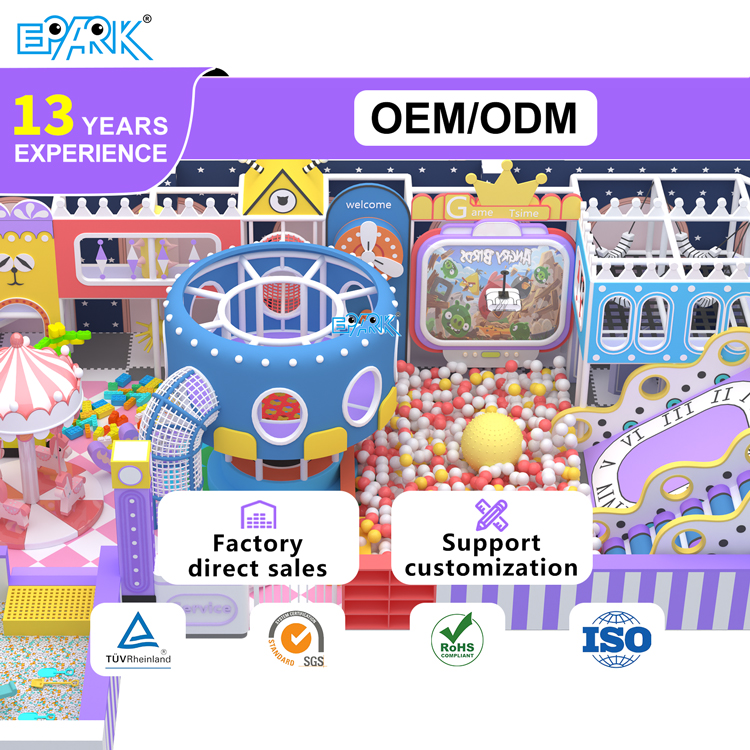
Where Can Schools Build Indoor Play Areas?
One of the biggest advantages of indoor play design is flexibility. Schools can build indoor play zones in new buildings or retrofit unused spaces to maximize real estate value.
Common Locations for Indoor Play Areas
Schools frequently create indoor playgrounds in:
-
Unused classrooms or activity rooms
Suitable for soft play areas, mini slides, and sensory corners. -
Multi-purpose halls or gymnasiums
Ideal for climbing nets, obstacle zones, and large play structures. -
Basements or underground rooms
Cost-effective use of unused space, especially with proper ventilation. -
Library annexes or STEM rooms
Perfect for blended educational-play zones. -
New extensions or enclosed rooftop spaces
Ideal for modern campuses needing added facilities.
Recommended Technical Requirements
| Parameter | Minimum Standard | Notes |
|---|---|---|
| Ceiling Height | 2.8–3.5 m | Higher recommended for climbing frames |
| Ventilation | 6–8 air changes/hour | Essential for enclosed soft play rooms |
| Light Level | 300–500 lux | Natural daylight preferred; LED lighting accepted |
| Floor Load Capacity | ≥ 400 kg/m² | Required for multi-level structures |
| Emergency Exits | 2 exits for >150 m² | Follows international building codes |
These design considerations ensure the space is both safe and functional for everyday school use.
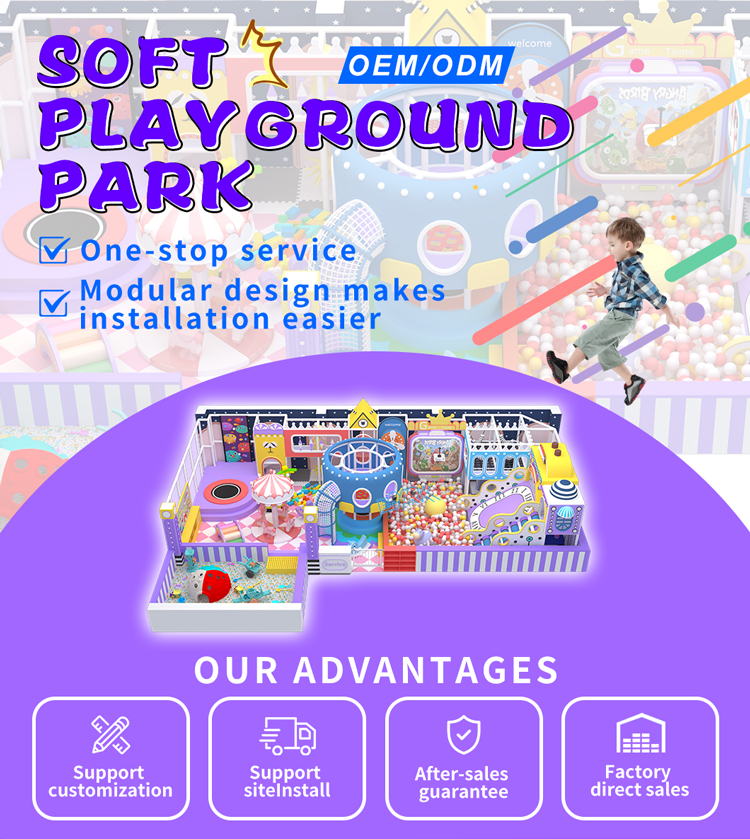
Benefits of Designing Indoor Play Areas in Schools
Indoor playgrounds are proven to support several developmental and operational goals within schools. They benefit students, educators, and the overall institution.
Developmental Benefits for Students
-
Motor skills & physical strength improve through climbing, sliding, balancing, and jumping.
-
Cognitive growth is stimulated through puzzles, sensory panels, and STEM-based play.
-
Creativity & imagination flourish in role-play areas and themed environments.
-
Social interaction enhances teamwork, communication skills, and emotional resilience.
-
Stress reduction supports overall mental wellness, especially in academic-heavy schools.
Operational Advantages for Schools
-
Adds modern value to campus facilities
-
Attracts new enrollments and improves parent satisfaction
-
Supports all-weather play to maintain routine physical activity
-
Enables after-school programs, clubs, and private activities
-
Provides a safer alternative to outdoor-only playgrounds
Well-designed indoor play areas quickly become key selling points during school tours and promotional campaigns.
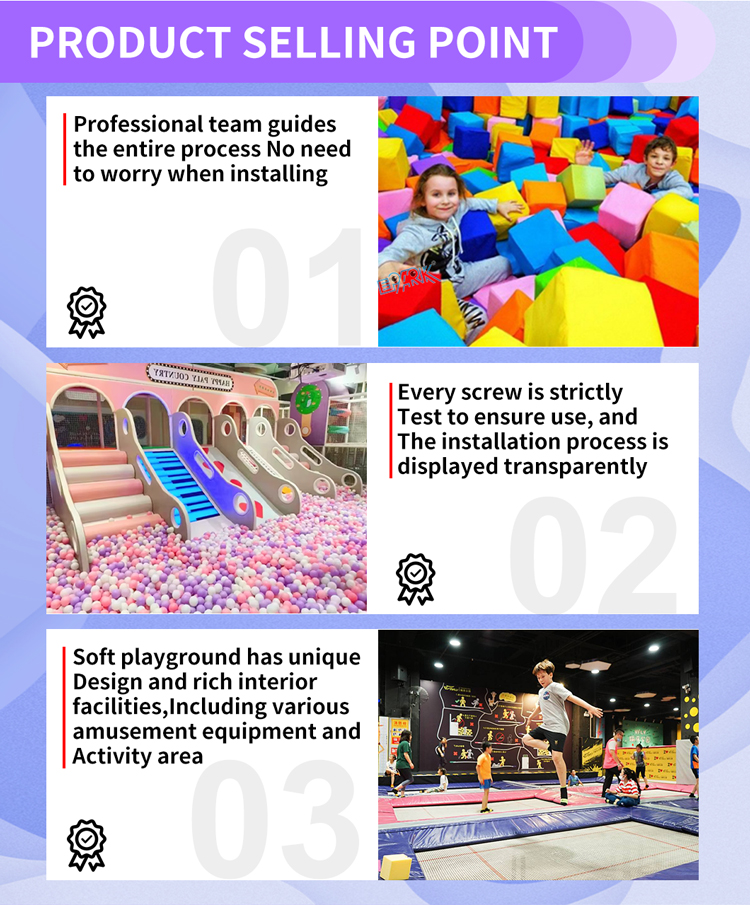
How to Design Indoor Play Areas for Schools
This section explains the complete planning workflow, integrating LSI concepts like indoor playground layout, school play equipment selection, and soft play design standards, ensuring your project meets professional expectations.
Step 1: Conduct a Complete Space Assessment
The first step in designing an indoor play area is evaluating the available space. This ensures the final plan fits building limitations and maximizes student safety.
During assessment, consider:
-
Physical dimensions of the room
-
Shape and layout (square, rectangular, irregular)
-
Existing elements such as columns, beams, ventilation ducts
-
Age group of the students
-
Fire safety requirements
-
Door locations and emergency exits
-
Noise control and acoustic needs
A proper assessment reduces design errors and ensures smoother installation later.
Step 2: Create Functional Play Zones
A professional indoor playground is designed using zoning principles. This ensures different types of play activities are grouped logically and safely.
Common Zoning Structure in Schools
| Zone Type | Purpose | Sample Equipment |
|---|---|---|
| Active Play Zone | Movement, coordination, energy release | Slides, soft climbing frames, trampolines |
| Adventure & Climbing Zone | Strength and gross motor skills | Rope nets, climbing walls, obstacle tracks |
| Sensory & Learning Zone | Cognitive and sensory development | STEM panels, puzzle boards, tactile walls |
| Quiet Zone | Recovery and emotional balance | Soft seating, reading corner, calming visuals |
| Teacher Supervision Route | Easy monitoring | Open sightlines, wide aisles |
Schools require high visibility for supervision, so designers must avoid blind corners or enclosed spaces that block staff views.
Step 3: Select Safe and Durable School Play Equipment
Equipment durability is especially important for schools due to daily high-traffic use. Choose equipment made from certified, non-toxic materials built for institutional environments.

Recommended Materials for Indoor Play Areas:
-
EPE/EVA soft play padding for impact absorption
-
Anti-rust galvanized steel frames for structural stability
-
Fire-retardant PVC and PU leather for coverings
-
Rubber or PU flooring for anti-slip and shock absorption
-
High-density foam for soft features and seating
Schools should prioritize materials that are easy to clean, antibacterial, and designed for long-term performance.
Step 4: Follow International Safety Standards
Safety is the foundation of indoor playground design. All equipment should comply with global safety standards for impact resistance, fall protection, and structural design.
Major Safety Standards
| Region | Standard | Purpose |
|---|---|---|
| Europe | EN1176 / EN1177 | Playground equipment & impact surfaces |
| USA | ASTM F1918 / F1292 | Soft-contained play equipment, head injury criteria |
| International | ISO 9001 / 14001 | Quality & environmental management |
| China | GB/T 27689 | Indoor playground safety standards |
Key Safety Requirements
-
Protective padding on all hard surfaces
-
No entrapment gaps for hands or feet
-
Certified non-toxic materials only
-
Proper fall-height calculation
-
Anti-slip flooring and rounded edges
-
Emergency lighting and signage
-
Daily inspection checklist for operators
For more detailed safety guidelines, see related resource:
Indoor Playground Safety Guide
Step 5: Include Educational, Sensory & Interactive Play Elements
Modern school playground design blends physical play with educational content. These elements transform the play area into an extension of the learning environment.
Popular Educational Play Features
-
Math and counting panels
-
Gear walls and magnet boards
-
Interactive digital projection games
-
Sensory texture boards and light tubes
-
Role-play houses such as “bakery,” “clinic,” or “market”
-
AR or motion-sensor learning stations
These features build fine motor skills, STEM interest, creativity, and communication abilities.
Step 6: Theming, Color Psychology & Lighting Design
A well-designed theme increases student engagement and makes the play area memorable. Schools often choose themes that align with their branding or educational philosophy.
Common School-Friendly Themes
-
Forest adventure
-
Ocean world
-
Space exploration
-
Cartoon town
-
Transportation city
-
Nature and animals
Lighting Best Practices
-
Use warm, non-glare LED lighting
-
Avoid overly saturated colors that cause irritation
-
Maintain uniform brightness across zones
-
Combine natural and artificial light when possible
Color and lighting greatly influence mood, learning, and energy levels.
Step 7: Final Layout Planning & 3D Visualization
Professional suppliers will provide:
-
2D playground layout using your floor plan
-
3D rendering with scale-accurate equipment
-
Virtual walkthrough previews
-
Detailed bill of materials
-
Installation schedule
-
Safety documentation and maintenance manuals
If you're ready to start planning, you can browse our indoor playground solutions here:
Indoor Playground Product Page
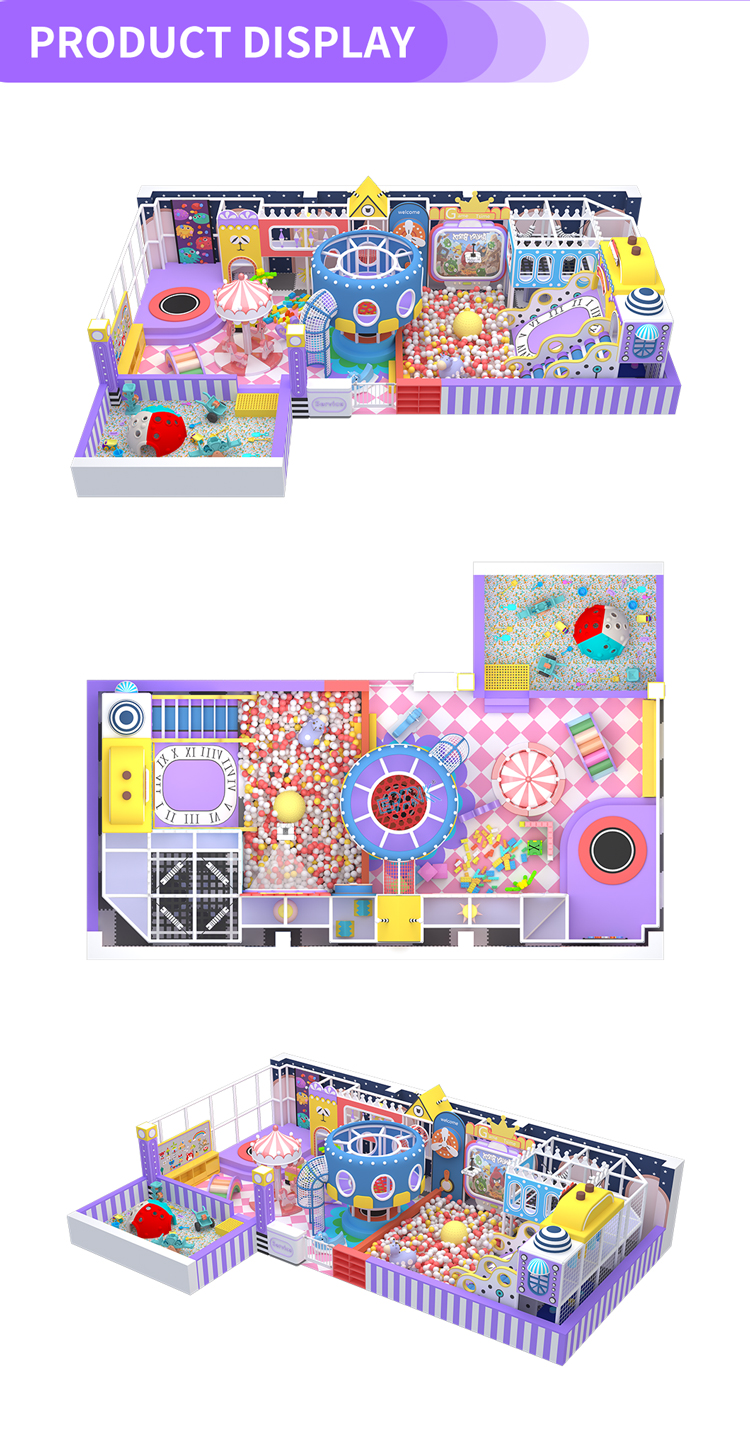
Our Complete Indoor Play Area Design Solutions
As a professional manufacturer specializing in indoor playgrounds and school play equipment, we offer full design-to-installation services.
Our Services Include:
-
Free customized 2D/3D design
-
Space analysis and playground layout planning
-
Equipment manufacturing
-
Global shipping, installation & after-sales
-
Age-appropriate zone planning
-
Safety compliance certification
Sample Design Solutions
-
Small soft play corners (20–50 m²)
-
Medium school playgrounds (50–150 m²)
-
Large multi-functional play areas (200–500 m²)
-
Kindergarten activity rooms
-
Primary school climbing adventure zones
Explore more of our design cases here:
Knowing how to design indoor play areas for schools helps B2B buyers create safe, educational, and highly functional environments. Proper planning includes space assessment, zoning, material selection, safety compliance, and thematic design. When executed professionally, an indoor playground becomes a long-term asset that enhances school reputation, student engagement, and learning outcomes.
By partnering with an experienced indoor playground manufacturer, schools can ensure their play area is durable, safe, and tailored to their educational goals.
Ready to build a safe and inspiring indoor play area for your school?
Send us your floor plan now
We’ll create a FREE custom 2D/3D design and provide a complete quotation within 24 hours.
Contact us today and start designing your school’s perfect indoor play environment!
General Disclaimer
All data on https://www.eparki.com is for general guidance only. As a leading indoor playground manufacturer and trampoline supplier, EPARK strives for accuracy but gives no express or implied warranty regarding completeness, performance or project fitness. Product specs, designs and results may vary with use and customer requirements. Buyers must verify technical details, compliance and suitability before purchase. EPARK OEM/ODM is not liable for any direct, indirect or consequential damages arising from site use. For custom solutions, contact our manufacturer and supplier team via the Contact page.
Intellectual Property
Text, images, videos, CAD files and software are Guangzhou EPARK Electronic Technology Co., Ltd. All rights reserved. No part may be copied, republished or used commercially without prior written permission. We will pursue legal action for copyright or design-patent infringement.
Trademarks
"EPARK", the EPARK logo and related graphics are registered trademarks of Guangzhou EPARK Electronic Technology Co., Ltd. Unauthorized use in ads, domain names or packaging is prohibited.
Governing Law
These terms are governed by the laws of the People's Republic of China.
Contact
Questions? Email sales@nanyuetech.com or WhatsApp +86 139 0307 9263.