Introduction
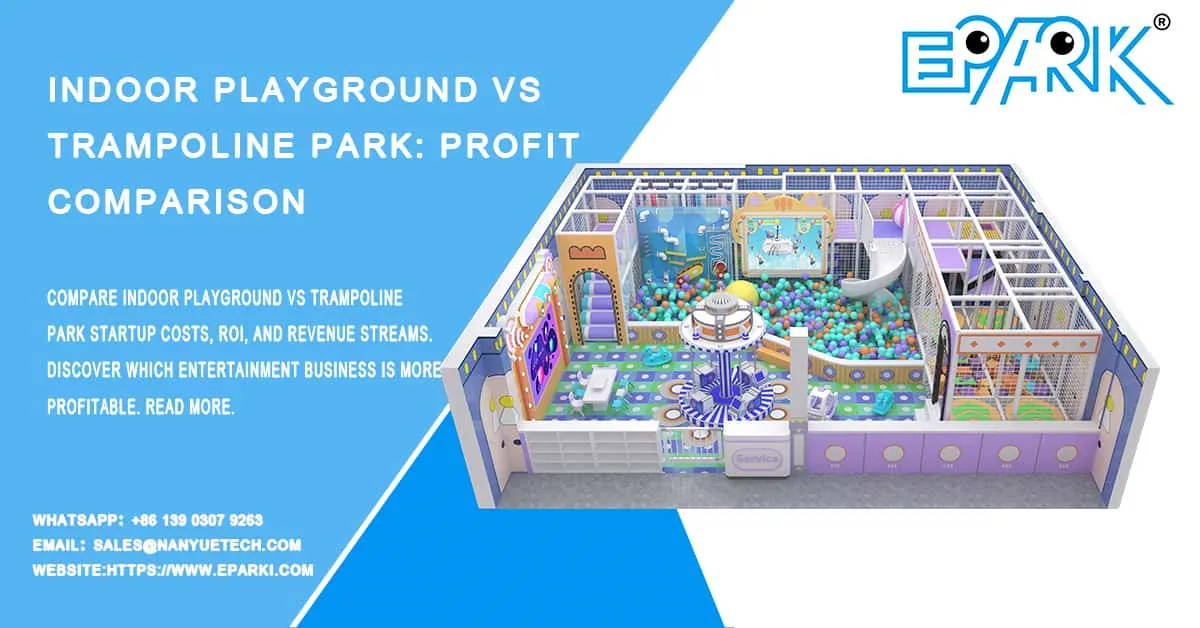
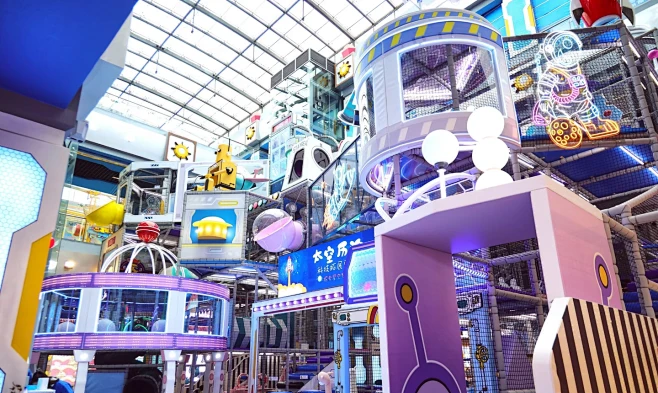
The indoor entertainment industry continues to grow as families look for safe and engaging activities for children. Two of the most popular attractions in modern family entertainment centers (FECs) are the indoor playground and the trampoline park. Both concepts provide exciting experiences for visitors while offering strong revenue potential for investors.
However, for B2B buyers such as distributors, commercial playground developers, and entertainment venue operators, choosing between an indoor playground vs trampoline park requires careful consideration. The decision affects startup costs, operational complexity, safety management, and long-term profitability.
Each concept serves a slightly different audience and requires different equipment. Indoor playgrounds focus on soft play structures, ball pits, and climbing activities for younger children, while trampoline parks emphasize high-energy jumping attractions and sports-style activities.
In this guide, we will compare indoor playgrounds and trampoline parks in terms of investment costs, operating expenses, revenue streams, and return on investment. By understanding these factors, investors can choose the most profitable model for their market.
What Is an Indoor Playground?
Definition and Core Features
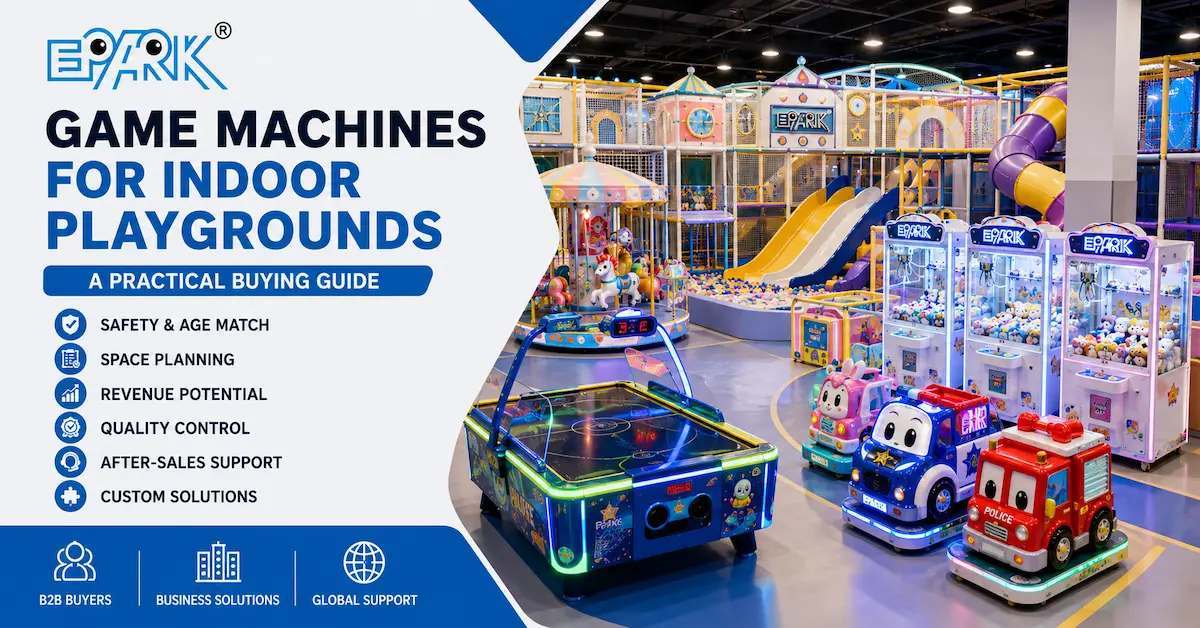
An indoor playground is a specially designed indoor play area where children can explore, climb, slide, and interact safely. Unlike outdoor playgrounds, these facilities operate year-round and are commonly located inside shopping malls, family entertainment centers, and commercial complexes.
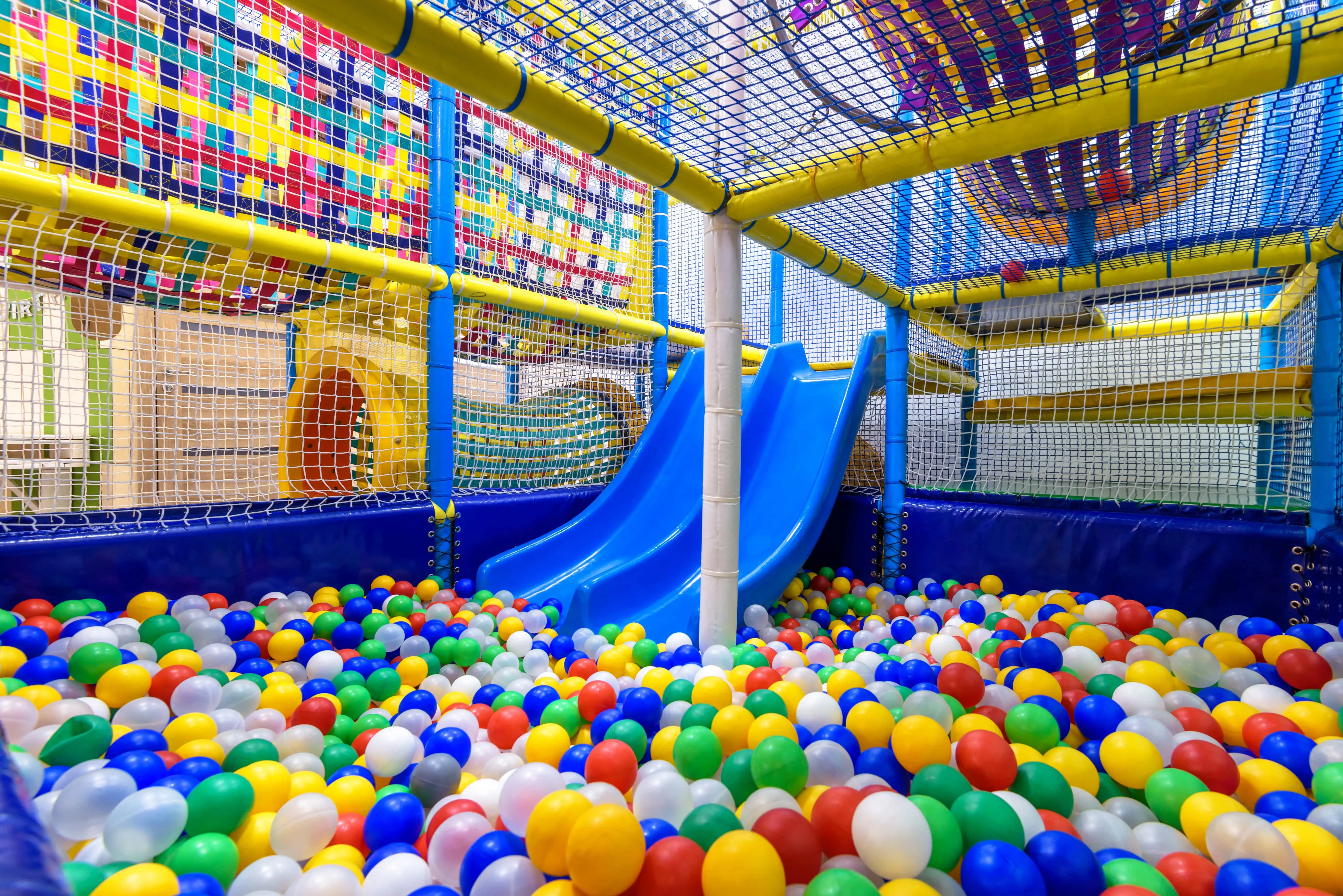
Typical commercial indoor playground equipment includes:
-
Multi-level soft play structures
-
Spiral slides and wave slides
-
Ball pits and foam pools
-
Rope bridges and tunnels
-
Climbing obstacles and ninja courses
-
Toddler play zones
Most indoor playground structures are built using galvanized steel frames, high-density foam padding, and PVC-coated materials. These materials help ensure durability while maintaining safety for young users.
For detailed product examples, you can explore our
Indoor Playground Equipment Collection
Target Customers
Indoor playgrounds mainly serve families with young children. The typical age range is 2 to 12 years old, although some play centers also include toddler areas for children under three.
The primary customer groups include:
-
Parents with young children
-
Preschool and daycare groups
-
Birthday party organizers
-
Weekend family visitors
-
School activity programs
One of the biggest advantages of an indoor playground business is high repeat visitation. Young children often want to return to their favorite play environment, which encourages parents to purchase membership packages or seasonal passes.
This repeat traffic can significantly increase long-term profitability for indoor play centers.
 What Is a Trampoline Park?
Definition and Core Features
A trampoline park is an indoor recreational facility built around interconnected trampoline systems. These venues focus on active entertainment and physical activities such as jumping, flipping, and sports games.
Typical trampoline park attractions include:
-
Free jump trampoline zones
-
Foam pit jumping areas
-
Trampoline dodgeball courts
-
Slam dunk basketball trampolines
-
Ninja warrior obstacle courses
-
Climbing walls and aerial activities
Compared with a traditional indoor playground, a trampoline park requires more complex engineering and installation. The trampoline systems are supported by heavy steel frames and tension springs designed to withstand constant jumping forces.
Many trampoline parks also integrate additional attractions to increase visitor engagement.
You can also explore our guide:
How to Evaluate a Reliable Indoor Playground Supplier in China
Target Customers
The customer demographics of a trampoline park are different from those of an indoor playground.
While indoor playgrounds mainly serve younger children, trampoline parks tend to attract:
-
Teenagers
-
Young adults
-
Fitness enthusiasts
-
School sports groups
-
Corporate team-building events
Because the activities are more physically demanding, trampoline parks typically implement strict safety guidelines and require participants to sign liability waivers before entering the jumping areas.
Startup Cost Comparison
Investment cost is one of the most important factors when comparing an indoor playground vs trampoline park.
The equipment design, installation process, and safety infrastructure can significantly affect the total startup budget.
Indoor Playground Investment Cost
Indoor playgrounds are generally considered moderate-investment entertainment businesses. The equipment is modular and easier to install compared with trampoline systems.
Typical investment ranges include:
| Playground Size | Estimated Investment |
|---|---|
| Small (100–200 m²) | $20,000 – $50,000 |
| Medium (200–500 m²) | $50,000 – $120,000 |
| Large (500–1000 m²+) | $120,000 – $300,000 |
Additional costs may include:
-
Venue renovation
-
Safety flooring installation
-
Lighting and decoration
-
Marketing setup
Because the equipment uses soft play technology, structural reinforcement is usually not required.
Trampoline Park Investment Cost
A trampoline park requires significantly higher capital investment. The trampoline systems must support repetitive impact forces, which requires stronger structures and specialized installation.
Typical startup costs are:
| Park Size | Estimated Investment |
|---|---|
| Small | $150,000 – $300,000 |
| Medium | $300,000 – $600,000 |
| Large | $600,000 – $1,000,000+ |
Additional expenses often include:
-
Reinforced flooring structures
-
Safety netting systems
-
Professional installation teams
-
Higher insurance coverage
For many investors, this makes trampoline parks a high-investment entertainment project.
Operating Costs and Maintenance
Beyond the initial investment, daily operations also affect profitability.
Indoor Playground Operating Costs
Indoor playground equipment is designed to be durable and relatively easy to maintain. Routine maintenance typically includes:
-
Equipment inspection
-
Cleaning and sanitization
-
Minor padding replacement
-
Staff supervision
Since the equipment contains fewer mechanical components, the maintenance cost remains relatively stable over time.
This stability helps indoor playground operators better predict operating expenses.
Trampoline Park Operating Costs
Trampoline parks require more frequent maintenance due to the stress placed on the jumping surfaces.
Common maintenance tasks include:
-
Trampoline mat replacement
-
Spring tension inspection
-
Frame and padding repair
-
Safety monitoring staff
Insurance premiums are also typically higher because trampoline activities involve greater injury risks compared to soft play areas.
 Revenue Streams Comparison
Successful entertainment venues usually rely on multiple revenue channels rather than ticket sales alone.
Indoor Playground Revenue Sources
Indoor playground businesses often generate income through:
| Revenue Source | Description |
|---|---|
| Admission tickets | Standard play sessions |
| Birthday party packages | Private party rooms and hosting services |
| Membership programs | Monthly or annual passes |
| Food and beverage | Snacks, drinks, and small meals |
| Merchandise | Toys and children’s products |
| Seasonal events | Holiday activities and themed events |
Birthday parties alone can contribute 30%–40% of total revenue in many indoor play centers.
Trampoline Park Revenue Sources
Trampoline parks typically generate revenue from:
| Revenue Source | Description |
|---|---|
| Jump session tickets | Timed trampoline access |
| Group bookings | School or sports teams |
| Fitness programs | Trampoline workout classes |
| Corporate events | Team-building activities |
| Competitive games | Dodgeball tournaments |
However, trampoline park revenue is often more dependent on weekend traffic.
Profitability Comparison
Why Indoor Playgrounds Are Often More Profitable
For many investors, indoor playgrounds provide a balanced combination of moderate investment and stable demand.
Key profitability advantages include:
-
Lower startup investment
-
Lower insurance costs
-
Strong family market demand
-
High repeat visitation
-
Profitable birthday party services
In many markets, indoor playground businesses can achieve ROI within 12–24 months.
When Trampoline Parks Generate Higher Revenue
A trampoline park can become highly profitable under the right conditions.
This usually happens when:
-
The venue exceeds 1000 m²
-
The location has strong youth demographics
-
Ticket prices are positioned at premium levels
-
Multiple attractions are integrated
In major cities, trampoline parks may generate higher ticket revenue per visitor, although the operational risk is also higher.
 Which Business Model Is Better for Your Market?
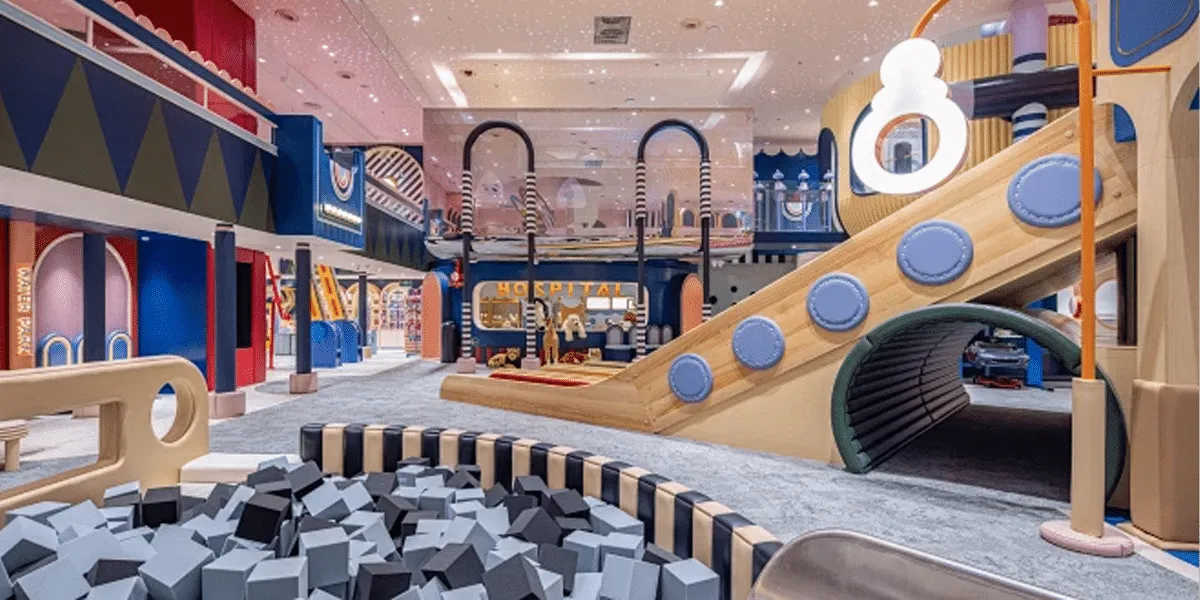
Choosing between an indoor playground vs trampoline park depends largely on your market conditions.
Choose an Indoor Playground If
-
Your target audience is families with young children
-
Your investment budget is limited
-
Your venue is located in a shopping mall
-
You prefer a faster return on investment
Indoor playgrounds are particularly popular in residential communities and shopping centers.
Choose a Trampoline Park If
-
You have a large venue space
-
Your market includes many teenagers and young adults
-
You can support higher startup investment
-
You want to build a large entertainment complex
Trampoline parks are commonly part of large family entertainment centers.
Conclusion
Both indoor playgrounds and trampoline parks offer exciting opportunities in the growing indoor entertainment industry. However, they differ significantly in terms of investment scale, maintenance requirements, and customer demographics.
For many investors, indoor playgrounds provide lower financial risk, consistent family traffic, and faster ROI. Trampoline parks can generate higher revenue potential but require larger investments and more complex operations.
Ultimately, the most profitable option depends on your budget, venue size, and local market demand.
Start Your Indoor Playground Business Today
If you are planning to build an indoor playground or family entertainment center, choosing the right equipment supplier is essential.
With over 14 years of manufacturing experience, we provide:
-
Custom indoor playground design
-
Commercial-grade soft play equipment
-
International safety standard compliance
-
Global shipping and installation support
Contact us today to get a free playground design and project quotation.
General Disclaimer
All data on https://www.eparki.com is for general guidance only. As a leading indoor playground manufacturer and trampoline supplier, EPARK strives for accuracy but gives no express or implied warranty regarding completeness, performance or project fitness. Product specs, designs and results may vary with use and customer requirements. Buyers must verify technical details, compliance and suitability before purchase. EPARK OEM/ODM is not liable for any direct, indirect or consequential damages arising from site use. For custom solutions, contact our manufacturer and supplier team via the Contact page.
Intellectual Property
Text, images, videos, CAD files and software are Guangzhou EPARK Electronic Technology Co., Ltd. All rights reserved. No part may be copied, republished or used commercially without prior written permission. We will pursue legal action for copyright or design-patent infringement.
Trademarks
"EPARK", the EPARK logo and related graphics are registered trademarks of Guangzhou EPARK Electronic Technology Co., Ltd. Unauthorized use in ads, domain names or packaging is prohibited.
Governing Law
These terms are governed by the laws of the People's Republic of China.
Contact
Questions? Email sales@nanyuetech.com or WhatsApp +86 139 0307 9263.