Introduction
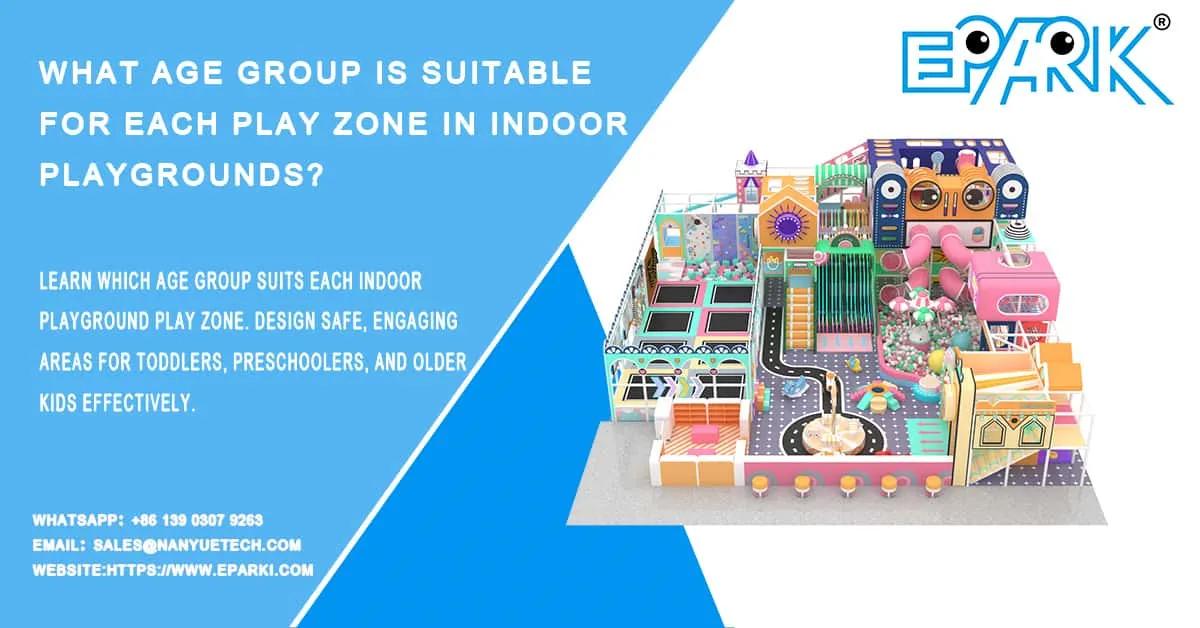
Indoor playgrounds have become a go-to destination for families seeking safe and engaging play experiences for children of all ages. For owners and operators of play centers, understanding which age group is suitable for each play zone is crucial for designing a space that is both safe and appealing. By segmenting your indoor playground into distinct age-appropriate play zones, you can maximize safety, increase engagement, and ensure that each child gets the most out of their visit.
In this article, we’ll explore the typical age groups for indoor playgrounds, describe the best features for each play zone, and provide practical design tips to help operators create a successful and well-organized play center.
Infant and Toddler Play Zone (Ages 0–3)
The infant and toddler play zone is the foundation of any indoor playground. At this age, children are learning basic motor skills, sensory awareness, and coordination. Therefore, the equipment and layout in this play zone must be highly safe and developmentally appropriate.
Key features for an infant and toddler play zone:
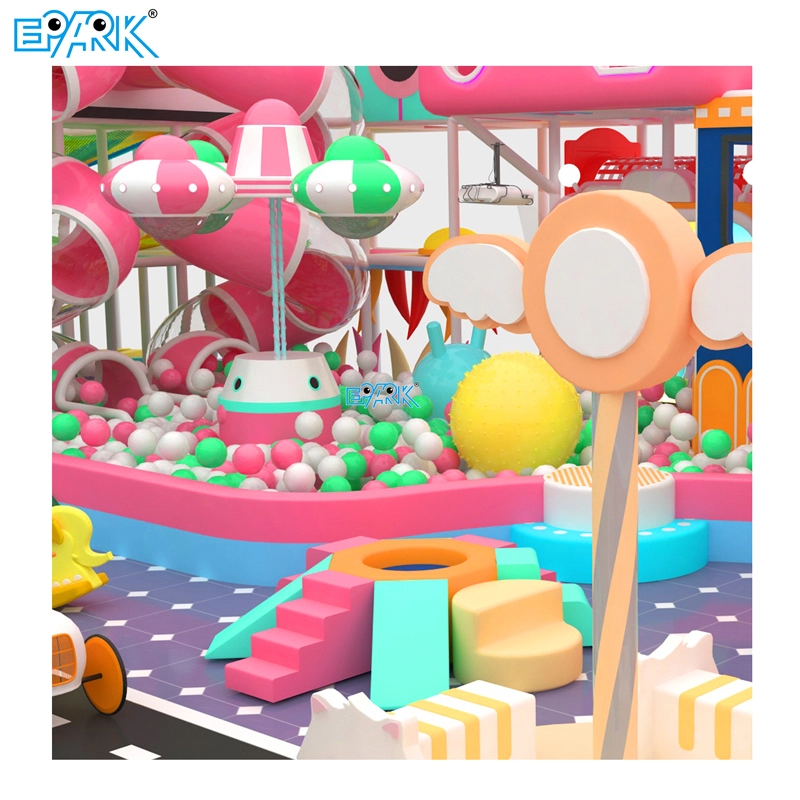
- Soft play area: Cushioned mats and foam shapes create a safe environment for crawling and exploring.
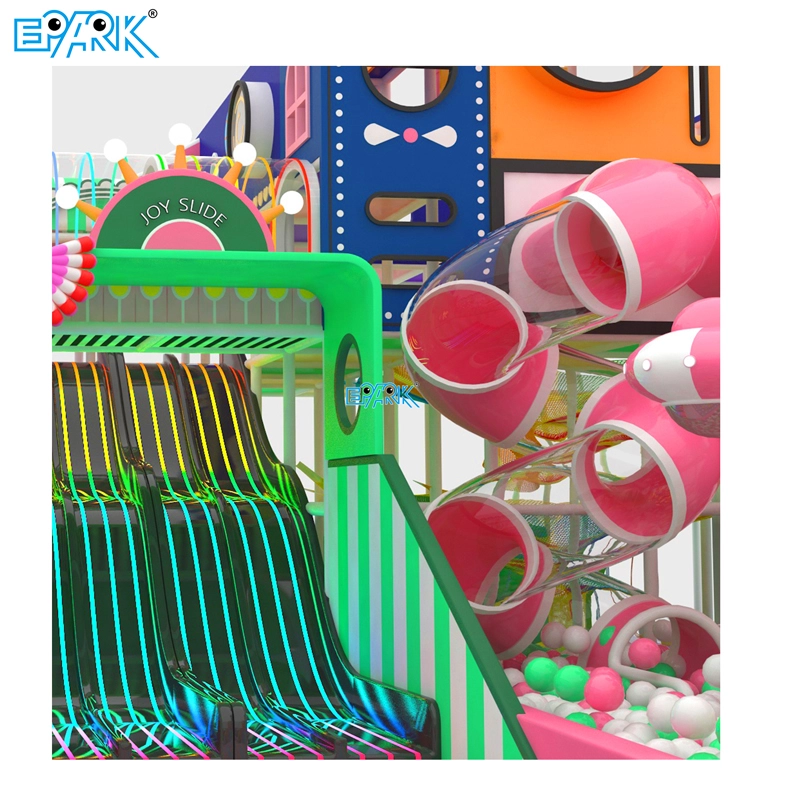
- Low slides / slides area: Gentle slides encourage climbing and sliding without the risk of injury.
- Mini ball pit: Shallow ball pits allow toddlers to develop hand-eye coordination and sensory skills.
- Small climbing structures: Age-appropriate climbing blocks and ramps support balance and motor skill development.
Design considerations:
- Use bright, contrasting colors to stimulate visual interest.
- Install secure barriers to prevent toddlers from wandering into older children’s areas.
- Include interactive toys such as sensory panels to encourage early learning.
A thoughtfully designed infant and toddler play zone not only ensures safety but also helps children gain confidence and develop early social skills.
 |
 |
Preschool Play Zone (Ages 3–5)
Preschool children are more independent and enjoy challenges that stimulate both their imagination and physical abilities. Their play zone should balance adventure with safety while introducing opportunities for social interaction.
Key features for a preschool play zone:
- Soft play area: Slightly larger foam structures allow for climbing, crawling, and imaginative play.
- Slides / slides area: Medium-sized slides, tunnels, and ramps offer moderate physical challenges.
- Obstacle course: Age-appropriate obstacle courses promote coordination, agility, and problem-solving.
- Ball pit: Deeper ball pits encourage cooperative play and develop spatial awareness.
Design considerations:
- Incorporate themed play elements such as castles, animal worlds, or space zones to spark imagination.
- Ensure clear signage to separate the preschool play zone from both toddler and older children areas.
- Include interactive panels and simple puzzles to promote cognitive development alongside physical activity.
A well-planned preschool play zone ensures children are both physically active and mentally stimulated, preparing them for more complex activities in other play zones.
School-Age Play Zone (Ages 6–12)
For school-age children, the play zone should provide opportunities for more challenging physical activity while fostering creativity and teamwork. This age group benefits from structures that encourage climbing, balancing, and strategic thinking.
Key features for a school-age play zone:
- Climbing structures: Multi-level climbing towers, rope ladders, and bridges promote strength and coordination.
- Slides / slides area: Larger slides, including spiral and tube slides, provide excitement and encourage repeated play.
- Obstacle course: Complex obstacle courses allow children to test agility, endurance, and problem-solving skills.
- Interactive zones: Games, puzzles, and activity panels can enhance engagement and encourage group interaction.
Design considerations:
- Maintain visibility so staff can supervise children effectively.
- Design high-energy and low-energy areas separately to accommodate different activity preferences.
- Use bright colors and themed designs to make the play zone visually appealing and memorable.
School-age children benefit from well-structured play zones that challenge them physically and socially while ensuring safety remains a top priority.
 Multi-Age Play Zones
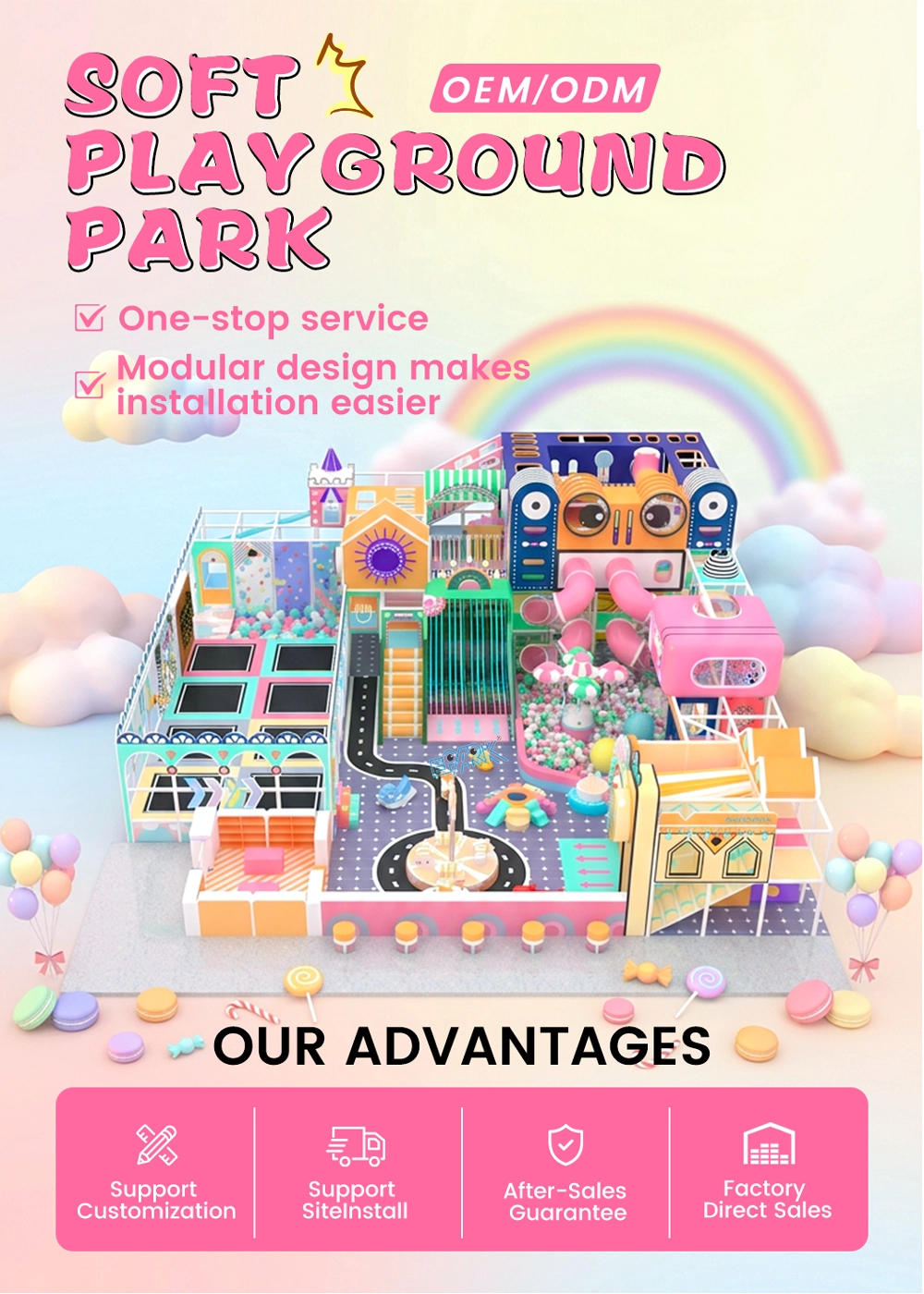
Many successful indoor playgrounds combine multiple play zones into a single, cohesive space. A multi-age play zone allows families with children of different ages to enjoy the playground together while maintaining safety and organization.
Tips for combining play zones:
- Clearly define boundaries: Use partitions, signage, or thematic design to separate age groups.
- Flow of movement: Ensure smooth traffic between play zones to prevent congestion.
- Visual supervision: Plan layouts so staff and parents can monitor children in all areas.
- Flexible structures: Modular equipment can be adapted as children grow or new play zones are added.
Examples of multi-age features:
- A soft play area for toddlers adjacent to a preschool climbing structure.
- A medium slide connecting the preschool and school-age play zones for supervised fun.
- An obstacle course that has variations for different age levels within the same play zone.
Multi-age play zones encourage family visits and longer stays, increasing satisfaction and repeat visits.
Specialty Play Zones
Beyond the standard age-segmented areas, specialty play zones can enhance the appeal of an indoor playground. These zones provide unique experiences and encourage creativity and exploration.
Examples of specialty play zones:
- Interactive learning zones: Digital panels or STEM-based activities for cognitive growth.
- Themed adventure zones: Pirate ships, space rockets, or jungle gyms that stimulate imagination.
- Climbing and agility zones: Advanced climbing walls or rope courses suitable for older children.
- Creative arts zones: Areas with drawing, building, or role-play activities.
Specialty play zones differentiate your indoor playground from competitors and offer unique experiences that attract a wider age range.
Safety and Maintenance in Play Zones
Safety is the top priority in all play zones. Proper maintenance and supervision ensure children have a positive and injury-free experience.
Safety best practices:
- Conduct daily inspections of climbing structures, slides, and soft play areas.
- Clean ball pits and foam surfaces regularly to prevent germ transmission.
- Ensure age-appropriate signage is visible in each play zone.
- Train staff to supervise all play zones effectively, including high-energy areas.
A safe and well-maintained indoor playground builds trust with parents and encourages repeat visits, driving revenue and customer loyalty.
 Conclusion
Understanding what age group is suitable for each play zone is essential for designing a successful indoor playground. By dividing the playground into age-appropriate play zones—such as infant/toddler, preschool, and school-age areas—you create a safe, engaging, and educational environment for children.
Incorporating elements like soft play areas, slides, climbing structures, ball pits, and obstacle courses ensures that each play zone supports physical, cognitive, and social development. Additionally, combining multi-age and specialty play zones can make your play center stand out and attract families with children of all ages.
Investing in thoughtful play zone design and maintenance is key to creating a memorable indoor playground experience that encourages repeat visits and fosters long-term growth for your business.
General Disclaimer
All data on https://www.eparki.com is for general guidance only. As a leading indoor playground manufacturer and trampoline supplier, EPARK strives for accuracy but gives no express or implied warranty regarding completeness, performance or project fitness. Product specs, designs and results may vary with use and customer requirements. Buyers must verify technical details, compliance and suitability before purchase. EPARK OEM/ODM is not liable for any direct, indirect or consequential damages arising from site use. For custom solutions, contact our manufacturer and supplier team via the Contact page.
Intellectual Property
Text, images, videos, CAD files and software are Guangzhou EPARK Electronic Technology Co., Ltd. All rights reserved. No part may be copied, republished or used commercially without prior written permission. We will pursue legal action for copyright or design-patent infringement.
Trademarks
"EPARK", the EPARK logo and related graphics are registered trademarks of Guangzhou EPARK Electronic Technology Co., Ltd. Unauthorized use in ads, domain names or packaging is prohibited.
Governing Law
These terms are governed by the laws of the People's Republic of China.
Contact
Questions? Email sales@nanyuetech.com or WhatsApp +86 139 0307 9263.