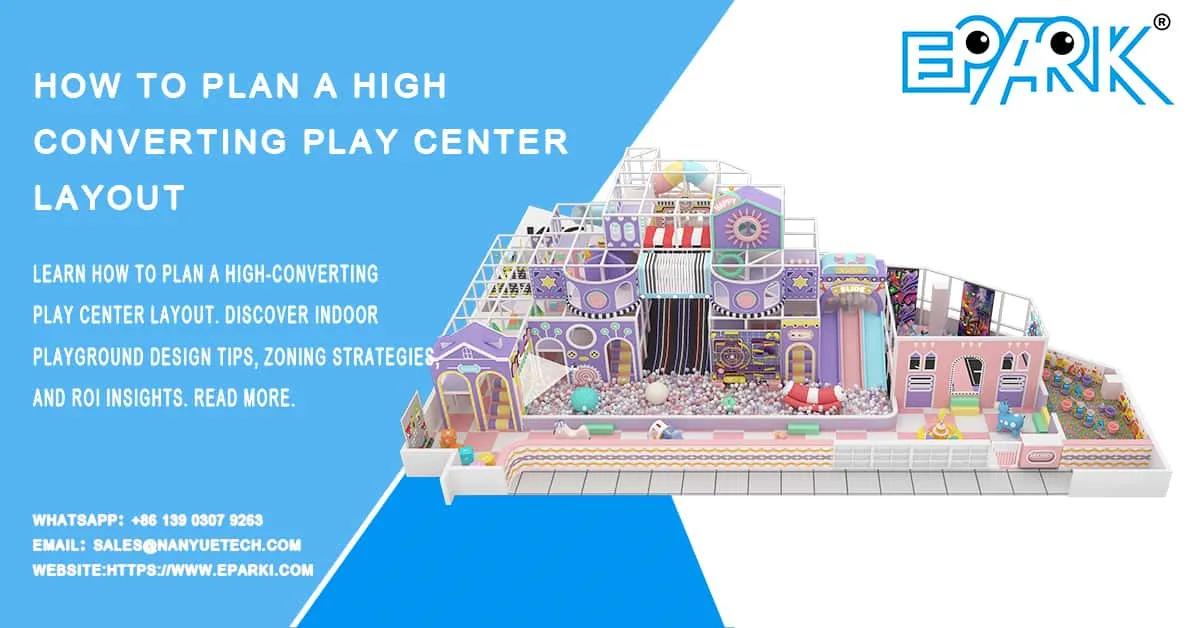
Introduction
Planning a successful play center is not just about choosing attractive equipment—it’s about designing a layout that drives customer behavior and maximizes revenue. For B2B buyers and investors, layout design plays a critical role in determining how efficiently an indoor playground operates.
Many operators focus heavily on equipment investment but overlook how layout impacts visitor flow, dwell time, and spending. In reality, a well-structured layout can increase revenue per square meter by 20–40% without expanding the space.
In this guide, we will explore how to design a high-converting play center layout, avoid common mistakes, and build a profitable indoor playground with long-term ROI.
What Is a High-Converting Play Center Layout?
Definition and Key Objectives
A high-converting layout in a play center refers to a design that maximizes both user engagement and business performance. Instead of focusing only on visual appeal, it aligns with measurable goals such as:
- Increasing customer dwell time
- Improving repeat visits
- Boosting revenue per visitor
- Enhancing operational efficiency
For example, placing key attractions deeper inside an indoor playground encourages customers to explore more zones, increasing interaction and spending.
Why Layout Matters More Than You Think
Layout design directly influences how customers move and behave. A poorly designed indoor playground can lead to congestion, confusion, and underutilized space.
In contrast, a strategic layout guides visitors naturally, ensuring they engage with multiple areas. This not only improves user experience but also increases overall profitability.
Learn more about optimizing space in our guide:
Playground for Adults: Cost, Design & ROI Guide
Core Principles of High-Converting Layout Design
Zoning Strategy (Age & Activity Segmentation)
Zoning is essential for both safety and experience in a play center. Dividing the indoor playground into clear sections allows each user group to enjoy age-appropriate activities.
Typical zones include:
- Toddler zone (soft play, low structures)
- Kids zone (slides, interactive games)
- Adventure zone (climbing, ninja courses)
- Arcade zone (games and redemption machines)
- Party rooms (events and birthdays)
Proper zoning improves safety, reduces conflict between age groups, and enhances customer satisfaction.
Traffic Flow Optimization
Traffic flow determines how efficiently customers move through your indoor playground. A well-planned flow increases exposure to all zones and reduces congestion.
Best practices include:
- Clear pathways from entrance to exit
- Avoiding dead-end areas
- Placing high-value attractions deeper inside
- Ensuring smooth transitions between zones
| Factor | Poor Layout Result | Optimized Layout Benefit |
|---|---|---|
| Pathways | Congestion | Smooth movement |
| Equipment layout | Confusion | Guided experience |
| Space usage | Dead zones | Higher revenue efficiency |
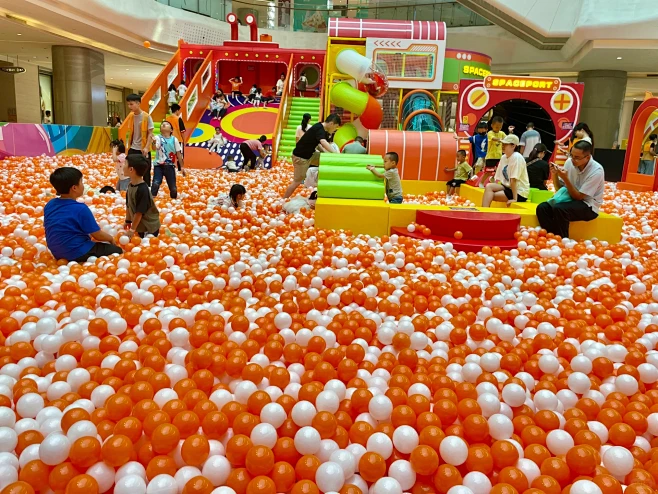 Visibility & Safety Design
Safety is a critical factor in any play center layout. Parents must feel confident, and staff must monitor all areas easily.
Key strategies:
- Maintain open sightlines across play areas
- Place seating zones with clear visibility
- Install staff stations at key points
Compliance with international standards such as ASTM F1918 and EN 1176 ensures safety and builds trust with customers.
Space Utilization Efficiency
Efficient space usage is key to maximizing ROI in an indoor playground. Every square meter should contribute to either play value or revenue.
Key methods:
- Use multi-level play structures
- Combine entertainment and revenue zones
- Avoid overcrowding while maintaining capacity
Explore equipment options here:
Commercial Indoor Playground Equipment Solutions
Key Layout Zones That Drive Revenue
Entrance & First Impression Area
The entrance is where conversion begins. A well-designed entry area creates a strong first impression and improves customer decision-making.
Important elements include:
- Clear signage and branding
- Efficient ticketing system
- Promotional displays (membership, packages)
A strong entrance can significantly increase walk-in conversion rates.
Core Play Area (Main Attraction Zone)
This is the centerpiece of your play center. It should feature the most visually appealing and engaging equipment.
A well-designed core area:
- Encourages longer playtime
- Attracts repeat visits
- Serves as a visual focal point
High-Profit Zones
Revenue-generating areas are essential for profitability. These include:
- Arcade and redemption games
- Food and beverage counters
- Retail merchandise areas
These zones should be placed along high-traffic paths to maximize exposure and spending.
Party & Event Rooms
Party rooms are one of the most profitable areas in an indoor playground. They offer high margins and recurring bookings.
Best practices:
- Easy access from main play area
- Private and comfortable environment
- Efficient turnover between sessions
Well-managed event spaces can contribute up to 30% of total revenue.
 Common Layout Mistakes That Reduce Conversions
Poor Zoning
Mixing age groups creates safety risks and reduces user satisfaction. Clear segmentation is essential.
Inefficient Traffic Flow
Congested or confusing layouts frustrate visitors and shorten playtime, reducing revenue potential.
Ignoring Parent Experience
Parents control spending decisions. Lack of seating, poor visibility, or discomfort reduces repeat visits.
Underutilized Space
Unused areas represent lost revenue. Every section of your play center should serve a purpose.
Step-by-Step Guide to Planning Your Layout
Step 1 – Define Your Target Market
Identify your audience:
- Age group
- Spending power
- Local demand
This determines your layout and equipment mix.
Step 2 – Analyze Your Space
Evaluate:
- Total area
- Ceiling height
- Structural limitations
Higher ceilings allow more creative indoor playground designs.
Step 3 – Create Functional Zones
Allocate space strategically:
| Zone Type | Suggested Allocation |
|---|---|
| Play Area | 50–60% |
| Arcade/Retail | 15–20% |
| Party Rooms | 10–15% |
| Circulation | 10–15% |
Step 4 – Select the Right Equipment Mix
Balance between:
- Attraction equipment (slides, climbing)
- Revenue equipment (arcades, games)
Avoid over-investing in low-return installations.
Step 5 – Use 3D Design & Simulation
Professional 3D design helps visualize your play center layout before construction.
Benefits include:
- Better space planning
- Reduced design errors
- Improved ROI forecasting
See examples here:
Playground Design Service page for examples
 Data-Driven Layout Optimization
Revenue per Square Meter
Tracking performance helps optimize your indoor playground. High-performing centers typically achieve:
- $300–$800 per m² annually
Customer Behavior Tracking
Use analytics tools to monitor:
- Movement patterns
- Popular zones
- Congestion areas
This helps refine your layout over time.
Continuous Improvement
A successful play center evolves over time. Adjust layout based on real data:
- Replace underperforming equipment
- Expand popular zones
- Improve traffic flow
Conclusion
A high-converting play center layout is a strategic investment that directly impacts revenue and customer satisfaction. From zoning and traffic flow to safety and space utilization, every design decision plays a role in business success.
By avoiding common mistakes and applying data-driven strategies, you can build an indoor playground that delivers strong ROI and long-term growth.
Call-to-Action
Ready to build a profitable play center with a high-converting layout?
Contact us today for a customized 3D design, professional planning support, and a complete indoor playground solution tailored to your project.
Or explore more insights:
General Disclaimer
All data on https://www.eparki.com is for general guidance only. As a leading indoor playground manufacturer and trampoline supplier, EPARK strives for accuracy but gives no express or implied warranty regarding completeness, performance or project fitness. Product specs, designs and results may vary with use and customer requirements. Buyers must verify technical details, compliance and suitability before purchase. EPARK OEM/ODM is not liable for any direct, indirect or consequential damages arising from site use. For custom solutions, contact our manufacturer and supplier team via the Contact page.
Intellectual Property
Text, images, videos, CAD files and software are Guangzhou EPARK Electronic Technology Co., Ltd. All rights reserved. No part may be copied, republished or used commercially without prior written permission. We will pursue legal action for copyright or design-patent infringement.
Trademarks
"EPARK", the EPARK logo and related graphics are registered trademarks of Guangzhou EPARK Electronic Technology Co., Ltd. Unauthorized use in ads, domain names or packaging is prohibited.
Governing Law
These terms are governed by the laws of the People's Republic of China.
Contact
Questions? Email sales@nanyuetech.com or WhatsApp +86 139 0307 9263.