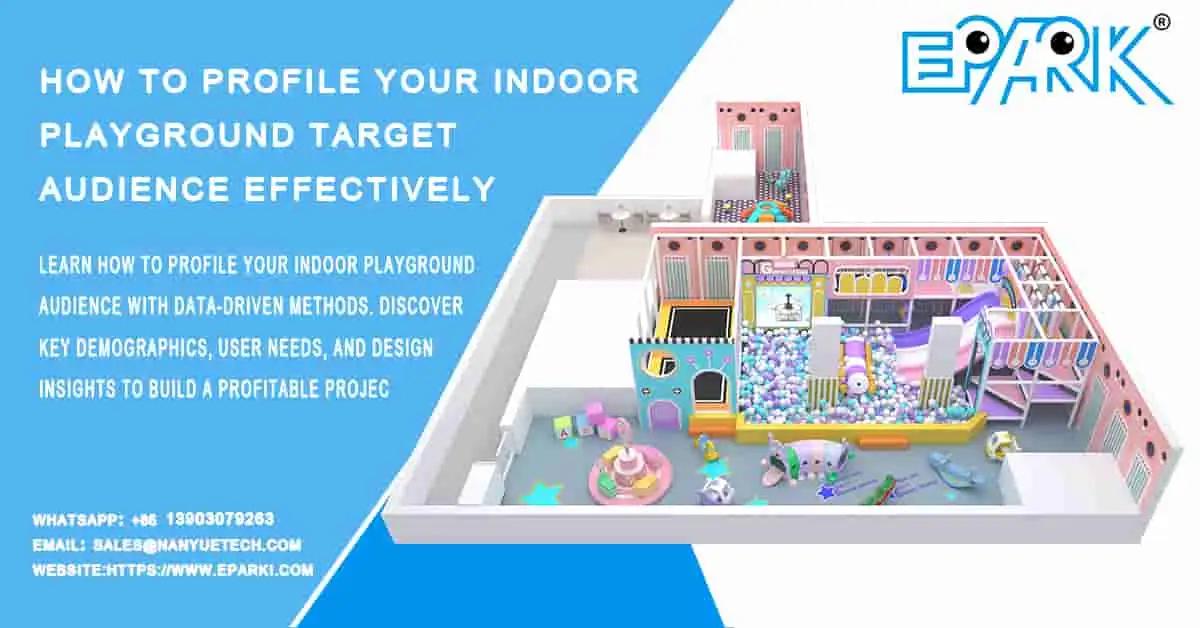
How to Profile Your Indoor Playground Target Audience: A Complete B2B Guide
Introduction
Understanding your indoor playground target audience is a crucial first step for investors, franchise operators, shopping mall owners, and developers. When you know exactly who your users are, you can choose the right indoor play equipment, determine an effective pricing model, and build a profitable business with lower risks.
In today’s growing family entertainment market, many playgrounds fail not because of design, but because they don’t match the needs of local families. This guide explains how to build a data-driven audience profile that supports better decisions and maximizes long-term ROI.
What Is Target Audience Profiling for Indoor Playgrounds?
Definition and Purpose
Target audience profiling helps you identify the specific customer groups your indoor playground aims to attract. It includes analyzing children’s age range, family demographics, lifestyle, and purchasing behavior.
For B2B buyers, profiling ensures your investment aligns with real market demand and helps you avoid over-spending on unnecessary or unsuitable indoor play equipment.
Why It Matters for Investors
A clear audience profile helps you:
-
Select age-appropriate equipment that meets ASTM and EN safety standards
-
Improve layout planning and reduce low-usage zones
-
Strengthen marketing accuracy and reduce advertising waste
-
Build features that meet regional cultural or educational expectations
This directly leads to higher customer satisfaction and improved profitability.
Key Factors to Consider When Profiling Your Indoor Playground Target Audience
Age Groups and Development Needs
Age range is the most important factor in indoor playground planning. Each group has different abilities and risk-tolerance levels.
| Age Group | Key Needs | Ideal Equipment | Business Notes |
|---|---|---|---|
| 1–3 yrs | Motor skills, safety | Soft play blocks, crawl tunnels | Requires supervision & restricted zones |
| 3–6 yrs | Exploration, imagination | Slides, ball pits, mini climbing | High demand for themed indoor playground |
| 6–12 yrs | Challenge, speed | Rope courses, obstacle trails | Excellent for repeat visits & memberships |
| 12+ yrs | Social play, fitness | Ninja course, sports court | Higher ticket price potential |
Age profiling ensures your play area meets local safety standards (ASTM F1918, EN1176, CPSIA) and supports user development.
Demographics and Family Structure
Demographics reveal who your real customers are. Important indicators include:
-
Household income
-
Number of children
-
Local school population
-
Urban vs. suburban living
-
Cultural preferences
For example, a community with many young families will respond well to a soft play center, while a tourist zone benefits more from adventure-based indoor playground attractions.
Location & Foot Traffic Behavior
Your location determines your dominant audience segment.
-
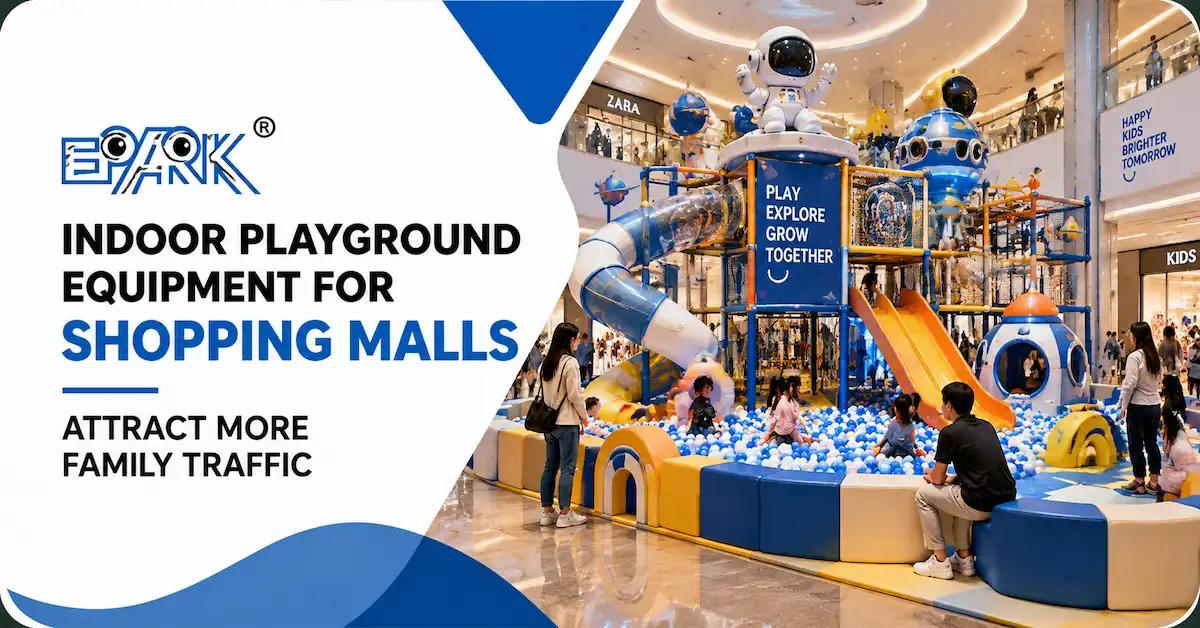
Shopping malls: Mixed-age visitors, strong weekend traffic
-
Residential communities: Frequent toddler visitors and stay-at-home parents
-
Tourist zones: Short-stay, high-volume customers
-
Education districts: Strong demand for STEM and themed play
You can analyze traffic using mall management reports, local government data, or digital heat-map tools.
Psychographics & Lifestyle
Psychographics help you understand why families choose an indoor playground. Consider:
-
Parents who value educational play (STEAM, Montessori)
-
Active families looking for sports or ninja challenges
-
Families seeking safe, hygienic, comfortable environments
-
Kids who prefer digital or interactive attractions
When your playground matches lifestyle needs, customer loyalty increases naturally.
Purchasing Behaviors & Playtime Patterns
Understanding how families spend helps refine your pricing strategy. Analyze:
-
Peak and off-peak times
-
Average stay time
-
Birthday party demand
-
Event bookings (schools, clubs)
-
Conversion rates from trial visits
This data supports better capacity planning and higher revenue per square meter.
How to Identify and Validate Your Indoor Playground Customer Segments
Use Market Research Tools
Collect data from:
-
Online parent surveys
-
Local Facebook parent groups
-
Google Trends (“kids playground,” “soft play,” “family entertainment”)
-
Competitor reviews
Reliable data ensures more accurate decisions.
Study Competitor Playgrounds
Visit other indoor playgrounds in your region and observe:
-
Which age groups dominate
-
Which play areas are busiest
-
How they price birthday parties
-
Customer flow and engagement
-
Gaps in their offer (STEAM zones, toddler areas, party rooms)
Competitor research helps you differentiate your attraction and avoid oversaturated segments.
On-Site Observations
Spend time watching how kids interact with equipment:
-
Which attractions get skipped
-
Which zones get crowded
-
How parents supervise
-
Safety pain points (slippery areas, bottlenecks)
Real-world observations often reveal insights that data alone cannot.
Build Customer Personas
Creating personas helps visualize your core audience:
1. Safety-Focused Parent (Toddler Segment)
Cares about hygiene, padding, gated areas, and educational elements.
2. Adventure-Seeking Child (Ages 6–12)
Prefers rope courses, racing slides, and exciting activities.
3. Teen Social Group (Ages 12+)
Looks for fitness-based play such as trampolines, ninja courses, and VR.
These personas guide equipment selection, marketing, and pricing.
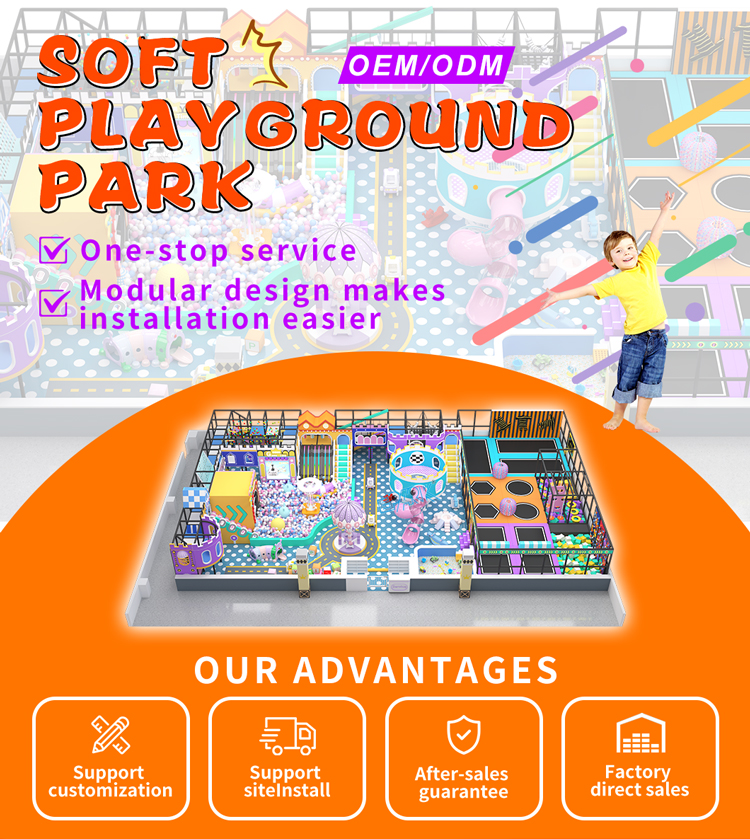
Turning Audience Insights into Indoor Playground Design Decisions
Select the Right Theme & Equipment
Match your indoor playground concept to the audience:
-
Toddlers: Soft play town, pastel colors
-
Kids: Jungle, ocean, candy, space
-
Teens: Sports arena, ninja warrior course, VR zone
More themed ideas:
Explore our theme gallery: indoor-playground-themes
Design Functional Zones for Each Group
A well-organized indoor playground improves safety and customer satisfaction:
-
Toddler Zone: Soft flooring, sensory panels
-
Kids Zone: Ball pools, role-play houses
-
Adventure Zone: Rope courses, climbing walls
-
Sports Zone: Trampolines, air-track, dodgeball
-
Parent Lounge: Coffee seating, charging ports, visibility windows
Zone planning reduces conflict and supports smooth traffic flow.
Adjust Marketing & Pricing Based on Audience
Your target audience should shape your promotions:
-
Young families → weekday specials, member cards
-
School-age kids → after-school passes
-
Teens → weekend competitions and social events
-
Tourist areas → single-day, high-turnover pricing
For more pricing strategies:
Read: How to Build a Profitable Indoor Playground
Conclusion
Profiling your indoor playground target audience helps you design smarter, minimize risk, and invest where it matters most. By understanding age groups, demographics, lifestyle preferences, and purchasing patterns, you can build a soft play center or family entertainment space that attracts consistent traffic and generates stable returns.
Whether you are planning a new project or upgrading an existing facility, audience-driven planning is the foundation of a profitable indoor playground.
Ready to design an indoor playground that perfectly matches your target audience?
Contact us today for free consultation, custom 3D design, and professional indoor play equipment solutions.
General Disclaimer
All data on https://www.eparki.com is for general guidance only. As a leading indoor playground manufacturer and trampoline supplier, EPARK strives for accuracy but gives no express or implied warranty regarding completeness, performance or project fitness. Product specs, designs and results may vary with use and customer requirements. Buyers must verify technical details, compliance and suitability before purchase. EPARK OEM/ODM is not liable for any direct, indirect or consequential damages arising from site use. For custom solutions, contact our manufacturer and supplier team via the Contact page.
Intellectual Property
Text, images, videos, CAD files and software are Guangzhou EPARK Electronic Technology Co., Ltd. All rights reserved. No part may be copied, republished or used commercially without prior written permission. We will pursue legal action for copyright or design-patent infringement.
Trademarks
"EPARK", the EPARK logo and related graphics are registered trademarks of Guangzhou EPARK Electronic Technology Co., Ltd. Unauthorized use in ads, domain names or packaging is prohibited.
Governing Law
These terms are governed by the laws of the People's Republic of China.
Contact
Questions? Email sales@nanyuetech.com or WhatsApp +86 139 0307 9263.