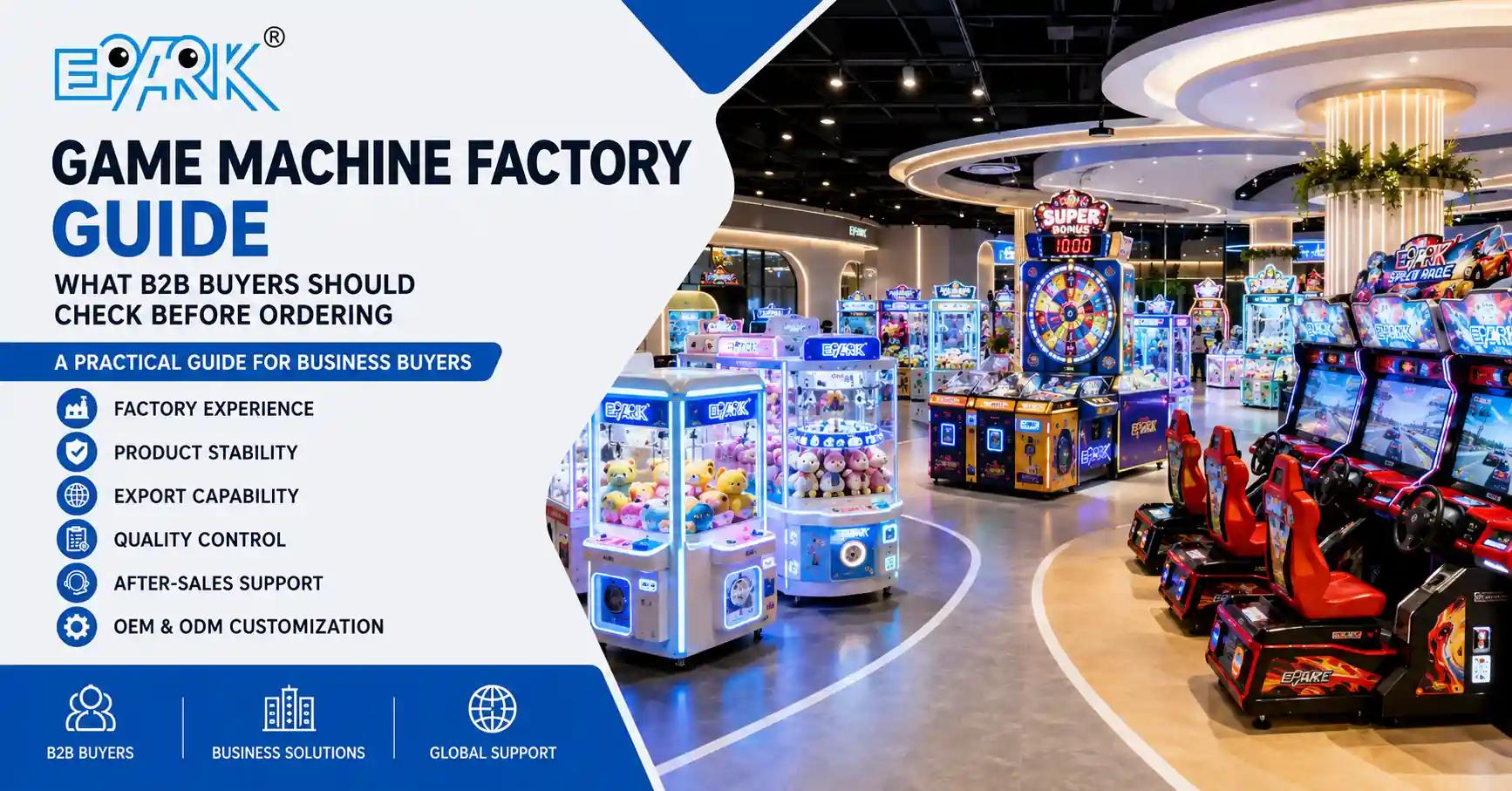
Choosing a reliable game machine factory is a critical decision for B2B buyers planning arcade centers, family entertainment centers, shopping mall game zones, indoor playground add-ons, hotels, resorts, and amusement projects. A game machine is not just a product. It is commercial equipment that affects customer experience, daily revenue, maintenance cost, and long-term return on investment.
Before placing an order, buyers should check more than price. A low quotation may look attractive, but weak materials, unstable components, poor packaging, no spare parts, and unclear warranty terms can create serious problems after delivery.
This guide explains what B2B buyers should check before ordering from a game machine factory, helping importers, distributors, FEC operators, and project investors reduce sourcing risk and choose a factory that can support long-term cooperation.
If you are comparing machines for a commercial project, you can first explore EPARK’s amusement equipment catalog to review game machines, arcade equipment, indoor playground equipment, and FEC solutions.
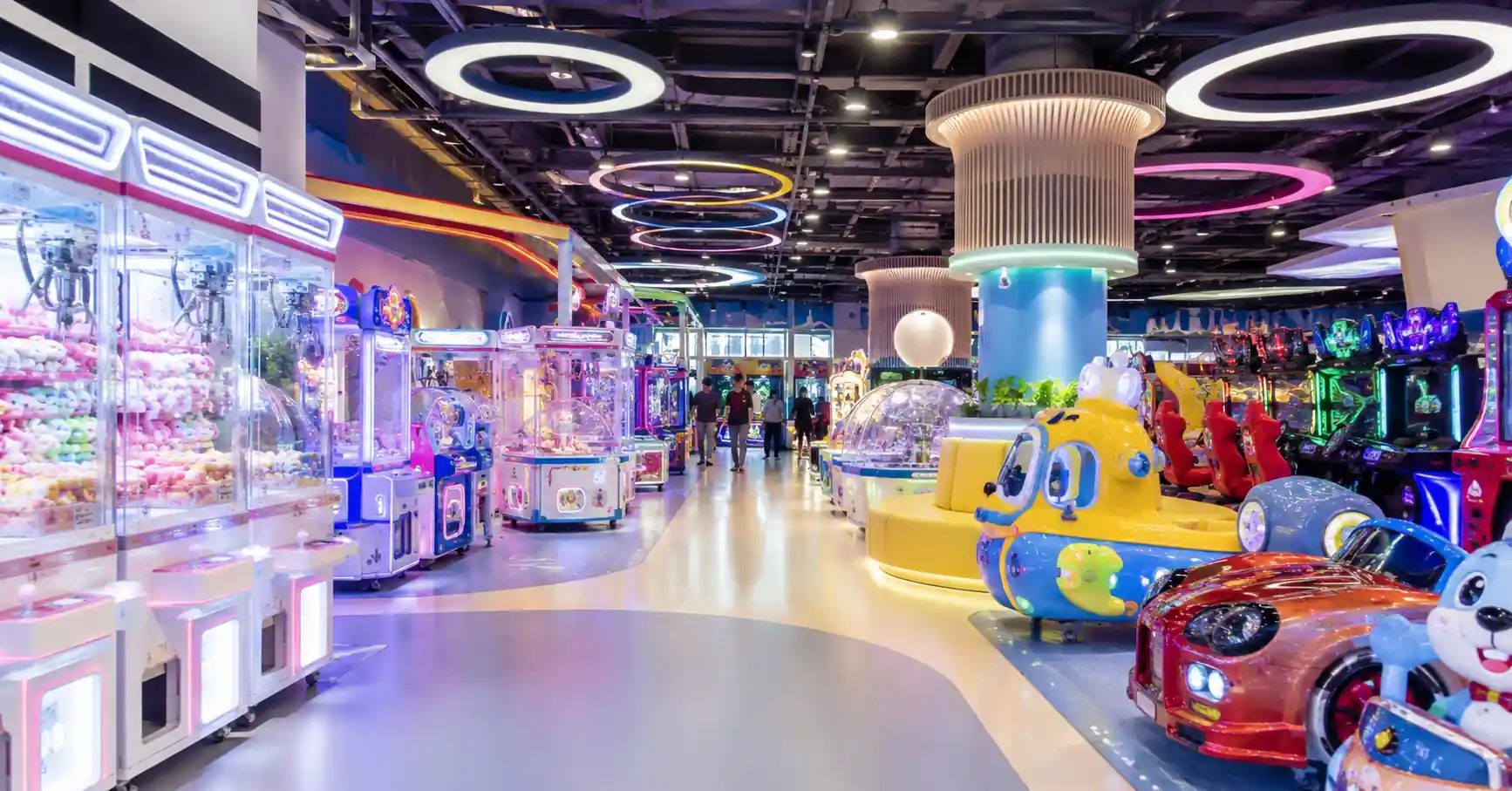
Why Factory Evaluation Matters Before Ordering
Many buyers compare game machines by appearance and price first. However, for commercial operation, the real value depends on machine stability, spare parts availability, production consistency, and after-sales response.
A professional game machine factory should help buyers avoid risks such as:
- Machines that look attractive but break down frequently
- Poor cabinet structure for high-traffic use
- Unstable payment systems
- Incomplete technical specifications
- Lack of spare parts after delivery
- Weak packaging for export shipping
- Delayed production or unclear lead time
- Limited OEM/ODM support
- No clear warranty or service process
For FEC projects, one machine failure can affect customer satisfaction. For importers and distributors, inconsistent product quality can damage local reputation. That is why careful factory evaluation should happen before ordering, not after problems appear.
Who Should Use This Game Machine Factory Checklist?
| Buyer Type | Main Buying Goal | What They Should Check |
| Importers | Build stable local supply | Export packaging, repeat orders, spare parts |
| Distributors | Resell commercial machines | Product consistency and warranty support |
| FEC Operators | Increase venue revenue | Machine mix, durability, layout fit |
| Shopping Mall Operators | Attract family traffic | Visual appeal, safety, easy operation |
| Indoor Playground Owners | Add extra revenue | Compact machines and child-friendly design |
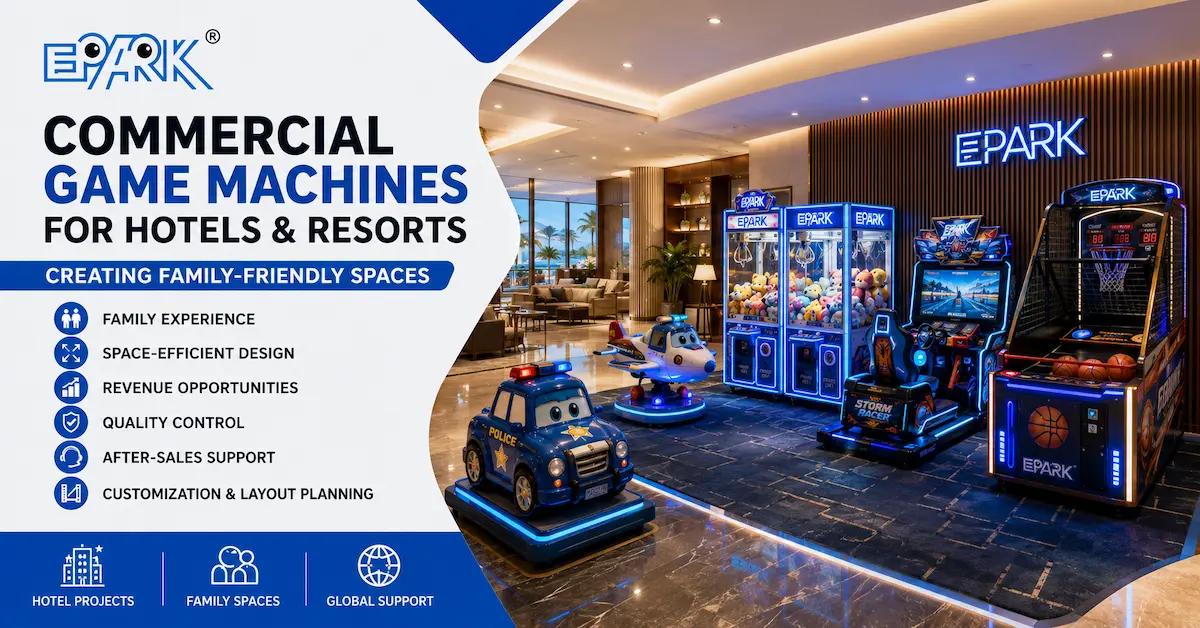
| Hotels & Resorts | Improve guest experience | Premium appearance and simple maintenance |
| Project Contractors | Deliver turnkey projects | Production schedule and installation support |
| Chain Entertainment Brands | Build standardized venues | OEM branding and repeatable quality |
A reliable factory should understand different buyer goals instead of recommending the same machines to every customer.
1. Check Factory Background and Experience
Before ordering, buyers should confirm whether the supplier is a real factory, trading company, or project solution provider. A direct game machine factory usually has stronger control over production, customization, spare parts, and quality inspection.
Ask these questions:
- How many years has the factory produced game machines?
- What machine types are manufactured directly?
- Does the factory support FEC projects or only single-machine sales?
- Can it provide product photos, videos, and factory information?
- Does it have export experience?
- Can it support repeat orders and bulk purchasing?
Buyers can also review EPARK’s company background to understand its product scope and commercial amusement equipment direction.
2. Check Product Range and Machine Fit
A reliable game machine factory should offer enough product variety to support different business models.
Common product types include:
- Claw machines
- Redemption machines
- Racing game machines
- Shooting games
- Kiddie rides
- VR simulators
- Arcade cabinets
- Basketball machines
- Ticket machines
- Prize machines
- Parent-child interactive machines
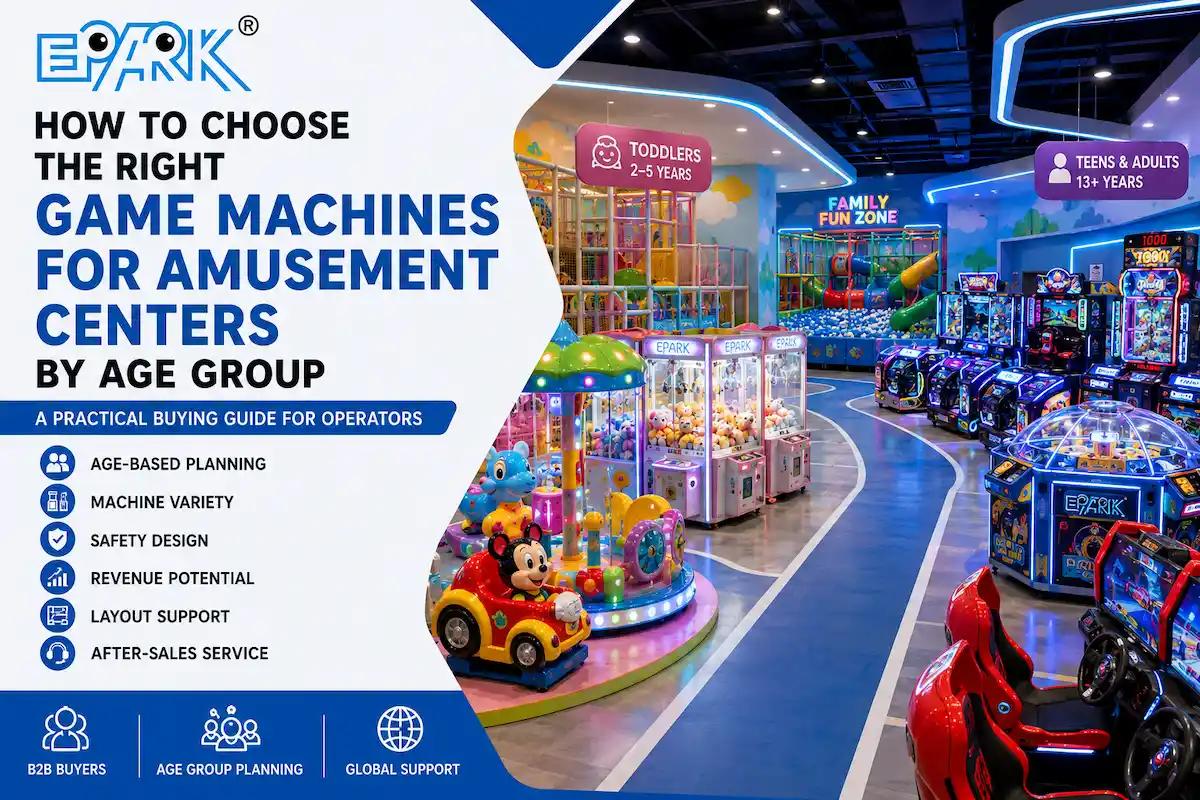
For FEC and shopping mall projects, buyers should avoid choosing machines randomly. The product mix should match the venue size, age group, customer traffic, and revenue model.
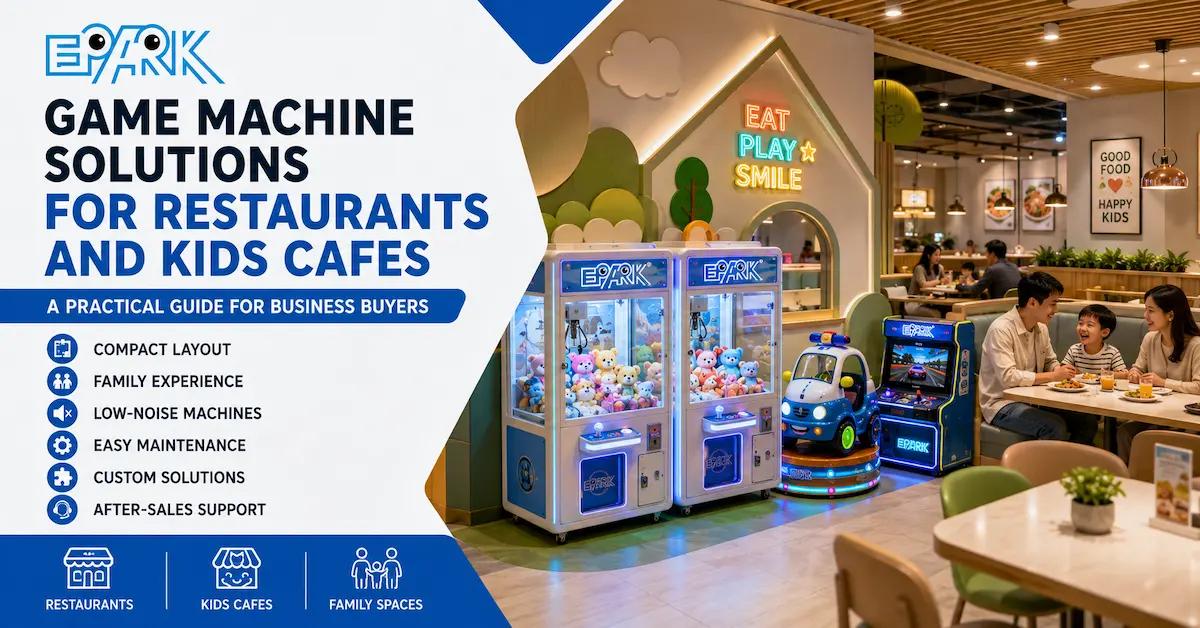
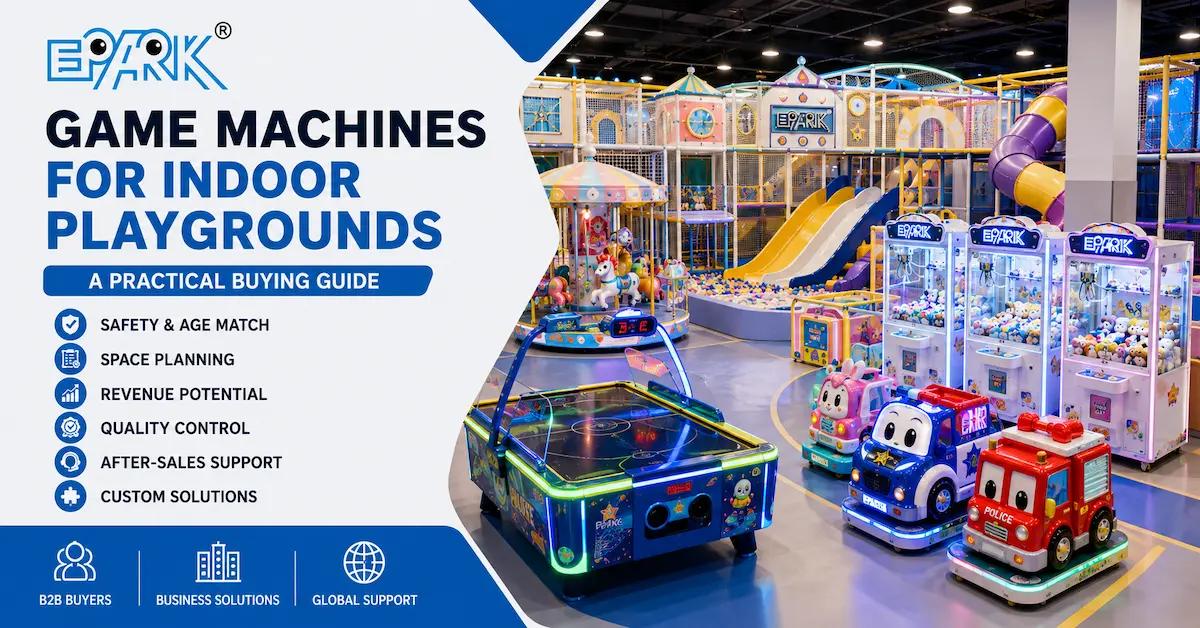
For example, a shopping mall family zone may need claw machines and kiddie rides. A large FEC may need redemption machines, racing games, VR simulators, and a prize counter. An indoor playground may need compact machines near exits or parent waiting areas.
You can compare equipment options through EPARK’s product catalog.
3. Check Technical Specifications
A professional factory should provide complete technical details before buyers confirm an order.
| Specification | Why It Matters |
| Machine size | Affects layout, container loading, and installation |
| Machine weight | Influences shipping and handling |
| Voltage and plug | Must match the destination market |
| Power consumption | Helps plan electrical load |
| Payment system | Coin, token, card, QR, or bill acceptor |
| Screen size | Affects user experience and cost |
| Cabinet material | Determines durability and service life |
| Control parts | Buttons, joysticks, wheels, sensors |
| Software language | Important for local operation |
| Spare parts list | Reduces downtime |
| Packaging method | Protects machines during shipping |
| Warranty terms | Reduces long-term risk |
If a factory only provides photos and prices without technical specifications, buyers should be careful before placing a bulk order.
4. Check Materials and Components
Machine appearance can be misleading. Two machines may look similar but use very different materials inside.
Buyers should check:
- Cabinet structure
- Steel frame or internal support
- Acrylic or tempered panels
- Button and joystick quality
- PCB board stability
- Power supply quality
- LED lighting system
- Coin acceptor or card reader
- Ticket dispenser
- Cooling fans
- Wiring and connectors
- Locks and service panels
For commercial venues, machines may run many hours every day. Better components may increase the initial price, but they can reduce repair frequency and improve long-term ROI.
5. Check Quality Control Before Shipment
Quality control is one of the most important signs of a reliable game machine factory. Buyers should ask how every machine is inspected before delivery.
A good QC process may include:
- Incoming material inspection
- Cabinet structure inspection
- Electronic component testing
- Assembly inspection
- Gameplay testing
- Payment system testing
- Lighting and sound testing
- Aging or burn-in testing
- Appearance inspection
- Packaging inspection
- Pre-shipment inspection
Before final payment, buyers should request:
- Machine photos
- Test videos
- QC photos
- Packaging photos
- Serial number records
- Pre-shipment confirmation
This is especially important for bulk orders and FEC projects with fixed opening dates.
6. Check OEM and ODM Customization Ability
Many B2B buyers need machines that match their venue brand, local market, or project theme. A strong game machine factory should support OEM/ODM customization.
Customization options may include:
- Logo branding
- Cabinet color
- Exterior artwork
- Local language settings
- Payment system configuration
- Lighting style
- Game difficulty settings
- Prize system adjustment
- Packaging design
- User manual customization
For shopping mall projects, chain FECs, and branded arcade centers, customization can make the venue look more professional and consistent.
If you need branded machines or custom game equipment, you can send your project requirements to EPARK.
7. Check Packaging and Export Protection
Game machines are large, heavy, and sensitive to impact during transport. Poor packaging can cause damage before the machines reach the venue.
Good export packaging may include:
- Protective film
- Foam protection
- Corner guards
- Wooden cases
- Pallet fixing
- Waterproof wrapping
- Spare parts boxes
- Machine labels
- Container loading photos
Before shipment, buyers should ask the factory to provide packaging photos. For international buyers, export packaging is not a small detail. It directly affects delivery safety and installation efficiency.
8. Check Spare Parts and After-Sales Support
After-sales support is essential for commercial game machines. Machines may need parts replacement after long-term operation.
Important spare parts include:
- Buttons
- Joysticks
- Steering wheels
- Sensors
- PCB boards
- Power supplies
- Coin acceptors
- Card readers
- Ticket dispensers
- LED modules
- Cables and connectors
Before ordering, ask:
- What spare parts are included?
- Which spare parts are recommended for bulk buyers?
- How long is the warranty?
- What does the warranty cover?
- How are replacement parts shipped?
- Is technical support available after delivery?
For common product and service questions, buyers can also check the EPARK FAQ page.
9. Check Lead Time and Order Process
A reliable factory should provide a clear order process and realistic lead time.
A typical order process includes:
| Step | What Happens |
| Requirement discussion | Buyer provides machine list, quantity, market, and budget |
| Quotation | Factory confirms model, price, lead time, and terms |
| Design confirmation | OEM logo, color, language, or payment system is confirmed |
| Deposit payment | Production schedule starts |
| Production | Factory assembles and tests machines |
| QC inspection | Photos, videos, and checks are completed |
| Balance payment | Buyer confirms before shipment |
| Packaging | Export packaging is completed |
| Shipping | Goods are loaded and shipped |
| After-sales | Spare parts and support are provided |
For FEC projects, buyers should align lead time with the project opening date to avoid delays.
10. Check Whether the Factory Understands FEC Layout
A good game machine factory should understand how machines work inside a real commercial venue. Machine placement affects revenue, safety, and customer flow.
| Venue Area | Recommended Machines | Purpose |
| Entrance | Claw machines, prize machines | Attract family traffic |
| Playground Exit | Kiddie rides, redemption games | Capture post-play spending |
| Parent Waiting Area | Compact machines | Turn waiting time into revenue |
| Teen Zone | Racing games, shooting games | Encourage group play |
| Prize Counter Area | Redemption machines | Support repeat spending |
| Main Arcade Zone | Mixed machines | Build complete FEC revenue |
A factory with project experience can help buyers select machines that match space, traffic flow, and revenue goals.
Red Flags Before Ordering
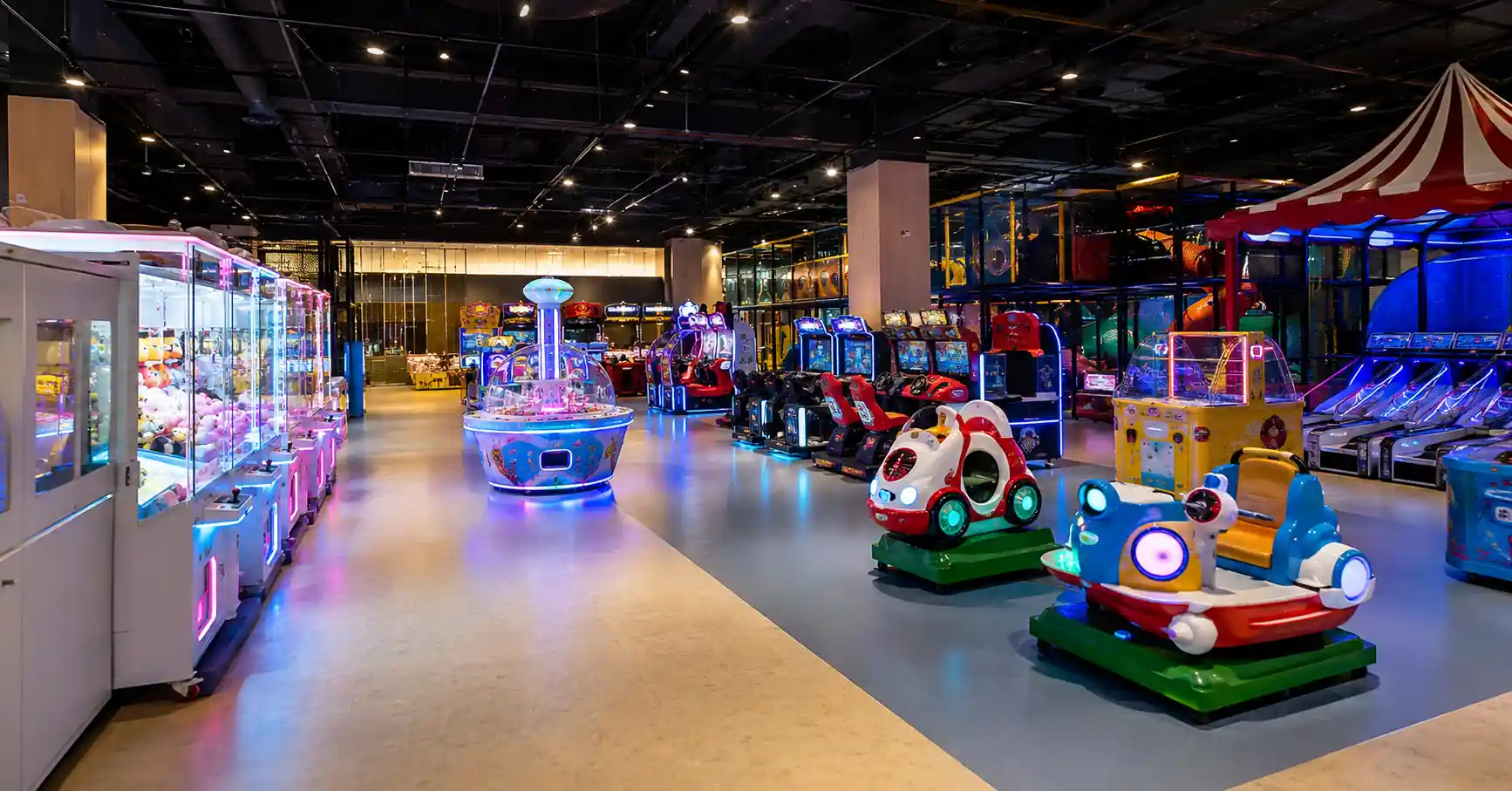
Avoid a game machine factory if you see these warning signs:
- Price is much lower than the market average
- No technical specifications
- No QC process
- No test videos
- No packaging photos
- No spare parts list
- No clear warranty
- No export experience
- No customization support
- Poor communication before payment
- No clear lead time
- Refuses inspection before shipment
A low price cannot compensate for poor quality, shipping damage, or weak after-sales service.
Why Work with EPARK for Game Machine Projects?
EPARK provides amusement equipment solutions for commercial buyers, including game machines, arcade machines, indoor playground equipment, soft play equipment, and FEC-related products.
For B2B buyers, EPARK can support:
- Game machine selection
- Arcade zone planning
- Indoor playground and game machine matching
- FEC equipment solutions
- OEM/ODM customization
- Export packaging
- Spare parts support
- Project consultation
- Long-term cooperation
Buyers can explore EPARK’s amusement equipment catalog, review EPARK’s company profile, or contact EPARK to discuss machine selection, layout, budget, and customization needs.
FAQ: Game Machine Factory Ordering Guide
1. What should B2B buyers check before ordering from a game machine factory?
Buyers should check factory experience, product range, technical specifications, materials, QC process, OEM options, packaging, spare parts, warranty, and after-sales support.
2. Is the cheapest game machine factory always the best choice?
No. The cheapest option may use weak components, poor packaging, or limited after-sales service. Buyers should compare total value, not only unit price.
3. Can game machines be customized?
Yes. Customization can include logo, cabinet color, artwork, language settings, payment system, lighting, packaging, and software settings.
4. Why are spare parts important?
Spare parts reduce downtime and help operators maintain machines quickly after long-term use.
5. Can EPARK help with game machine factory orders?
Yes. Buyers can browse EPARK’s product catalog, check company information, read the FAQ page, or contact EPARK to discuss machine orders, customization, and FEC planning.
Conclusion
Before ordering from a game machine factory, B2B buyers should check much more than price. The most important factors include factory background, product range, machine specifications, material quality, QC process, OEM/ODM ability, packaging, spare parts, lead time, and after-sales support.
For FEC operators, shopping mall entertainment zones, importers, distributors, hotels, resorts, and arcade investors, reliable equipment means better customer experience, less downtime, and stronger long-term ROI.
To start your project, explore EPARK’s amusement equipment catalog, learn more about EPARK’s company capabilities, or contact the EPARK team with your machine list, floor plan, budget, target market, and customization requirements.
General Disclaimer
All data on https://www.eparki.com is for general guidance only. As a leading indoor playground manufacturer and trampoline supplier, EPARK strives for accuracy but gives no express or implied warranty regarding completeness, performance or project fitness. Product specs, designs and results may vary with use and customer requirements. Buyers must verify technical details, compliance and suitability before purchase. EPARK OEM/ODM is not liable for any direct, indirect or consequential damages arising from site use. For custom solutions, contact our manufacturer and supplier team via the Contact page.
Intellectual Property
Text, images, videos, CAD files and software are Guangzhou EPARK Electronic Technology Co., Ltd. All rights reserved. No part may be copied, republished or used commercially without prior written permission. We will pursue legal action for copyright or design-patent infringement.
Trademarks
"EPARK", the EPARK logo and related graphics are registered trademarks of Guangzhou EPARK Electronic Technology Co., Ltd. Unauthorized use in ads, domain names or packaging is prohibited.
Governing Law
These terms are governed by the laws of the People's Republic of China.
Contact
Questions? Email sales@nanyuetech.com or WhatsApp +86 139 0307 9263.