Introduction
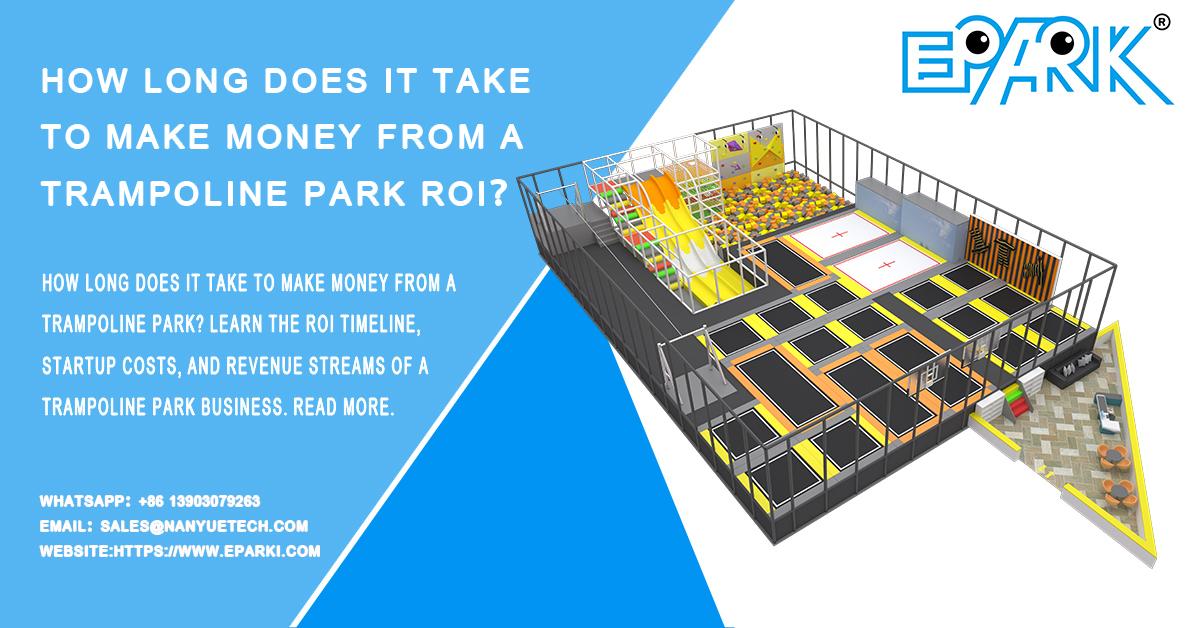
The indoor entertainment industry has grown rapidly over the past decade, and the trampoline park business has become one of the most popular investments in the family entertainment sector. Many entrepreneurs, shopping mall operators, and investors are exploring opportunities in indoor attractions because they offer strong visitor demand and relatively stable revenue streams.
However, before launching a project, investors often ask an important question: How long does it take to make money from a trampoline park? Understanding the return on investment (ROI) timeline helps business owners evaluate financial risks, prepare budgets, and plan operational strategies.
A successful trampoline park typically generates revenue from multiple sources such as jump tickets, birthday parties, group events, food services, and merchandise. With the right design, location, and management strategy, many parks achieve profitability within a relatively short period compared to other entertainment businesses.
In this guide, we will analyze the typical profitability timeline, key cost factors, revenue streams, and strategies that can help investors recover their investment faster when opening a trampoline park.
Typical ROI Timeline for a Trampoline Park
For most operators, a well-designed trampoline park can reach break-even within 12 to 24 months. The exact timeline depends on several factors, including facility size, investment level, local market demand, and operational performance.
Unlike some entertainment businesses that rely heavily on seasonal traffic, trampoline parks benefit from year-round indoor activity demand. Families, school groups, and corporate teams often visit these venues for recreation and celebrations.
Below is a general overview of investment levels and expected ROI timelines for different park sizes.
| Park Size | Area (m²) | Estimated Investment | Typical Payback Period |
|---|---|---|---|
| Small Park | 300–500 m² | $80,000 – $200,000 | 12–18 months |
| Medium Park | 500–1000 m² | $200,000 – $450,000 | 12–24 months |
| Large Park | 1000+ m² | $450,000 – $1M+ | 18–36 months |
Smaller trampoline facilities often require lower startup capital, which means investors may recover their investment more quickly. Larger entertainment venues usually include additional attractions, creating higher long-term revenue potential.
For investors who want to understand equipment options and park layouts, you can also explore our What Are the Common Injuries at Trampoline Parks and How to Prevent Them.
 Key Factors That Affect Trampoline Park Profitability
Several strategic decisions can influence how quickly a trampoline park business becomes profitable. Understanding these variables helps investors reduce financial risk and improve operational performance.
Location and Market Demand
Location plays a critical role in the success of any indoor entertainment venue. A trampoline park located in an area with high population density and strong family demographics typically attracts more visitors.
The most successful locations usually include:
-
Shopping malls with high foot traffic
-
Commercial entertainment districts
-
Residential communities with many families
-
Areas near schools or youth activity centers
-
Tourist destinations with year-round visitors
Markets with limited indoor recreation options often provide excellent growth potential for trampoline parks. Conducting proper market research and demographic analysis before launching the project can significantly increase the chance of success.
Park Size and Attraction Mix
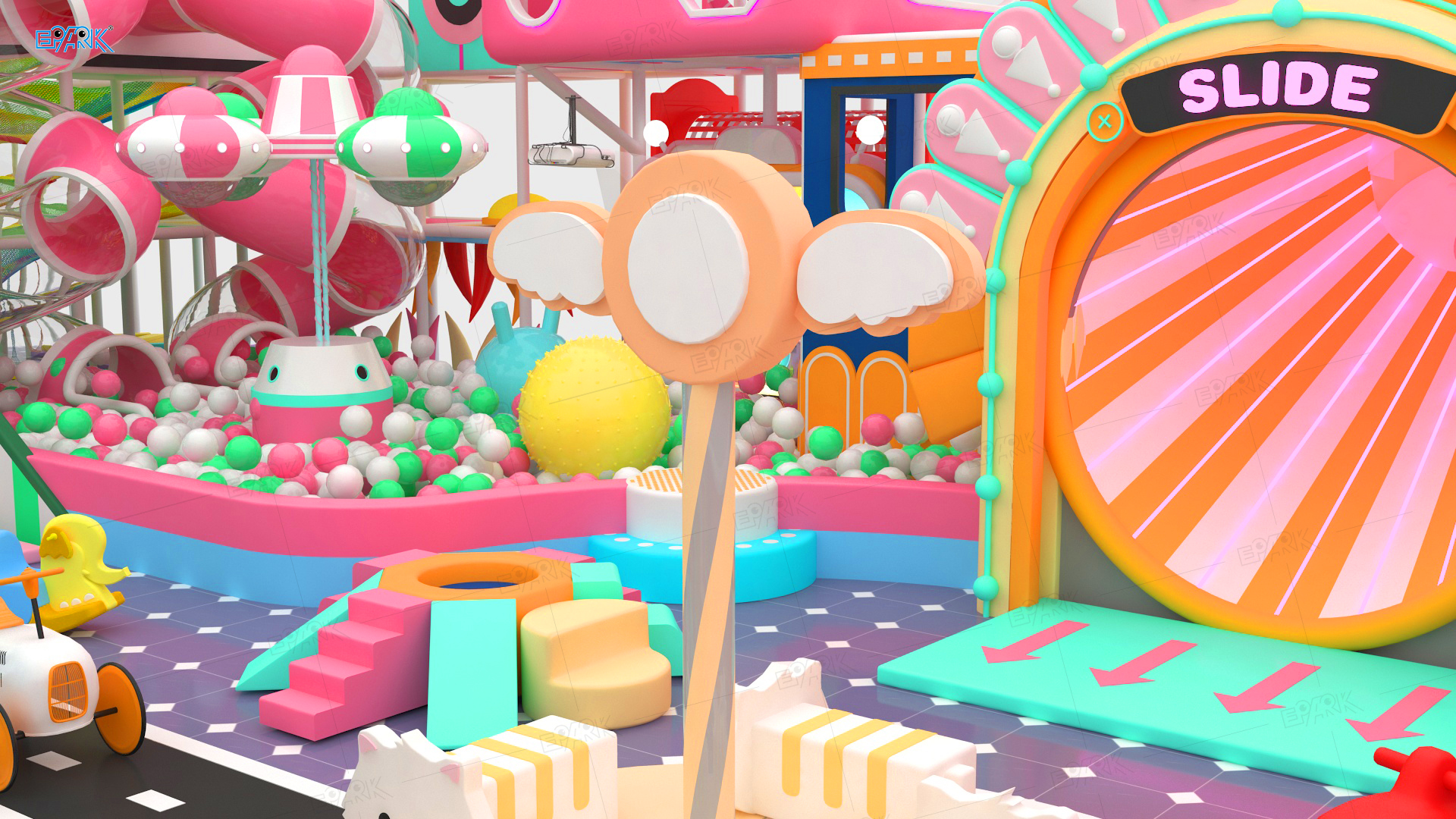
The size of the venue and the variety of attractions offered directly affect customer engagement and revenue potential. Modern trampoline parks usually combine several activity zones to provide a diverse entertainment experience.
Common attractions include:
-
Free jump trampoline courts
-
Dodgeball trampoline arenas
-
Foam pit landing zones
-
Ninja warrior obstacle courses
-
Climbing walls
-
Interactive trampoline games
Offering a variety of activities encourages visitors to stay longer and return more frequently. Longer visit times often translate into higher spending on tickets, food, and other services.
A typical trampoline park layout may allocate space as follows:
| Zone Type | Recommended Space Ratio |
|---|---|
| Jumping Areas | 40–50% |
| Interactive Attractions | 20–30% |
| Party Rooms | 10–15% |
| Reception and Rest Areas | 10–15% |
This balanced layout helps maximize both visitor capacity and operational efficiency.
 Pricing Strategy and Ticket Structure
Pricing strategy is another important factor influencing revenue performance. Most trampoline parks operate using a time-based pricing model, where customers pay for jumping sessions.
Typical ticket pricing in the United States is shown below:
| Ticket Type | Average Price |
|---|---|
| 1-Hour Jump Ticket | $12 – $20 |
| 2-Hour Jump Ticket | $20 – $30 |
| All-Day Pass | $25 – $40 |
Many operators also implement flexible pricing strategies such as:
-
Weekday promotions
-
Family ticket packages
-
Student discounts
-
Monthly membership programs
Membership programs are especially effective because they generate recurring revenue and improve customer loyalty.
Operational Efficiency
Efficient operations are essential for maintaining profitability. Running a trampoline park requires coordination across several areas, including staffing, safety supervision, maintenance, and customer service.
Typical monthly expenses include:
-
Staff salaries
-
Facility rent
-
Utility costs
-
Equipment maintenance
-
Marketing campaigns
Many operators rely on digital management systems to track visitor flow, manage bookings, and optimize staff scheduling. This helps reduce unnecessary costs and improve operational efficiency.
In addition, professional trampoline systems are often designed according to ASTM F2970 safety standards, which ensure safe performance and structural reliability. Following these standards helps minimize downtime and liability risks.
 Major Revenue Streams of a Trampoline Park
A well-managed trampoline park does not rely on a single income source. Instead, it combines several revenue streams to increase profitability.
Jump Tickets and Admission Fees
Ticket sales usually account for the largest share of revenue. Because multiple guests can use the facility simultaneously, trampoline parks have a strong capacity for generating consistent income.
For example, a mid-sized trampoline park may accommodate 100 to 150 visitors per hour, especially during weekends and holidays.
High visitor capacity combined with hourly ticket pricing creates a stable revenue foundation.
Birthday Parties and Private Events
Birthday parties are one of the most profitable segments of the trampoline park business model. Parents often choose trampoline venues because they offer a safe and exciting environment for celebrations.
A typical party package may include:
-
Private party room access
-
Group jump sessions
-
Dedicated party host
-
Food and beverage options
Prices for party packages generally range between $250 and $600 per event, depending on the number of guests and services provided.
Some parks report that events and parties contribute up to 40% of total monthly revenue.
Food and Beverage Services
Food and beverage sales are another valuable revenue stream. Since visitors usually spend several hours at the facility, snack bars or small cafés generate additional income.
Popular menu items often include:
-
Pizza and burgers
-
Soft drinks and juices
-
Ice cream and desserts
-
Light snacks
Food services typically account for 10% to 25% of total revenue in many trampoline parks.
Merchandise and Safety Grip Socks
Safety grip socks are required in most trampoline parks to prevent slipping. As a result, they represent a consistent additional revenue source.
Grip socks are usually priced between $2 and $5 per pair, and many customers purchase them during their first visit.
Some parks also sell branded merchandise such as:
-
T-shirts
-
Water bottles
-
Toys or souvenirs
Although merchandise revenue may be smaller, it contributes to brand awareness and customer engagement.
 Example Revenue Model of a Trampoline Park
To illustrate the financial potential of a trampoline park, consider the following simplified monthly revenue model for an 800 m² facility.
Estimated Monthly Revenue
| Revenue Source | Estimated Monthly Revenue |
|---|---|
| Jump Tickets | $40,000 |
| Birthday Parties | $15,000 |
| Food & Beverage | $8,000 |
| Merchandise | $3,000 |
| Total Revenue | $66,000 |
Estimated Monthly Expenses
| Expense Category | Monthly Cost |
|---|---|
| Rent | $15,000 |
| Staff Salaries | $12,000 |
| Utilities | $5,000 |
| Marketing | $3,000 |
| Maintenance | $2,000 |
| Total Costs | $37,000 |
Estimated Profit
Monthly profit: approximately $29,000
If the initial investment is around $300,000, the operator could recover the investment in roughly 12 to 18 months under stable operating conditions.
This example demonstrates why trampoline parks are considered one of the most attractive business models in the indoor recreation industry.
 Strategies to Make a Trampoline Park Profitable Faster
Although trampoline parks already offer strong ROI potential, several strategies can accelerate profitability.
Work with an Experienced Equipment Manufacturer
Choosing a professional supplier helps ensure that the park is designed efficiently and meets international safety standards.
An experienced manufacturer can provide:
-
Custom trampoline park layout design
-
Equipment manufacturing and installation
-
Safety certification support
-
After-sales maintenance services
For investors exploring equipment options, you can also review our trampoline park equipment solutions page to learn more about attraction systems and design possibilities.
Add High-Engagement Attractions
Modern visitors expect more than just traditional jumping zones. Adding additional attractions increases the overall entertainment value and encourages repeat visits.
Popular upgrades include:
-
Ninja obstacle courses
-
Interactive digital games
-
Airbag stunt platforms
-
Soft play zones for younger children
These features allow trampoline parks to attract a wider audience, transforming them into full family entertainment centers.
Implement Strong Marketing Strategies
Marketing plays an essential role in driving consistent customer traffic. Successful trampoline park operators often combine both online and offline marketing approaches.
Effective strategies include:
-
Social media advertising campaigns
-
Partnerships with local schools and organizations
-
Influencer promotions
-
Seasonal holiday events
-
Membership loyalty programs
Platforms such as Google Maps, Instagram, and TikTok are especially effective for promoting family entertainment venues.
Consistent marketing efforts help maintain stable visitor flow and improve long-term profitability.
Conclusion
So, how long does it take to make money from a trampoline park?
In most cases, a well-planned trampoline park can reach profitability within 12 to 24 months, depending on investment size, location, attraction design, and operational strategy.
By selecting the right location, offering diverse attractions, implementing effective pricing strategies, and maintaining efficient operations, investors can significantly shorten the payback period.
As demand for indoor recreation continues to grow worldwide, trampoline parks remain a high-potential investment opportunity for entrepreneurs seeking a profitable entertainment business.
Start Your Trampoline Park Project Today
If you are planning to launch a trampoline park, working with an experienced supplier can make the entire process smoother and more profitable.
EPARK provides one-stop trampoline park solutions, including:
-
Custom trampoline park design
-
High-quality trampoline equipment manufacturing
-
Professional installation services
-
Global project support
Our team has helped clients build successful indoor entertainment venues around the world.
Contact us today to get a FREE trampoline park design proposal and professional consultation.
Let us help you build a profitable trampoline park business faster.
General Disclaimer
All data on https://www.eparki.com is for general guidance only. As a leading indoor playground manufacturer and trampoline supplier, EPARK strives for accuracy but gives no express or implied warranty regarding completeness, performance or project fitness. Product specs, designs and results may vary with use and customer requirements. Buyers must verify technical details, compliance and suitability before purchase. EPARK OEM/ODM is not liable for any direct, indirect or consequential damages arising from site use. For custom solutions, contact our manufacturer and supplier team via the Contact page.
Intellectual Property
Text, images, videos, CAD files and software are Guangzhou EPARK Electronic Technology Co., Ltd. All rights reserved. No part may be copied, republished or used commercially without prior written permission. We will pursue legal action for copyright or design-patent infringement.
Trademarks
"EPARK", the EPARK logo and related graphics are registered trademarks of Guangzhou EPARK Electronic Technology Co., Ltd. Unauthorized use in ads, domain names or packaging is prohibited.
Governing Law
These terms are governed by the laws of the People's Republic of China.
Contact
Questions? Email sales@nanyuetech.com or WhatsApp +86 139 0307 9263.