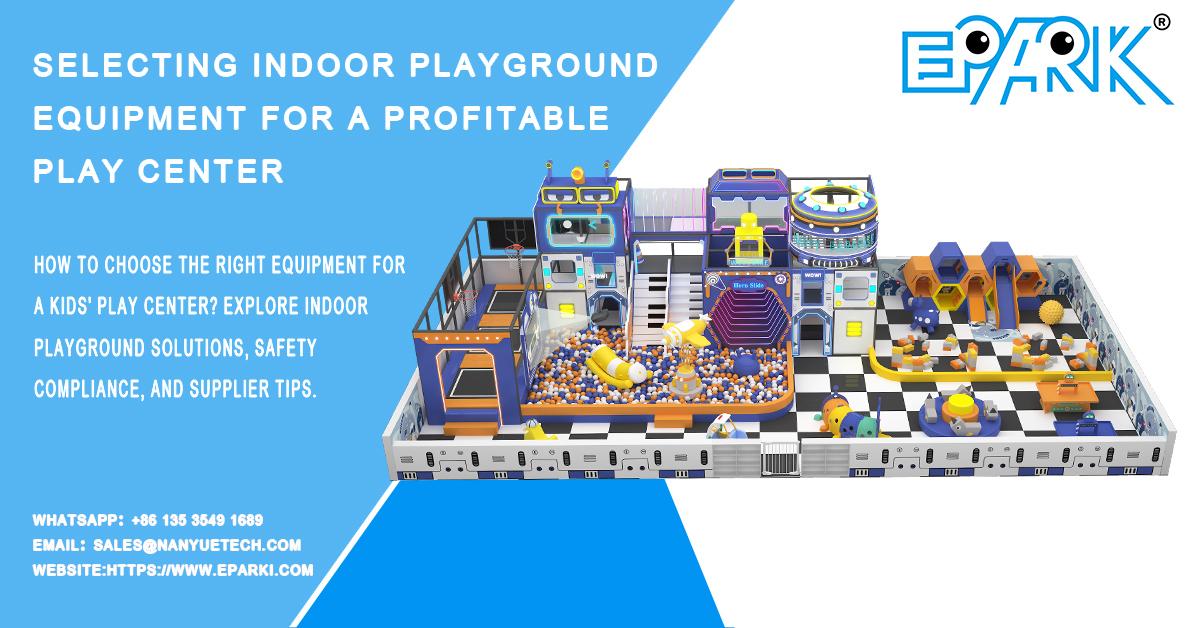
Why Choosing the Right Equipment Matters
Choosing the right equipment for a kids' play center is one of the most critical decisions for long-term success. The equipment you select directly affects safety performance, customer satisfaction, space efficiency, and overall profitability.
Modern kids’ play centers are no longer limited to a single indoor playground. Today’s successful venues combine indoor playground equipment, soft play zones, kids arcade machines, and kiddie rides to increase dwell time and revenue per visitor. For B2B buyers, understanding how to balance fun, safety, and return on investment is essential.
This guide explains how to choose the right equipment for a kids' play center using professional industry standards and proven business logic.
1. Identify Your Target Age Groups and Play Needs
Equipment Selection Starts with Age Segmentation
Different age groups interact with play equipment in very different ways. Before purchasing any kids play center equipment, operators should clearly define their primary audience.
| Age Group | Play Behavior | Recommended Equipment |
|---|---|---|
| 1–3 years | Sensory & low-risk play | Soft play equipment, ball pits |
| 3–5 years | Exploration & coordination | Indoor playground, tunnels |
| 6–12 years | Challenge & activity | Trampoline park, climbing systems |
Toddler Zones (1–3 Years)
Toddlers require safe, enclosed, and low-height environments. Soft play equipment with high-density foam, anti-slip surfaces, and rounded edges is essential.
A dedicated toddler area not only improves safety but also increases weekday traffic, making it a smart operational strategy.
Related product page: Soft Play Equipment
Preschool Play Areas (3–5 Years)
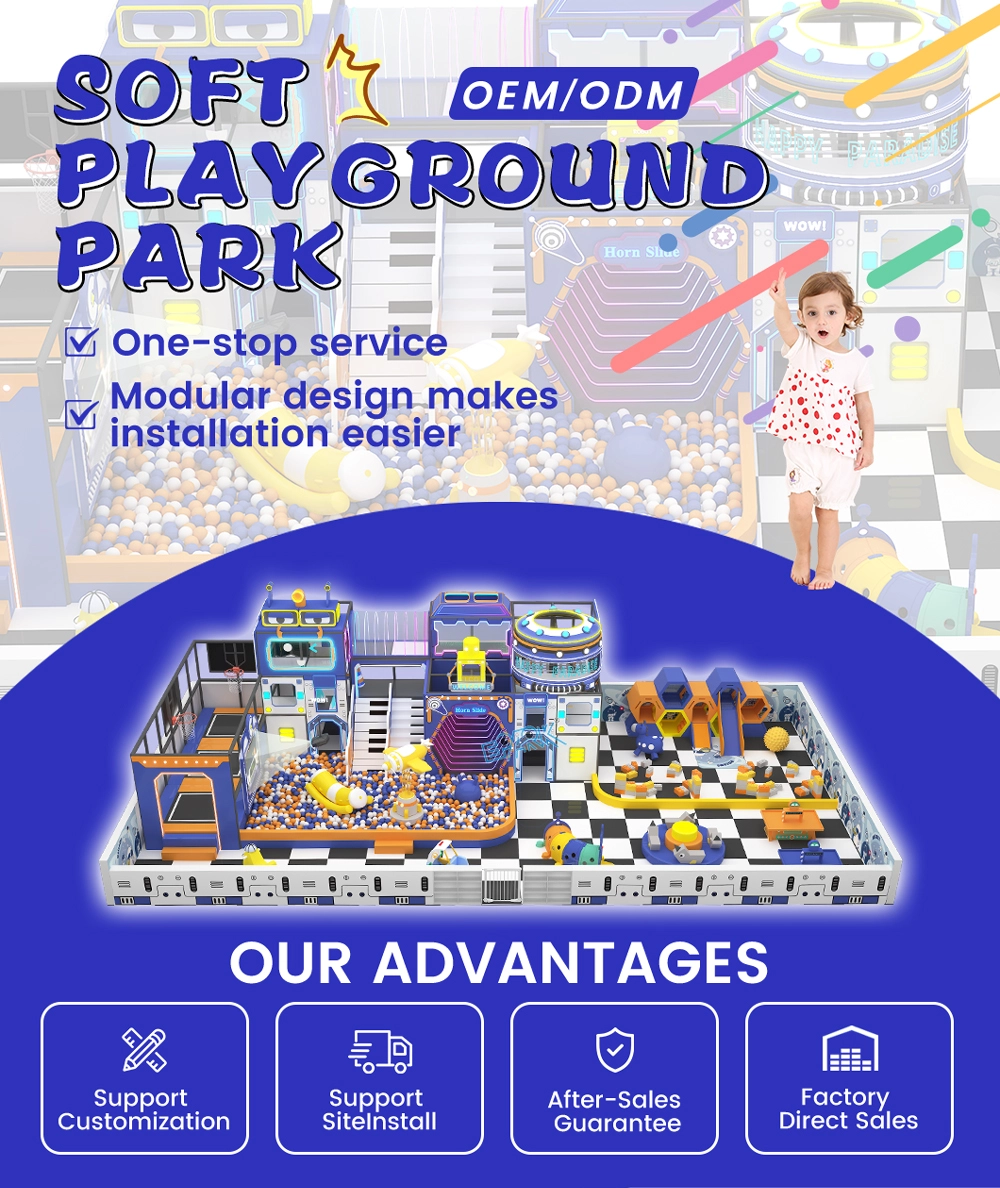
Preschool children enjoy activities that combine movement with imagination. Indoor playground elements such as tunnels, mini climbing walls, and interactive panels help develop coordination and social skills.
Themed indoor playground designs also increase emotional engagement and repeat visits.
Learn more: Indoor Playground Equipment
Active Play for Older Kids (6–12 Years)
Older children prefer excitement and physical challenges. Equipment such as rope courses, multi-level play structures, and trampoline park elements keeps this age group engaged for longer periods.
From a revenue perspective, this group often generates higher spending through add-ons like arcade games.
Related article: Trampoline Park Design Guide
2. Safety and Compliance Standards You Must Follow
Why Safety Compliance Protects Your Business
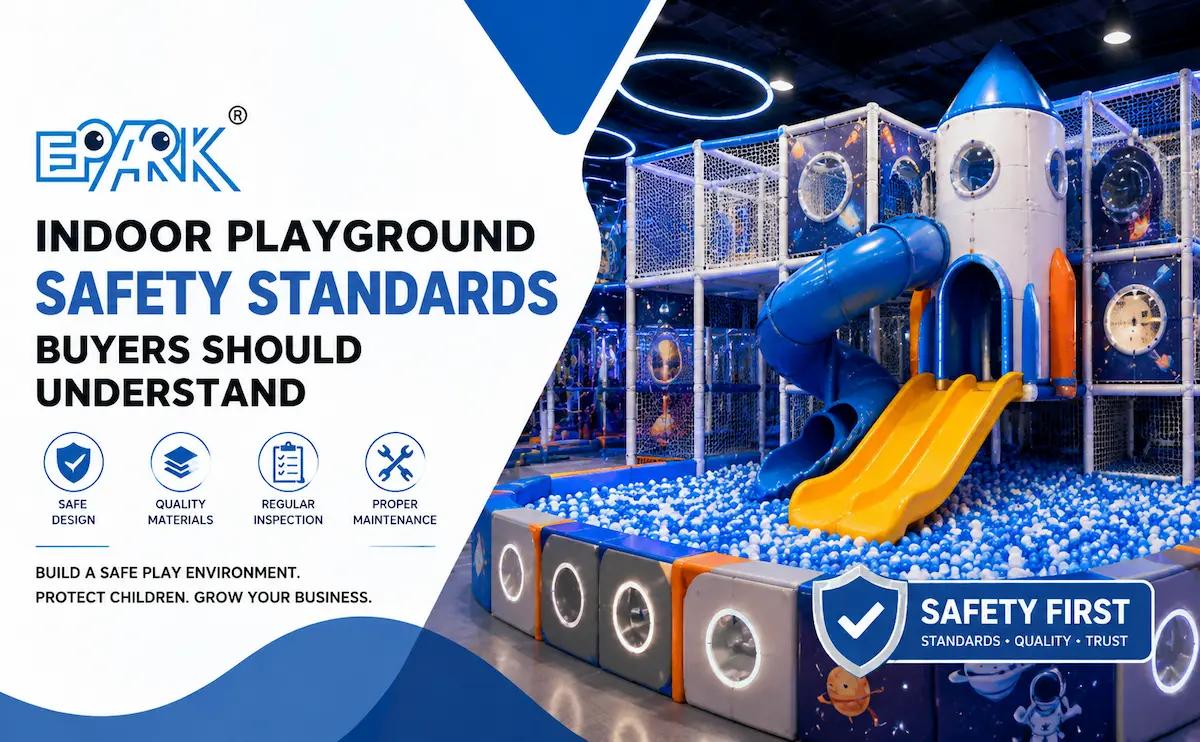
Parents prioritize safety, and regulators enforce it. Non-compliant indoor playground equipment can result in operational shutdowns, legal risks, and brand damage.
Professional suppliers ensure compliance with international standards, including:
| Standard | Market | Purpose |
|---|---|---|
| ASTM F1918 | USA | Indoor playground safety |
| EN 1176 | Europe | Playground equipment |
| CPSIA | USA | Material safety |
| TUV / GS | Global | Mechanical & structural safety |
Key Safety Features to Look For
-
Impact-absorbing flooring and padding
-
Fire-retardant and non-toxic materials
-
Secure fastenings and rounded corners
-
Clearly defined play zones
Safety-certified equipment builds trust with parents and landlords alike.
3. Core Equipment Types for a Profitable Kids’ Play Center
Indoor Playground Equipment as the Main Attraction
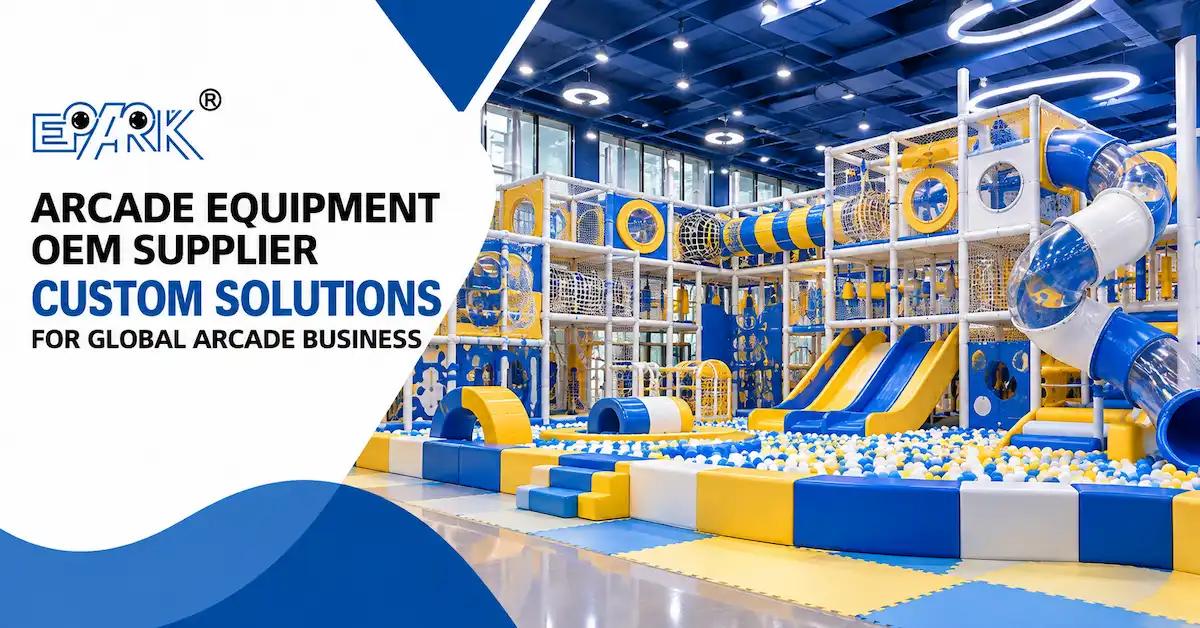
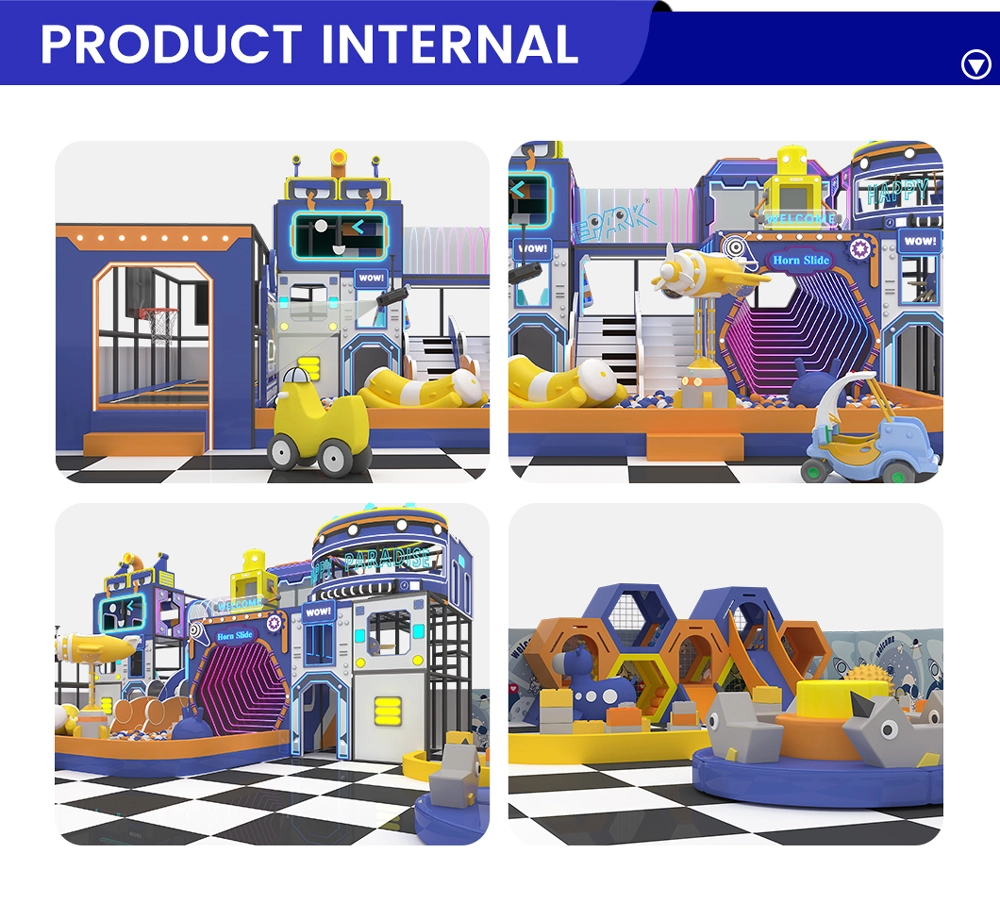
Indoor playground systems form the foundation of most kids’ play centers. They encourage longer play sessions and support time-based pricing models.
Modular indoor playground equipment allows:
-
Easy expansion
-
Theme updates
-
Lower long-term costs
Kids Arcade Machines for Higher Revenue per Visit
Adding kids arcade machines significantly increases secondary spending. Popular options include plush toy claw machines, ticket redemption games, and interactive video games.
Benefits include:
-
Short play cycles
-
High visual appeal
-
Strong impulse purchases
Kiddie Rides: Small Space, Fast ROI
Kiddie rides are ideal for entrances and waiting areas. They require minimal maintenance and deliver consistent coin-based revenue.
View products: Kiddie Rides
4. Space Planning and Layout Optimization
Smart Zoning Improves Safety and Efficiency
A well-planned layout separates active play zones from arcade and rest areas. Clear sightlines improve supervision and reduce congestion during peak hours.
Effective zoning includes:
-
Indoor playground area
-
Arcade and kiddie ride zone
-
Party rooms
-
Parent seating or café
5. The Role of Themes and Immersive Design
Why Themed Indoor Playgrounds Perform Better
Themed environments increase engagement and brand recognition. Jungle, space, and fantasy themes help children emotionally connect with the play space.
Customization also supports marketing efforts and social media exposure.
6. Durability, Maintenance, and Lifecycle Cost
Look Beyond Initial Purchase Price
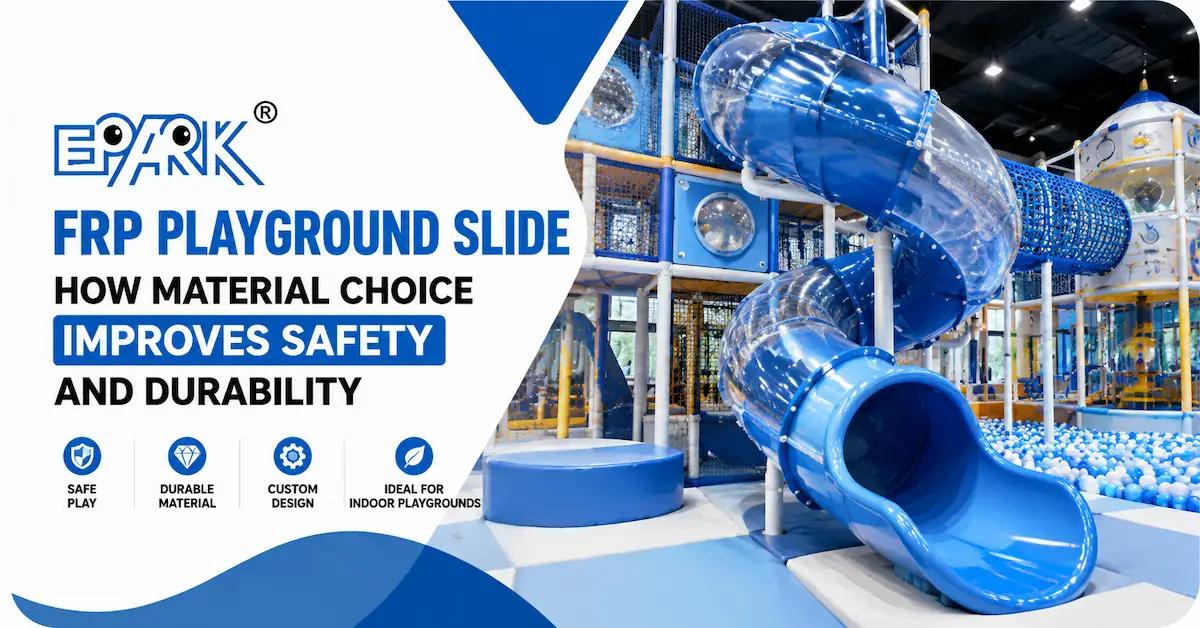
High-quality kids play center equipment should last 7–10 years under commercial use. Durable construction reduces downtime and maintenance costs.
Low-maintenance designs with modular parts ensure quick repairs and minimal disruption.
7. Choosing the Right Kids Play Center Equipment Supplier
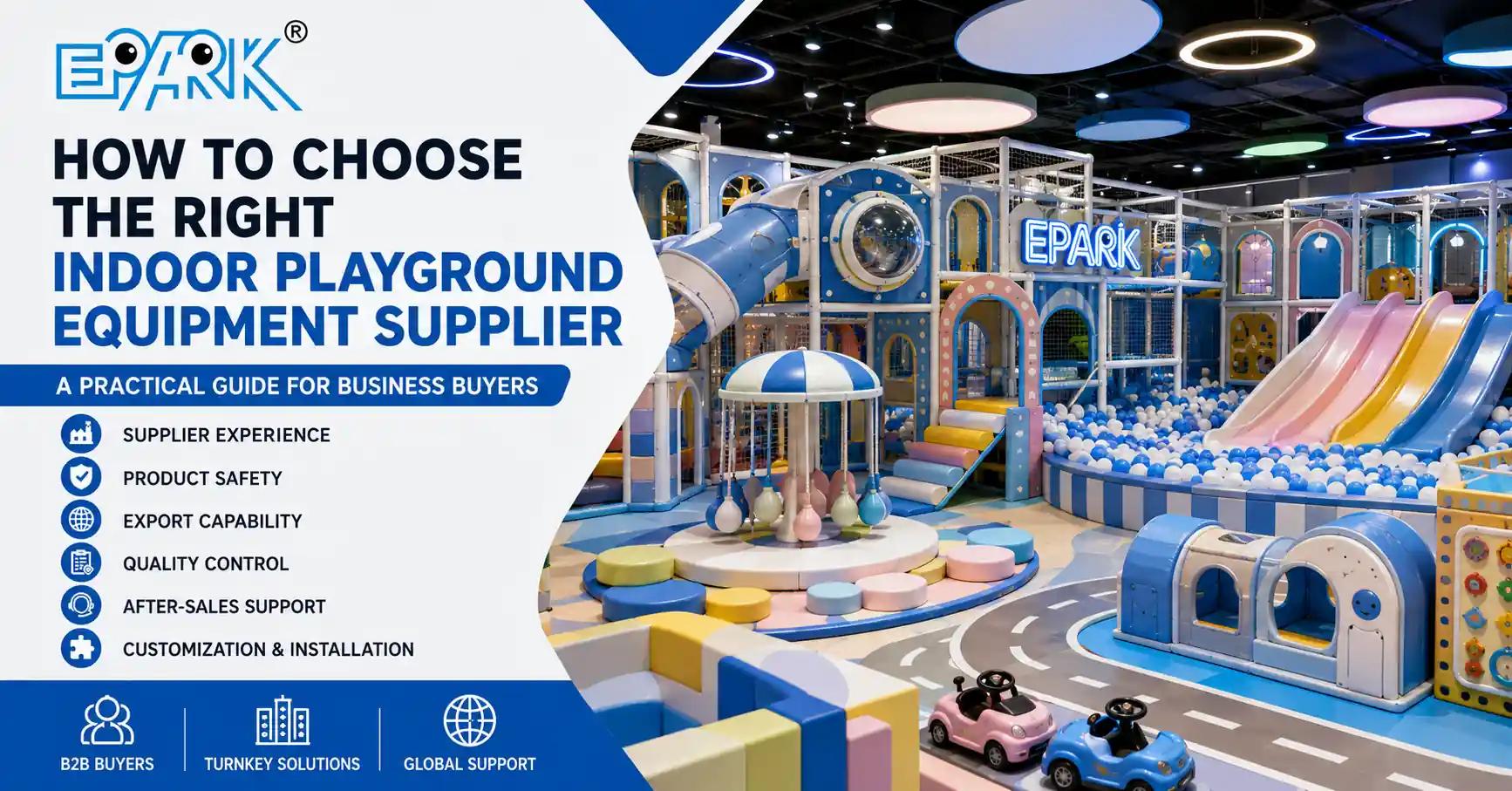
One-Stop Solutions Reduce Project Risk
Working with a single supplier for design, manufacturing, and installation improves efficiency and cost control.
Look for suppliers offering:
-
3D layout design
-
Custom indoor playground solutions
-
Global logistics support
Make Smarter Equipment Decisions for Long-Term Success
Understanding how to choose the right equipment for a kids' play center is essential for creating a safe, engaging, and profitable business. A balanced mix of indoor playground equipment, soft play areas, kids arcade machines, and kiddie rides maximizes both customer satisfaction and revenue potential.
With proper planning, certified safety standards, and the right supplier, your kids’ play center can achieve sustainable growth.
Plan Your Kids’ Play Center with Confidence
Looking for expert guidance on indoor playground and kids amusement equipment?
Contact us today for a free consultation, customized layout, and professional equipment recommendations tailored to your space and market.
General Disclaimer
All data on https://www.eparki.com is for general guidance only. As a leading indoor playground manufacturer and trampoline supplier, EPARK strives for accuracy but gives no express or implied warranty regarding completeness, performance or project fitness. Product specs, designs and results may vary with use and customer requirements. Buyers must verify technical details, compliance and suitability before purchase. EPARK OEM/ODM is not liable for any direct, indirect or consequential damages arising from site use. For custom solutions, contact our manufacturer and supplier team via the Contact page.
Intellectual Property
Text, images, videos, CAD files and software are Guangzhou EPARK Electronic Technology Co., Ltd. All rights reserved. No part may be copied, republished or used commercially without prior written permission. We will pursue legal action for copyright or design-patent infringement.
Trademarks
"EPARK", the EPARK logo and related graphics are registered trademarks of Guangzhou EPARK Electronic Technology Co., Ltd. Unauthorized use in ads, domain names or packaging is prohibited.
Governing Law
These terms are governed by the laws of the People's Republic of China.
Contact
Questions? Email sales@nanyuetech.com or WhatsApp +86 139 0307 9263.