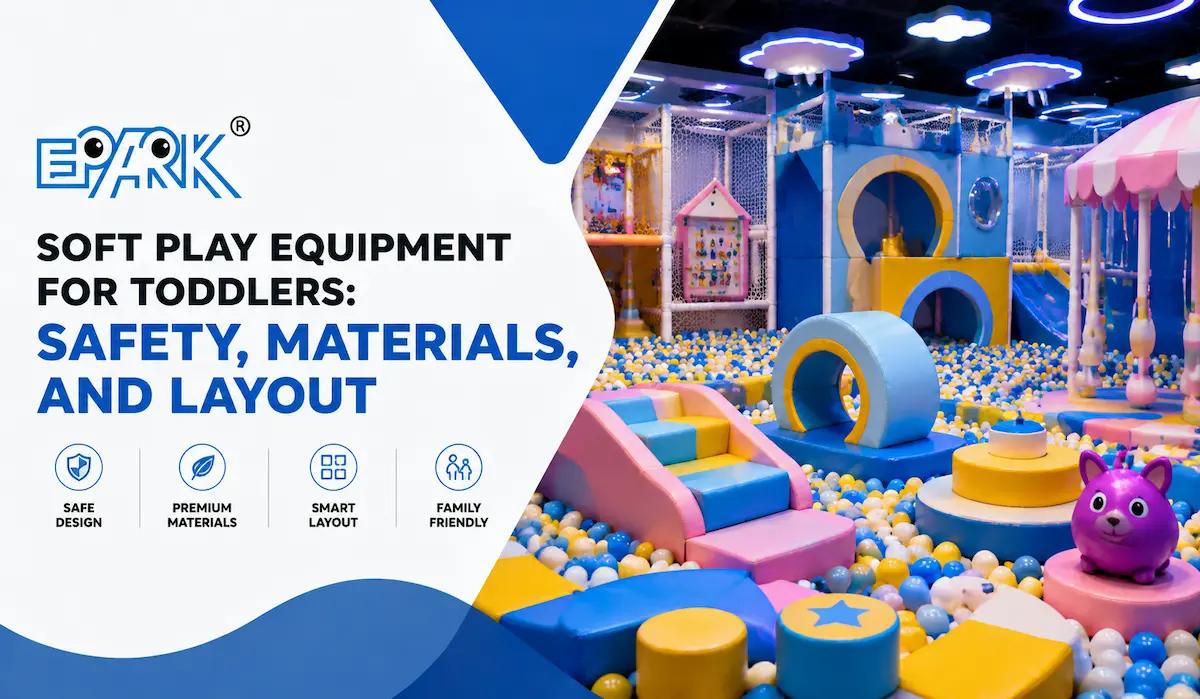
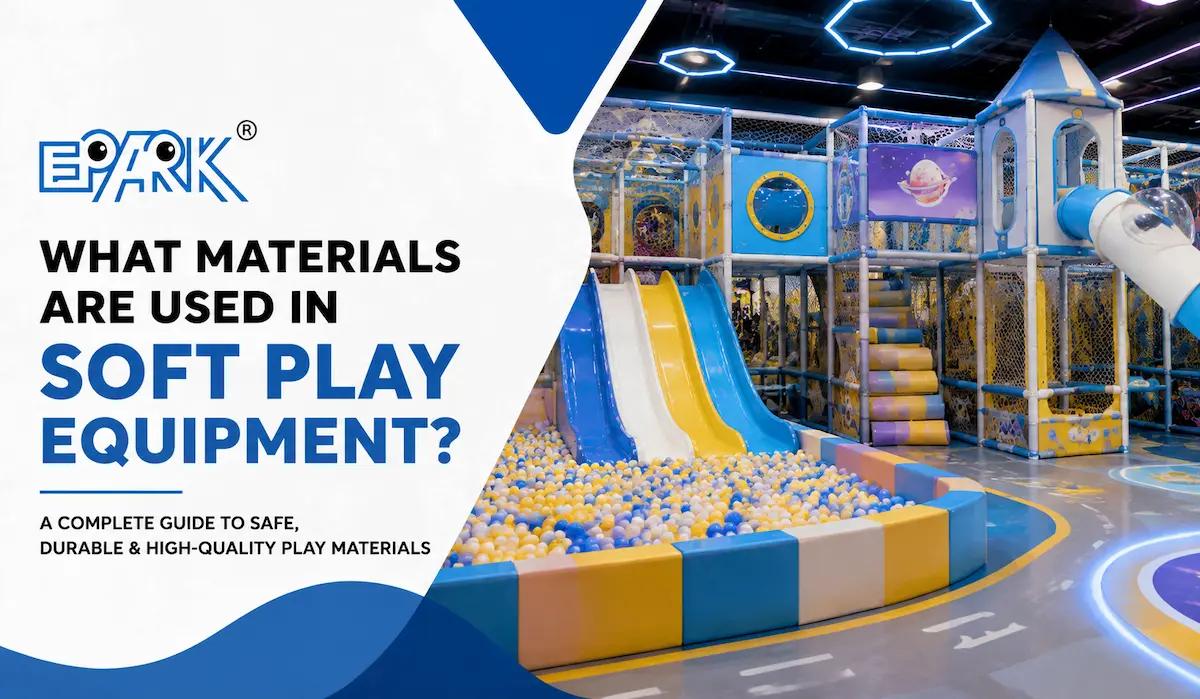
Soft play equipment is one of the most popular choices for indoor playgrounds, family entertainment centers, children’s activity areas, and commercial play spaces.
Unlike traditional playground structures, soft play systems are designed around safety, comfort, and interactive movement. Children can climb, crawl, slide, jump, and explore while reducing the risk of injury.
For operators and investors, understanding soft play equipment materials is important because material selection directly affects:
- Safety performance
- Durability
- Cleaning requirements
- Appearance
- Maintenance costs
- Equipment lifespan
A professional indoor playground supplier should carefully select materials that meet commercial operation requirements while creating an attractive play environment.
Explore EPARK’s amusement equipment solutions to learn about indoor playground equipment, children’s attractions, and complete entertainment solutions.
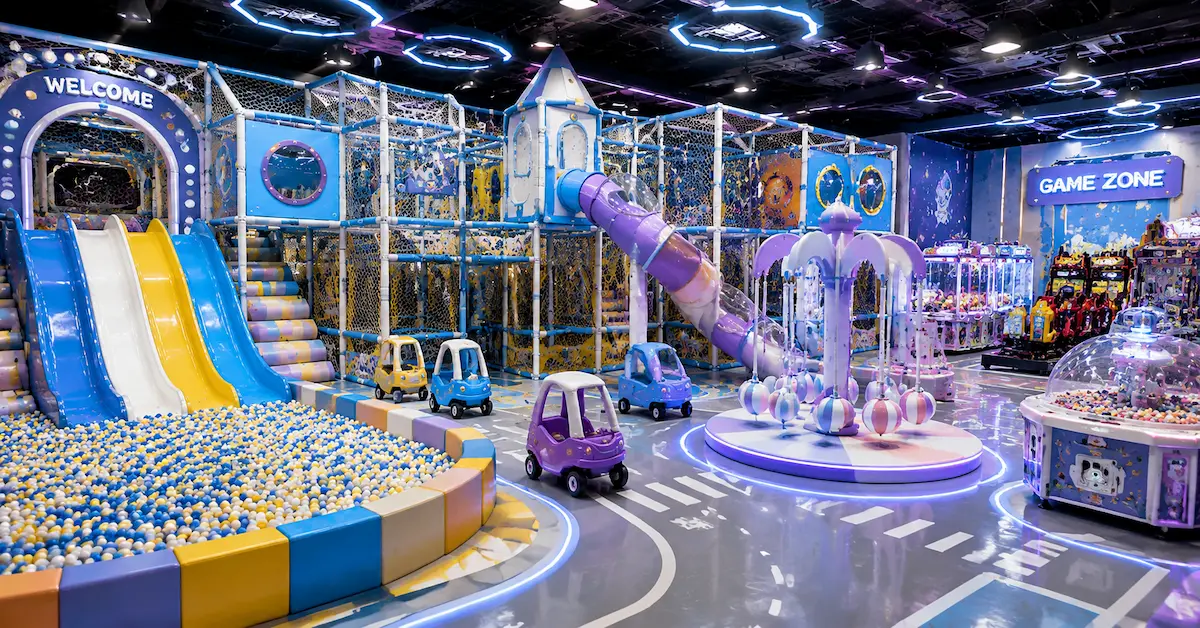
Why Material Selection Matters in Soft Play Equipment
Materials Affect Child Safety
Children’s playground equipment needs to withstand active movement and frequent interaction.
Suitable materials should provide:
- Soft impact protection
- Stable structures
- Smooth surfaces
- Non-toxic performance
- Comfortable touch
Poor-quality materials may create problems such as:
- Faster damage
- Difficult cleaning
- Reduced safety
- Higher maintenance costs
Materials Influence Equipment Lifespan
Commercial indoor playgrounds operate for many hours every day.
Equipment must handle:
- Continuous climbing
- Repeated jumping
- Frequent touching
- Daily cleaning
- Large numbers of visitors
High-quality materials help maintain performance over years of operation.
Materials Affect Customer Experience
The appearance and feel of soft play equipment influence how children interact with the environment.
Good materials support:
- Bright colors
- Attractive designs
- Comfortable surfaces
- Creative themes
- Better visual appeal
Common Soft Play Equipment Materials
EVA Foam
EVA foam is one of the most commonly used materials in soft play systems.
EVA stands for Ethylene Vinyl Acetate, a lightweight and flexible foam material.
Advantages of EVA Foam
EVA foam provides:
- Soft cushioning
- Shock absorption
- Lightweight structure
- Water resistance
- Easy shaping
It is commonly used for:
- Floor mats
- Soft blocks
- Protective padding
- Play obstacles
Why EVA Foam Is Popular
For children’s environments, EVA foam provides a balance between:
- Safety
- Comfort
- Durability
- Cost efficiency
It is especially suitable for areas where children frequently fall or crawl.
High-Density Foam
High-density foam is another important material used in commercial playground equipment.
Compared with standard foam, it provides stronger structural support.
Applications
High-density foam is commonly used for:
- Soft climbing structures
- Large play shapes
- Cushioned obstacles
- Protective components
Benefits
It offers:
- Better compression resistance
- Longer service life
- Stable shape retention
For commercial playgrounds, higher-density foam helps reduce deformation caused by frequent use.
PVC Coated Fabric
PVC-coated fabric is widely used as an outer covering material.
It is commonly applied to:
- Soft cushions
- Protective covers
- Inflatable elements
- Decorative surfaces
Advantages of PVC Material
PVC fabric provides:
- Waterproof performance
- Easy cleaning
- Color durability
- Wear resistance
This makes it suitable for high-traffic indoor playground environments.
Maintenance Benefits
Operators can usually clean PVC surfaces easily using:
- Water
- Mild cleaning solutions
- Standard maintenance procedures
This helps maintain hygiene in children’s play areas.
PU Leather and Synthetic Leather
Synthetic leather materials are often used for soft seating and decorative elements.
Applications include:
- Seats
- Rest areas
- Interactive equipment surfaces
Benefits
Synthetic leather provides:
- Smooth touch
- Attractive appearance
- Easy cleaning
- Multiple color options
It is often selected for premium indoor playground designs.
Fabric Materials
Fabric is used in some soft play applications, especially for decorative and comfortable areas.
Common uses include:
- Soft cushions
- Decorative covers
- Resting zones
Important considerations include:
- Cleaning ability
- Wear resistance
- Safety
- Color stability
Commercial playground fabrics should be selected based on frequent-use environments.
Plastic Components
Plastic is commonly used for structural and decorative parts.
Examples include:
- Slides
- Panels
- Interactive elements
- Protective covers
Common Plastic Types
Materials may include:
- HDPE plastic
- ABS plastic
- Engineering plastics
Benefits
Plastic components provide:
- Smooth surfaces
- Strong durability
- Easy maintenance
- Bright colors
They are widely used in themed playground structures.
Metal Frames and Structural Supports
Although soft play equipment focuses on cushioning, many systems include internal metal structures.
Metal supports provide:
- Stability
- Load-bearing strength
- Structural safety
Common materials include:
- Steel frames
- Stainless steel components
- Powder-coated metal structures
Importance of Metal Treatment
For indoor playground equipment, metal parts should have:
- Rust resistance
- Protective coatings
- Smooth finishing
- Secure connections
Proper treatment improves safety and service life.
Wood Components
Some premium playground designs include wooden elements.
Wood may be used for:
- Decorative structures
- Themed play areas
- Educational play equipment
Suitable wood materials should provide:
- Smooth surfaces
- Safe finishing
- Structural strength
Wood requires proper treatment to maintain durability.
Materials Used in Different Soft Play Areas
| Playground Area | Common Materials |
|---|---|
| Soft Flooring | EVA foam, rubber mats |
| Climbing Areas | High-density foam, PVC covers |
| Slides | HDPE plastic, fiberglass |
| Ball Pits | Plastic balls, foam protection |
| Seats | PU leather, fabric |
| Structures | Steel frames, plastic panels |
| Decorative Elements | Fabric, foam, plastic |
Different areas require different material combinations.
Safety Standards for Soft Play Materials
When selecting soft play equipment, buyers should consider:
Non-Toxic Materials
Materials should avoid:
- Harmful chemicals
- Unsafe coatings
- Poor-quality plastics
Fire Safety
Commercial playground materials should consider:
- Flame resistance
- Safety regulations
- Local requirements
Structural Safety
Materials should support:
- Weight requirements
- Frequent use
- Stable installation
A professional supplier should provide relevant safety information.
How Material Quality Affects Maintenance
Material choice directly impacts daily operation.
Easy Cleaning Materials
Materials such as PVC and synthetic leather are easier to clean.
They help operators maintain:
- Hygiene
- Appearance
- Customer confidence
Wear Resistance
High-quality materials reduce:
- Surface damage
- Replacement frequency
- Repair costs
Replacement Management
Professional playground suppliers should provide replacement options for:
- Covers
- Foam parts
- Plastic components
- Structural elements
How to Evaluate Soft Play Equipment Suppliers
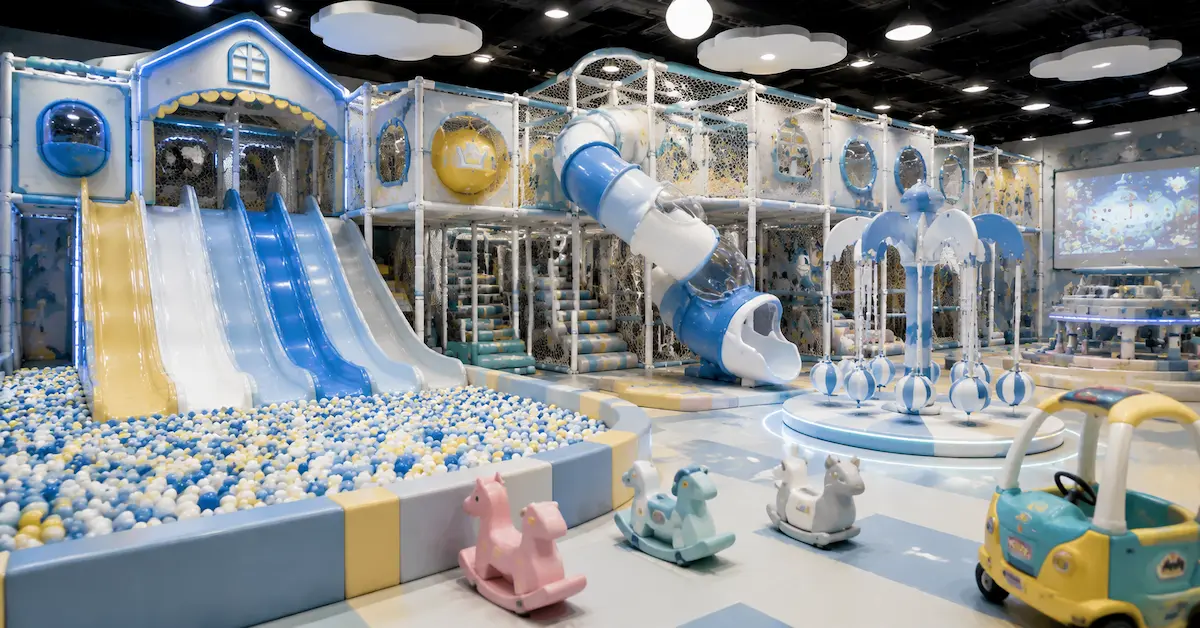
When selecting a supplier, buyers should evaluate:
Material Transparency
A reliable supplier should explain:
- Material types
- Thickness specifications
- Safety features
- Manufacturing process
Manufacturing Experience
Check whether the supplier has experience with:
- Indoor playground projects
- FEC installations
- International customers
Quality Control
Ask about:
- Material inspection
- Production testing
- Final inspection
Customization Capability
A professional supplier should support:
- Theme design
- Color customization
- Layout solutions
- Project requirements
Common Mistakes When Choosing Soft Play Materials
Focusing Only on Appearance
Beautiful designs are important, but material quality determines long-term performance.
Choosing Low-Cost Materials
Lower-cost materials may result in:
- Faster wear
- More repairs
- Reduced safety
Ignoring Cleaning Requirements
Commercial playgrounds require materials suitable for frequent cleaning.
Not Considering Long-Term Use
Operators should evaluate:
- Visitor volume
- Maintenance needs
- Replacement availability
Why Choose EPARK for Soft Play Equipment Solutions?
EPARK provides complete entertainment solutions for:
- Indoor playgrounds
- Family entertainment centers
- Children’s play areas
- Shopping malls
- Entertainment venues
EPARK supports:
- Playground design
- Equipment selection
- Material solutions
- Manufacturing
- Installation support
- After-sales service
Explore EPARK’s playground and amusement solutions, learn more about EPARK’s company capabilities, or check common questions through the EPARK FAQ page.
FAQ About Soft Play Equipment Materials
What materials are commonly used in soft play equipment?
Common materials include EVA foam, high-density foam, PVC fabric, synthetic leather, plastic components, and metal support structures.
Why is EVA foam used in playground equipment?
EVA foam provides cushioning, flexibility, lightweight performance, and impact protection, making it suitable for children’s play areas.
Are PVC materials suitable for indoor playgrounds?
Yes. PVC-coated materials are popular because they are durable, waterproof, and easy to clean.
How do materials affect playground maintenance?
High-quality materials reduce cleaning difficulty, wear problems, and replacement costs.
What should buyers ask a soft play equipment supplier?
Buyers should ask about material specifications, safety standards, manufacturing experience, customization options, and after-sales support.
Can EPARK customize soft play equipment materials and designs?
Yes. EPARK can provide customized playground solutions based on theme, space, customer groups, and project requirements.
Conclusion
Understanding soft play equipment materials helps investors and operators make better decisions when developing indoor playground projects.
The right combination of foam, fabric, plastic, metal, and protective materials creates equipment that is:
- Safe
- Durable
- Easy to maintain
- Attractive to children
- Suitable for commercial operation
Choosing an experienced supplier ensures that material selection, design, manufacturing, and installation work together to create a successful indoor playground environment.
Need Help Selecting Soft Play Equipment?
Share your:
- Playground size
- Theme requirements
- Target age groups
- Budget range
EPARK can help create a complete soft play equipment solution with suitable materials and professional project support.
General Disclaimer
All data on https://www.eparki.com is for general guidance only. As a leading indoor playground manufacturer and trampoline supplier, EPARK strives for accuracy but gives no express or implied warranty regarding completeness, performance or project fitness. Product specs, designs and results may vary with use and customer requirements. Buyers must verify technical details, compliance and suitability before purchase. EPARK OEM/ODM is not liable for any direct, indirect or consequential damages arising from site use. For custom solutions, contact our manufacturer and supplier team via the Contact page.
Intellectual Property
Text, images, videos, CAD files and software are Guangzhou EPARK Electronic Technology Co., Ltd. All rights reserved. No part may be copied, republished or used commercially without prior written permission. We will pursue legal action for copyright or design-patent infringement.
Trademarks
"EPARK", the EPARK logo and related graphics are registered trademarks of Guangzhou EPARK Electronic Technology Co., Ltd. Unauthorized use in ads, domain names or packaging is prohibited.
Governing Law
These terms are governed by the laws of the People's Republic of China.
Contact
Questions? Email sales@nanyuetech.com or WhatsApp +86 139 0307 9263.