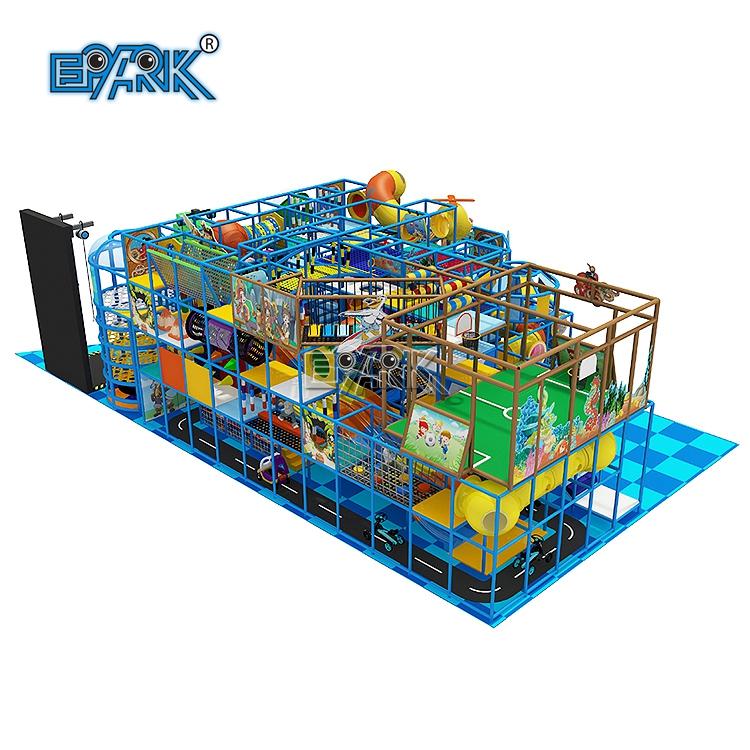
When designing a vibrant, engaging indoor play area, visual appeal and stimulating features like slides and climbing frames often take center stage. However, at the heart of these amenities lies a more crucial factor: the choice of environmentally friendly indoor playground materials. This fundamental decision not only impacts the durability and lifespan of the equipment, but more importantly, it impacts the safety and well-being of the children who use it. Creating a responsible play space requires going beyond the surface to ensure an environment that is both healthy, sustainable, and fun.
Defining environmentally friendly and safe materials
So, what exactly constitutes high-quality, responsible materials for play equipment? When we talk about eco-friendly indoor playground materials, we mean components that are non-toxic, sustainably sourced, and long-lasting. This means they're free of harmful chemicals like lead, phthalates, and BPA, which can pose health risks to young children. Furthermore, these materials are often made from recycled materials or renewable resources, reducing the overall environmental footprint. Durability is also a key environmental attribute; a playground that can withstand years of intense play without decay means less landfill waste and a better long-term investment for business owners.
Prioritizing children's health and well-being
The most direct benefit of using high-quality, non-toxic materials is their impact on children's health. In enclosed indoor environments, offgassing from inferior plastics and finishes can affect air quality and potentially trigger allergies or other sensitivity symptoms. We select materials that meet or exceed international safety standards, creating a space for children to explore, climb, and play, avoiding unnecessary exposure to harmful substances. This commitment to safety also extends to structural integrity. High-quality, durable components ensure the safety of each tunnel, climbing passage, and slide, giving parents and operators peace of mind as young adventurers indulge in imaginative play.
EPARK is committed to providing high-quality, sustainable gaming experiences
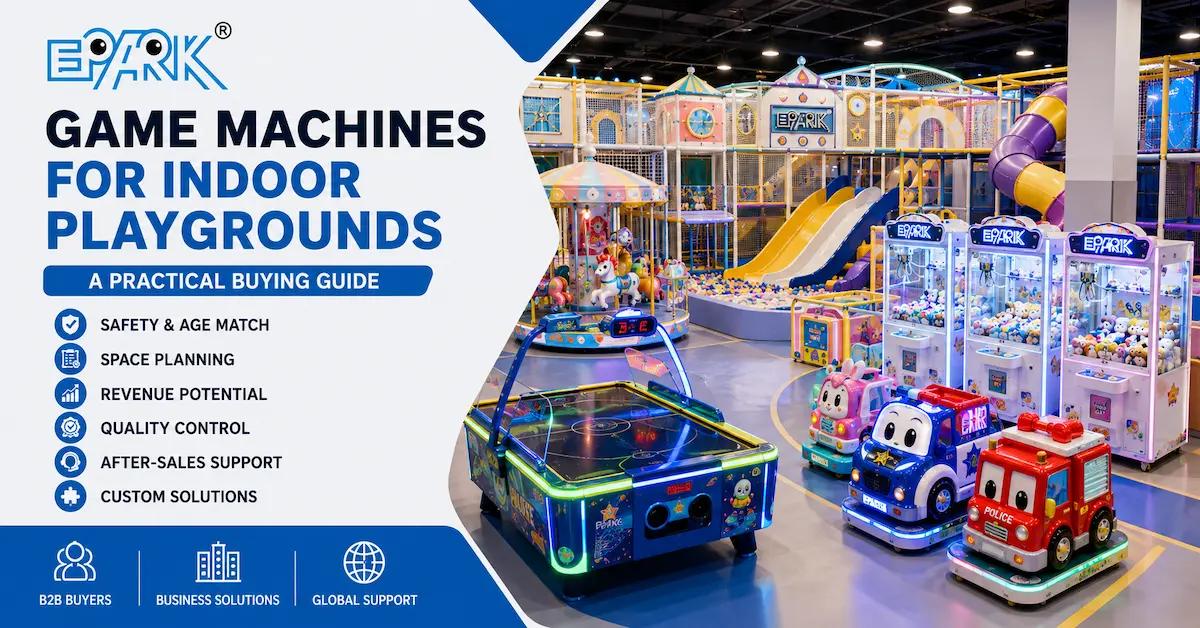
At EPARK, we understand that the core of every thrilling spiral slide, challenging ninja course, and colorful play area lies in the superior quality of the components used. Our meticulously designed children's playgrounds are always built with safety in mind. We use high-quality, non-toxic, and safety-certified materials to create our dynamic play structures. From the durable, lattice-designed floor to the sophisticated climbing ladders and safety nets, every element is carefully selected for safety, durability, and minimal environmental impact. This ensures that our playgrounds are not only centers of fun and activity, but also responsible choices for family entertainment centers or community spaces.
Investing in a greener, happier future
Ultimately, investing in an indoor playground is an investment in children's joy, social development, and physical well-being. By carefully selecting equipment constructed from high-quality, environmentally friendly materials, playground owners do more than just provide a fun-filled play structure. They create a truly nurturing environment, safeguard children's health, and demonstrate a commitment to environmental protection. This thoughtful approach ensures that the laughter and memories created within the playground are built on a foundation of safety, quality, and care for generations to come.
General Disclaimer
All data on https://www.eparki.com is for general guidance only. As a leading indoor playground manufacturer and trampoline supplier, EPARK strives for accuracy but gives no express or implied warranty regarding completeness, performance or project fitness. Product specs, designs and results may vary with use and customer requirements. Buyers must verify technical details, compliance and suitability before purchase. EPARK OEM/ODM is not liable for any direct, indirect or consequential damages arising from site use. For custom solutions, contact our manufacturer and supplier team via the Contact page.
Intellectual Property
Text, images, videos, CAD files and software are Guangzhou EPARK Electronic Technology Co., Ltd. All rights reserved. No part may be copied, republished or used commercially without prior written permission. We will pursue legal action for copyright or design-patent infringement.
Trademarks
"EPARK", the EPARK logo and related graphics are registered trademarks of Guangzhou EPARK Electronic Technology Co., Ltd. Unauthorized use in ads, domain names or packaging is prohibited.
Governing Law
These terms are governed by the laws of the People's Republic of China.
Contact
Questions? Email sales@nanyuetech.com or WhatsApp +86 139 0307 9263.