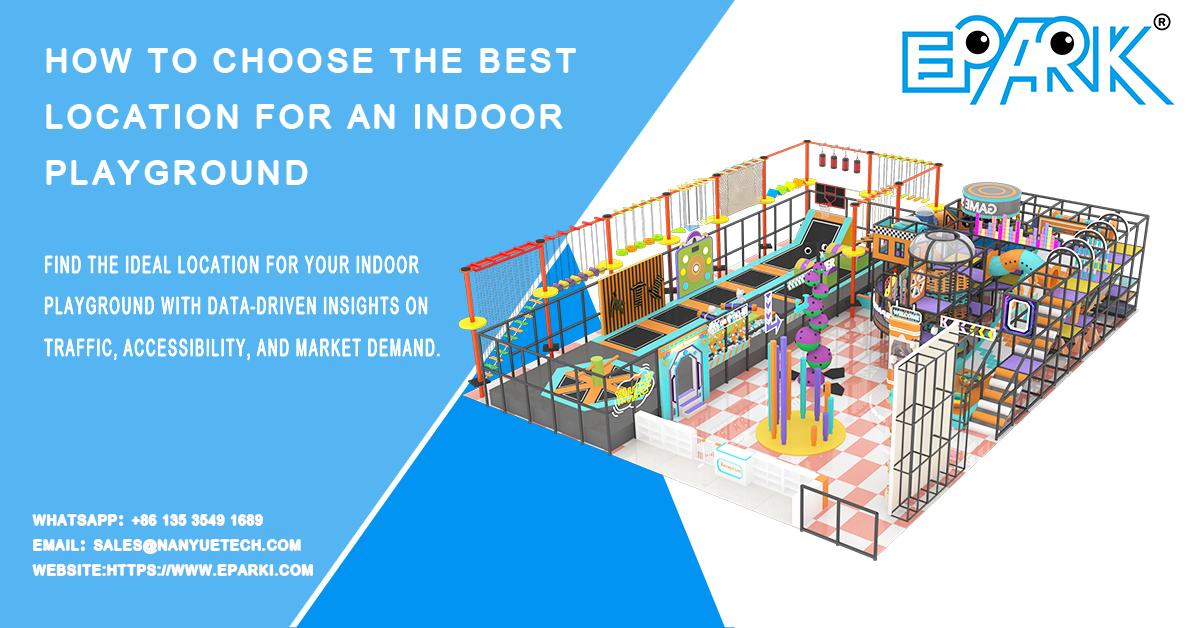
How to Choose the Best Location for an Indoor Playground: A Complete B2B Guide
Introduction
Choosing the right location is the single most important factor that determines the long-term profitability of an indoor playground. For B2B buyers—whether you are a mall operator, franchise owner, investor, or playground supplier partner—the strategic selection of a site affects customer flow, operational efficiency, and brand competitiveness. A well-positioned indoor play area consistently attracts families, generates repeat visits, and increases the lifetime value of each customer.
This guide provides a data-driven, professional framework used by top commercial developers when selecting indoor playground locations. With heat maps, demographic insights, and competitor analysis, you’ll be able to make informed decisions that align with commercial goals.
Why Location Matters for Indoor Playground Success
Choosing the wrong location can turn even a well-designed family entertainment center into a low-performing asset. The right site increases visibility, reduces marketing costs, and strengthens brand positioning.
A strategic location enhances:
-
Daily foot traffic, which directly affects revenue
-
Customer convenience, encouraging repeat visits
-
Brand credibility, especially when positioned near reputable anchor tenants
-
Operational efficiency, thanks to better accessibility, parking, and customer flow
Strong locations also reduce business risk because they naturally generate organic customer traffic without relying heavily on paid ads or external promotions.
Key Factors to Consider When Choosing a Location
Demographic Analysis
Successful indoor playgrounds are supported by a strong base of family households. When evaluating demographics, consider population density, children’s age groups, and overall income level.
Ideal demographic benchmarks
| Indicator | Ideal Range | Importance |
|---|---|---|
| Children aged 0–12 | 12–15% of local population | Provides stable daily visitors |
| Household income | $55,000+ | Supports discretionary spending on entertainment |
| Family households | Above city average | Higher demand for child-friendly venues |
| Growth trend | Positive | Long-term revenue security |
Use tools such as local census databases and mall feasibility reports to confirm whether the area has the demand needed to support a commercial playground.
You can also explore demographic-related articles via our blog, such as “How to Profile Your Indoor Playground Target Audience”
Foot Traffic Evaluation
Not all foot traffic is equal. A location may have thousands of daily visitors but only a small percentage may fall into your target audience.
Assess the quality of foot traffic
-
Count families with children
-
Check weekday versus weekend patterns
-
Identify peak hours
-
Understand buying behaviors around entertainment areas
A high-performing indoor playground location usually sees 1,500–3,000 daily visitors within the surrounding area. Premium malls with anchor tenants may generate three times that number, giving your indoor play area instant visibility and built-in marketing power.
Using Heat Maps for Smarter Site Selection
Heat maps provide a more precise view of how customers move across a region or shopping center. These mobility maps allow investors to visualize high-traffic zones in real time.
Heat maps help identify:
-
Active zones (red/orange areas) vs low-traffic zones
-
Most-used mall entrances
-
Customer movement between entertainment and dining areas
-
Areas influenced by anchor tenants
When selecting a spot inside a mall, choose zones with high activity near escalators, food courts, cinemas, or supermarkets. These areas naturally attract families and boost walk-in conversion.
Competitive Landscape Evaluation
Competition can be either an advantage or a threat. A reasonable number of competitors indicates healthy demand, while market saturation can reduce potential profit.
Evaluate competitors based on:
-
Number of indoor playgrounds within a 3–5 km radius
-
Their pricing models and themed positioning
-
Customer reviews and online presence
-
Facility size, equipment quality, and cleanliness
-
Key differentiators or gaps you can fill
If competitors lack STEM themes, sensory rooms, or ninja courses, you can position your indoor playground as a differentiated and higher-value option.
For references on equipment selection and differentiation strategy, visit our product page: Indoor Playground Equipment Collection
Accessibility, Parking, and Visibility
Parents want convenience, safety, and easy access. If reaching your location is difficult, families are less likely to visit frequently.
Key accessibility criteria
-
Parking availability: 30–50 spaces within close range
-
Public transport proximity: Bus/subway within 5 minutes
-
Clear signage: Visible from multiple angles
-
Wide entrances: Easier for strollers and families
-
Safe pathways: No unsafe roads or long detours
A highly visible location helps children notice the indoor play area, increasing request-driven visits.
Comparing Mall, Street-Level, and Standalone Locations
Different property types impact your operational model, renovation costs, and customer acquisition strategy.
Location Type Comparison
| Property Type | Advantages | Considerations |
|---|---|---|
| Shopping Mall | High foot traffic, strong brand synergy | High rent, stricter design restrictions |
| Street-Level Store | Lower rent, strong community presence | Requires more independent marketing |
| Standalone Building | Custom design flexibility, large play space | Higher construction costs, permitting challenges |
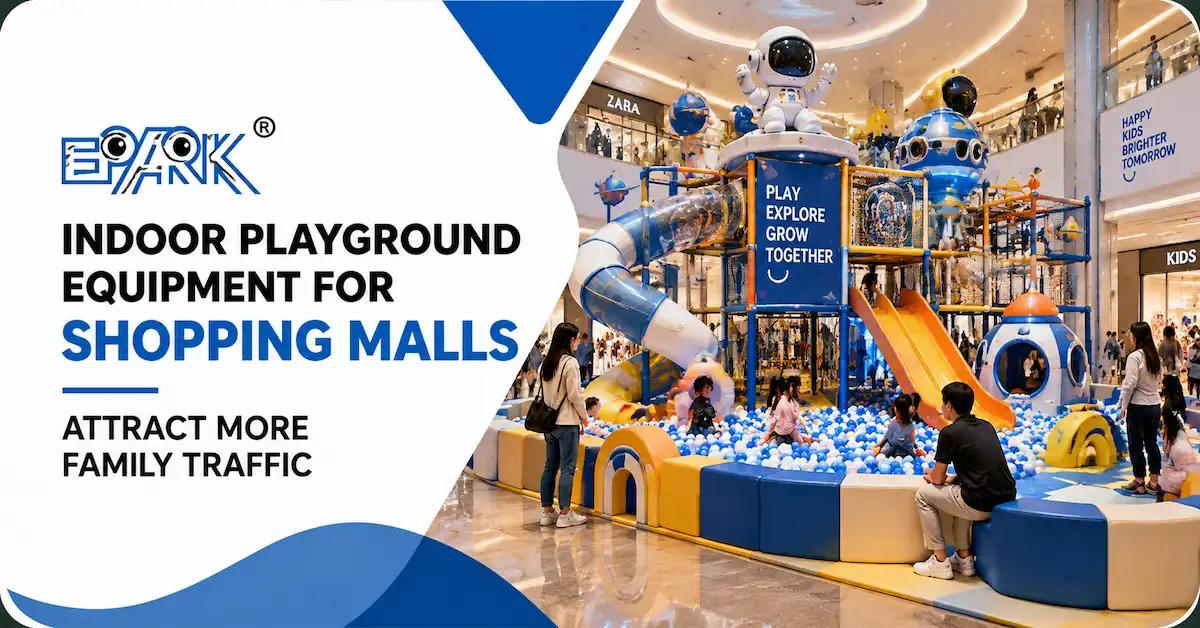
Most investors choose malls because of guaranteed customer flow, but standalone buildings work well for large-format indoor playgrounds that include party rooms, dining areas, or outdoor zones.
Safety Standards, Structural Requirements & Compliance
Choosing a location for an indoor playground requires verifying the building’s structural capacity and compliance with international safety standards.
Key structural requirements
-
Ceiling height: Minimum 4.5–6 m
-
Floor load-bearing capacity: 350–500 kg/m²
-
Ventilation: Minimum 6–8 air changes per hour
-
Fire exit standards: Two exits within immediate accessibility
-
Electrical capacity: 50–100 kW supply
Common safety standards
-
ASTM F1918 — U.S. soft play safety
-
EN 1176 — European playground standard
-
GB/T 27689 — China indoor playground standard
Ensuring compliance early avoids renovation delays, failed inspections, or costly structural modifications later.
Practical Tips to Identify a High-Potential Location
Conduct On-Site Observations
Visit the site during peak and non-peak hours to observe family movement, traffic volume, and potential operational challenges. Pay attention to noise, lighting, ventilation, and how families interact with the surrounding environment.
Assess Storefront Visibility and Design Potential
A visually attractive storefront increases spontaneous visits.
Best visibility practices
-
Transparent front walls for visibility
-
Large, thematic signage
-
Bright LED displays
-
Entrance near escalators or major corridors
The more visible your indoor playground is, the lower your marketing cost will be over time.
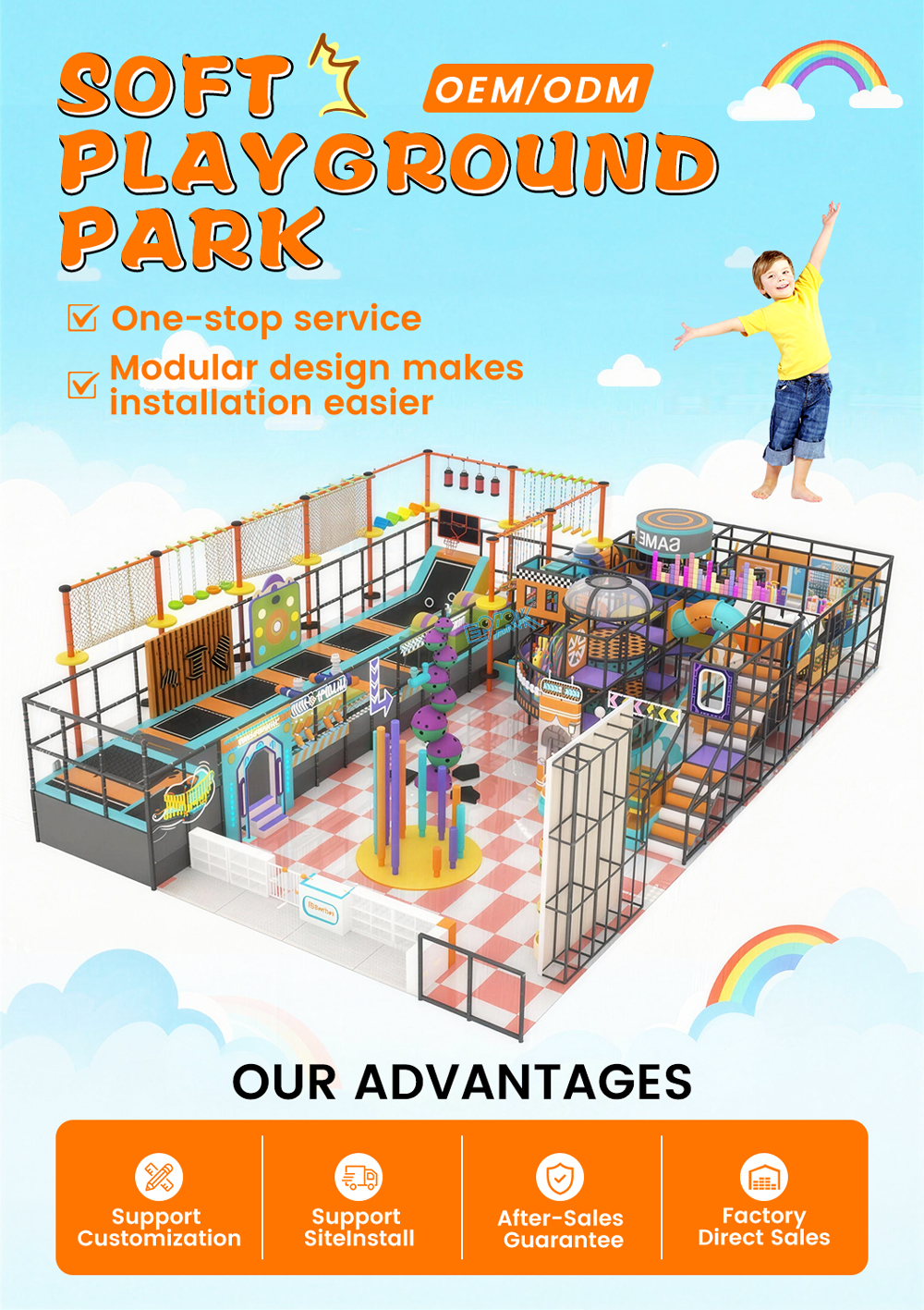
Analyze Surrounding Family-Oriented Businesses
Locations near child-focused businesses create natural synergy. Families already visiting for shopping, dining, or learning are more likely to visit your playground.
High-value neighboring businesses
-
Children’s clothing stores
-
Daycare centers
-
Family restaurants and cafes
-
Cinemas and bowling alleys
-
Hypermarkets and grocery anchors
The higher the synergy, the stronger your customer flow.
Strategies to Increase Traffic After Opening
Even in a high-quality indoor playground location, active marketing increases traction.
Effective strategies include:
-
Hosting themed holiday events
-
Collaborating with schools and communities
-
Offering loyalty programs or membership cards
-
Using mall-wide promotions and influencer marketing
-
Creating well-designed photo zones for social media sharing
The goal is to maintain long-term customer engagement and reduce reliance on ads.
Choosing the best location for an indoor playground requires a structured approach blending demographic research, foot traffic evaluation, heat map analysis, and compliance checks. A high-quality location improves visibility, customer retention, and profitability—while reducing operational risks.
By understanding your market, analyzing competition, and choosing a safe and accessible building, you can position your indoor playground for long-term success in the rapidly growing family entertainment industry.
If you’re planning to build an indoor playground or need expert assistance analyzing potential locations, our team can help.
We provide:
-
Site evaluation
-
Custom 3D design
-
Soft play equipment manufacturing
-
Turnkey indoor playground solutions
Contact us today to get a customized quotation and start building a high-profit indoor playground.
General Disclaimer
All data on https://www.eparki.com is for general guidance only. As a leading indoor playground manufacturer and trampoline supplier, EPARK strives for accuracy but gives no express or implied warranty regarding completeness, performance or project fitness. Product specs, designs and results may vary with use and customer requirements. Buyers must verify technical details, compliance and suitability before purchase. EPARK OEM/ODM is not liable for any direct, indirect or consequential damages arising from site use. For custom solutions, contact our manufacturer and supplier team via the Contact page.
Intellectual Property
Text, images, videos, CAD files and software are Guangzhou EPARK Electronic Technology Co., Ltd. All rights reserved. No part may be copied, republished or used commercially without prior written permission. We will pursue legal action for copyright or design-patent infringement.
Trademarks
"EPARK", the EPARK logo and related graphics are registered trademarks of Guangzhou EPARK Electronic Technology Co., Ltd. Unauthorized use in ads, domain names or packaging is prohibited.
Governing Law
These terms are governed by the laws of the People's Republic of China.
Contact
Questions? Email sales@nanyuetech.com or WhatsApp +86 139 0307 9263.