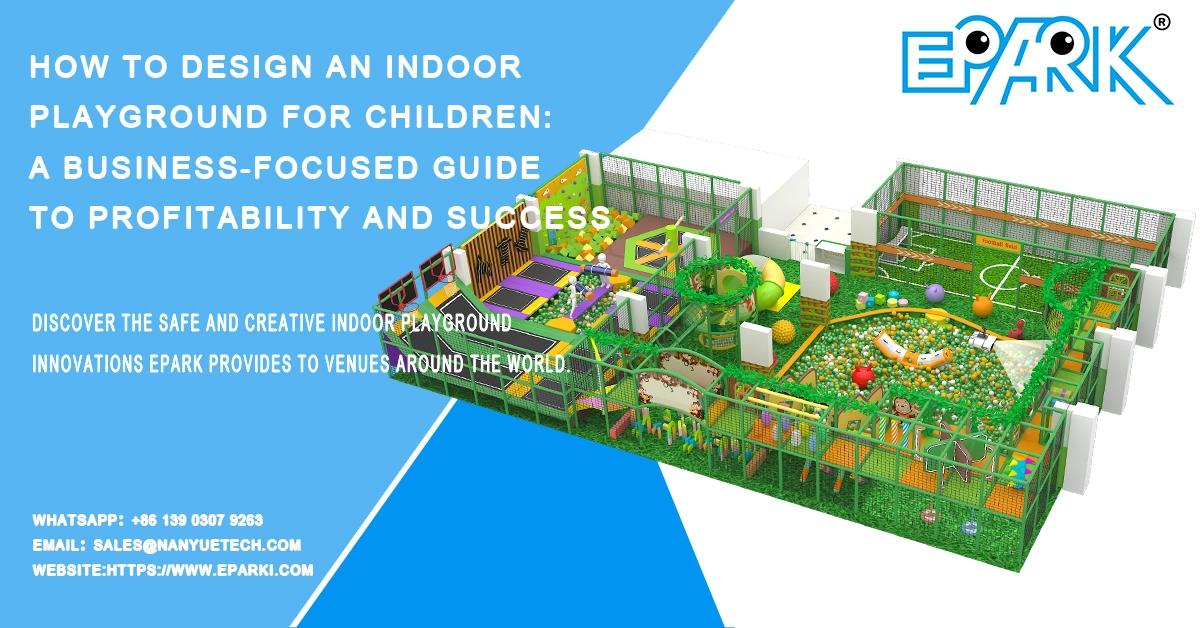
introduce
The children's indoor playground industry has grown rapidly in recent years, driven by growing demand for safe, fun, and educational spaces where children can have fun in all weather conditions. For entrepreneurs, shopping malls, and family entertainment centers, designing indoor playgrounds is not just about having fun; it's about creating a profitable business model .
This guide explores how to design an indoor children's playground focused on commercial success, customer experience, and long-term sustainability . From site planning and budgeting to revenue strategies and marketing, we'll help you design a playground that attracts families, keeps children engaged, and generates high returns.
Step 1: Research the market and define your concept
Before investing in a kids indoor playground, conduct market research to identify opportunities.
-
Who is your target audience? Families, schools, daycare centers, or tourists?
-
What's missing in your area? Maybe there are lots of outdoor parks but no indoor parks.
-
Who are your competitors? Analyze existing indoor playgrounds nearby – what services do they offer? How can you stand out?
Your concept will determine the size and style of your playground:
-
Small community play areas (100-200 square metres) may be aimed primarily at toddlers and pre-schoolers.
-
Medium-sized entertainment areas (200-500 square meters) may include themed rides, party rooms, and cafes.
-
Large Family Entertainment Centers (FECs) (over 500 square meters) can integrate trampolines, VR games, climbing walls, and multi-age play areas.
Step 2: Site Selection - The Basis of Profitability
Choosing the right location is one of the key decisions for a playground's success.
Ideal Locations for Children's Indoor Playgrounds:
-
Shopping malls – have a large flow of people and are convenient for family outings.
-
Residential Area - Close to schools and residential areas.
-
Tourist area - a family-friendly attraction.
-
Restaurants and cafes – smaller playground corners to retain customers.
Key factors to consider:
-
Accessibility (parking, public transportation)
-
Safety and neighborhood reputation
-
Dimensions and ceiling height (minimum 4-6 meters for multi-story structures)
-
Lease terms and lease costs
Step 3: Business-oriented layout and design
Unlike family playgrounds, commercial indoor playgrounds must balance safety, fun, and revenue generation .
Key areas include:
-
Entrance and reception – First impressions matter. Use a digital check-in system and a welcoming design.
-
Toddler Area – A safe area for children aged 1-3 years.
-
Main play area – slides, tunnels, climbing frames, trampolines.
-
Party Room – Get a huge boost in revenue with birthday events.
-
Cafe/Parents Lounge – Parents can spend money here while their children play.
-
Retail Corner – selling toys, snacks and souvenirs.
-
Staff Offices and Warehouse – ensuring daily operations run smoothly.
Traffic flow considerations:
-
Maintain high visibility so parents can keep an eye on their children.
-
Ensure emergency exits are clear.
-
Locate cafes and retail areas near exits to maximize sales.
Step 4: Choose the right equipment to achieve profitability
High-quality indoor playground equipment not only ensures safety but also increases customer satisfaction and return rate.
Recommended equipment categories:
-
Classic attractions : slide, ball pit, climbing frame.
-
Adventure Features : Ropes course, Ninja Warrior obstacles, Trampolines.
-
Interactive games : touch screen, digital games, VR or AR capabilities.
-
Role-playing corner : mini kitchen, supermarket, fire station.
-
Party amenities : Custom decorations, tables, and chairs for birthday celebrations.
Additional features to increase profits:
-
Arcade – encourages repeat purchases.
-
Gift redemption games – increase excitement and loyalty.
-
Photo Booth – Extra income and social media promotion.
Always purchase from certified indoor playground manufacturers to ensure compliance with ASTM, EN1176, and CE safety standards .
Step 5: Budget and Financial Planning
The cost of designing a children's indoor playground depends on its size and complexity.
Estimated investment scope:
-
Small play area (100-200 square meters): $50,000-100,000
-
Medium playground (200–500 square meters): $100,000–$300,000
-
Large FEC (500+ sqm): $300,000–$1,000,000+
Key expenses to plan for:
-
Playground equipment and installation
-
Leasing and facility improvements
-
Staff recruitment and training
-
Insurance and safety compliance
-
Marketing Activities
-
Maintenance and cleaning services
Tip : Plan at least 12-18 months of operating costs into your financial model to ensure sustainability.
Step 6: Safety Standards and Legal Compliance
Commercial profitability depends largely on the trust of parents . Safety is the primary selling point of any indoor playground.
-
Material safety : non-toxic, flame retardant, antibacterial surface.
-
Playground layout : separate areas for toddlers and older children.
-
Maintenance Protocol : Daily inspections and monthly deep cleanings.
-
Emergency preparedness : fire exits, medical kits, and staff training.
-
What's covered : Liability insurance to protect against accidents.
By following international standards such as ASTM F1918 and EN1176 , you can ensure safety and credibility.
Step 7: Staffing and Operations
Your employees play a vital role in safety and customer satisfaction.
-
Play Supervisors – ensure safe play and assist children.
-
Party Host – Hosts birthday events and keeps the kids entertained.
-
Maintenance staff - responsible for cleaning and equipment inspection.
-
Customer Service Staff – Manages reception, ticketing, and memberships.
Well-trained staff not only make your playground safer, but also more fun for families, which keeps people coming back.
Step 8: Income Sources Other Than Admission Fees
A profitable children's indoor playground does not rely solely on ticket sales. Diversify your revenue streams to maximize profits.
Popular profit models:
-
Admission Fees – Hourly or daily unlimited admission.
-
Membership Programs – Offer monthly or annual passes for loyal families.
-
Birthday Parties and Events – Premium packages that include food, decorations, and entertainment.
-
Cafe and food sales – parents consume while children play.
-
Merchandise sales – toys, souvenirs and branded merchandise.
-
Arcade – ongoing coin-op revenue.
-
Sponsorships and Partnerships – Partner with local schools or brands.
💡 Smart operators often find that birthday parties account for 30-40% of the total revenue of indoor playgrounds .
Step 9: Marketing strategy for long-term success
No matter how well designed your playground is, if you don’t market it effectively, customers won’t come.
Online Marketing:
-
SEO Optimization : Rank for keywords such as children's indoor playground, indoor playground business, and family entertainment center .
-
Social media engagement : Share videos, customer reviews, and event highlights on Instagram, TikTok, and Facebook.
-
Google Ads and Local SEO : Target families looking for kids activities near you.
Offline Marketing:
-
School Partnerships : Group discounts are available for field trips.
-
Mall collaborations : Cross-promotions with retailers and food courts.
-
Community Activities : Sponsor local festivals and children's programs.
Step 10: Future-proof your indoor playground business
The entertainment industry is constantly evolving. To keep your amusement park up to date, keep up with the latest trends:
-
Digital integration – adding AR, VR, and interactive projections.
-
Environmentally friendly materials – using sustainable, recyclable equipment.
-
Inclusive Play – Designing spaces for children with special needs.
-
STEM Learning Zone – Integrating play with science and education.
-
Flexible space – modular design that can be easily updated.
in conclusion
Designing an indoor children's playground isn't just about creating a fun space; it's about building a sustainable business model . By carefully selecting a suitable location, designing a business-oriented layout, choosing certified equipment, implementing safety protocols, and developing multiple revenue streams, you can create a playground that's both family-friendly and generates strong returns for you as an investor.
A successful indoor playground should be fun, safe, and profitable . If children enjoy the experience, families will keep coming back; and if the business is managed well, investors will reap strong returns.
Now that you know how to design a profitable indoor playground for children, the next step is to turn your vision into reality with the right indoor playground manufacturer and a business plan .
General Disclaimer
All data on https://www.eparki.com is for general guidance only. As a leading indoor playground manufacturer and trampoline supplier, EPARK strives for accuracy but gives no express or implied warranty regarding completeness, performance or project fitness. Product specs, designs and results may vary with use and customer requirements. Buyers must verify technical details, compliance and suitability before purchase. EPARK OEM/ODM is not liable for any direct, indirect or consequential damages arising from site use. For custom solutions, contact our manufacturer and supplier team via the Contact page.
Intellectual Property
Text, images, videos, CAD files and software are Guangzhou EPARK Electronic Technology Co., Ltd. All rights reserved. No part may be copied, republished or used commercially without prior written permission. We will pursue legal action for copyright or design-patent infringement.
Trademarks
"EPARK", the EPARK logo and related graphics are registered trademarks of Guangzhou EPARK Electronic Technology Co., Ltd. Unauthorized use in ads, domain names or packaging is prohibited.
Governing Law
These terms are governed by the laws of the People's Republic of China.
Contact
Questions? Email sales@nanyuetech.com or WhatsApp +86 139 0307 9263.