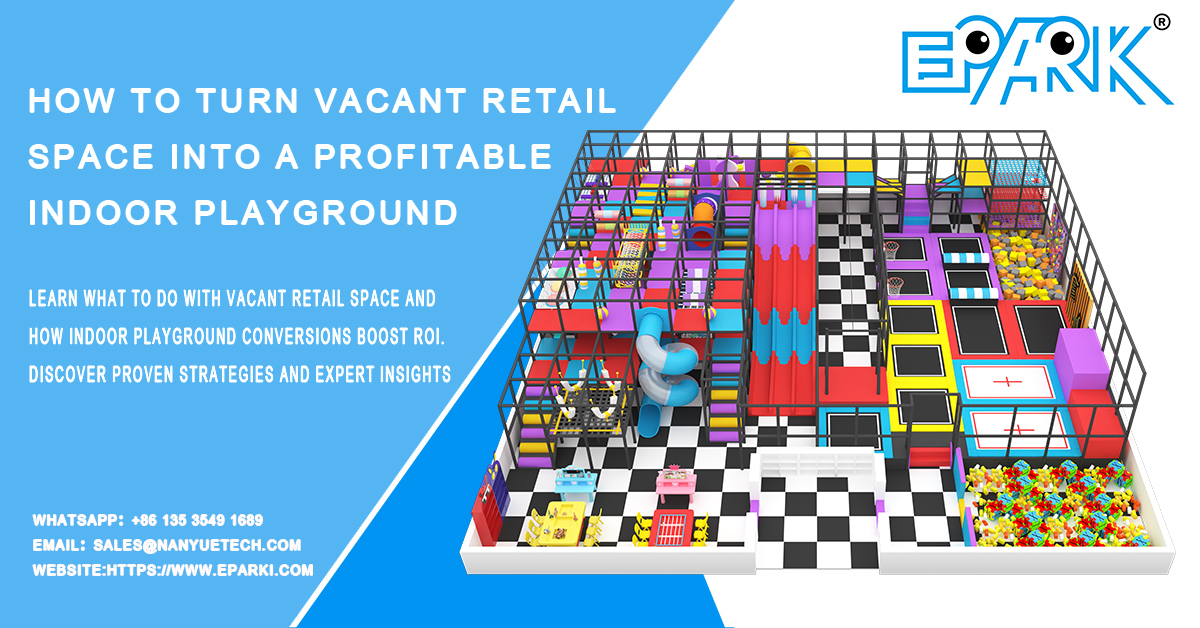
What to Do With Vacant Retail Space? Smart Conversion Ideas to Maximize Revenue
Empty retail storefronts are increasingly common as shopping habits evolve and e-commerce continues to grow. For commercial landlords, property developers, shopping center owners, and investors, the question isn’t just why retail space is going unused — it’s what to do with vacant retail space in a way that maximizes revenue, increases foot traffic, and strengthens overall property value.
This article explores practical, profitable strategies for repurposing vacant retail units. We focus on experiential conversions — especially indoor playgrounds — while covering other innovative approaches such as pop-up leasing, community venues, micro-fulfillment centers, and flexible workspaces. You’ll also find useful data, industry standards, and actionable implementation steps.
Why Repurposing Vacant Retail Space Matters
Retail vacancies impact more than rental income — they affect surrounding tenant performance, consumer perception, and long-term property valuation.
Changing Retail Trends
The decline of traditional brick-and-mortar shopping has accelerated in recent years. Many brands now operate online, and consumers prefer experiences over products. This has created an increased demand for experience-oriented tenants, such as family-focused entertainment centers and interactive venues.
At the same time, landlords face pressure to optimize space utilization, reduce downtime, and generate consistent returns from every square foot.
Economic and Community Benefits
Repurposing vacant units can boost:
-
Foot traffic across the property
-
Ancillary sales for adjacent tenants
-
Community engagement
-
Long-term commercial sustainability
For example, adding an entertainment space or a flexible event venue can transform an underperforming retail corridor into a year-round destination.
Top Strategies for Repurposing Vacant Retail Space
Below are the most effective ways to transform empty retail real estate into profitable, sustainable assets.
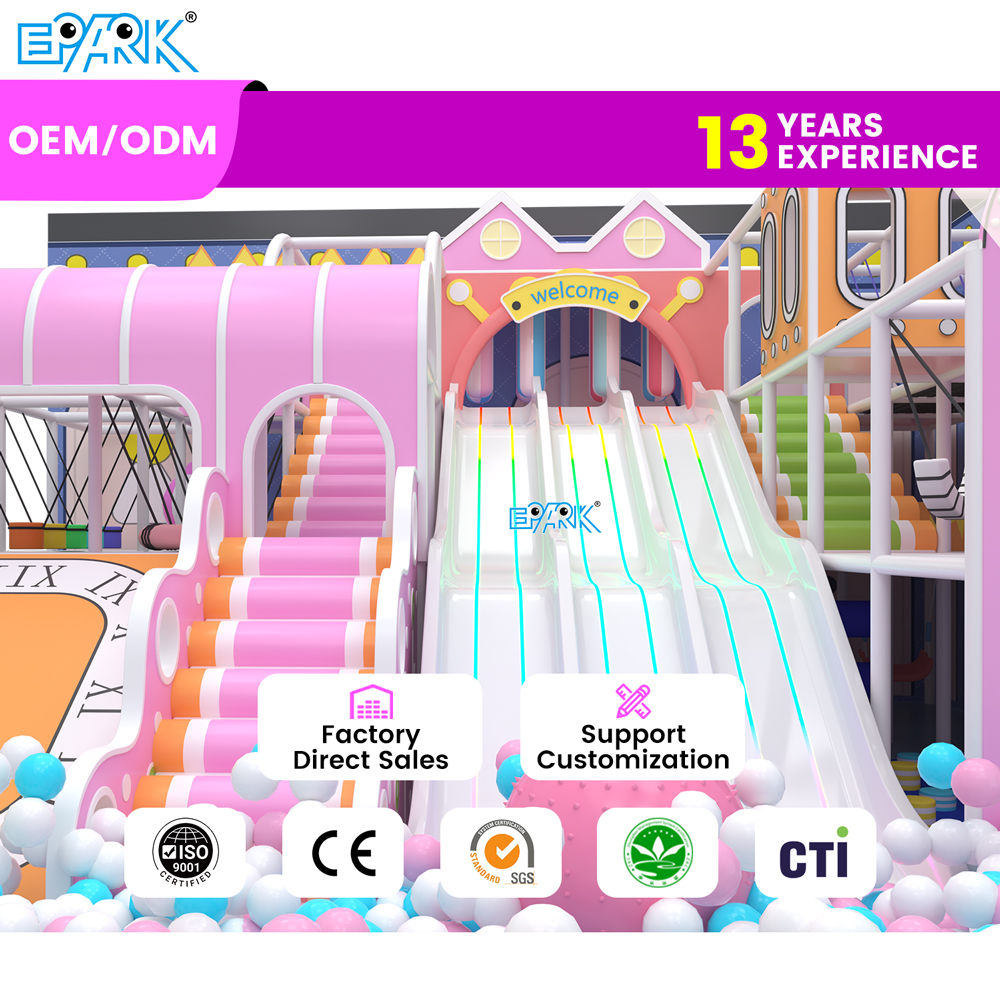
1. Convert Vacant Retail Space Into a Family Entertainment Center (FEC)
One of the most successful options for landlords today is turning vacant retail space into an indoor playground or family entertainment center.
Why This Conversion Works
Unlike traditional retail, entertainment destinations are destination-driven. Families will travel specifically to visit, leading to predictable traffic and high dwell time. Indoor playgrounds are especially valuable near residential populations, schools, and family-oriented neighborhoods.
Indoor playgrounds also generate multiple revenue streams, from entry tickets and memberships to birthday parties and food & beverage sales.
Growing Demand for Indoor Play
According to industry data, family entertainment centers are among the fastest-growing experiential tenants, with consistent demand even during economic fluctuations. Parents increasingly prioritize safe, structured play environments that allow children to socialize, burn energy, and build developmental skills.
This trend has made indoor playground investments increasingly attractive, particularly for property owners seeking long-term tenants.
For an in-depth look at profitability benchmarks for indoor playgrounds, check out our data-driven guide on how profitable indoor playgrounds really are.
Read here: https://www.eparki.com/blog/how-profitable-are-indoor-playgrounds-a-data-driven-guide-for-investors
Design Components for an Indoor Playground
Most successful indoor playgrounds include a combination of:
-
Soft play structures (foam cladding, padded surfaces)
-
Activity zones (climbing, slides, sensory play)
-
Trampoline or sporty play areas
-
Toddler-specific modules
-
Party rooms and event spaces
-
Arcade or electronic game zones
-
Food & beverage area
Each element adds value and extends the duration of visits, which can increase per-customer revenue.
Safety and Industry Standards
Ensuring compliance with playground safety standards is critical for liability reduction and long-term success. Common benchmarks include:
| Standard | Region | Purpose |
|---|---|---|
| EN1176 | Europe | Safety standards for playground equipment |
| EN1177 | Europe | Impact absorbing playground surfaces |
| ASTM F1918 | USA | Soft play equipment safety specification |
| ASTM F2970 | USA | Safety requirements for inflatable play |
Working with a reputable manufacturer of indoor play equipment ensures compliance, quality, and longevity.
2. Lease Space to Pop-Up Stores and Seasonal Brands
Pop-up retail has emerged as a powerful short-term leasing strategy. These temporary storefronts provide novelty and unpredictability — both of which attract shoppers.
Benefits of Pop-Ups
-
Rapid build-out, often within days
-
Testing grounds for emerging brands
-
Seasonal revenue spikes during holidays
-
Lower long-term commitment for both landlord and tenant
Pop-ups can be fashion, tech, beauty, or specialty concept stores that rotate frequently, keeping the space lively and engaging for visitors.
This strategy works especially well in malls or urban shopping districts with strong pedestrian flow.
3. Create a Multi-Purpose Community or Event Space
Vacant retail space can be transformed into a flexible venue for local events, workshops, and activities.
Potential Uses
-
Fitness or yoga classes
-
Art exhibitions
-
After-school programs
-
Local markets
-
Corporate gatherings
-
Cultural events
This model helps landlords build community engagement while generating space rental income without heavy renovation.
4. Convert to Warehousing or Micro-Fulfillment Centers
With the rise of e-commerce, many vacant retail units are situated in areas ideal for last-mile logistics.
Why This Works
-
Proximity to end consumers reduces delivery times
-
Minimal structural changes required
-
Stable contracts with logistics partners
-
Consistent long-term lease income
Micro-fulfillment centers are particularly effective for retailers seeking to improve delivery speeds, reduce logistics costs, and maintain service quality.
5. Establish a Flexible Co-Working or Office Concept
As hybrid work continues to grow, vacant retail space can serve as a co-working hub or satellite office center. These spaces attract remote workers, startups, and enterprises seeking flexible workspace outside traditional office parks.
Advantages
-
Recurring monthly revenue
-
Community building and networking events
-
Lower common area maintenance (CAM) costs compared to retail tenants
Suitable for mid- to large-sized units in urban or mixed-use developments.
Why Indoor Playgrounds Stand Out as a Top Conversion Option
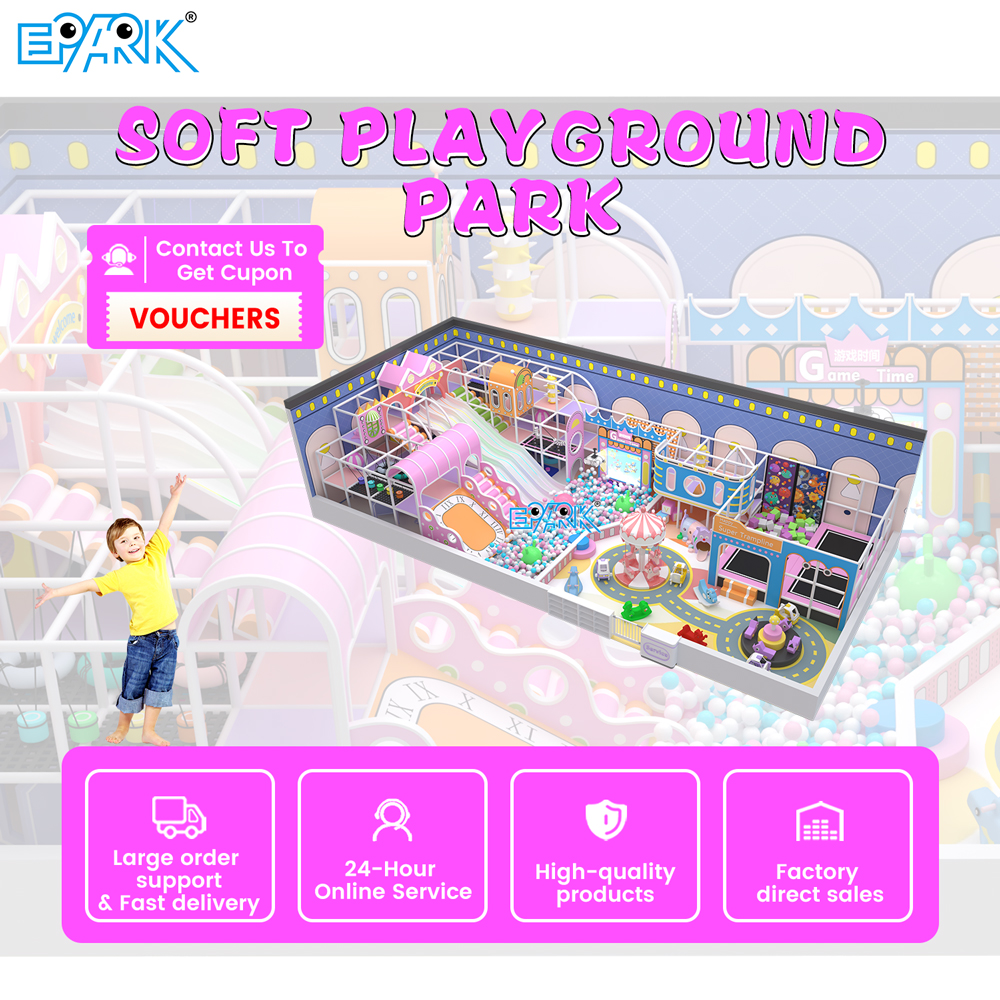
While many strategies exist for repurposing vacant retail space, indoor playgrounds excel in both profitability and long-term sustainability.
Consistent Foot Traffic
Families with young children typically visit indoor play venues multiple times per month. Offering memberships or subscription passes increases customer retention and revenue predictability.
Multiple Revenue Streams
Indoor playgrounds can generate income from:
| Revenue Type | Example |
|---|---|
| Entry fees | Daily admission |
| Memberships | Monthly or annual passes |
| Birthday parties | Premium booking packages |
| F&B sales | Snack bar, café area |
| Arcades & vending | Additional in-venue purchases |
| Workshops | Themed classes |
This diversified model enhances stability and reduces reliance on a single income source.
Community Anchor Tenant
Unlike pure retail, play centers increase dwell time and encourage repeat visits. These centers often become neighborhood fixtures, supporting long-term occupancy and higher average rents.
Optimal Placement Considerations
Selecting the right location is crucial. Factors include:
-
Population density of families with children
-
Accessible parking
-
Proximity to schools and residential zones
-
Visibility and foot traffic
To learn more about choosing an ideal location for an indoor playground, visit:
https://www.eparki.com/blog/how-to-choose-the-best-location-for-an-indoor-playground
Step-by-Step Guide to Converting Vacant Retail Space Into an Indoor Playground
Successful conversions follow a defined process—from initial assessment to grand opening and marketing.
1. Conduct a Site Assessment
Evaluate essential features:
-
Square footage and usable floor area
-
Ceiling height (higher is better for climbing structures)
-
HVAC systems
-
Emergency exits and safety access
-
Column layouts and open space potential
-
Floor load capacity
Work with experienced designers or an indoor playground equipment manufacturer to understand structural limitations and opportunities.

2. Define Business Model and Target Demographic
Choosing your target audience shapes your design:
| Target Group | Recommended Features |
|---|---|
| Toddlers (0–3) | Soft play zones, sensory areas |
| Kids (3–8) | Slides, climbing, ball pits |
| Tweens/Teens | Trampolines, obstacle challenges |
| Families | Party rooms, café, interactive areas |
Clear positioning helps refine space usage and revenue strategies.
3. Partner With a Certified Manufacturer
Selecting a trusted manufacturer is critical. Look for partners who provide:
-
Custom 3D design layouts
-
Compliance with safety standards (EN & ASTM)
-
High-durability materials
-
Installation and after-sales support
A professional manufacturer ensures your playground is both safe and profitable.
4. Plan Complementary Attractions
To increase dwell time and spending, include additional attractions:
-
Arcade gaming stations
-
Virtual reality zones
-
Craft or themed workshops
-
Party room packages
-
Lounge areas for caregivers
Each component adds value and broadens your audience appeal.
5. Develop a Comprehensive Marketing Strategy
Effective marketing ensures strong launch momentum:
-
Localized digital advertising targeting parents
-
Social media campaigns with location tags
-
Loyalty programs and family membership deals
-
Partnerships with schools and kid-focused organizations
-
Soft opening promotions
Well-executed marketing increases visibility and builds initial traffic.
Conclusion
Repurposing vacant retail space is no longer optional — it’s a strategic necessity. Empty storefronts can drain value, but with creative transformation, they become revenue generators.
Whether you choose experiential conversions like indoor playgrounds, flexible event spaces, or logistics solutions, each strategy should align with your property’s location, demographic profile, and long-term goals.
Among available options, indoor playground conversions stand out for their stability, diversified revenue streams, and ability to create community value. When planned correctly, these entertainment destinations can turn underutilized space into a vibrant, profitable asset.

Ready to Transform Your Retail Space Into a Profitable Indoor Playground?
Don’t let your vacant units sit idle. Contact us today for a customized design proposal, detailed floor plan layout, and a free revenue forecast tailored to your space.
Let’s unlock the full potential of your property together!
General Disclaimer
All data on https://www.eparki.com is for general guidance only. As a leading indoor playground manufacturer and trampoline supplier, EPARK strives for accuracy but gives no express or implied warranty regarding completeness, performance or project fitness. Product specs, designs and results may vary with use and customer requirements. Buyers must verify technical details, compliance and suitability before purchase. EPARK OEM/ODM is not liable for any direct, indirect or consequential damages arising from site use. For custom solutions, contact our manufacturer and supplier team via the Contact page.
Intellectual Property
Text, images, videos, CAD files and software are Guangzhou EPARK Electronic Technology Co., Ltd. All rights reserved. No part may be copied, republished or used commercially without prior written permission. We will pursue legal action for copyright or design-patent infringement.
Trademarks
"EPARK", the EPARK logo and related graphics are registered trademarks of Guangzhou EPARK Electronic Technology Co., Ltd. Unauthorized use in ads, domain names or packaging is prohibited.
Governing Law
These terms are governed by the laws of the People's Republic of China.
Contact
Questions? Email sales@nanyuetech.com or WhatsApp +86 139 0307 9263.