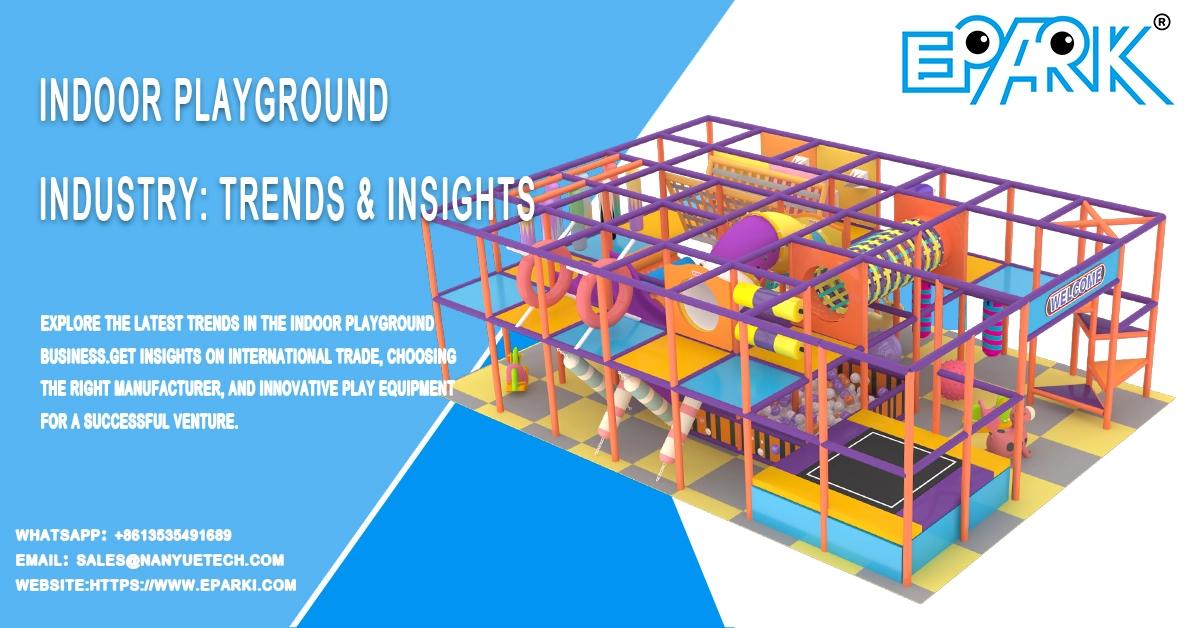
Navigating the Future: An In-Depth Look at the Global Indoor Playground Industry
The indoor playground industry is no longer just about slides and ball pits. It has evolved into a dynamic, multi-faceted sector driven by innovation, safety, and global connectivity. For entrepreneurs, investors, and established business owners, understanding the intricate web of business insights, market research, and the flow of international indoor playground trade is paramount to success. This comprehensive guide delves into the core of this vibrant industry, exploring the latest trends, the pivotal role of a reliable indoor playground manufacturer, and the strategies needed to thrive in a competitive global market.
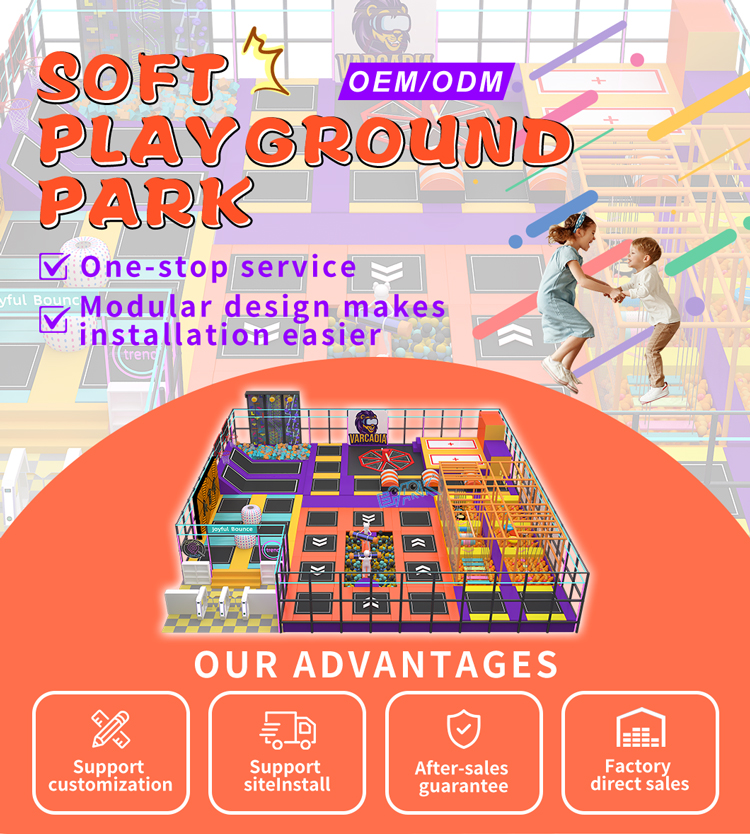
The Expanding Universe of the Indoor Playground Business
Gone are the days when an indoor playground was a simple rainy-day alternative. Today, they are destination venues for family entertainment, developmental activities, and social gatherings. The modern consumer demands more than just play; they seek immersive experiences, educational value, and unparalleled safety. This shift has transformed the indoor playground business from a simple operational model into a complex enterprise requiring strategic planning and deep industry knowledge.
Key drivers behind this growth include:
-
Urbanization: With shrinking outdoor spaces in cities, enclosed, safe play environments are in high demand.
-
Rising Disposable Income: Families are increasingly willing to spend on high-quality recreational experiences for their children.
-
The Experience Economy: Parents seek out venues that offer unique, shareable moments, making visually appealing and themed playgrounds highly attractive.
-
Focus on Child Development: There is a growing awareness of the importance of physical activity, social skills, and sensory stimulation in early childhood.
Global Partners and the International Indoor Playground Trade
The industry's landscape is profoundly global. An indoor playground in North America might feature equipment designed in Europe, manufactured in Asia, and installed by local experts. This interconnectedness defines the international indoor playground trade. Sourcing from a global network offers significant advantages:
-
Access to Innovation: Different markets pioneer different trends. Tapping into Global Partners allows business owners to incorporate the latest designs and technologies from around the world.
-
Cost-Effectiveness: Working with an indoor playground manufacturer in a country with specialized production capabilities can offer better value, enabling larger or more elaborate projects within budget.
-
Diverse Product Range: The Wholesale Playground market is vast. International trade opens up a world of options, from standard soft play components to custom-themed, elaborate structures that can set a venue apart.
However, navigating international trade requires diligence. Considerations include logistics, import regulations, quality control from a distance, and ensuring that all equipment meets the safety standards of your local market. Building strong, trustworthy relationships with suppliers is the cornerstone of success in this global arena.
The Cornerstone of Quality: Choosing the Right Indoor Playground Manufacturer
The heart of any successful playground is its equipment, and the heart of the equipment is the indoor playground manufacturer. Your choice of manufacturer will influence not only the initial appeal of your facility but also its long-term safety, maintenance costs, and reputation.
When evaluating a potential manufacturer, consider these critical factors:
-
Safety Certifications and Compliance: The non-negotiable first step. Ensure the manufacturer adheres to international safety standards such as ASTM (International) and EN (European Norms). They should provide detailed documentation and testing certificates for their materials and designs.
-
Quality of Materials: The durability and safety of the playground hinge on the materials used. High-density foam, reinforced stitching, commercial-grade PVC, and non-toxic, phthalate-free vinyl are hallmarks of a quality manufacturer.
-
Design Capability and Customization: Can they provide unique, themed designs? A manufacturer with a strong in-house design team can help you create a one-of-a-kind space that tells a story and captures the imagination of children. The ability to customize is key to brand differentiation.
-
Innovation and R&D: The best manufacturers are always looking forward. They invest in research and development to create new play experiences—whether integrating augmented reality, developing more inclusive equipment for children with disabilities, or creating more sustainable products.
-
Project Portfolio and References: A reputable manufacturer will have a robust portfolio of completed projects. Don’t hesitate to ask for references and, if possible, visit an existing installation to see the quality firsthand.
Establishing a direct and collaborative relationship with your manufacturer can streamline the process from concept to installation, ensuring your vision is brought to life accurately and efficiently.
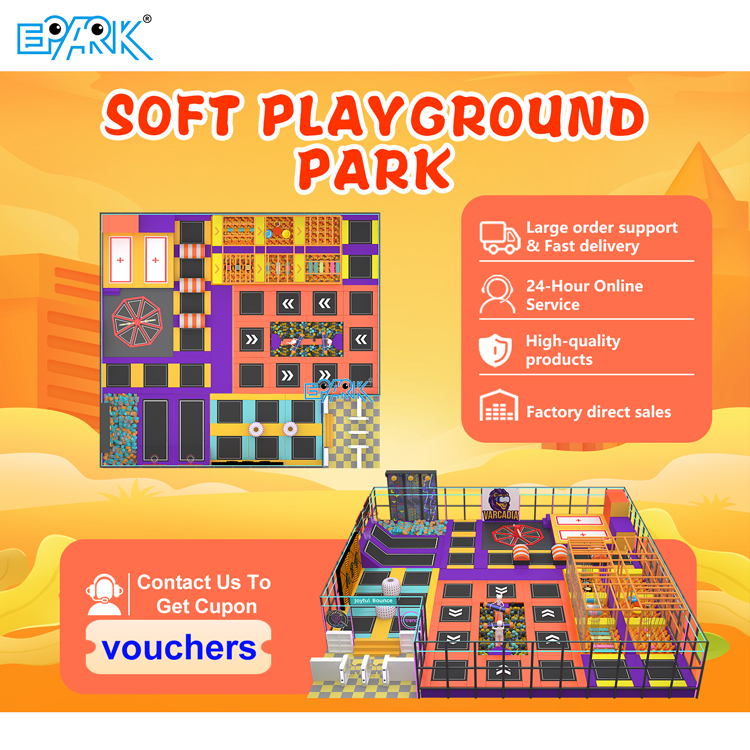
Play Equipment Updates: Beyond the Traditional Slide
Staying relevant means staying updated. The latest play equipment updates are revolutionizing what indoor playgrounds can be. Modern facilities are moving towards immersive, multi-activity zones that cater to a wide range of interests and age groups. Based on emerging trends, here are some key areas of innovation:
-
Climbing Challenges: Modern Climbing Walls are no longer simple rock faces. They incorporate interactive elements, varied textures, and adaptive routes that challenge both physical strength and problem-solving skills.
-
Active & Tactile Games: Areas like a Shooting Area (with soft projectiles) or Inflatable Bumper Balls encourage active, social play. Sticky Fun (using velcro suits and walls) provides a unique tactile experience that is highly engaging and perfect for photo opportunities.
-
Sensory and Imaginative Play: The Sporge Pool (a hybrid of soft foam and sponge) and Ocean Ball pools remain classics but are now often integrated into larger thematic narratives, like pirate ships or undersea adventures.
-
High-Energy Zones: The Free Jumping Zone, often featuring interconnected trampolines, caters to the need for high-energy release and is a perennial favorite among older children and teenagers.
The trend is clear: successful playgrounds are curating a collection of experiences rather than just installing a single play structure. This "expand the area" philosophy allows for continuous refreshment and the ability to cater to different demographics simultaneously.
The Imperative of Continuous Market Research
In a fast-paced industry, intuition is not enough. Continuous market research is the compass that guides strategic decisions. It involves:
-
Competitive Analysis: Understanding what other players in your region are offering. What are their ticket prices? What themes are they using? What are their peak hours?
-
Customer Feedback: Actively soliciting and analyzing feedback from parents and children. What did they love? What was missing? This direct input is invaluable for making improvements.
-
Demographic Studies: Understanding the population in your area—age distribution, average family income, cultural preferences—will help you tailor your offerings effectively.
-
Trend Forecasting: Keeping an eye on broader trends in entertainment, technology, and education can provide early signals for the next big thing in play.
By treating market research as an ongoing activity, business owners can anticipate shifts in consumer demand, identify gaps in the market, and make informed investments in new equipment and amenities.
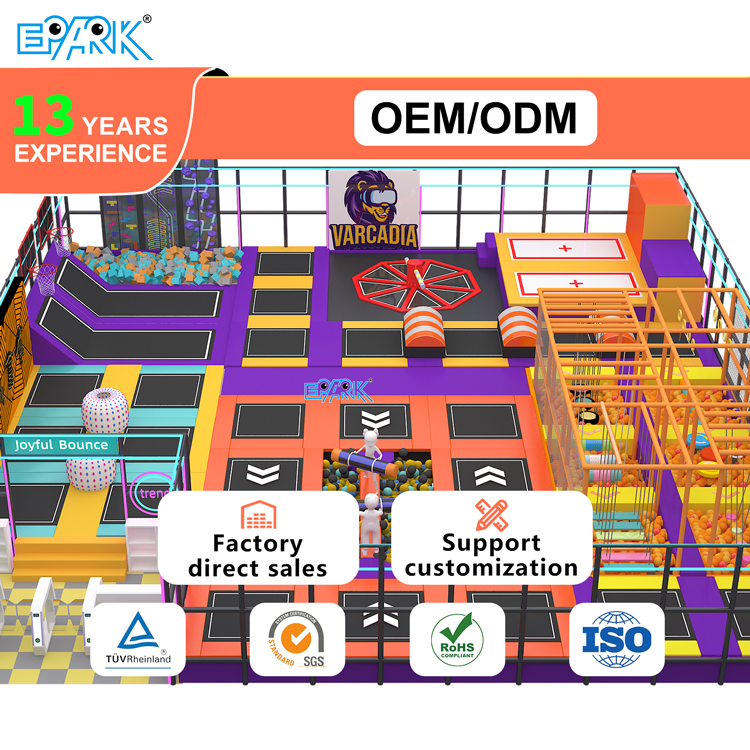
Conclusion: Building a Thriving Playground for the Future
The indoor playground business is a rewarding but complex venture that sits at the intersection of hospitality, entertainment, and early childhood education. Success in this field is built on a foundation of deep business insights and a proactive approach to the global market.
By forging strong partnerships within the international indoor playground trade, meticulously selecting an indoor playground manufacturer that prioritizes safety and innovation, and committing to ongoing market research, you can create more than just a playground. You can build a community hub, a catalyst for joy and development, and a sustainable, profitable business that stands the test of time. The future of play is bright, diverse, and global—and the opportunity to be a part of it has never been greater
General Disclaimer
All data on https://www.eparki.com is for general guidance only. As a leading indoor playground manufacturer and trampoline supplier, EPARK strives for accuracy but gives no express or implied warranty regarding completeness, performance or project fitness. Product specs, designs and results may vary with use and customer requirements. Buyers must verify technical details, compliance and suitability before purchase. EPARK OEM/ODM is not liable for any direct, indirect or consequential damages arising from site use. For custom solutions, contact our manufacturer and supplier team via the Contact page.
Intellectual Property
Text, images, videos, CAD files and software are Guangzhou EPARK Electronic Technology Co., Ltd. All rights reserved. No part may be copied, republished or used commercially without prior written permission. We will pursue legal action for copyright or design-patent infringement.
Trademarks
"EPARK", the EPARK logo and related graphics are registered trademarks of Guangzhou EPARK Electronic Technology Co., Ltd. Unauthorized use in ads, domain names or packaging is prohibited.
Governing Law
These terms are governed by the laws of the People's Republic of China.
Contact
Questions? Email sales@nanyuetech.com or WhatsApp +86 139 0307 9263.