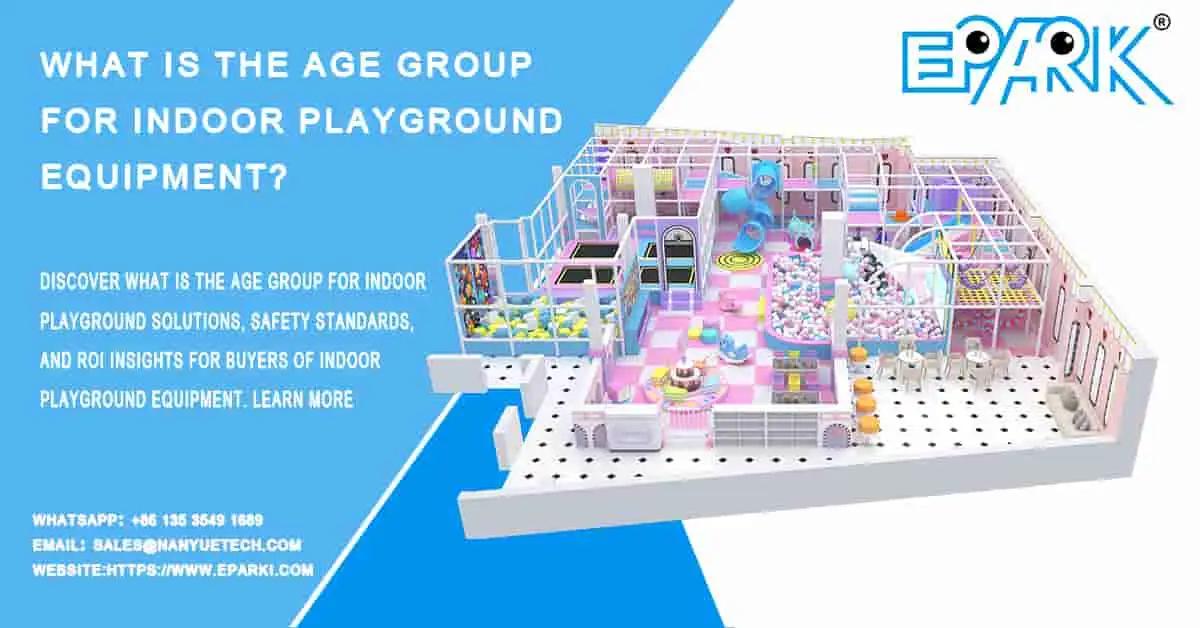
What Is the Age Group for Indoor Playground Equipment? A Complete B2B Buying Guide
Introduction
Understanding the age group for indoor playground equipment is one of the most important steps when planning a successful commercial indoor playground. Modern indoor playgrounds are no longer designed for a single audience. Instead, they are built to serve multiple age groups, from toddlers to adults, within one well-zoned entertainment space.
For B2B buyers, indoor playground investors, distributors, and venue operators, choosing age-appropriate indoor play equipment directly impacts safety compliance, customer satisfaction, and long-term profitability. Selecting the wrong equipment for the wrong age group can result in underused areas, higher injury risks, and lower return on investment.
This guide explains how different indoor playground equipment types match specific age groups, outlines international safety standards, and provides practical purchasing insights from an indoor playground manufacturer’s perspective.
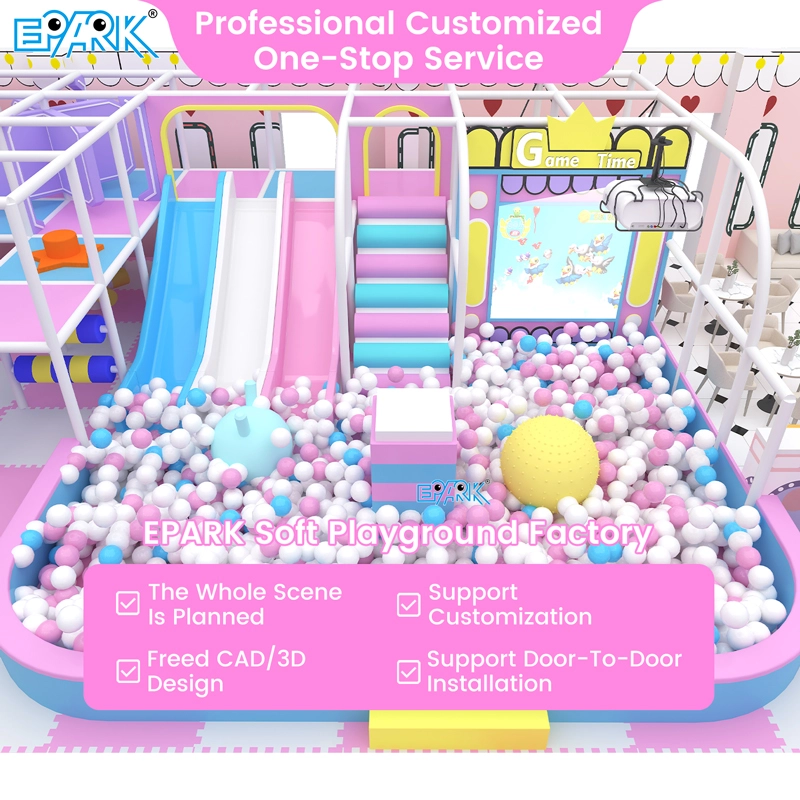
Why Age Group Matters When Choosing Indoor Playground Equipment
Choosing indoor playground equipment without defining the target age group is a common and costly mistake. Each age group has unique physical abilities, behavioral patterns, and safety requirements that must be addressed during design and procurement.
From a safety standpoint, global standards such as ASTM F1918, ASTM F2970, EN 1176/1177, and ISO 8124 clearly specify design parameters for different age ranges. Equipment height, fall protection, spacing, and material selection all vary depending on user age.
From a commercial perspective, age-appropriate zoning improves space efficiency and increases average dwell time. For example, toddler soft play areas attract families during weekdays, while trampoline parks generate high revenue from teenagers and adults during evenings and weekends.
Ultimately, understanding the correct age group for indoor playground equipment helps operators balance safety, engagement, and revenue growth.
Age Group Classification for Indoor Playground Equipment
Toddlers (0–3 Years Old): Safe Soft Play Zones
Toddlers require the highest level of safety and supervision in an indoor playground environment. At this stage, children are still developing balance, coordination, and basic motor skills.
Recommended indoor playground equipment for toddlers includes:
-
Soft play blocks and foam climbing shapes
-
Mini slides with low incline angles
-
Crawl tunnels and padded ramps
-
Sensory panels with textures and lights
-
Shallow ball pits with antibacterial balls
All toddler indoor play equipment should use high-density EPE foam, covered with durable, easy-to-clean PVC or PU materials. Equipment height is typically kept below 1 meter to minimize fall risks.
From an operational point of view, toddler zones should be physically separated from older children’s areas. Clear age signage helps parents and staff maintain safety rules.
Internal link example:
Learn more about Soft Play Equipment for Toddlers
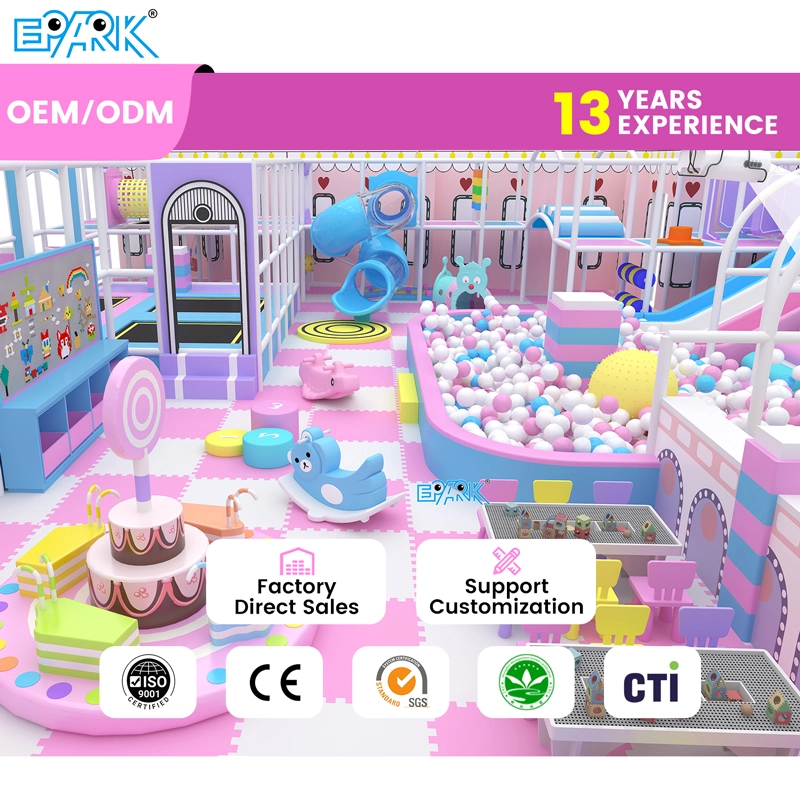
Preschool Children (3–6 Years Old): Exploration and Imaginative Play
Preschool-aged children are curious, active, and eager to explore. Indoor playground equipment for this age group should offer moderate challenges while still prioritizing safety and accessibility.
Common equipment for preschool indoor playgrounds includes:
-
Soft play structures with multiple entrances
-
Small climbing nets and rope bridges
-
Role-play areas (kitchens, shops, themed houses)
-
Low obstacle courses and stepping pods
These indoor play areas encourage social interaction and imaginative play, which are essential for early childhood development. Equipment should allow children to move freely while avoiding excessive height or speed.
From a business perspective, preschool-focused indoor playground zones increase weekday foot traffic and appeal strongly to parents with flexible schedules.
Internal link example:
Explore our Preschool Indoor Playground Solutions
Children (6–12 Years Old): Adventure and Skill Development
Children aged 6 to 12 represent the core user group for many commercial indoor playground projects. They have higher energy levels and seek physical challenges that feel rewarding and exciting.
Suitable indoor playground equipment for this age group includes:
-
Multi-level indoor playground structures
-
Climbing walls with graded difficulty levels
-
Ninja obstacle courses
-
Rope courses and tube slides
-
Interactive digital play systems
Safety design becomes more technical at this stage. Equipment must comply with fall height regulations, anti-slip surfaces, and impact-absorbing flooring systems.
From an ROI perspective, indoor playground equipment designed for this age group delivers high utilization rates, strong repeat visits, and consistent demand for birthday parties and school group bookings.
Teenagers (12–18 Years Old): High-Energy and Competitive Play
Teenagers quickly lose interest in traditional soft play areas. They are drawn to thrill-based, competitive, and skill-oriented indoor playground equipment.
Popular options for teenage users include:
-
Large-scale trampoline park systems
-
Parkour and freerunning zones
-
Advanced climbing walls
-
Interactive sports games and VR attractions
Trampoline equipment for this age group must meet ASTM F2970 standards, using heavy-duty steel frames, high-performance jump mats, and reinforced padding.
From a market standpoint, teenage-focused indoor playground areas increase weekend and evening revenue, making them essential for venues aiming to attract a broader audience.
Internal link example:
Discover our Trampoline Park Equipment
Adults (18+ Years Old): Fitness, Stress Relief, and Social Entertainment
The indoor playground industry is increasingly expanding into the adult entertainment and fitness market. Adults seek active experiences that combine exercise, fun, and social interaction.
Indoor playground equipment suitable for adults includes:
-
Full-size trampolines and fitness trampoline zones
-
Ninja Warrior–style obstacle courses
-
Interactive sports walls and reaction games
-
Team challenge and competition areas
Large trampolines are especially popular among adults due to their low-impact cardio benefits. Many venues now offer adult-only sessions, corporate team-building events, and fitness classes.
For operators, adult indoor playground equipment significantly increases average ticket value and opens new revenue streams beyond family entertainment.
Multi-Age Indoor Playground Design: A Smart Investment Strategy
Modern indoor playground projects increasingly adopt a multi-age zoning strategy. Instead of a single open area, successful venues divide the space into clearly defined zones based on age and activity intensity.
A typical multi-age indoor playground layout includes:
-
A toddler soft play zone
-
A preschool exploration zone
-
A children’s adventure playground
-
A trampoline or challenge zone for teens and adults
This approach improves safety management, reduces user conflicts, and allows operators to market different experiences to different customer segments. Modular indoor playground equipment also enables future upgrades with minimal downtime.
From an investment perspective, multi-age design maximizes space efficiency and long-term scalability.
How to Choose the Right Indoor Playground Equipment for Your Market
Choosing the right indoor playground equipment requires careful market analysis. Buyers should consider local demographics, venue size, and customer spending behavior.
Key decision factors include:
-
Ceiling height and floor load capacity
-
Local safety and certification requirements
-
Expected daily capacity and peak usage hours
-
Maintenance costs and equipment lifespan
-
Experience and support from the indoor playground manufacturer
Working with an experienced indoor playground manufacturer ensures compliance, customization, and reliable after-sales service.
Internal link example:
Why choose a professional Indoor Playground Manufacturer
Recommended Indoor Playground Equipment by Age Group (Overview)
| Age Group | Indoor Playground Equipment | Key Standards | Business Value |
|---|---|---|---|
| 0–3 | Soft play, mini slides | ASTM F1918, EN 1176 | Family attraction |
| 3–6 | Soft structures, role-play | EN 1176 | Longer visits |
| 6–12 | Adventure play, climbing | ASTM F1487 | High utilization |
| 12–18 | Trampoline, parkour | ASTM F2970 | Weekend revenue |
| 18+ | Large trampolines, challenges | ASTM F2970 | High ticket value |
 Conclusion
Choosing the correct age group for indoor playground equipment is essential for building a safe, engaging, and profitable indoor playground. Each age segment—from toddlers to adults—requires different equipment, safety standards, and layout strategies.
By investing in age-appropriate indoor playground equipment and adopting a multi-zone design, B2B buyers can attract a wider audience, improve customer retention, and achieve sustainable long-term growth.
In today’s competitive entertainment market, age-driven indoor playground planning is not optional—it is a core business strategy.
Build the Right Indoor Playground for Your Target Age Group
Looking for customized indoor playground equipment designed for specific age groups and commercial success?
As a professional indoor playground manufacturer, we provide:
-
Custom design and layout planning
-
Certified commercial-grade equipment
-
Global installation and after-sales support
Contact us today to receive a tailored solution and competitive factory pricing.
Submit your inquiry now and turn your indoor playground project into a profitable investment.
General Disclaimer
All data on https://www.eparki.com is for general guidance only. As a leading indoor playground manufacturer and trampoline supplier, EPARK strives for accuracy but gives no express or implied warranty regarding completeness, performance or project fitness. Product specs, designs and results may vary with use and customer requirements. Buyers must verify technical details, compliance and suitability before purchase. EPARK OEM/ODM is not liable for any direct, indirect or consequential damages arising from site use. For custom solutions, contact our manufacturer and supplier team via the Contact page.
Intellectual Property
Text, images, videos, CAD files and software are Guangzhou EPARK Electronic Technology Co., Ltd. All rights reserved. No part may be copied, republished or used commercially without prior written permission. We will pursue legal action for copyright or design-patent infringement.
Trademarks
"EPARK", the EPARK logo and related graphics are registered trademarks of Guangzhou EPARK Electronic Technology Co., Ltd. Unauthorized use in ads, domain names or packaging is prohibited.
Governing Law
These terms are governed by the laws of the People's Republic of China.
Contact
Questions? Email sales@nanyuetech.com or WhatsApp +86 139 0307 9263.