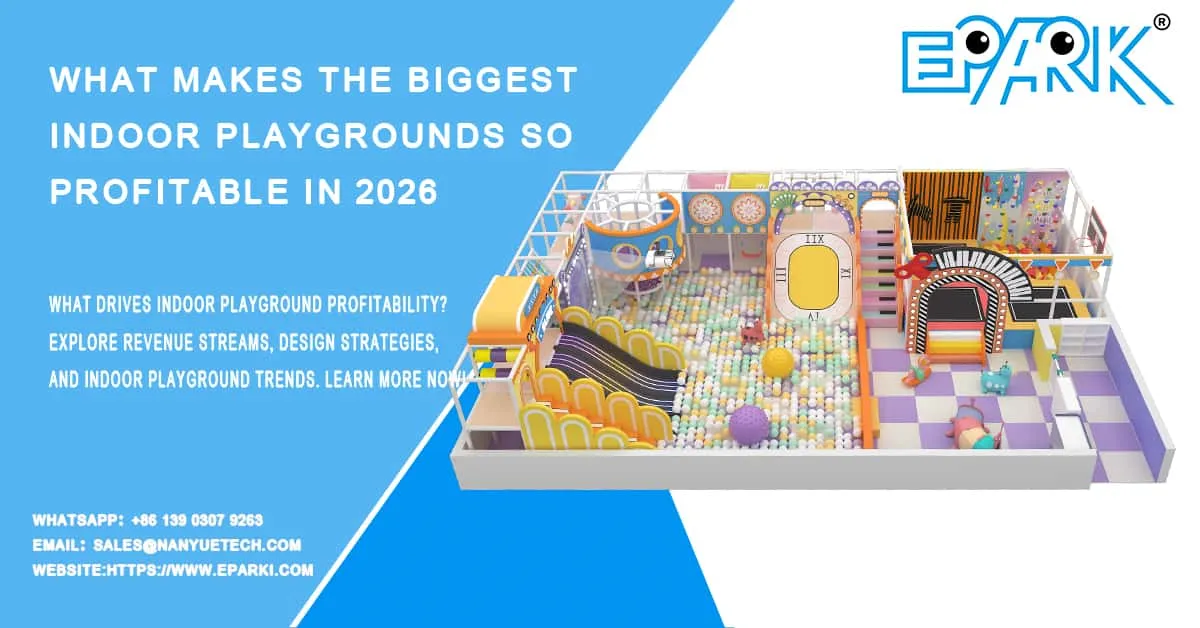
Why Indoor Playground Businesses Are Booming
The global indoor playground industry is entering a rapid growth phase. What used to be simple children's play areas has now evolved into large-scale indoor entertainment centers that combine recreation, fitness, and social experiences.
Today’s successful operators are not just building play zones. They are creating full ecosystems that attract families, young adults, and even corporate clients. This shift has significantly increased both revenue potential and customer lifetime value.
For investors and project developers, understanding how a modern indoor playground generates profit is essential. In this guide, we break down the key factors that make large indoor playgrounds highly profitable.
What Defines a Profitable Indoor Playground?
More Than Just a Play Area
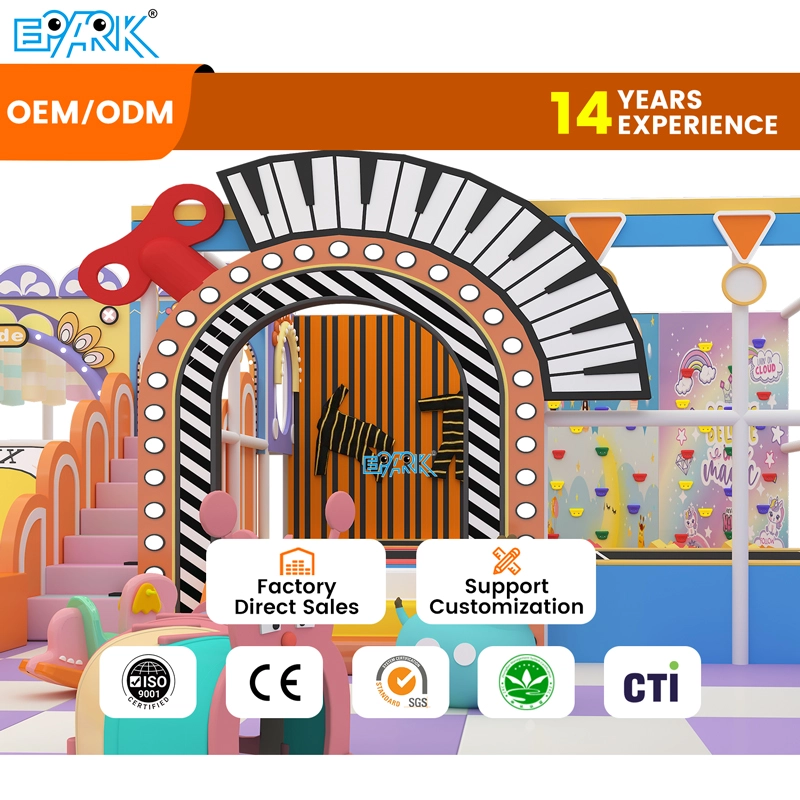
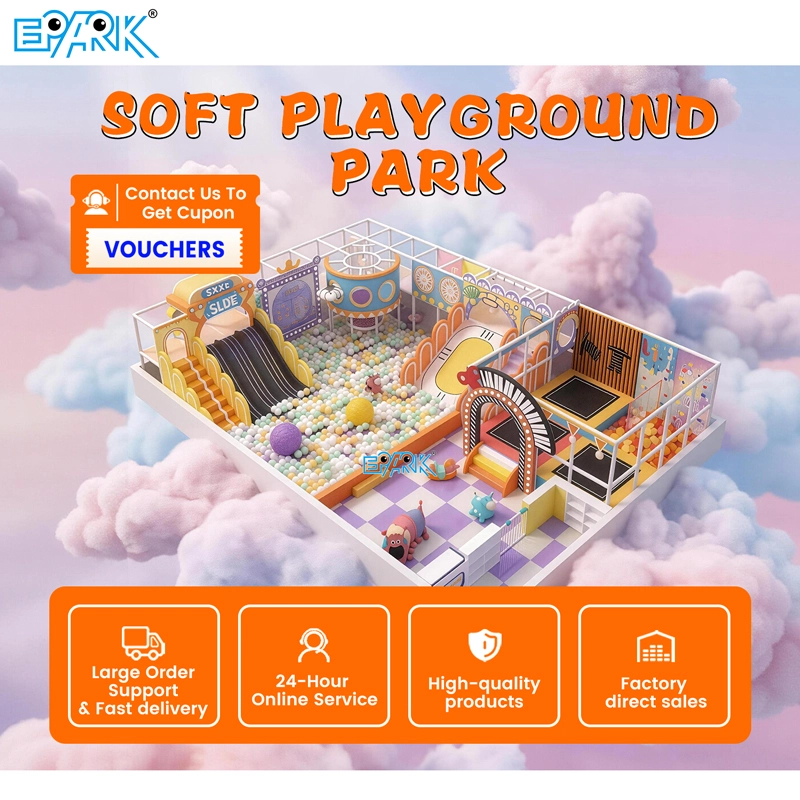
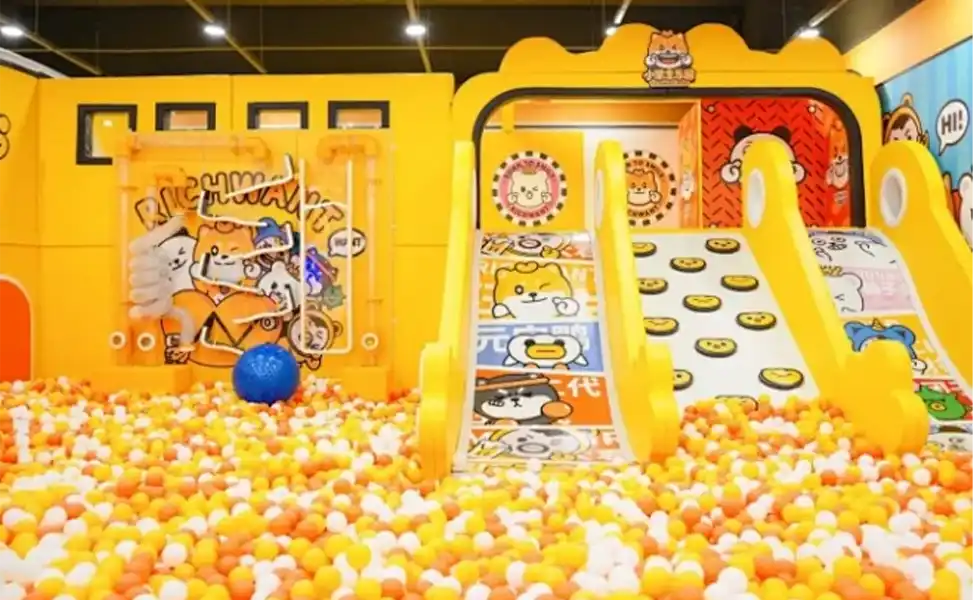
A modern indoor playground is a multi-functional space designed to maximize both engagement and revenue. It typically includes a combination of physical activities, digital attractions, and commercial services.
Common features include:
- Trampoline zones and jump arenas
- Ninja obstacle courses
- Climbing walls and adventure structures
- VR and arcade gaming areas
- Food, beverage, and lounge spaces
This combination allows an indoor playground to operate as a family entertainment center (FEC) rather than a single-purpose venue.
Expanding Beyond Children to Adult Markets
One of the biggest shifts in recent years is the rise of indoor playgrounds for adults. These spaces are designed to attract a broader audience, including:
- Young professionals
- Fitness enthusiasts
- Corporate teams
- Social groups
By targeting higher-spending customers, operators can significantly increase overall profitability.
 |
 |
The Business Model Behind High-Performing Indoor Playgrounds
Multiple Revenue Streams
A successful indoor playground does not rely on a single income source. Instead, it combines several revenue channels to ensure stability and growth.
| Revenue Stream | Typical Contribution | Description |
|---|---|---|
| Admission Fees | 40%–60% | Time-based or unlimited access |
| Food & Beverage | 20%–35% | Drinks, snacks, dining |
| Events & Parties | 10%–20% | Birthdays, corporate events |
| Memberships | 5%–15% | Recurring revenue |
| Retail | 5%–10% | Merchandise and add-ons |
This diversified model reduces risk and improves long-term returns.
Increasing Customer Lifetime Value
High-performing indoor playground businesses focus on retention, not just traffic.
Key strategies include:
- Membership programs
- Loyalty rewards
- Seasonal promotions
- Event-based marketing
These methods increase repeat visits and improve customer lifetime value (CLV).
 Key Factors That Drive Profitability
Scale and Capacity
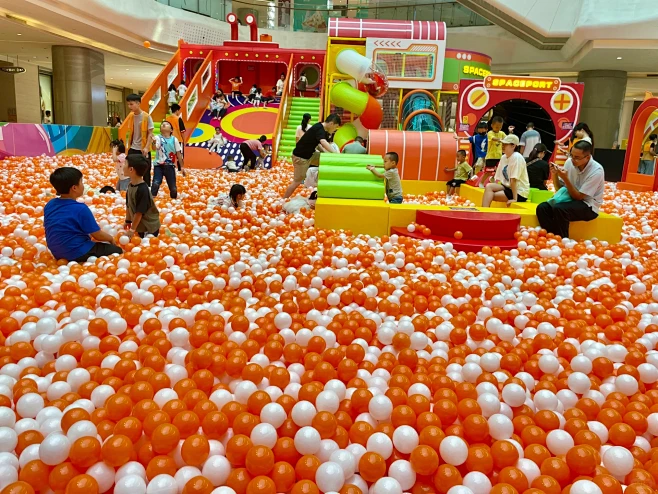
Larger indoor playground facilities have a clear advantage. More space allows operators to host more visitors and install more attractions.
Typical comparison:
| Facility Size | Daily Capacity |
|---|---|
| Small (5,000–10,000 sq ft) | 100–200 visitors |
| Medium (10,000–30,000 sq ft) | 200–600 visitors |
| Large (30,000+ sq ft) | 600–1500+ visitors |
Higher capacity directly leads to higher revenue potential.
Experience-Driven Design
Modern customers value experiences over simple entertainment. A well-designed indoor playground focuses on immersion and engagement.
Important elements include:
- Themed environments
- Interactive lighting systems
- Social-media-friendly design
These features encourage repeat visits and organic promotion.
Diversified Attractions
A large indoor playground typically includes multiple activity zones. This ensures that different user groups stay longer and spend more.
Popular zones:
- Adventure and obstacle areas
- Sports and trampoline zones
- Digital gaming and VR sections
- Relaxation and dining areas
The more diversified the offering, the higher the revenue per visitor.
Targeting High-Value Customers
One of the biggest profit drivers is shifting focus toward indoor playgrounds for adults.
Adults typically:
- Spend more on tickets
- Purchase food and drinks
- Participate in group events
This increases both average order value and overall profitability.
Strategic Location Selection
Location has a direct impact on success.
Top-performing indoor playgrounds are often located in:
- Shopping malls
- Commercial centers
- High-density urban areas
These locations provide consistent foot traffic and reduce marketing costs.
Efficient Space Utilization
Every square meter should generate revenue. Smart layout design plays a key role in maximizing ROI.
Key principles:
- High-density equipment placement
- Multi-purpose zones
- Flexible event spaces
Internal Link Suggestion:
Learn more about high-ROI indoor playground design strategies on our blog.
 Cost Structure and ROI Analysis
Initial Investment
Building a large indoor playground requires upfront investment in several areas:
| Cost Category | Percentage |
|---|---|
| Equipment & Installation | 40%–50% |
| Interior Design & Theming | 20%–30% |
| Rent & Renovation | 15%–25% |
| Marketing | 5%–10% |
Operating Costs
Key ongoing expenses include:
- Staff wages
- Maintenance
- Utilities
- Marketing
Controlling these costs is essential for maintaining profit margins.
Expected Returns
A well-executed indoor playground project can achieve:
- Payback period: 12–36 months
- Gross margin: 60%–70%
- Net profit margin: 20%–30%
This makes the business highly attractive for investors.
Why Indoor Playgrounds Are a Strong Investment
Year-Round Revenue Stability
Unlike outdoor parks, an indoor playground operates regardless of weather conditions. This ensures consistent income throughout the year.
Growing Demand for Experience-Based Entertainment
Consumers today prioritize experiences over products. Indoor playgrounds combine:
- Physical activity
- Social interaction
- Entertainment
This aligns perfectly with global market trends.
Scalable Business Model
Successful indoor playground concepts can be replicated across multiple locations. This makes expansion faster and more predictable.
Safety and Technical Standards
Safety is a critical factor in building trust and ensuring long-term success.
Key standards include:
- ASTM safety standards
- EN1176 European regulations
- ISO-certified manufacturing processes
Working with a certified supplier ensures compliance and reduces operational risks.
 How to Build a Profitable Indoor Playground
Choose the Right Supplier
A reliable supplier can significantly impact your project’s success.
Look for:
- Custom design capability
- Certified materials
- Installation support
Internal Link Suggestion:
Explore our indoor playground equipment solutions to start your project.
Optimize Layout and Flow
Layout design affects both user experience and revenue.
Internal Link Suggestion:
Read our guide on How to Choose the Best Location for an Indoor Playground to improve conversion and ROI.
Define Clear Market Positioning
Before launching, identify:
- Target audience
- Pricing strategy
- Unique selling points
This helps your indoor playground stand out in a competitive market.
Conclusion: The Formula for a Profitable Indoor Playground
The success of a large indoor playground comes down to a combination of smart design, diversified revenue streams, and strong customer targeting.
The most profitable indoor playgrounds share these characteristics:
- Large-scale capacity
- Experience-driven design
- Multiple income streams
- Focus on high-value customers
As demand for indoor entertainment continues to grow, investing in a well-planned indoor playground offers strong long-term potential.
Final Thoughts
The indoor playground industry is no longer just about play — it is about creating experiences that drive engagement and revenue.
With the right strategy, equipment, and positioning, your project can become a high-performing entertainment destination.
General Disclaimer
All data on https://www.eparki.com is for general guidance only. As a leading indoor playground manufacturer and trampoline supplier, EPARK strives for accuracy but gives no express or implied warranty regarding completeness, performance or project fitness. Product specs, designs and results may vary with use and customer requirements. Buyers must verify technical details, compliance and suitability before purchase. EPARK OEM/ODM is not liable for any direct, indirect or consequential damages arising from site use. For custom solutions, contact our manufacturer and supplier team via the Contact page.
Intellectual Property
Text, images, videos, CAD files and software are Guangzhou EPARK Electronic Technology Co., Ltd. All rights reserved. No part may be copied, republished or used commercially without prior written permission. We will pursue legal action for copyright or design-patent infringement.
Trademarks
"EPARK", the EPARK logo and related graphics are registered trademarks of Guangzhou EPARK Electronic Technology Co., Ltd. Unauthorized use in ads, domain names or packaging is prohibited.
Governing Law
These terms are governed by the laws of the People's Republic of China.
Contact
Questions? Email sales@nanyuetech.com or WhatsApp +86 139 0307 9263.