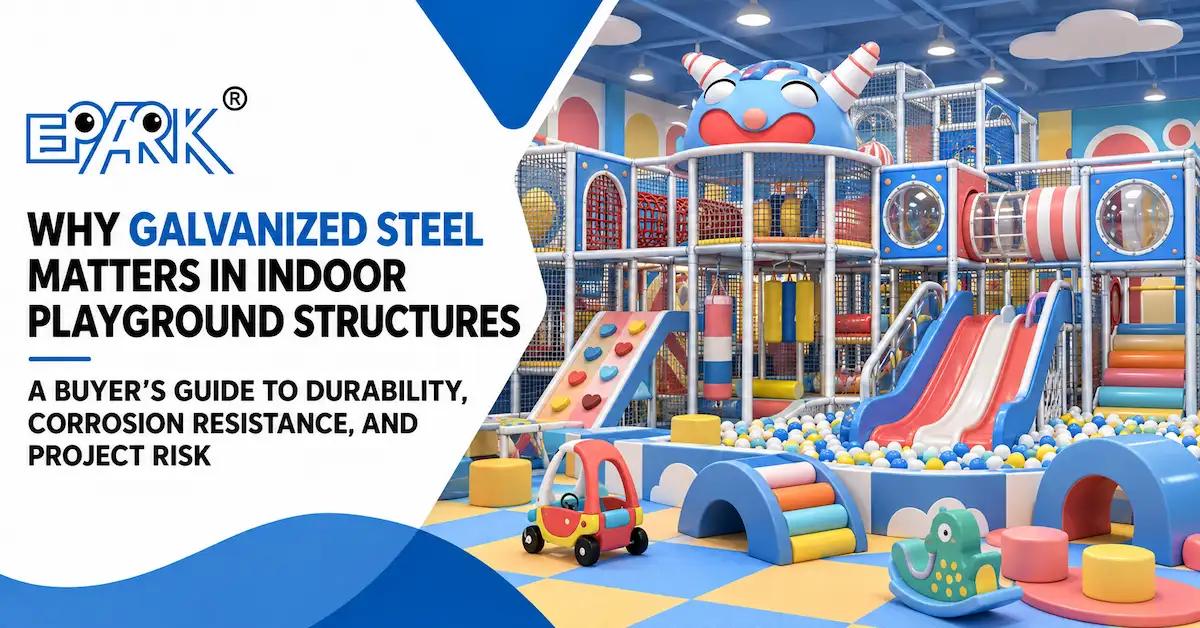
What Is a Galvanized Steel Indoor Playground Structure?
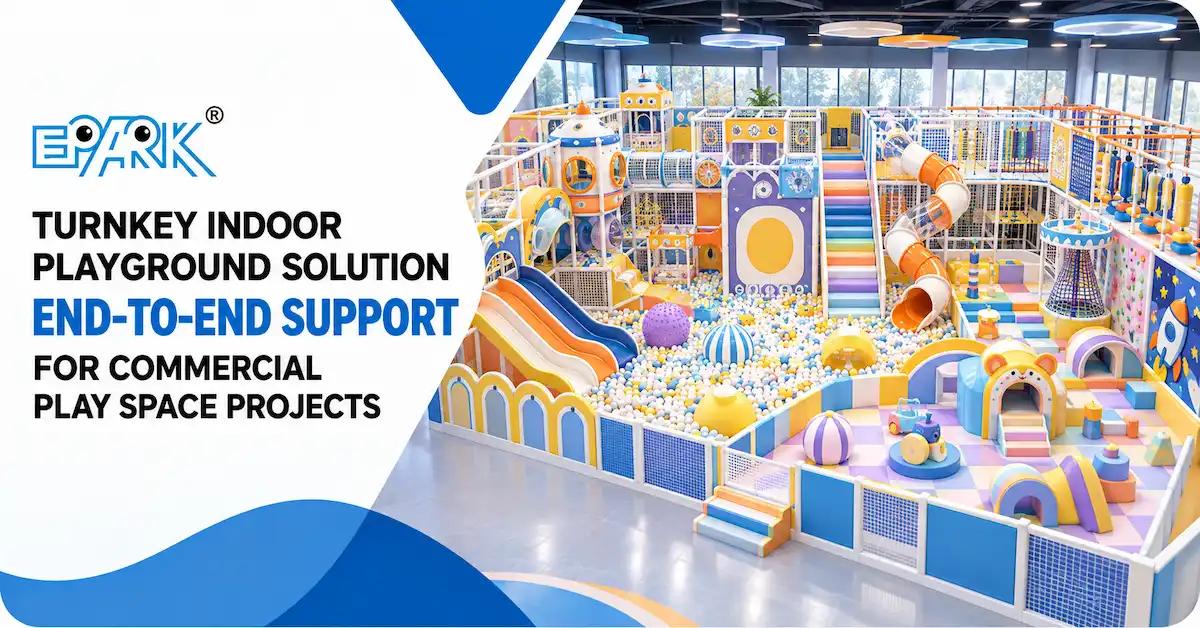
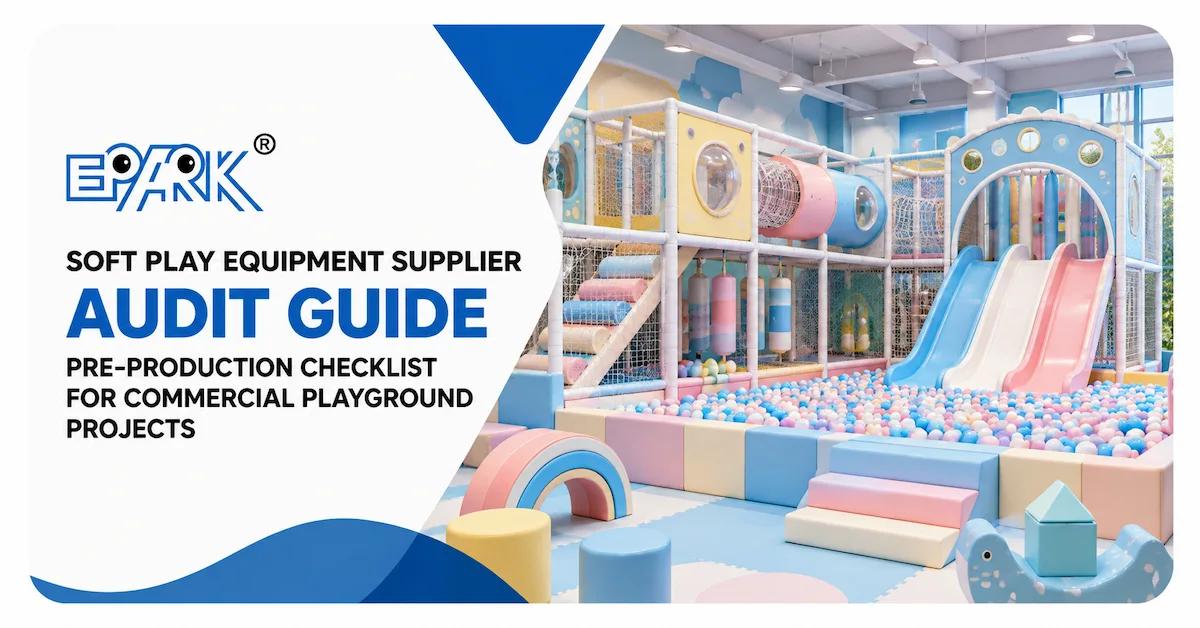
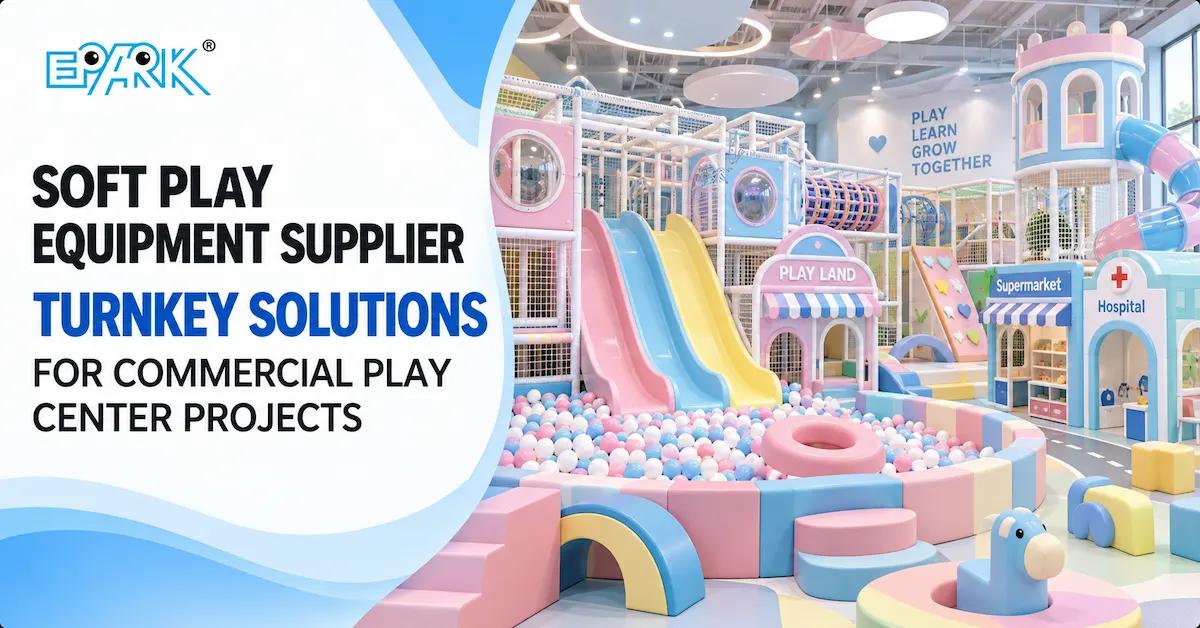
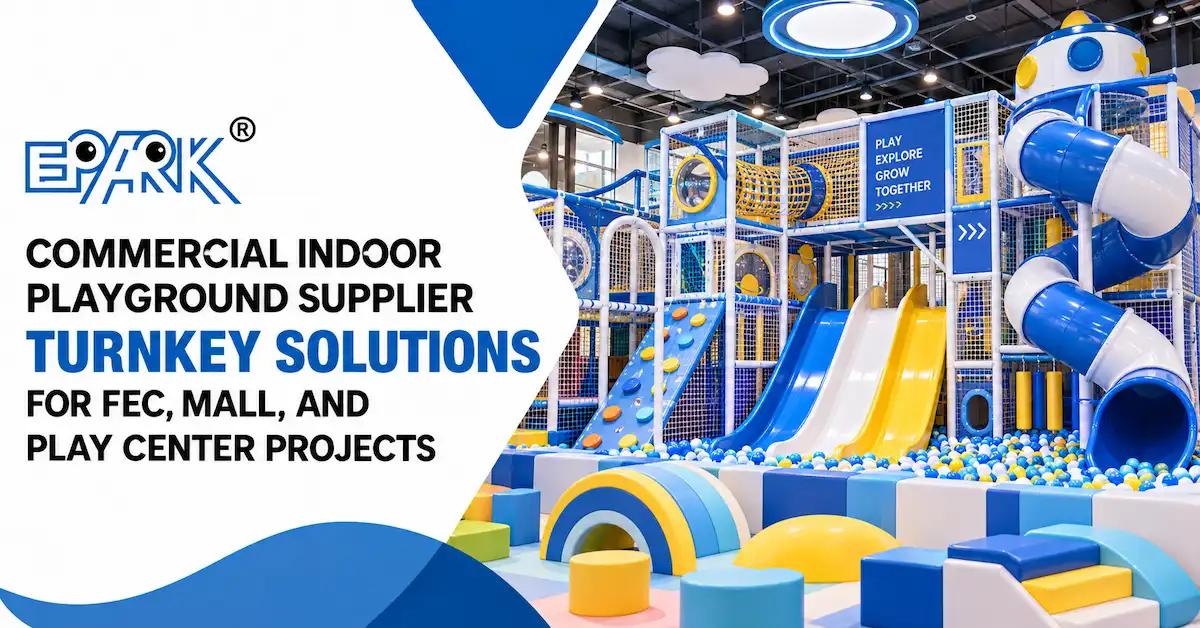
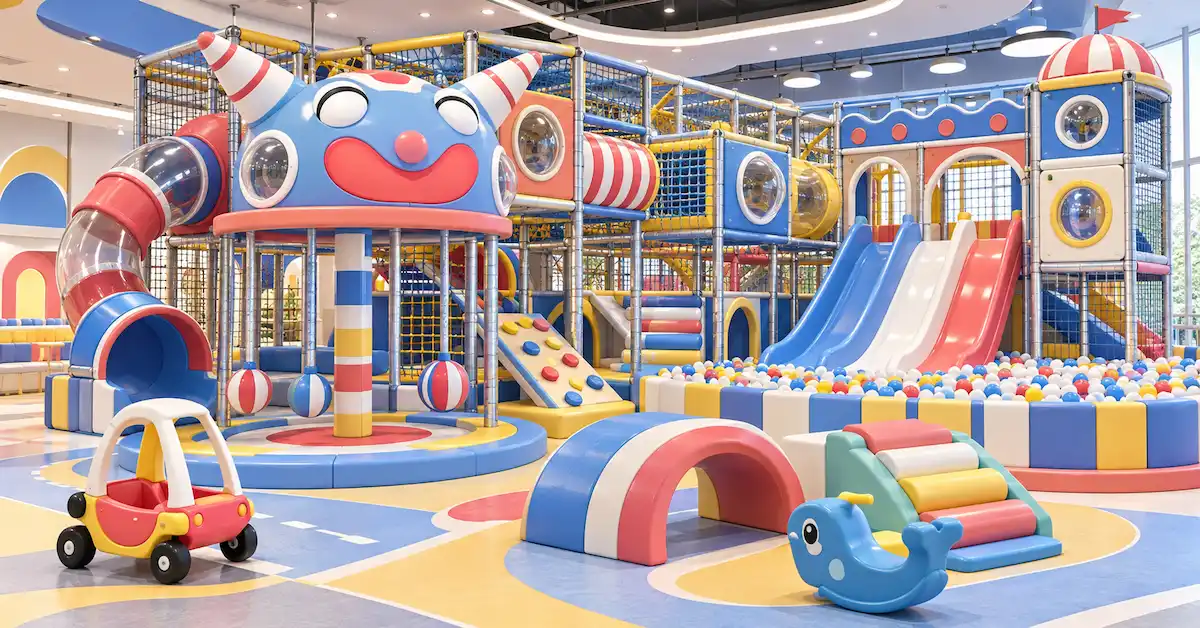
A commercial indoor playground structure usually consists of a network of steel pipes, connections, platforms, and support points arranged according to the approved layout.
Depending on the project, the structure may support:
- Multi-level play platforms
- Slides
- Crawling tunnels
- Rope bridges
- Climbing elements
- Ball pit boundaries
- Ninja obstacles
- Activity panels
- Safety netting
- Access stairs
- Themed structures
- Transition areas between different play zones
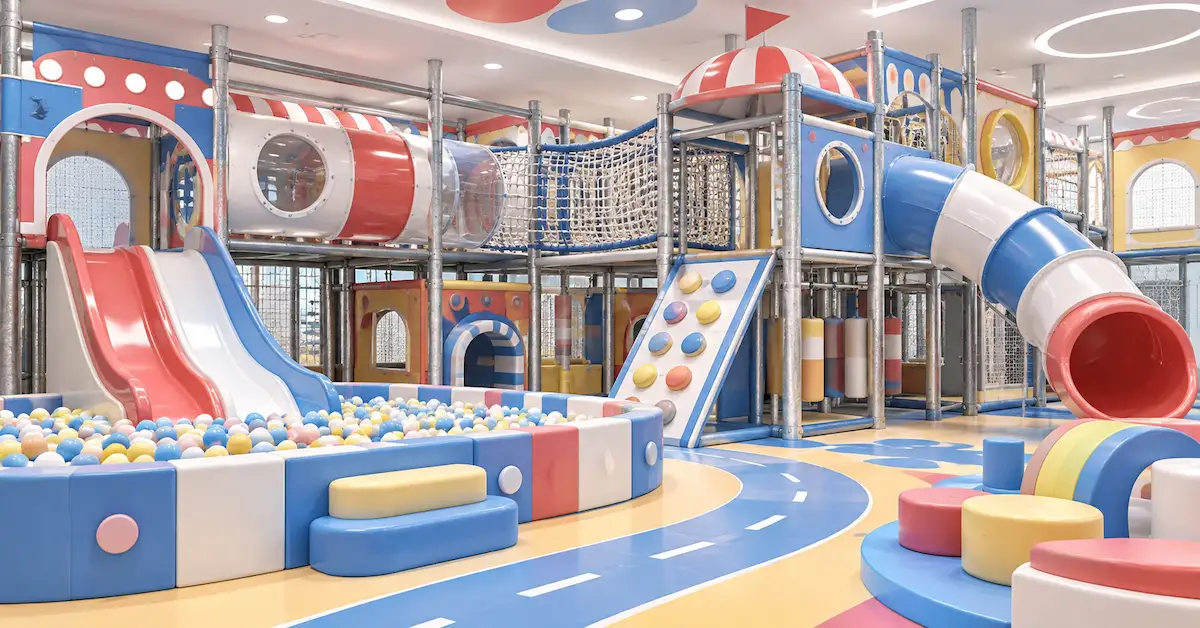
After installation, much of this structure may be covered by foam, PVC sleeves, decorative panels, safety netting, or themed elements.
That means buyers may never see the complete steel system once the playground is finished.
For this reason, structural specifications should be reviewed during the design and purchasing stage rather than judged only after installation.
EPARK’s Customization Process places space planning, professional design, material selection, manufacturing, quality inspection, delivery, installation, and after-sales support within one connected project process.
Why Does Hot-Dip Galvanization Matter?
Steel provides structural support. Galvanization serves a different purpose.
Its primary role is to help protect the steel surface against corrosion.
This distinction is important because galvanization should not be treated as proof that the entire playground structure is automatically strong, safe, or suitable for every project.
Structural performance depends on the complete system, including:
- Steel specification
- Frame layout
- Connections
- Manufacturing accuracy
- Installation
- Protective padding
- Barriers and netting
- Inspection
- Maintenance
Galvanization addresses one important risk within that system: corrosion.
Why corrosion protection matters indoors
Some buyers assume that corrosion is only a concern for outdoor playgrounds.
That is not necessarily the case.
Indoor playground structures may still be exposed to:
- Humidity
- Frequent cleaning
- Condensation
- Temperature variation
- Long operating hours
- Difficult-to-access enclosed areas
- High visitor traffic
- Local climate conditions
A playground located inside a shopping mall in a humid region may face different environmental conditions from a playground inside a consistently dry, climate-controlled building.
The fact that both projects are indoors does not mean their long-term maintenance conditions are identical.
What Problems Can Corrosion Create for Playground Operators?
Corrosion should be considered from an operational perspective, not simply as a visual issue.
If deterioration develops in hidden or difficult-to-access structural areas, operators may face additional inspection and maintenance requirements.
Potential consequences can include:
- Increased maintenance work
- More difficult inspections
- Surface deterioration
- Replacement of affected components
- Removal of surrounding padding or panels
- Operational downtime
- Higher lifecycle costs
This is why corrosion protection can be particularly important for long-term commercial projects such as:
- Family entertainment centers
- Shopping mall playgrounds
- Large kids’ play centers
- Chain indoor playgrounds
- Hotels and resorts
- Indoor amusement centers
- High-humidity projects
- Multi-level soft play centers
A commercial buyer should therefore compare not only the purchase price of the playground, but also how the structural system may affect maintenance over its operating life.
Galvanized Steel Alone Does Not Define Structural Quality
One of the most common procurement mistakes is treating the phrase “galvanized steel” as a complete technical specification.
It is only one part of the structural system.
| Structural Factor | Why Buyers Should Evaluate It |
|---|---|
| Steel material | Defines the basic structural material |
| Frame layout | Determines how platforms and attractions are supported |
| Connection design | Affects assembly and structural continuity |
| Manufacturing accuracy | Helps components fit correctly on site |
| Galvanization | Helps reduce corrosion risk |
| Padding | Protects user-contact areas around hard components |
| Net attachment | Integrates containment with the frame |
| Installation | Determines whether the structure is assembled as designed |
| Inspection access | Allows operators to monitor condition |
| Maintenance plan | Supports long-term operation |
Commercial buyers should therefore compare complete structural systems rather than selecting a supplier based only on one material term.
Where Is the Steel Frame Used in an Indoor Playground?
The role of the steel frame becomes clearer when the playground is viewed as a connected structure rather than a collection of individual attractions.
Multi-Level Platforms
Multi-level platforms create vertical play routes and connect different activity areas.
They may support repeated visitor movement throughout the day, especially in large FEC and shopping mall projects.
The supporting structure needs to match the approved layout, platform positions, surrounding barriers, and activity modules.
Slides
Slides often begin from an elevated platform.
Their installation must coordinate with:
- Supporting structure
- Entry platform
- Protective barriers
- Padding
- Exit zone
- Adjacent activities
The slide itself may be made from FRP or another suitable material, but its performance also depends on how it is integrated with the surrounding structure.
Tunnels and Bridges
Crawling tunnels, rope bridges, and enclosed passageways connect different sections of a playground.
These modules rely on correctly positioned structural supports and connections.
Climbing Zones
Climbing activities can concentrate repeated user movement in specific areas.
The frame, protective padding, safety netting, and surrounding layout should therefore be considered together.
Safety Nets and Barriers
Safety netting is attached to the surrounding play structure.
A net cannot perform properly as an isolated component if its fixing points and supporting frame have not been planned correctly.
Themed Structures
Space, jungle, ocean, candy, and castle themes can involve larger decorative forms.
These visual elements should not prevent access to important structural areas for inspection and maintenance.
Different examples of multi-level layouts can be found in EPARK’s indoor playground product range.
How Does Galvanized Steel Fit Into the Complete Playground Material System?
Commercial playgrounds depend on multiple materials performing different functions.
The steel frame provides structural support, while softer materials protect user-contact areas.
EPARK’s current material information describes a system that may include:
- Cold-rolled steel pipes with hot-dip galvanization
- High-density protective foam
- Soft PVC sleeves or coverings
- EVA or PU flooring
- FRP or composite resin components
- Protective railings
- Safety netting
This highlights an important buying principle:
Structural support and impact protection are different functions.
A soft surface does not compensate for an inadequately specified frame.
At the same time, a strong frame does not eliminate the need for padding, flooring, safety netting, proper layout, and installation.
For more information about these material layers, buyers can review EPARK’s Safety and Quality information.
Why Is Structural Durability Important in High-Traffic Venues?
Commercial indoor playgrounds operate differently from low-use residential play products.
A busy FEC or mall playground can experience continuous:
- Climbing
- Crawling
- Sliding
- Running
- Repeated entry and exit
- Cleaning
- Staff inspection
- Maintenance
This changes the purchasing decision.
Buyers should think beyond how the playground looks on opening day and consider how the structure will perform after prolonged commercial use.
High-traffic projects should consider
- Repeated use
- Maintenance access
- Inspection frequency
- Replaceable components
- Corrosion resistance
- Cleaning practices
- Future modification
- Potential downtime
This is why the lowest initial equipment price is not always the lowest total operating cost.
How Does Venue Environment Affect the Steel Structure?
The same playground specification may not be equally suitable for every environment.
Humid regions
In high-humidity markets, corrosion protection becomes especially relevant.
Buyers should discuss:
- Local humidity
- Air-conditioning conditions
- Cleaning frequency
- Ventilation
- Enclosed structural areas
- Inspection schedule
Shopping malls
Shopping mall playgrounds often operate for long hours and experience high visitor turnover.
Important priorities include:
- Structural durability
- Easy inspection
- Replaceable wear components
- Cleaning access
- Maintenance planning
Hotels and resorts
Hotel and resort playgrounds may place greater emphasis on appearance and integration with interior design.
However, attractive decorative panels should not make structural inspection unnecessarily difficult.
Large FECs
Large family entertainment centers may combine:
- Indoor playground
- Trampoline attractions
- Ninja activities
- Arcade machines
- Party spaces
- Parent areas
In these projects, the indoor playground structure should be coordinated with the wider venue layout rather than designed as an isolated attraction.
What Should Buyers Check Before Approving a Playground Steel Frame?
A commercial buyer should ask for information specific to the actual project.
1. What steel material is being used?
Avoid vague descriptions such as:
- Premium metal
- High-quality steel
- Heavy-duty material
Ask the supplier to identify the structural material proposed for your playground.
EPARK currently specifies cold-rolled steel pipe with hot-dip galvanization in its playground safety information.
2. How is corrosion protection applied?
Confirm the surface treatment used for the structural frame.
If the project will operate in a humid environment, discuss this directly during the quotation and design stage.
3. What does the frame support?
Ask how the structural system supports:
- Platforms
- Slides
- Tunnels
- Bridges
- Climbing modules
- Nets
- Themed elements
The frame should be evaluated as part of the approved layout.
4. How are hard structural components protected?
User-contact areas around structural elements need suitable protective materials.
EPARK describes high-density foam and soft PVC sleeves as part of its protection system.
5. How is the structure installed?
A correctly manufactured frame can still create problems if it is assembled incorrectly.
Installation should therefore be considered during procurement rather than after shipment.
EPARK’s Customization Process includes delivery and installation as part of the project workflow.
6. How can the structure be inspected later?
Operators should understand how staff can inspect:
- Connection areas
- Accessible steel
- Padding
- Netting
- Platforms
- High-wear areas
Inspection accessibility can influence long-term maintenance efficiency.
Galvanized Steel Playground Buyer Checklist
| Buyer Question | Procurement Purpose |
|---|---|
| What steel pipe specification is proposed? | Confirms structural material |
| Is the frame hot-dip galvanized? | Clarifies corrosion protection |
| Is there a project-specific layout? | Verifies actual structural configuration |
| How are multi-level platforms supported? | Evaluates structural planning |
| How are connections assembled? | Supports installation review |
| Which frame areas receive padding? | Links structure with user protection |
| How are nets attached? | Evaluates containment integration |
| What QC occurs before shipment? | Reduces manufacturing risk |
| How is installation supported? | Reduces site assembly risk |
| What maintenance guidance is provided? | Supports long-term operation |
This type of checklist gives buyers far more useful information than simply asking:
Do you use galvanized steel?
Why Project-Specific Drawings Matter
A galvanized steel playground frame should always be evaluated within the actual venue layout.
The design may need to respond to:
- Floor dimensions
- Ceiling height
- Building columns
- Entrances and exits
- Equipment height
- Toddler zones
- Older-child zones
- Slide positions
- Climbing routes
- Parent visibility
- Maintenance access
- Future expansion
This is why the frame cannot be properly specified from a product photo alone.
EPARK’s Customization Process includes consultation, space planning, 3D design, material selection, manufacturing, inspection, delivery, installation, and after-sales support.
For buyers, the practical rule is:
Approve the structural material together with the layout in which it will be used.
Can a Steel Frame Support Future Playground Expansion?
Modular planning can be useful for operators expecting future changes.
These changes may include:
- New play modules
- Theme updates
- Additional attractions
- Revised age zoning
- Layout expansion
A steel-frame system may support future modification, but buyers should not automatically assume every playground can be expanded in any direction.
Future expansion depends on factors such as:
- Original structural layout
- Available floor space
- Ceiling height
- Existing connection points
- New equipment requirements
- Access
- Local requirements
If expansion is part of the business plan, discuss it during the first design stage.
Common Mistakes When Buying an Indoor Playground Structure
Choosing by price before checking the specification
Two suppliers may present visually similar playground designs while using different structural approaches.
The quotation should be compared at the specification level, not only at the total price.
Evaluating only visible materials
Buyers naturally notice:
- Colors
- Foam
- PVC
- Flooring
- Slides
- Decorative panels
The hidden frame should receive equal attention.
Assuming indoor environments eliminate corrosion risk
Indoor playgrounds can still experience humidity, condensation, cleaning, and long operating periods.
Corrosion protection remains relevant.
Assuming galvanization equals complete playground safety
Galvanization supports corrosion resistance.
It does not replace:
- Structural engineering
- Quality manufacturing
- Protective padding
- Correct barriers
- Safe layout
- Professional installation
- Inspection
- Maintenance
Ignoring future maintenance access
Theme design should not make important structural areas impossible or unnecessarily difficult to inspect.
How Should Buyers Evaluate Safety Standards and Documentation?
Materials, structural design, and certification should be evaluated separately.
A useful procurement process asks:
- What materials are used?
- How are those materials incorporated into the structure?
- Which safety requirements apply to the specific destination and project?
- Which documentation supports those requirements?
EPARK’s customization information references EN1176, ASTM, and ISO-related safety requirements, while its website also provides a dedicated Certificates section.
However, buyers should confirm which certificate, report, or standard applies to the equipment being ordered.
Do not assume that every certificate displayed by a manufacturer automatically applies to every product configuration.
How to Compare Two Playground Suppliers Using the Same “Galvanized Steel” Claim
Imagine two quotations.
Supplier A provides
- Material specification
- Floor plan
- Structural layout
- 3D design
- Padding information
- Manufacturing details
- QC process
- Installation guidance
- Maintenance information
Supplier B provides
- Rendering
- Equipment list
- Total price
- “High-quality galvanized steel”
Both suppliers may use the phrase “galvanized steel,” but Supplier A gives the buyer significantly more information to evaluate project risk.
That does not mean a longer quotation is automatically better.
It means the proposal should contain enough project-specific information to support a real purchasing decision.
What Information Should Buyers Provide Before Requesting a Structural Proposal?
The manufacturer needs site information before developing a meaningful project solution.
Prepare:
- Floor plan
- Floor dimensions
- Ceiling height
- Building columns
- Entrances and exits
- Target age groups
- Preferred theme
- Required activity modules
- Destination country
- Venue environment
- Expected visitor traffic
- Installation requirements
- Future expansion plans
Providing this information helps the design team evaluate the playground as a complete commercial system.
Buyers can review EPARK’s indoor playground products before preparing a project request.
Frequently Asked Questions About Galvanized Steel Indoor Playground Structures
Why is galvanized steel used in indoor playground structures?
Steel provides structural support, while galvanization helps protect the steel surface against corrosion. EPARK states that its playground framework uses cold-rolled steel pipe with hot-dip galvanization.
Does galvanization make a playground structure stronger?
Not directly. Structural performance depends on the steel specification, frame design, connections, manufacturing, installation, and project conditions. Galvanization primarily addresses corrosion protection.
Can indoor playground steel still corrode?
Yes. Long-term condition can be influenced by humidity, cleaning practices, surface damage, ventilation, condensation, and maintenance.
Is galvanized steel especially important in humid markets?
Corrosion protection becomes particularly relevant in humid environments. Buyers should explain venue conditions during project planning so the supplier can evaluate the application properly.
Is the steel frame visible after installation?
Much of the frame can be covered by foam, PVC protection, panels, nets, or decorative elements. This makes specification review before installation particularly important.
What materials protect children from contact with the frame?
EPARK describes high-density foam and soft PVC sleeves around relevant user-contact areas as part of its playground protection system.
Should buyers request project drawings?
Yes. Project-specific layouts and drawings help buyers understand how structural modules fit the venue and how major equipment components are positioned.
Is galvanized steel enough to judge indoor playground quality?
No. Buyers should also evaluate padding, flooring, slides, safety nets, manufacturing, QC, installation, maintenance, and documentation.
How should operators inspect the structure?
Inspection requirements depend on the playground configuration, operating conditions, local requirements, and manufacturer guidance. Operators should request maintenance and inspection instructions for their specific installation.
What should I send when requesting a quotation?
Provide floor dimensions or drawings, ceiling height, target ages, preferred theme, destination market, activity requirements, and relevant site conditions. Project information can be submitted through EPARK’s Contact Us page.
Conclusion
A galvanized steel indoor playground structure should be evaluated as part of the complete playground system, not as a standalone material claim. Buyers can review EPARK’s Safety and Quality information to better understand how structural materials, protective padding, flooring, and other components work together.
Buyers should focus on corrosion protection, structural design, installation quality, inspection access, and project-specific documentation. For a more accurate proposal, prepare your floor plan, ceiling height, target age group, destination market, and activity requirements, then submit them through EPARK’s Contact Us page.
General Disclaimer
All data on https://www.eparki.com is for general guidance only. As a leading indoor playground manufacturer and trampoline supplier, EPARK strives for accuracy but gives no express or implied warranty regarding completeness, performance or project fitness. Product specs, designs and results may vary with use and customer requirements. Buyers must verify technical details, compliance and suitability before purchase. EPARK OEM/ODM is not liable for any direct, indirect or consequential damages arising from site use. For custom solutions, contact our manufacturer and supplier team via the Contact page.
Intellectual Property
Text, images, videos, CAD files and software are Guangzhou EPARK Electronic Technology Co., Ltd. All rights reserved. No part may be copied, republished or used commercially without prior written permission. We will pursue legal action for copyright or design-patent infringement.
Trademarks
"EPARK", the EPARK logo and related graphics are registered trademarks of Guangzhou EPARK Electronic Technology Co., Ltd. Unauthorized use in ads, domain names or packaging is prohibited.
Governing Law
These terms are governed by the laws of the People's Republic of China.
Contact
Questions? Email sales@nanyuetech.com or WhatsApp +86 139 0307 9263.