Introduction
In today’s digital-first world, children are spending more time on screens and less time engaging in face-to-face interaction. This shift has raised concerns among parents and educators about the development of essential social skills.
A well-designed indoor playground offers more than just entertainment. It creates a dynamic environment where children can interact, communicate, and learn through play. These spaces are increasingly recognized as powerful tools for supporting children’s social and emotional development.
For schools, daycare centers, and family entertainment businesses, integrating an indoor playground is not only beneficial for children—it also enhances user experience and long-term engagement.
Why Social Skills Development Matters in Early Childhood
Foundation for Communication and Relationships
Social skills are critical for building relationships and succeeding in both school and life. Children need opportunities to practice communication, listening, and interaction in real-world settings.
An indoor playground provides a natural environment where children can develop these abilities. Unlike structured classrooms, play areas allow children to communicate freely and express themselves.
Over time, these interactions help children become more confident and socially aware.
Supporting Emotional Intelligence
Emotional intelligence plays a key role in how children manage feelings and respond to others. Playground environments often expose children to real-life emotional situations.
For example, waiting for turns or sharing equipment helps children develop patience and self-control. These small experiences build emotional resilience.
As a result, children become better at handling challenges and interacting positively with peers.
 How Playgrounds Encourage Social Interaction
Shared Spaces That Promote Communication
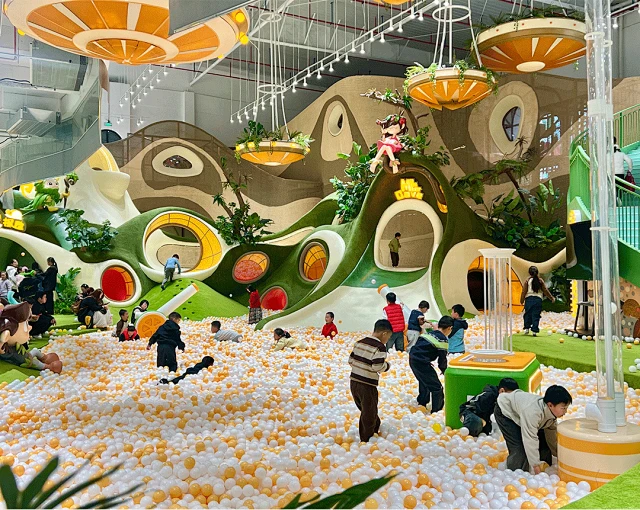
Playground equipment naturally encourages interaction. Slides, climbing structures, and soft play zones require children to take turns and engage with others.
Simple conversations like asking to join a game or sharing space help children develop communication skills. These interactions are essential for building confidence.
Internal Link Suggestion: Explore our soft play equipment solutions for interactive play environments.
Unstructured Play Builds Natural Interaction
Unstructured play is one of the biggest advantages of an indoor playground. Children are free to create games, set rules, and invite others to participate.
This type of play encourages creativity and leadership. It also allows children to navigate social situations independently.
Compared to structured learning, unstructured play provides more opportunities for spontaneous interaction.
Key Social Skills Developed Through Play
Teamwork and Cooperation
Many playground activities require children to work together. Whether navigating obstacle courses or participating in group games, teamwork is essential.
Children learn how to share, cooperate, and achieve common goals. These skills are important for both academic and future professional environments.
Conflict Resolution and Problem-Solving
Disagreements are common during play. However, these situations provide valuable learning opportunities.
Children learn how to negotiate, compromise, and resolve conflicts peacefully. This helps them develop critical thinking and decision-making skills.
An indoor playground offers a safe environment where children can practice these behaviors.
Empathy and Social Awareness
Through interaction, children begin to understand others’ feelings. For example, helping a peer or reacting to emotions builds empathy.
Role-playing areas in an indoor playground further enhance this process. Children can simulate real-life situations and develop emotional awareness.
This leads to stronger relationships and better communication.
 The Role of Indoor Playgrounds in Social Development
Safe and Structured Environment
Safety is a key advantage of any indoor playground. Modern facilities follow strict safety standards and use high-quality materials.
Below are common safety standards used in the industry:
| Standard | Region | Purpose |
|---|---|---|
| ASTM F1918 | USA | Soft contained play safety |
| EN 1176 | Europe | Playground equipment standards |
| ISO 9001 | Global | Quality management |
A safe environment allows children to explore freely while giving parents peace of mind.
Inclusive Play for All Children
Indoor playgrounds are designed to accommodate different age groups and abilities. This inclusivity promotes interaction among diverse children.
Younger children learn from older peers, while older children develop leadership skills. This creates a balanced and engaging social environment.
Inclusive design also helps expand the appeal of the playground for operators.
Interactive and Themed Play Zones
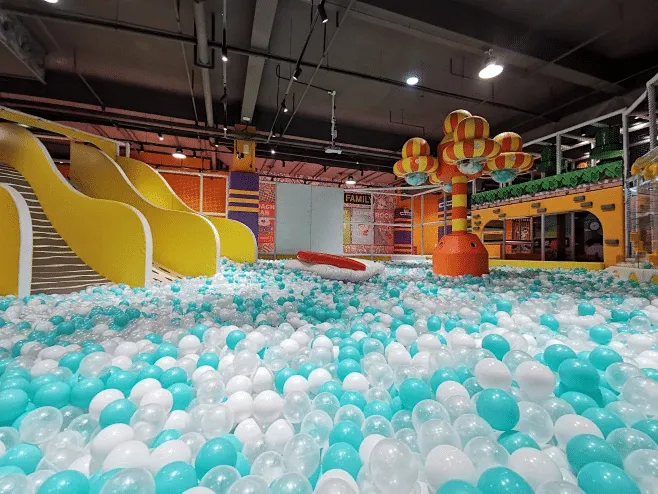
Modern indoor playground designs often include themed areas such as mini cities, adventure zones, or role-play spaces.
These environments encourage children to interact in realistic scenarios. For example, playing in a “store” or “kitchen” helps children practice communication and cooperation.
Internal Link Suggestion: Learn more about custom indoor playground design services for themed environments.
Benefits for Educational Institutions
Enhancing Learning Through Play
Play-based learning is widely recognized as an effective educational approach. It improves engagement and helps children retain information.
An indoor playground complements classroom teaching by providing hands-on experiences. Children learn by doing, which reinforces social and cognitive skills.
Increasing Enrollment and Parent Satisfaction
Schools and daycare centers with playground facilities are more attractive to parents. A modern indoor playground reflects a commitment to child development.
This can lead to higher enrollment rates and improved reputation. Parents value environments that support both learning and well-being.
Supporting Holistic Development
Education today focuses on the whole child, including social, emotional, and physical development.
Playgrounds support this approach by combining all these elements in one space. This makes them a valuable investment for educational institutions.
Key Design Elements That Support Social Skills
Multi-User Play Equipment
Equipment designed for multiple users encourages collaboration. Examples include group slides, trampolines, and climbing structures.
These features promote teamwork and communication through shared experiences.
Open and Flexible Layouts
A well-designed indoor playground should have an open layout. This allows children to move freely and interact easily.
Open spaces encourage group play and increase visibility, which improves safety and supervision.
Custom Playground Solutions
Every project has unique requirements. Custom indoor playground solutions allow operators to design spaces based on target users and goals.
Key factors include:
| Factor | Consideration |
|---|---|
| Age Group | Toddlers or school-age children |
| Space Size | Small or large installations |
| Objectives | Social, physical, or educational |
Internal Link Suggestion: Why Indoor Playgrounds Matter for Schools and Healthcare Centers
 Conclusion
Playgrounds play a crucial role in helping children develop social skills. Through interaction, cooperation, and shared experiences, children learn how to communicate and build relationships.
An indoor playground provides a safe, engaging, and flexible environment that supports this development. It benefits not only children but also families, schools, and business operators.
For educational institutions, even a small indoor playground can significantly improve student engagement and social learning outcomes.
Call to Action
Looking to enhance children’s social development in your facility?
Contact us today for a custom indoor playground solution
Explore safe and innovative play equipment designs
Start building a more interactive and engaging space now
General Disclaimer
All data on https://www.eparki.com is for general guidance only. As a leading indoor playground manufacturer and trampoline supplier, EPARK strives for accuracy but gives no express or implied warranty regarding completeness, performance or project fitness. Product specs, designs and results may vary with use and customer requirements. Buyers must verify technical details, compliance and suitability before purchase. EPARK OEM/ODM is not liable for any direct, indirect or consequential damages arising from site use. For custom solutions, contact our manufacturer and supplier team via the Contact page.
Intellectual Property
Text, images, videos, CAD files and software are Guangzhou EPARK Electronic Technology Co., Ltd. All rights reserved. No part may be copied, republished or used commercially without prior written permission. We will pursue legal action for copyright or design-patent infringement.
Trademarks
"EPARK", the EPARK logo and related graphics are registered trademarks of Guangzhou EPARK Electronic Technology Co., Ltd. Unauthorized use in ads, domain names or packaging is prohibited.
Governing Law
These terms are governed by the laws of the People's Republic of China.
Contact
Questions? Email sales@nanyuetech.com or WhatsApp +86 139 0307 9263.