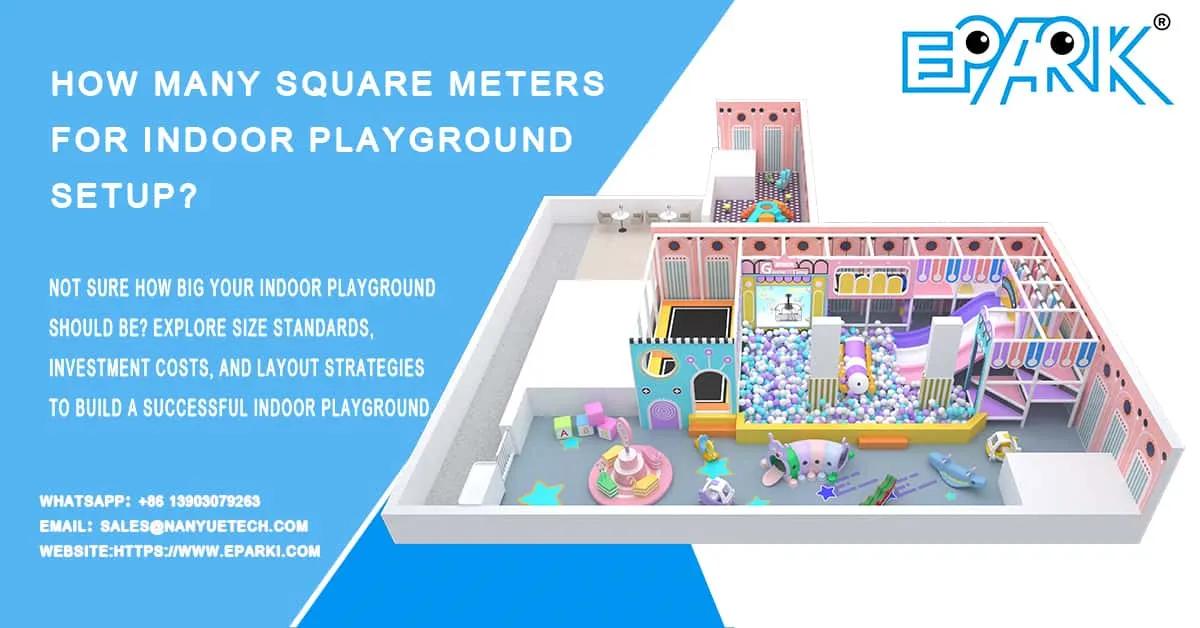
Introduction
The indoor playground industry continues to grow rapidly as more investors enter the family entertainment center market. However, one of the most critical questions at the early stage is simple but decisive:
How many square meters does your indoor playground really need?
This decision directly affects your investment cost, equipment selection, customer experience, and long-term profitability. Choosing the wrong size can either limit your revenue or increase unnecessary expenses.
In this guide, we will help you understand how to determine the ideal indoor playground size, estimate the budget, and optimize your layout for maximum return.
Why Indoor Playground Size Matters for Your Business
Investment Cost Is Directly Linked to Size
The size of your indoor playground determines your upfront investment. Larger spaces require:
- Higher rent
- More equipment
- Increased shipping and installation costs
Most suppliers calculate pricing based on square meters, so even small size increases can significantly affect your budget.
Internal Link Suggestion:
Explore our full range of indoor playground solutions
Revenue Potential Depends on Space Planning
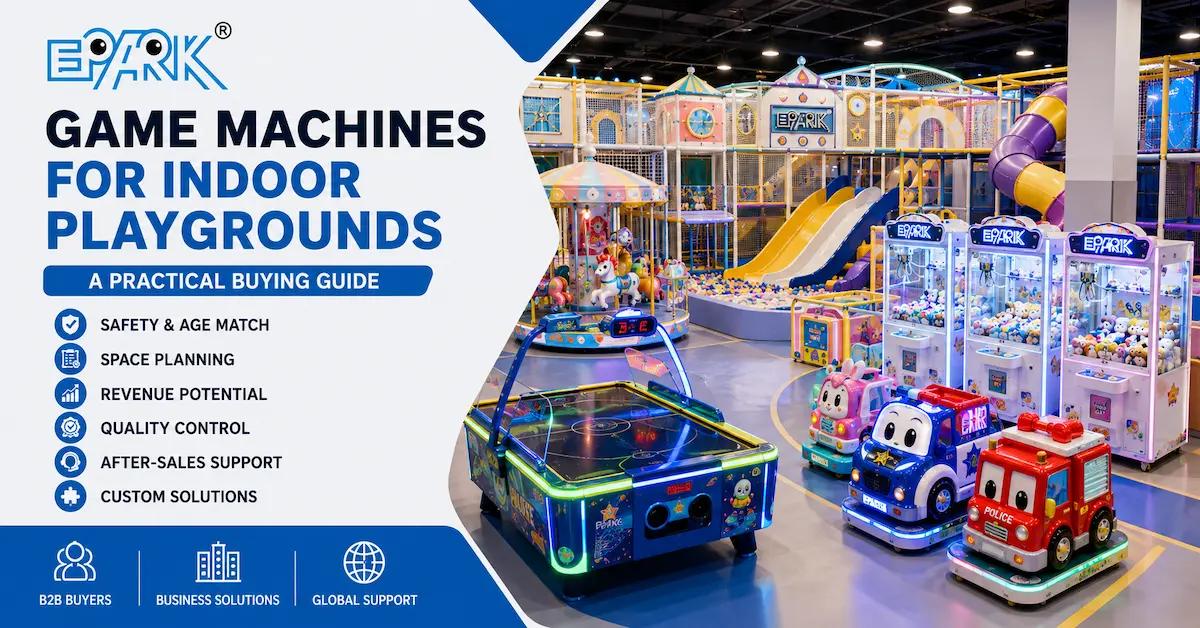
A well-sized indoor playground allows you to include more attractions such as:
- Soft play structures
- Trampoline zones
- Ninja courses
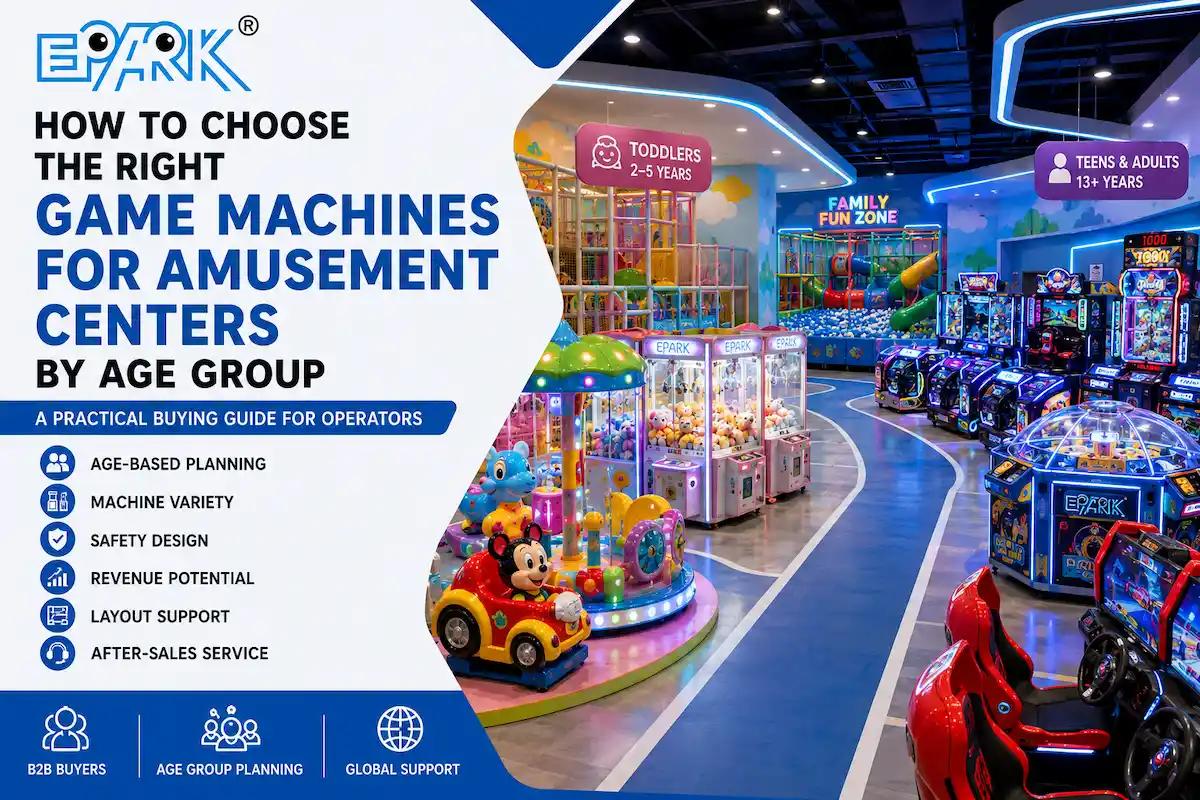
- Arcade machines
More attractions mean higher ticket pricing and additional revenue streams like birthday parties and group events.
Customer Experience Drives Repeat Visits
A crowded play area reduces customer satisfaction, while too much empty space lowers engagement.
A properly planned indoor playground should:
- Provide enough room per child
- Separate different age groups
- Ensure smooth traffic flow
This balance is key to increasing customer retention and lifetime value.
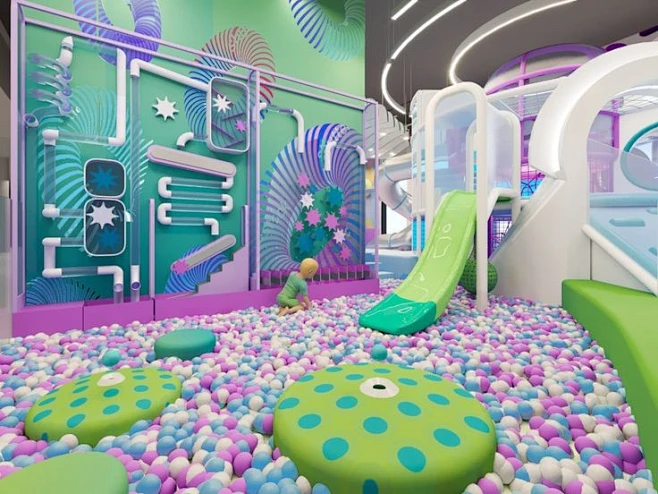 Standard Indoor Playground Size Categories
To simplify decision-making, most indoor playground projects fall into three categories:
| Category | Size Range | Best For | Budget Range |
|---|---|---|---|
| Small | 100–300 sqm | Cafés, small venues | $15,000 – $50,000 |
| Medium | 300–800 sqm | Family entertainment centers | $50,000 – $150,000 |
| Large | 800–2000+ sqm | Commercial projects | $150,000 – $500,000+ |
Small Indoor Playground (100–300 sqm)
A small indoor playground is ideal for startups or limited spaces. These projects typically focus on:
- Toddlers and young children
- Soft play equipment
- Basic slides and ball pits
This option is cost-effective and suitable for testing a local market.
Internal Link Suggestion:
Learn more about soft play equipment
Medium Indoor Playground (300–800 sqm)
This is the most popular size for a family entertainment center. It allows you to combine:
- Soft play areas
- Trampoline park zones
- Role-play sections
- Party rooms
It offers a strong balance between investment and revenue potential.
Large Indoor Playground (800–2000+ sqm)
Large indoor playgrounds are designed as full entertainment destinations. They often include:
- Multi-level play structures
- Arcade game zones
- VR or interactive attractions
- Themed environments
These projects require higher investment but offer stronger branding and long-term growth.
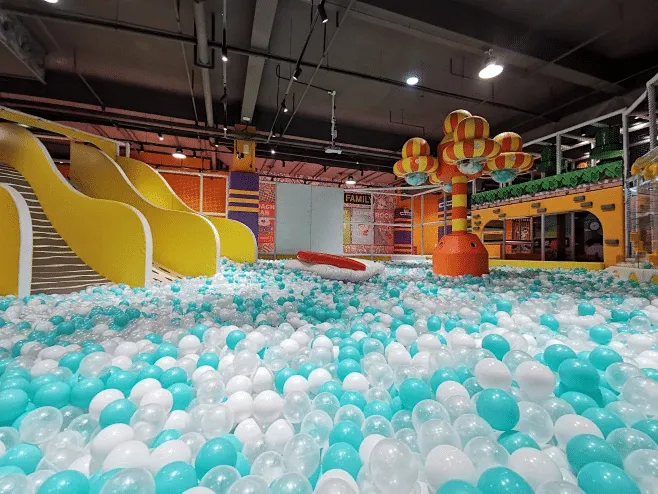 How to Calculate the Ideal Indoor Playground Size
Step 1: Define Your Target Audience
Different age groups require different space allocations:
- Toddlers need smaller, safer zones
- Older children require more dynamic and larger play areas
If you target a wide age range, your indoor playground will need more space for zoning.
Step 2: Evaluate Your Location
Your venue plays a key role in determining size:
- Shopping mall locations require efficient layouts
- Standalone venues allow more flexibility
Also, don’t overlook ceiling height. A height of 3–6 meters allows for multi-level play structures, maximizing space usage.
Step 3: Calculate Capacity per Square Meter
A common industry standard is:
1 child = 2–4 square meters
Example:
| Capacity | Recommended Size |
|---|---|
| 50 ילדים | 100–200 sqm |
| 100 ילדים | 200–400 sqm |
| 200 ילדים | 400–800 sqm |
This ensures safety and comfort while optimizing your indoor playground layout.
Step 4: Plan Functional Zones
A successful indoor playground layout should include:
| Area | Recommended Ratio |
|---|---|
| Play Area | 60–70% |
| Reception | 10–15% |
| Party Rooms | 10–15% |
| Rest Area | 5–10% |
Indoor Playground Cost per Square Meter
Equipment Cost Breakdown
The cost of an indoor playground depends on equipment type:
| Type | Cost per sqm |
|---|---|
| Soft Play | $100–$300 |
| Trampoline Park | $200–$400 |
| Custom Themed Playground | $300–$600 |
Custom designs provide better branding but come at a higher cost.
Additional Costs You Should Not Ignore
Besides equipment, consider:
- Shipping and import fees
- Installation services
- Safety certifications (ASTM, EN1176)
- Decoration and branding
These costs typically add 20%–40% to your total budget.
How to Reduce Investment Risk
To optimize your budget:
- Start with a scalable design
- Focus on high-ROI attractions
- Work directly with a factory supplier
This approach improves your cash flow and reduces payback time.
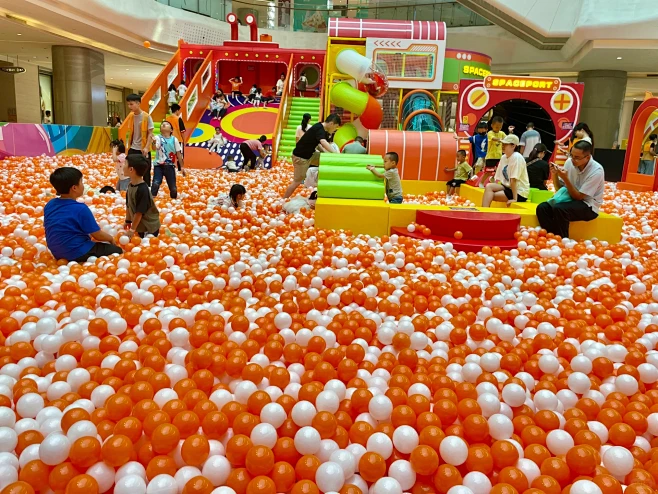 Real Indoor Playground Size & Budget Examples
Small Playground in a Mall
- Size: 200 sqm
- Budget: ~$30,000
- Focus: soft play
Ideal for entry-level investors.
Mid-Size Family Entertainment Center
- Size: 600 sqm
- Budget: ~$100,000
- Features: trampoline + party rooms
This model offers stable returns and strong scalability.
Large Commercial Indoor Playground
- Size: 1200 sqm
- Budget: $300,000+
Designed for long-term, high-revenue operations.
Common Mistakes When Choosing Indoor Playground Size
Ignoring Ceiling Height
Without enough height, your design options become limited, reducing play value.
Overestimating Market Demand
Starting too large can increase financial pressure and delay ROI.
Poor Layout Planning
Even a large indoor playground can fail if space is not used efficiently.
How to Maximize Revenue per Square Meter
Add High-Profit Areas
Include:
- Birthday rooms
- Arcade zones
- Food & beverage services
These significantly increase customer spending.
Increase Dwell Time
The longer customers stay, the more they spend. Add:
- Comfortable seating
- Diverse attractions
- Parent-friendly areas
Optimize Traffic Flow
Good design ensures:
- Better space utilization
- Less congestion
- Higher equipment usage
 Conclusion
So, how many square meters does your indoor playground need?
The answer depends on your budget, location, and target market. There is no one-size-fits-all solution, but following industry standards and proper planning can help you avoid costly mistakes.
A well-designed indoor playground not only improves customer experience but also maximizes your return on investment.
Call to Action
Still unsure about the ideal size for your indoor playground?
We can help you with:
- Free layout design
- Customized equipment solutions
- Accurate cost estimation
Contact us now to get a tailored indoor playground plan and start your project with confidence!
General Disclaimer
All data on https://www.eparki.com is for general guidance only. As a leading indoor playground manufacturer and trampoline supplier, EPARK strives for accuracy but gives no express or implied warranty regarding completeness, performance or project fitness. Product specs, designs and results may vary with use and customer requirements. Buyers must verify technical details, compliance and suitability before purchase. EPARK OEM/ODM is not liable for any direct, indirect or consequential damages arising from site use. For custom solutions, contact our manufacturer and supplier team via the Contact page.
Intellectual Property
Text, images, videos, CAD files and software are Guangzhou EPARK Electronic Technology Co., Ltd. All rights reserved. No part may be copied, republished or used commercially without prior written permission. We will pursue legal action for copyright or design-patent infringement.
Trademarks
"EPARK", the EPARK logo and related graphics are registered trademarks of Guangzhou EPARK Electronic Technology Co., Ltd. Unauthorized use in ads, domain names or packaging is prohibited.
Governing Law
These terms are governed by the laws of the People's Republic of China.
Contact
Questions? Email sales@nanyuetech.com or WhatsApp +86 139 0307 9263.