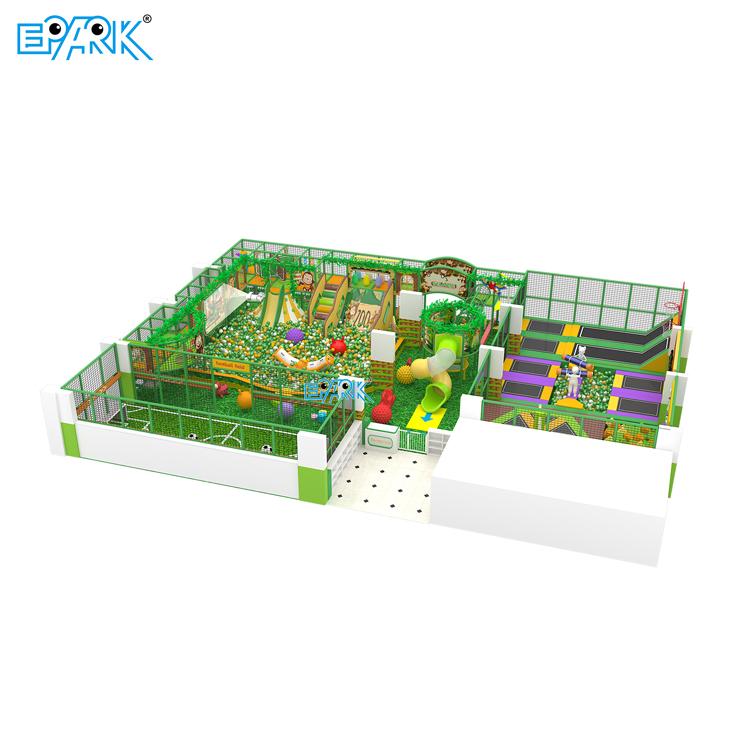
How to Build a Rehabilitation Game Zone in Children’s Hospitals
A well-designed rehabilitation game zone is becoming a core component of modern children’s hospital development. As pediatric rehabilitation demand grows globally, hospitals that integrate therapeutic play and evidence-based recovery tools gain a significant competitive advantage. This guide provides a clear, highly actionable blueprint for B2B procurement teams looking to build safe, effective, and medically aligned rehabilitation spaces.
Introduction
For hospital planners, medical contractors, and rehabilitation investors, creating a children’s hospital rehabilitation game zone is no longer optional. These spaces help young patients recover faster through structured play, soft play equipment, sensory activities, and gamified therapy. They also reduce treatment resistance and improve family satisfaction—key performance indicators for modern healthcare facilities.
As the demand for pediatric rehabilitation continues to rise, this guide provides an expert, easy-to-implement framework for designing a compliant and effective therapeutic environment. We cover core concepts, planning steps, installation standards, and procurement guidance tailored for professional B2B projects.
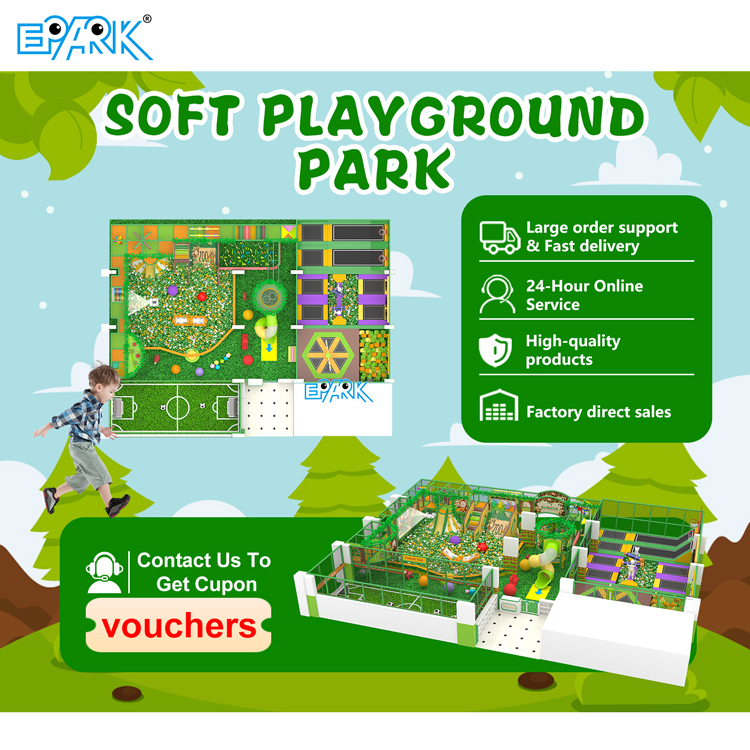
What Is a Rehabilitation Game Zone in Children’s Hospitals?
A rehabilitation game zone is a therapy-focused indoor space combining medical rehabilitation goals with interactive play. Unlike a general indoor playground, this environment is built to support physical therapy, sensory integration, cognitive development, and emotional comfort.
Definition and Core Purpose
A rehabilitation game zone uses guided play to enhance motor recovery, coordination, sensory processing, and cognitive abilities. The space works alongside physiotherapy and occupational therapy programs, helping children participate more willingly and confidently. It also reduces fear and anxiety, creating a more positive patient experience.
Key Components
| Component Type | Examples | Purpose |
|---|---|---|
| Soft Play Equipment | Foam climbers, padded steps, balance beams | Safe gross-motor practice |
| Sensory Play Tools | Tactile boards, light walls, sensory swings | Improves sensory regulation |
| Rehabilitation Machines | Mini treadmills, balance trainers | Supports physical therapy |
| Interactive Digital Systems | AR/VR rehab games, projection systems | Enhances cognitive engagement |
| Cognitive Therapy Tools | Puzzle walls, memory games | Strengthens attention & problem-solving |
These components must meet medical-grade durability, hygiene, and safety standards.
Soft Play Equipment for Medical Environments
Why Children’s Hospitals Should Build a Rehabilitation Game Zone
Therapeutic play significantly enhances a child’s recovery process. Research shows that play-based rehabilitation increases treatment cooperation by 30–50%, making it highly effective in pediatric settings.
Enhancing the Healing Environment
Hospitals can feel overwhelming for children. A rehabilitation game zone provides a comfortable, safe, and familiar space that:
-
Reduces stress and hospital-related anxiety
-
Encourages healthy movement
-
Boosts emotional well-being
-
Improves therapy participation
These emotional benefits play a critical role in long-term pediatric rehabilitation success.
Proven Clinical Benefits
Therapeutic play supports:
-
Motor skill development
-
Sensory integration (especially crucial for ASD patients)
-
Cognitive training and memory reinforcement
-
Faster recovery through repeated, gamified movement
-
Lower perception of pain during therapy
For more clinical benefits, see:
Benefits of Play-Based Rehabilitation in Hospitals
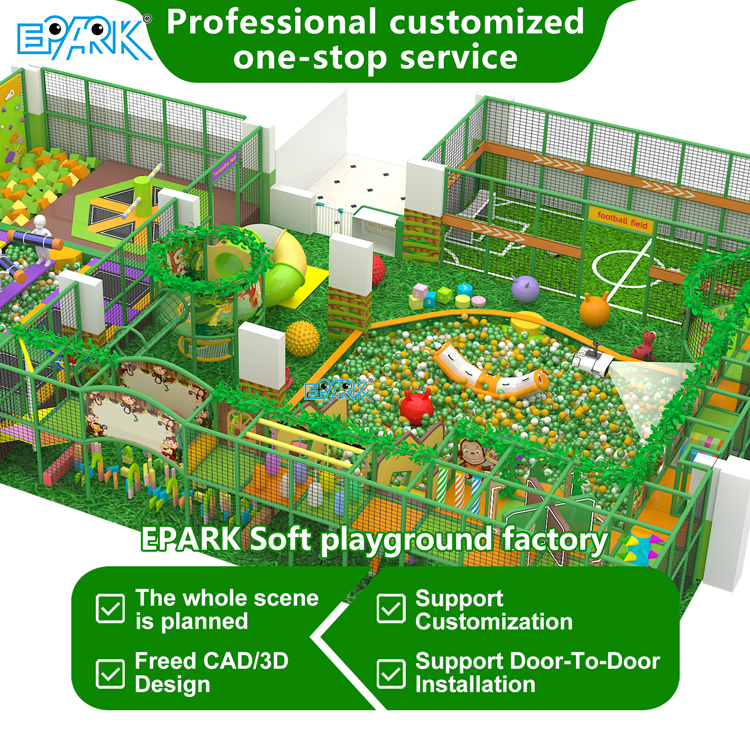
Who Is the Rehabilitation Game Zone Designed For?
A children’s hospital rehabilitation game zone serves multiple patient groups and therapy programs, making the space highly versatile.
Primary User Groups
This area is ideal for:
-
Children recovering from injury or surgery
-
Patients with mobility limitations
-
Children with sensory processing challenges
-
Autism spectrum disorder (ASD) patients
-
Long-term hospitalized children
-
Siblings needing emotional relief during visits
Typical Usage Scenarios
These spaces support:
-
Pre-therapy warm-ups
-
Post-therapy cool-down and reinforcement
-
Sensory integration sessions
-
Cognitive rehabilitation activities
-
General emotional comfort during long hospital stays
Clear zoning helps avoid overstimulation and ensures therapy alignment.
How to Plan and Build a Rehabilitation Game Zone
Creating a safe and effective rehabilitation game zone requires proper planning, zoning, equipment selection, and compliance with medical safety standards.
Step 1 — Define Clear Project Goals
Before designing the layout, determine:
-
Target age groups
-
Therapy functions (physical rehab / sensory play / cognitive rehab)
-
Required daily capacity
-
Equipment categories needed
-
Compliance standards for medical facilities
These decisions shape budget, layout, safety requirements, and technical needs.
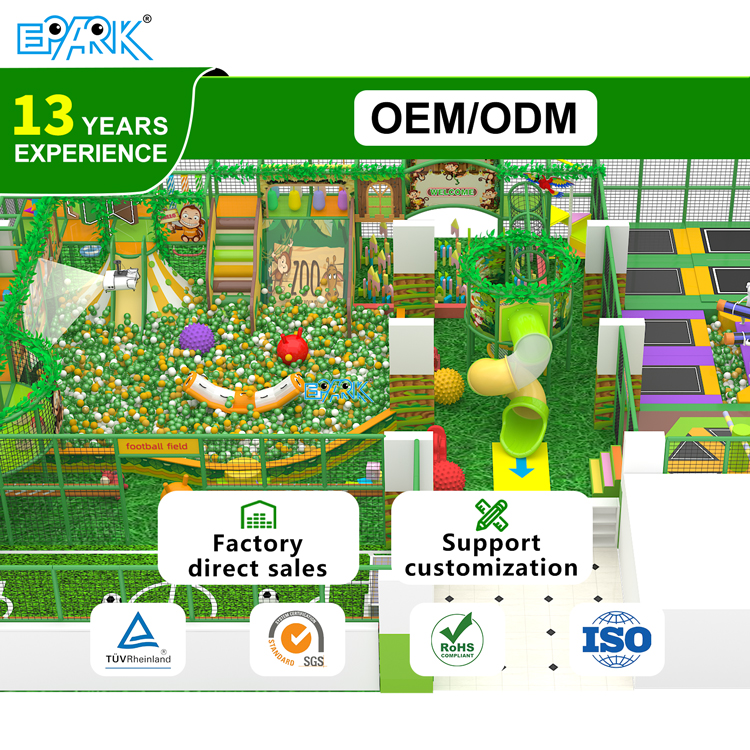
Step 2 — Space Planning & Area Zoning
Children’s hospital therapeutic play zones typically range from 30–200 sqm. Proper zoning ensures safety, function, and smooth patient flow.
Recommended layout:
-
Active Movement Zone: Climbing, balancing, physical game tasks
-
Sensory Zone: Light panels, tactile boards, sensory swings
-
Cognitive Therapy Zone: Puzzles, interactive walls, VR rehab
-
Quiet Zone: Calming area for rest
-
Supervision Area: For therapists, parents, and staff
Design principles:
-
Avoid blind spots
-
Use anti-collision padding
-
Ensure wheelchair accessibility
-
Provide ventilation and air purification
Step 3 — Choose Hospital-Grade Equipment
Selecting the correct equipment ensures safety, durability, and therapeutic value.
Material Standards
-
Medical-grade PVC / PU
-
EN-71 + CE certified foam materials
-
Anti-bacterial & fire-retardant fabrics
-
Anti-collision padding
Safety Certifications
-
EN 1176 / ASTM F1918 for play equipment
-
ISO 9001 for quality systems
-
Electronics with CE/UL certification
Functional Requirements
-
Adjustable heights and resistance
-
Soft surfaces with 20–40 mm thick padding
-
Sensory-friendly lighting
-
Non-slip flooring
Explore Hospital-Grade Indoor Playground Equipment
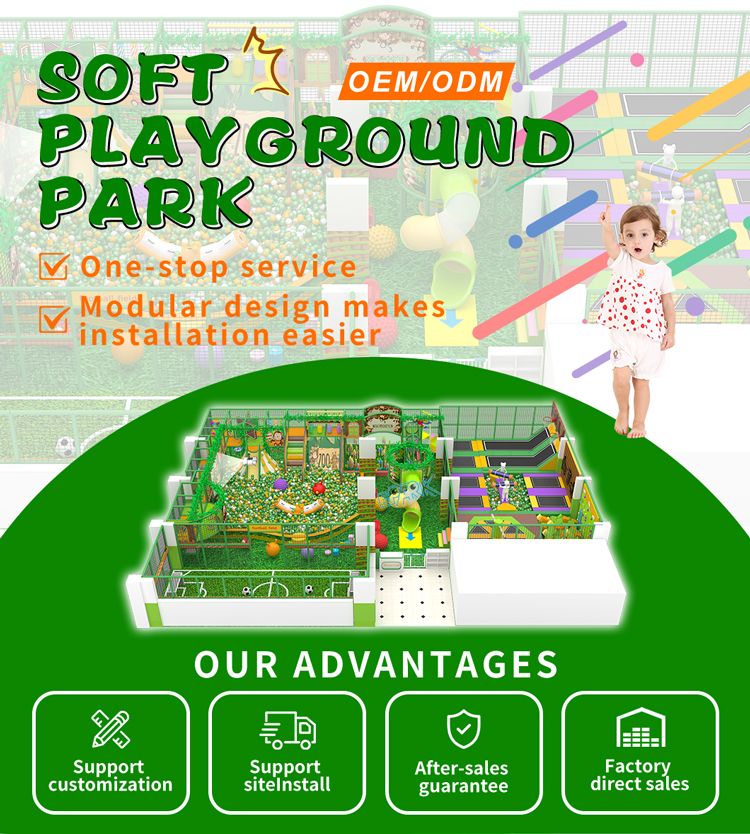
Step 4 — Meet Hospital Safety & Hygiene Standards
Children’s hospitals demand higher standards than commercial indoor playgrounds.
Hygiene Requirements
-
Easy-to-clean soft play equipment
-
Daily sanitization and UV disinfection
-
Virus-resistant and anti-bacterial materials
Safety Requirements
-
Impact-absorbing floors (EN1177)
-
Rounded corners & secured installations
-
Emergency access paths
-
Child-safe lighting & electrical protection
Accessibility
-
ADA-compliant pathways
-
Wheelchair-friendly ramps
-
Low-height interactive panels
Step 5 — Installation & Maintenance Planning
Professional installation prevents safety risks and equipment failure.
Installers should:
-
Conduct a full site assessment
-
Verify anchoring systems
-
Ensure stability of climbing and sensory equipment
-
Validate electronic equipment wiring
Maintenance Plan:
-
Daily cleaning
-
Weekly foam inspection
-
Monthly equipment safety review
-
Regular replacement of worn parts
Step 6 — Budgeting & Procurement Checklist
Typical investment ranges based on area:
| Size | Budget (USD) | Includes |
|---|---|---|
| 30–60 sqm | $8,000–$20,000 | Basic soft play + sensory items |
| 80–120 sqm | $20,000–$50,000 | Mixed rehab + indoor playground elements |
| 150–250 sqm | $50,000–$120,000 | VR rehab + full sensory integration |
Procurement Checklist
-
Look for hospital-specific suppliers
-
Request material test reports
-
Check warranty (minimum 1–3 years)
-
Request 3D layout design before purchase
A properly planned rehabilitation game zone can transform a children’s hospital into a more compassionate and effective healing environment. With gamified therapy, sensory play tools, and medical-grade soft play equipment, young patients recover faster and feel more comfortable throughout their treatment.
For B2B buyers, clear planning, certified equipment, strong safety standards, and professional installation are the keys to building a successful rehabilitation project.

Contact Us for a Free Design Proposal
If you're ready to develop or upgrade your children’s hospital rehabilitation game zone, contact us today.
We provide:
Free layout design
Customized equipment lists
Hospital-grade indoor playground solutions
One-stop installation service
Let our team help you build a safe, effective, and therapy-driven rehabilitation environment.
General Disclaimer
All data on https://www.eparki.com is for general guidance only. As a leading indoor playground manufacturer and trampoline supplier, EPARK strives for accuracy but gives no express or implied warranty regarding completeness, performance or project fitness. Product specs, designs and results may vary with use and customer requirements. Buyers must verify technical details, compliance and suitability before purchase. EPARK OEM/ODM is not liable for any direct, indirect or consequential damages arising from site use. For custom solutions, contact our manufacturer and supplier team via the Contact page.
Intellectual Property
Text, images, videos, CAD files and software are Guangzhou EPARK Electronic Technology Co., Ltd. All rights reserved. No part may be copied, republished or used commercially without prior written permission. We will pursue legal action for copyright or design-patent infringement.
Trademarks
"EPARK", the EPARK logo and related graphics are registered trademarks of Guangzhou EPARK Electronic Technology Co., Ltd. Unauthorized use in ads, domain names or packaging is prohibited.
Governing Law
These terms are governed by the laws of the People's Republic of China.
Contact
Questions? Email sales@nanyuetech.com or WhatsApp +86 139 0307 9263.