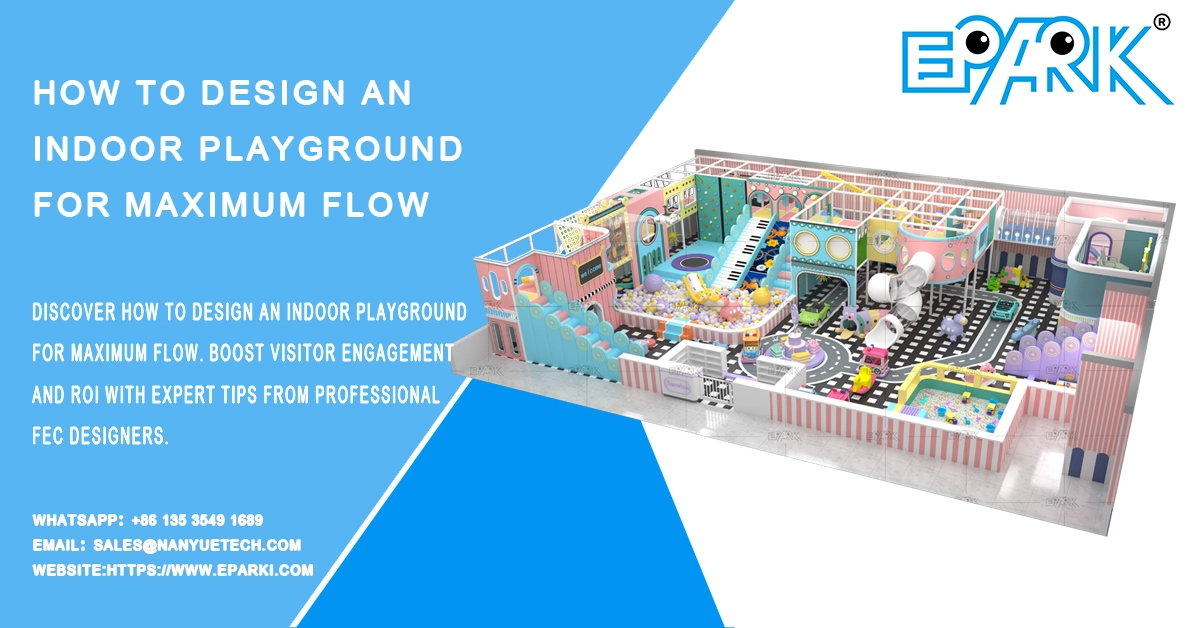
How to Design an Indoor Playground for Maximum Flow and Profitability
Designing an indoor playground goes far beyond placing slides and tunnels inside a building. A truly successful playground is designed for flow — the effortless movement of children and parents through safe, engaging, and enjoyable spaces.
For B2B investors and FEC (Family Entertainment Center) operators, mastering flow can increase satisfaction, repeat visits, and revenue. A well-planned layout also helps your brand stand out among competitors and supports long-term business growth.
Whether you’re creating a custom indoor playground for business or upgrading an existing facility, this guide will help you design a playground that maximizes both play value and profitability.
What Is “Maximum Flow” in Indoor Playground Design?
Definition and Importance
In playground design, flow means smooth and natural movement — how visitors navigate play zones, rest areas, and exits without congestion. A space with strong flow allows children to explore freely while keeping parents comfortable and confident.
Good flow is not just aesthetic; it’s functional. It reduces waiting time, prevents crowding, and keeps energy balanced throughout the play experience.
Why Flow Matters for Business
Playgrounds with optimized flow generate higher engagement and longer dwell times. Research in FEC design shows facilities with clear zoning and open sightlines experience up to 25% longer stay durations and 20% more repeat visits.
Better flow means smoother operations, safer supervision, and higher profitability — all key outcomes for any indoor playground manufacturer or operator.
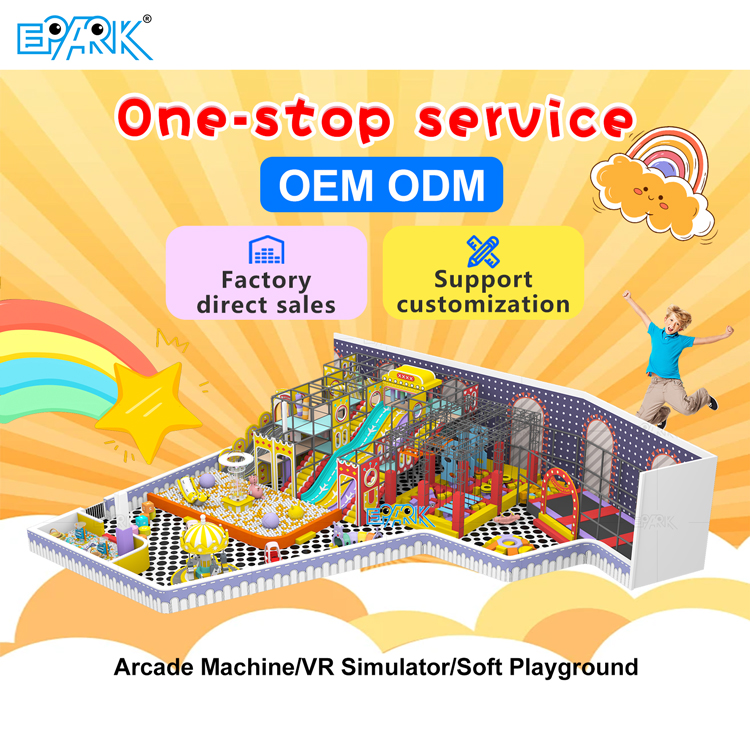
Key Principles of Indoor Playground Layout Design
1. Age-Appropriate Zoning
Zoning separates play areas by age group, ensuring safety and comfort. A custom indoor playground for business should include at least three zones:
| Age Group | Play Zone Features | Safety Height |
|---|---|---|
| Toddlers (1–3 yrs) | Soft play blocks, baby ball pits | <1m |
| Kids (4–7 yrs) | Medium slides, foam climbing, tunnels | 1–2m |
| Pre-teens (8–12 yrs) | Rope courses, trampolines, climbing towers | 2–3m |
Age zoning helps parents feel secure while improving crowd management and traffic flow across the entire play area.
See also: Safe Play Materials for Indoor Playgrounds
2. Balancing Active and Rest Areas
Children need both high-energy and calm zones. Alternate active areas (like trampolines or obstacle bridges) with low-energy areas (like reading nooks or snack corners).
This balanced layout prevents over-stimulation and keeps visitors circulating naturally — a key part of flow design.
3. Enhancing Visibility for Supervision
Parents appreciate visibility. Design your playground with open sightlines, glass barriers, and central seating areas.
A clear view across 80–90% of the play area increases safety and builds trust — an essential feature for any reliable indoor playground supplier.
4. Safety Standards and Material Choices
Safety and compliance are non-negotiable. Always meet recognized international standards such as:
-
ASTM F1918 – Soft-contained play equipment (U.S.)
-
EN 1176 / EN 1177 – Playground equipment & surfacing (Europe)
-
ISO 9001 – Quality management system
Use non-toxic, anti-slip materials, rounded corners, and proper fall zones. Durable soft play equipment not only reduces maintenance costs but also improves longevity.
Explore our product range: EPARK Soft Play Equipment
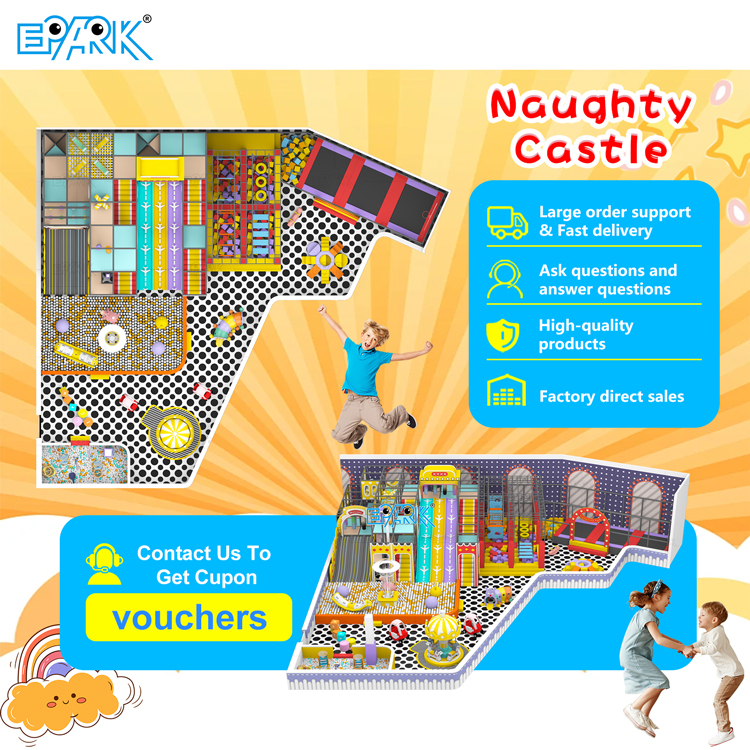
How to Plan Traffic Flow in an Indoor Playground
1. Entrance and Exit Optimization
Your playground’s entrance should attract curiosity while managing foot traffic. Position your ticket counter and shoe storage to the side of the entrance to avoid congestion.
The exit should guide visitors toward high-profit areas such as the redemption counter or café. Keep all emergency exits clearly visible and compliant with local regulations.
2. Pathway Planning and Accessibility
Create looped or circular pathways so children can explore continuously without backtracking. Maintain minimum pathway widths of 1.2–1.5 meters for two-way movement.
Ensure accessibility for strollers and wheelchairs, following ADA (Americans with Disabilities Act) or equivalent global standards. This inclusivity improves customer satisfaction and brand reputation.
3. Strategic Equipment Placement
Equipment layout drives crowd flow. Position the most popular attractions — such as climbing towers or trampolines — toward the back of the playground. This encourages exploration through less crowded zones first.
Place sensory or quiet-play features near entrances and rest zones to create a natural rhythm between activity and recovery.
4. Lighting and Color Psychology
Lighting and color play subtle but powerful roles in guiding behavior.
-
Warm lights (3000–4000K) for rest areas create comfort.
-
Cool, bright lights (5000–6000K) in active areas energize children.
Colors also affect mood:
-
Yellow & orange: fun, energetic
-
Blue & green: calm, relaxed
-
Red: excitement (use sparingly)
A thoughtful lighting plan enhances both safety and emotional experience, keeping families engaged longer.
Space Utilization and Modular Design
1. Making the Most of Limited Space
In malls or small venues, vertical structures and multi-level play towers maximize utility.
A modular system allows flexibility — you can reconfigure areas for parties, events, or different age groups. Efficient space use is one reason why working with a reliable indoor playground supplier offers long-term ROI.
2. Scalable and Modular Equipment
Choose modular indoor playground systems that grow with your business. EPARK’s modular design, for instance, allows you to expand from 100 m² to 300 m² by adding themed sections.
| Feature | Business Advantage |
|---|---|
| Modular structure | Easy upgrades, minimal downtime |
| Pre-certified components | Faster safety approval |
| Custom themes | Stronger brand identity |
Learn more: Modular Indoor Playground Solutions
Collaborating with a Professional Playground Manufacturer
1. From Concept to 3D Design
Partnering with a professional indoor play area manufacturer ensures your design aligns with engineering standards. Expert teams use CAD drawings and 3D simulations to visualize flow and safety before production.
This process includes structural analysis, theme design, and budget optimization, helping you make informed decisions early.
2. Customization and Branding
Your playground can reflect your business identity. Custom elements — like brand colors, mascots, or themed play panels — enhance recognition and customer loyalty.
For example, a “Jungle Safari” or “Ocean Adventure” theme makes your custom indoor playground for business instantly memorable and Instagram-worthy.
3. One-Stop Solutions for Global Projects
Choosing a one-stop indoor playground manufacturer like EPARK simplifies your project. From concept to installation, all steps are managed under one roof:
-
3D design and engineering
-
Manufacturing and global shipping
-
On-site installation and safety testing
-
After-sales maintenance and spare parts
This seamless process ensures consistent quality and efficient communication, ideal for international clients or franchise chains.
Related article: OEM & ODM Playground Solutions Explained
Designing an indoor playground with maximum flow isn’t just about looks — it’s about creating a business asset. When traffic movement, safety, and design psychology align, your playground attracts families, encourages longer visits, and increases profitability.
Key takeaways:
-
Prioritize zoning, safety, and visibility.
-
Optimize traffic flow with smart pathways and lighting.
-
Choose modular, scalable designs for flexibility.
-
Partner with a reliable indoor playground supplier for quality assurance and one-stop service.
By following these principles, your custom indoor playground for business will deliver long-term success and customer satisfaction.
Build Your Dream Indoor Playground Today
Ready to bring your vision to life?
ontact EPARK Indoor Playground Manufacturer today for expert design, production, and global installation.
Our team helps businesses worldwide build safe, profitable, and customized indoor playgrounds that delight children and inspire families.
General Disclaimer
All data on https://www.eparki.com is for general guidance only. As a leading indoor playground manufacturer and trampoline supplier, EPARK strives for accuracy but gives no express or implied warranty regarding completeness, performance or project fitness. Product specs, designs and results may vary with use and customer requirements. Buyers must verify technical details, compliance and suitability before purchase. EPARK OEM/ODM is not liable for any direct, indirect or consequential damages arising from site use. For custom solutions, contact our manufacturer and supplier team via the Contact page.
Intellectual Property
Text, images, videos, CAD files and software are Guangzhou EPARK Electronic Technology Co., Ltd. All rights reserved. No part may be copied, republished or used commercially without prior written permission. We will pursue legal action for copyright or design-patent infringement.
Trademarks
"EPARK", the EPARK logo and related graphics are registered trademarks of Guangzhou EPARK Electronic Technology Co., Ltd. Unauthorized use in ads, domain names or packaging is prohibited.
Governing Law
These terms are governed by the laws of the People's Republic of China.
Contact
Questions? Email sales@nanyuetech.com or WhatsApp +86 139 0307 9263.