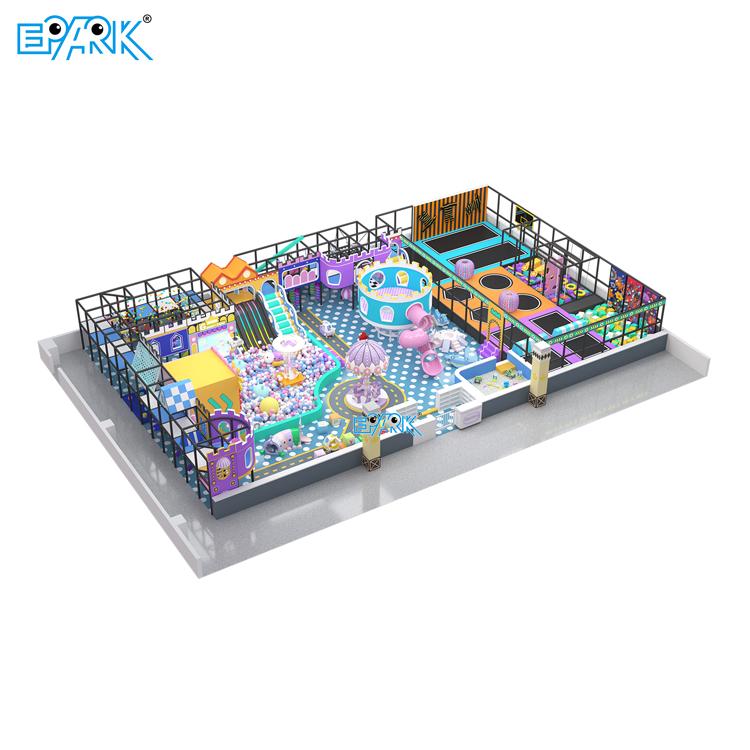
How Indoor Playground Equipment Supports Children’s Mental Health: A Complete Guide for Schools and Healthcare Facilities
Introduction
As children face increasing academic pressure, reduced outdoor playtime, and growing digital dependency, organizations like schools, hospitals, rehabilitation centers, and early education facilities are rethinking the importance of play. Today, indoor playground equipment is not merely entertainment—it is a powerful tool for supporting children’s mental health and emotional development.
For B2B buyers, understanding the psychological benefits of indoor play environments helps justify investment, strengthens procurement decisions, and enhances the long-term value of your facility. This article explores how indoor playgrounds affect mental well-being, why institutions should integrate them, and how to select the right equipment based on safety, developmental needs, and international standards.
To explore specific models, you can also check our product page here:
Indoor Playground Equipment Collection
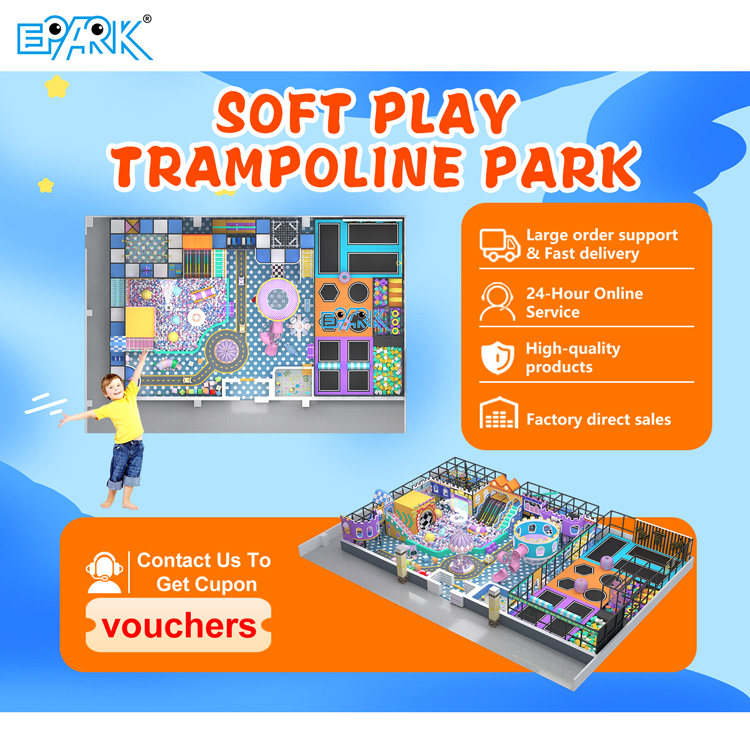
Understanding the Link Between Play and Mental Health
What Mental Health Means for Children
Early childhood mental health involves emotional regulation, social competence, resilience, and the ability to learn from the environment. As children grow, their brains rapidly develop neural pathways that shape behavior, learning patterns, and emotional control.
Indoor playgrounds, especially those equipped with developmental-focused play structures, provide safe zones where young children can express emotions, explore freely, and develop a stable psychological foundation.
Why Play Is Critical for Psychological Growth
Play is essential for developing confidence, creative thinking, and emotional flexibility. When children engage with indoor playground equipment, they practice decision-making, build imagination, and learn natural coping strategies during physical and social activities.
Research published by the American Academy of Pediatrics indicates that active play lowers cortisol (stress hormone) levels and increases dopamine, which improves mood and motivation. This makes indoor playgrounds especially valuable for environments where children experience prolonged stress, such as schools or hospitals.
Key Mental Health Benefits of Indoor Playgrounds
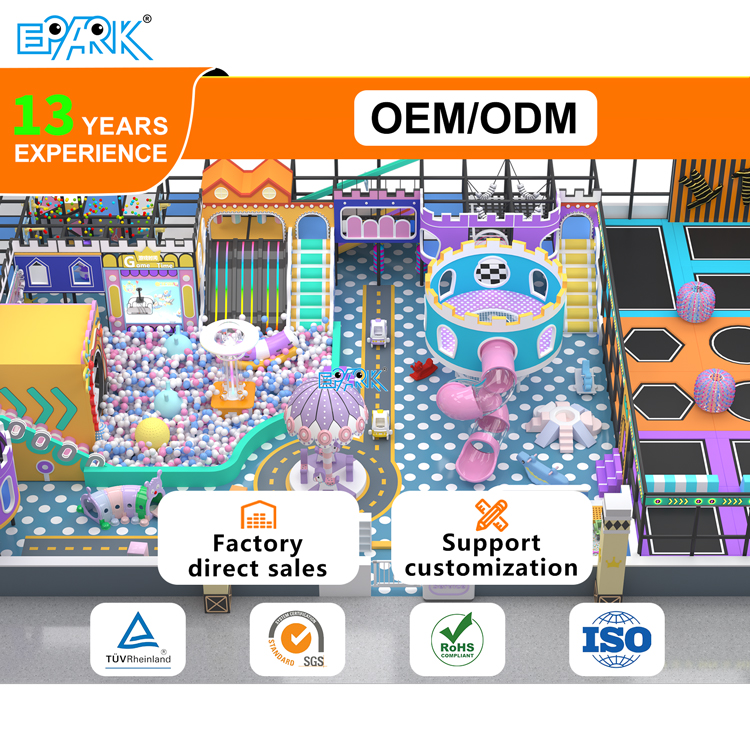
Reducing Stress and Anxiety
A well-designed indoor play area helps children adjust emotionally in high-stress settings. Hospitals, clinics, and rehabilitation centers often use soft play equipment to give children a calming, safe space during medical visits.
Bright colors, soft textures, and sensory-friendly zones reduce stress and allow children to decompress. The predictable and enclosed environment of an indoor playground is especially useful for children who feel overwhelmed by unfamiliar or crowded places.
Improving Social and Communication Skills
Indoor playgrounds naturally encourage cooperation, sharing, and emotional expression. When children use indoor playground equipment, they negotiate turns, engage in group role-play, or explore activities together.
Studies show that structured indoor play areas can increase positive peer interaction by 30% to 40%, especially among introverted or anxious children. For schools, this helps create a healthier social climate and reduces behavioral conflicts.
Enhancing Emotional Regulation and Stability
Physical activity plays a major role in emotional regulation. Running, climbing, jumping, and balancing help children release excess energy, which supports calmer behavior afterward.
Indoor playground structures—like climbing nets, tunnels, balance beams, and interactive panels—help children practice patience, self-control, and persistence. They also learn how to manage fear, frustration, and excitement through repeated challenges in a safe environment.
Supporting Cognitive and Creative Development
Indoor playgrounds stimulate brain development by offering environments rich in sensory input, color, texture, and movement. Features like sensory walls, pretend-play houses, and interactive panels encourage imaginative storytelling and problem-solving.
Children exposed to diverse sensory experiences show improved memory, focus, and spatial awareness—skills that directly influence academic performance.
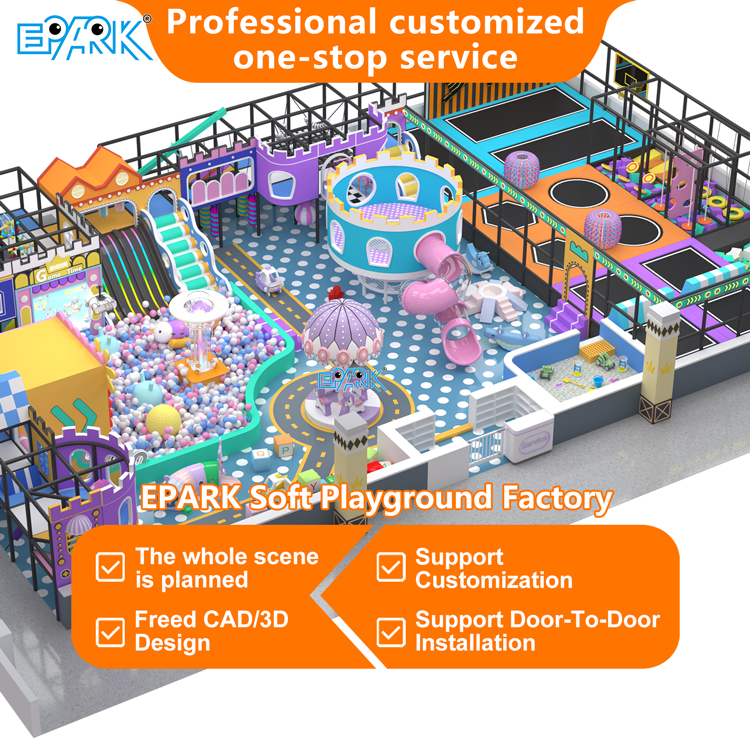
Why Indoor Playgrounds Are Especially Important in Schools & Hospitals
Schools: Improving Focus, Behavior, and Academic Outcomes
Schools benefit greatly from incorporating indoor playground equipment because it provides mental breaks that reset cognitive focus. Research shows that children concentrate better after short active play sessions.
Indoor playgrounds also:
-
Reduce disruptive behavior
-
Support inclusive education for children with diverse learning needs
-
Improve social bonding among students
For more insights into school playground planning, refer to our guide:
How to Design School Indoor Play Areas
Hospitals & Rehabilitation Centers: Reducing Trauma and Supporting Therapy
Medical environments can be emotionally overwhelming for children. Indoor playgrounds help reduce fear and make healthcare visits more positive. Pediatric units often integrate commercial indoor playground systems to distract young patients and lower anxiety.
Rehabilitation centers also benefit because certain playground components—like soft climbing modules, balance paths, and sensory panels—are compatible with occupational and physical therapy goals.
Early Education Centers: Strengthening Behavioral and Social Development
In daycare and early learning institutions, play supports language development, cooperation, and emotional expression. A well-designed kids’ indoor play area helps children develop healthy behavioral patterns at a young age, fostering long-term emotional resilience.
How to Choose the Right Indoor Playground Equipment
Safety and Standard Compliance
When selecting indoor playground equipment, safety must be your top priority. Procurement teams should verify compliance with internationally recognized standards:
| Requirement | Certification | Purpose |
|---|---|---|
| Material Safety | EN71 / ASTM F963 | Ensures non-toxic, fire-retardant materials |
| Impact Flooring | EN1177 (HIC < 1000) | Reduces injury risk from falls |
| Structural Reliability | ISO 9001 / TUV Certified | Guarantees engineering stability |
| Age Group Design | 1–3 / 3–6 / 6–12 years | Ensures safe play for each group |
Indoor playgrounds should also feature rounded edges, anti-skid platforms, soft-padding, and strong steel structures to guarantee long-term durability.
Sensory and Inclusive Play Features
Modern indoor playgrounds focus on inclusivity and neurodiversity. Sensory-friendly features allow children with autism, ADHD, or sensory processing challenges to participate comfortably.
Recommended components include:
-
Tactile sensory walls
-
Low-stimulation quiet rooms
-
Adaptive swings
-
Anti-bacterial soft play mats
-
Interactive projection systems
These elements improve emotional balance while supporting therapeutic goals.
Choosing a Reliable Manufacturer
Selecting the right manufacturer ensures long-term safety, performance, and ROI. A professional supplier of indoor playground equipment should provide:
-
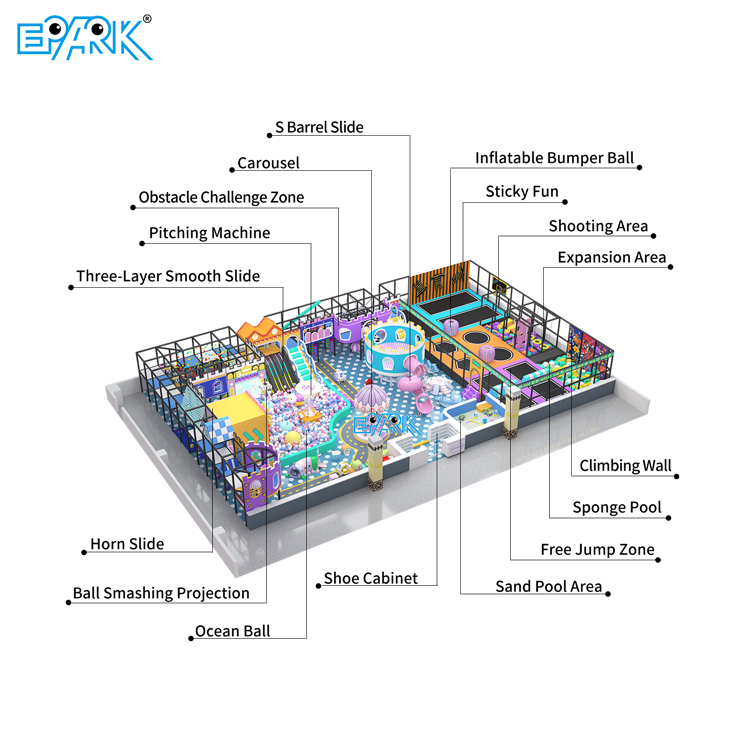
Full customization based on your floor plan
-
High-strength galvanized steel frames
-
Anti-bacterial PVC covers
-
Professional installation and after-sales service
-
Detailed 3D design proposals
-
Case studies for schools, malls, and hospitals
You can review our past projects here:
Indoor Playground Project Cases
Indoor playground equipment plays a crucial role in supporting children’s emotional resilience, cognitive development, and social wellbeing. Schools benefit from improved classroom focus, hospitals reduce patient anxiety, and early education centers strengthen behavioral development.
By choosing safe, inclusive, age-appropriate designs, institutions can create environments that elevate child well-being while improving their own service value and competitiveness. Indoor playgrounds are no longer optional—they are a strategic investment in children's mental health.
If you are planning to install indoor playground equipment for your school, hospital, or commercial facility, our team can help.
Contact us today for a free customized design and quotation!
We provide complete indoor playground solutions—from concept development to manufacturing and installation—to support healthier, happier, and more engaging environments for children.
General Disclaimer
All data on https://www.eparki.com is for general guidance only. As a leading indoor playground manufacturer and trampoline supplier, EPARK strives for accuracy but gives no express or implied warranty regarding completeness, performance or project fitness. Product specs, designs and results may vary with use and customer requirements. Buyers must verify technical details, compliance and suitability before purchase. EPARK OEM/ODM is not liable for any direct, indirect or consequential damages arising from site use. For custom solutions, contact our manufacturer and supplier team via the Contact page.
Intellectual Property
Text, images, videos, CAD files and software are Guangzhou EPARK Electronic Technology Co., Ltd. All rights reserved. No part may be copied, republished or used commercially without prior written permission. We will pursue legal action for copyright or design-patent infringement.
Trademarks
"EPARK", the EPARK logo and related graphics are registered trademarks of Guangzhou EPARK Electronic Technology Co., Ltd. Unauthorized use in ads, domain names or packaging is prohibited.
Governing Law
These terms are governed by the laws of the People's Republic of China.
Contact
Questions? Email sales@nanyuetech.com or WhatsApp +86 139 0307 9263.