Introduction
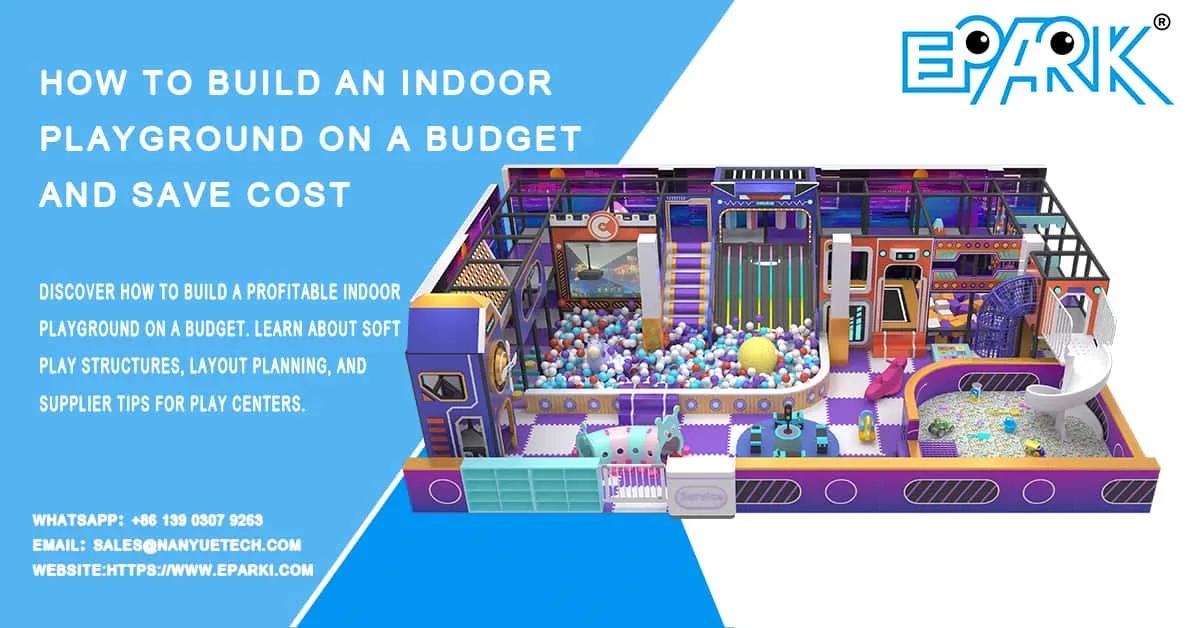
Starting an indoor playground business has become an increasingly attractive opportunity for investors and entrepreneurs worldwide. As families look for safe, engaging environments where children can play and socialize, indoor play centers are becoming essential attractions in shopping malls, family entertainment centers, and community spaces.
However, many new investors hesitate because they believe building an indoor playground requires a large financial investment. In reality, with proper planning and the right equipment strategy, it is entirely possible to build a high-quality indoor playground on a budget.
The key lies in selecting the right playground equipment, optimizing your layout, and working with a reliable indoor playground manufacturer that can provide a complete solution. A well-planned project can reduce unnecessary expenses while still creating an exciting play experience for children.
If you are planning to open a kids play center or expand a family entertainment center (FEC), this guide will show you how to design, purchase, and install an indoor playground while keeping costs under control.
For more inspiration, you can also explore our guide on
What to Do With Vacant Retail Space
Why Indoor Playgrounds Are a Smart Business Investment
Growing Demand for Indoor Family Entertainment
Over the past decade, indoor playgrounds have become a key feature in many commercial entertainment spaces. Urban families increasingly prefer indoor activities that provide safety, comfort, and year-round accessibility.
Weather conditions no longer affect indoor playground operations. Whether it is hot summers or rainy seasons, parents continue to bring their children to play centers for physical activity and social interaction.
In addition, indoor playgrounds attract a wide age range of children, typically between 2 and 12 years old, ensuring a steady flow of visitors throughout the year. This makes them a reliable business model for malls, community centers, and family entertainment venues.
You can also explore different indoor playground equipment options here:
indoor-playground-equipment
Multiple Revenue Streams Increase Profitability
One of the main reasons investors choose an indoor playground is its flexible revenue model. Unlike many businesses that rely on a single income source, indoor play centers can generate revenue from several channels.
Common income sources include:
| Revenue Stream | Description |
|---|---|
| Entry Tickets | Hourly or unlimited play passes |
| Membership Programs | Monthly or yearly packages |
| Birthday Parties | Private celebrations and event bookings |
| Food & Beverage | Snack bars or cafés inside the play center |
| Merchandise | Toys and souvenirs |
Because most of the investment goes into equipment at the beginning, operational costs remain relatively manageable. With good location and marketing strategies, many playground businesses achieve ROI within 12–24 months.
Key Cost Factors When Building an Indoor Playground
Understanding the main cost drivers is essential when planning a budget-friendly indoor playground project.
Playground Equipment
The largest portion of the investment usually goes toward indoor playground equipment. This includes the main play structure and additional interactive elements.
Typical equipment includes:
-
multi-level soft play structures
-
slides and spiral slides
-
ball pits
-
climbing obstacles
-
interactive play panels
High-quality equipment typically uses galvanized steel frames, high-density foam padding, and LLDPE plastic components to ensure durability and safety.
Choosing modular soft play equipment can significantly reduce manufacturing and installation costs while allowing future expansion.
Space and Layout Planning
The total investment also depends on the size of the indoor playground and the available venue layout.
Typical playground sizes include:
| Playground Size | Area Range | Suitable Locations |
|---|---|---|
| Small | 100–200㎡ | Community centers |
| Medium | 200–500㎡ | Shopping malls |
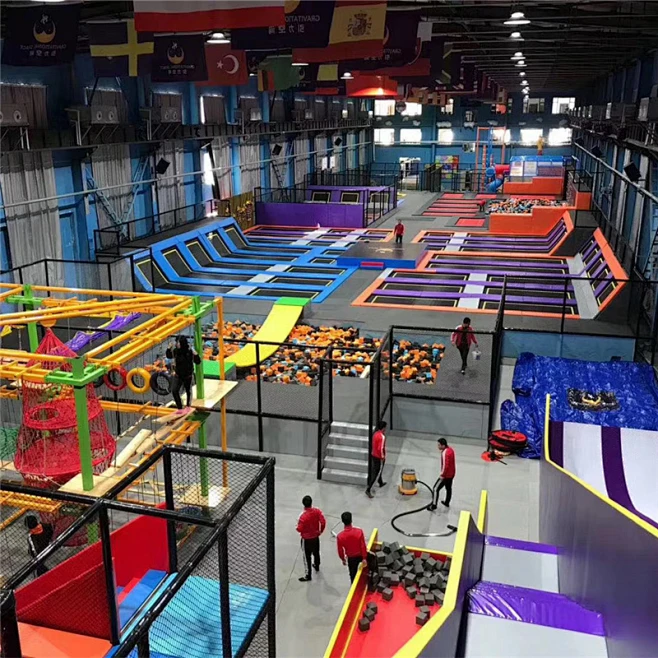
| Large | 500㎡+ | Family entertainment centers |
Efficient layout design helps maximize play value without overcrowding the space. A professional playground equipment supplier can provide a customized layout based on your venue dimensions.
Safety Flooring and Materials
Safety is a top priority in any children's play environment. High-quality indoor playgrounds use protective materials that meet international safety standards.
Important safety components include:
-
EVA or PVC foam flooring
-
safety netting systems
-
foam padding for steel frames
-
non-toxic plastic materials
Many indoor playground manufacturers follow standards such as ASTM F1918 (USA) or EN1176 (Europe) to ensure equipment safety and durability.
 How to Build an Indoor Playground on a Budget
Even with limited investment, investors can create a fun and attractive indoor playground by following several cost-saving strategies.
Start with a Smaller Playground Size
For first-time investors, starting with a smaller playground can significantly reduce risk. A well-designed 100–150㎡ indoor playground can still provide plenty of play value while keeping startup costs manageable.
Recommended sizes:
| Budget Level | Recommended Area |
|---|---|
| Small Budget | 100–150㎡ |
| Medium Budget | 200–300㎡ |
| Large Investment | 400㎡+ |
Smaller spaces require fewer play structures, lower decoration costs, and reduced operational expenses.
Focus on Core Play Equipment
When working with a limited budget, it is best to prioritize equipment that offers the highest engagement for children.
Essential indoor playground features include:
-
multi-level play structures
-
ball pit areas
-
slides
-
climbing obstacles
These attractions encourage active play and exploration while keeping equipment costs under control.
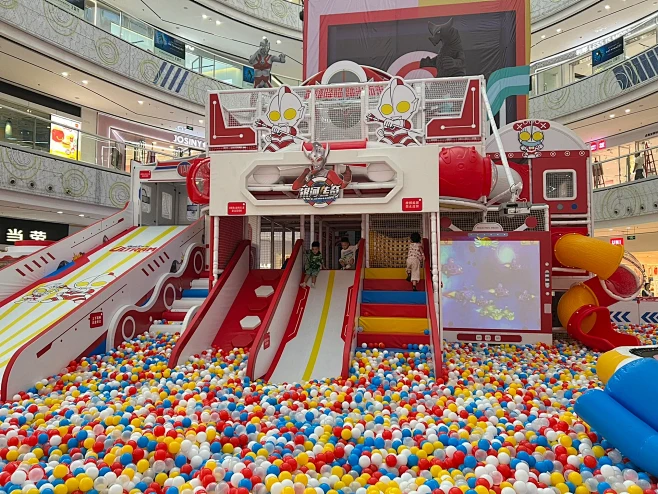
For example, many successful kids play centers start with a central soft play structure and expand later as the business grows.
Choose Modular Soft Play Structures
Modern indoor playgrounds often use modular play systems. These systems consist of interchangeable sections that can be expanded or modified later.
Advantages of modular playground equipment:
-
lower initial investment
-
easier installation
-
flexible future upgrades
-
reduced maintenance costs
This allows investors to gradually expand their playground without redesigning the entire layout.
Work with a One-Stop Playground Equipment Supplier
Choosing a professional supplier that provides complete indoor playground solutions can reduce both time and cost.
A one-stop supplier typically offers:
-
custom playground design
-
equipment manufacturing
-
logistics and shipping support
-
installation guidance
-
after-sales service
Instead of sourcing equipment from multiple vendors, investors benefit from a single integrated solution, which simplifies project management and reduces procurement expenses.
Purchase a Complete Playground Package
Many manufacturers offer complete indoor playground packages designed for specific space sizes.
Advantages include:
-
lower overall price
-
unified design theme
-
faster installation
-
easier project management
For investors with limited budgets, these packages provide a cost-effective way to launch a fully functional playground quickly.
Budget Examples for Indoor Playground Projects
While prices vary depending on customization and location, the following estimates provide a general reference.
| Playground Size | Estimated Equipment Cost | Business Type |
|---|---|---|
| 100–150㎡ | $8,000 – $20,000 | Community playground |
| 200–300㎡ | $20,000 – $50,000 | Mall play center |
| 400–600㎡ | $50,000 – $120,000 | Family entertainment center |
These estimates typically include play equipment, safety materials, and basic installation support. Additional costs may include venue renovation, marketing, and staffing.
 Tips to Maximize ROI While Keeping Costs Low
Use Simple but Attractive Themes
Themed designs can attract children, but overly complex decorations may increase costs unnecessarily.
Simple themes such as:
can create an engaging atmosphere without requiring expensive custom structures.
Combine Multiple Play Zones
Efficient space design allows multiple activities to exist within a single structure.
For example, a multi-level indoor playground structure can include:
-
slides
-
tunnels
-
climbing nets
-
ball pits
-
obstacle challenges
This maximizes entertainment value without increasing equipment costs significantly.
Leave Space for Future Expansion
A good indoor playground design should allow for future upgrades.
Potential additions may include:
-
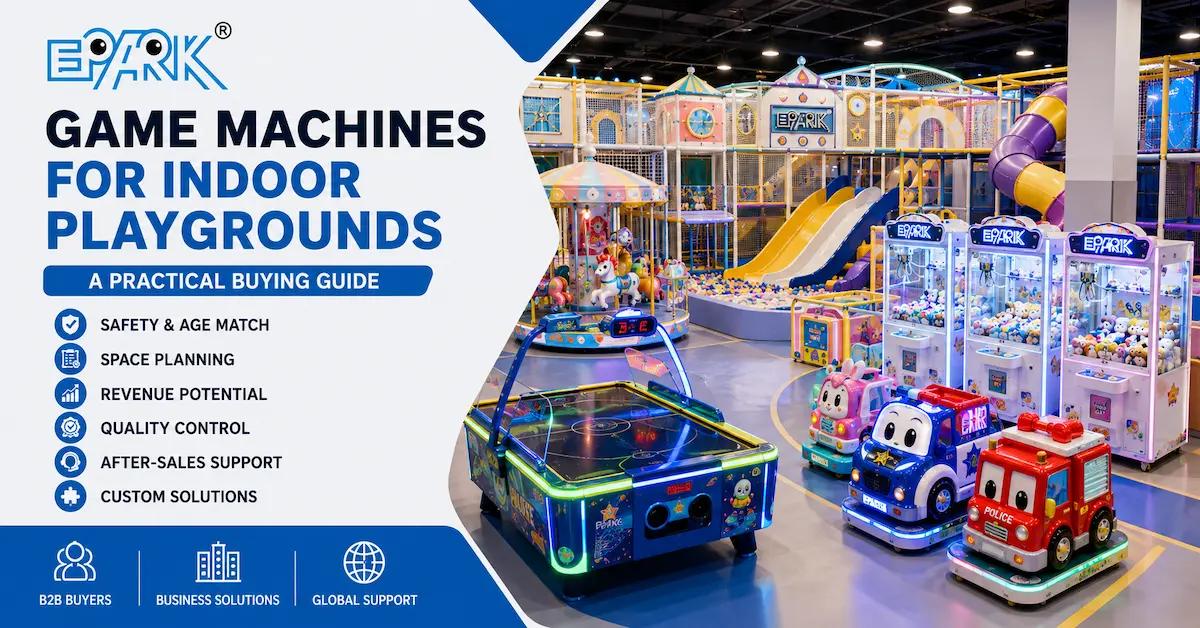
arcade machines
-
trampoline areas
-
toddler zones
-
party rooms
Planning for expansion helps businesses grow as customer demand increases.
 Conclusion
Building an indoor playground does not always require a massive investment. With the right planning strategy and equipment selection, investors can create an attractive play environment while staying within budget.
By focusing on core indoor playground equipment, modular soft play systems, efficient layouts, and one-stop purchasing solutions, business owners can reduce startup costs and accelerate their return on investment.
As the global demand for indoor family entertainment continues to grow, launching a well-planned indoor playground project can become a profitable long-term business opportunity.
Start Your Indoor Playground Project Today
If you are planning to build an indoor playground and want to control your investment cost, working with an experienced manufacturer can make the process much easier.
Our team provides:
-
free playground layout design
-
cost-effective indoor playground packages
-
one-stop manufacturing and installation support
-
customized solutions based on your space and budget
Contact us today to receive a free playground design and quotation for your project.
General Disclaimer
All data on https://www.eparki.com is for general guidance only. As a leading indoor playground manufacturer and trampoline supplier, EPARK strives for accuracy but gives no express or implied warranty regarding completeness, performance or project fitness. Product specs, designs and results may vary with use and customer requirements. Buyers must verify technical details, compliance and suitability before purchase. EPARK OEM/ODM is not liable for any direct, indirect or consequential damages arising from site use. For custom solutions, contact our manufacturer and supplier team via the Contact page.
Intellectual Property
Text, images, videos, CAD files and software are Guangzhou EPARK Electronic Technology Co., Ltd. All rights reserved. No part may be copied, republished or used commercially without prior written permission. We will pursue legal action for copyright or design-patent infringement.
Trademarks
"EPARK", the EPARK logo and related graphics are registered trademarks of Guangzhou EPARK Electronic Technology Co., Ltd. Unauthorized use in ads, domain names or packaging is prohibited.
Governing Law
These terms are governed by the laws of the People's Republic of China.
Contact
Questions? Email sales@nanyuetech.com or WhatsApp +86 139 0307 9263.