Why a Space Theme Indoor Playground Appeals to Commercial Buyers
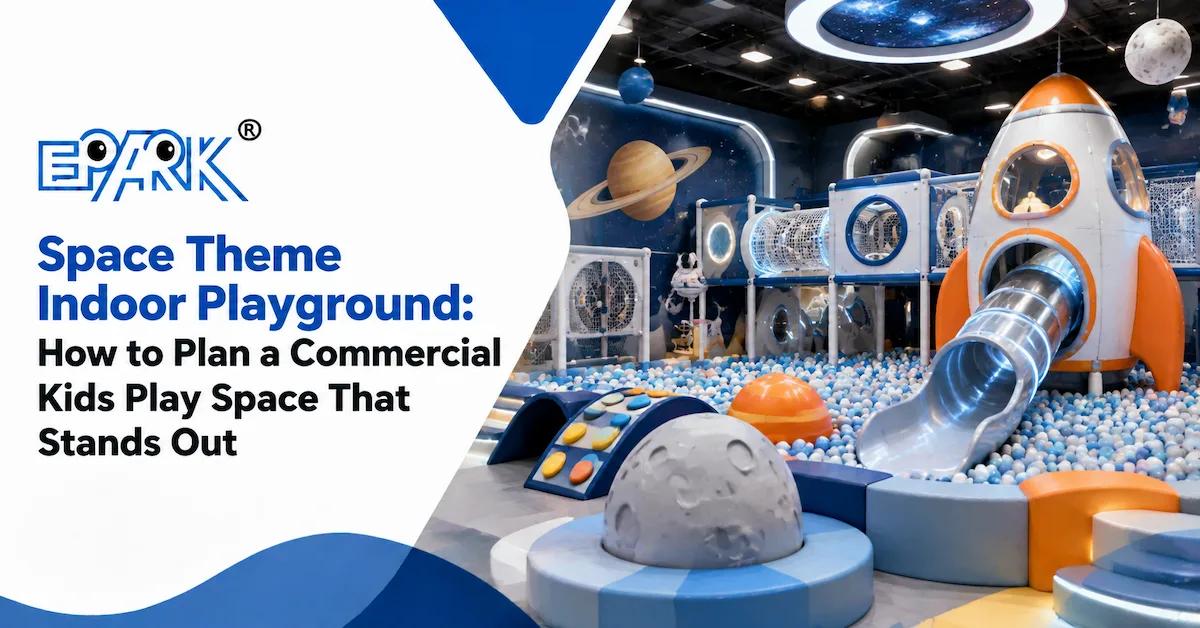
A space theme indoor playground is more than a decorative concept. For B2B buyers, it is a way to combine equipment selection, customer experience, venue branding and project differentiation into one commercial solution. In shopping malls, family entertainment centers, indoor playground businesses, hotels and daycare environments, a themed project often performs better than a generic play area because it creates a stronger visual identity and gives families a more memorable reason to visit, stay longer and return.
Compared with a standard indoor play area, a space theme indoor playground gives buyers a clearer design story. Rockets, planets, galaxies, astronauts and futuristic exploration zones make it easier to unify soft play structures, slides, tunnels, wall graphics, colors and interactive elements. This matters commercially because a project that looks coherent is easier to market, easier to present to investors and easier to position as a premium attraction. Buyers exploring possible product directions can first review EPARK’s products and About Us pages to understand the broader indoor playground and amusement equipment scope.
What a Space Theme Indoor Playground Usually Includes
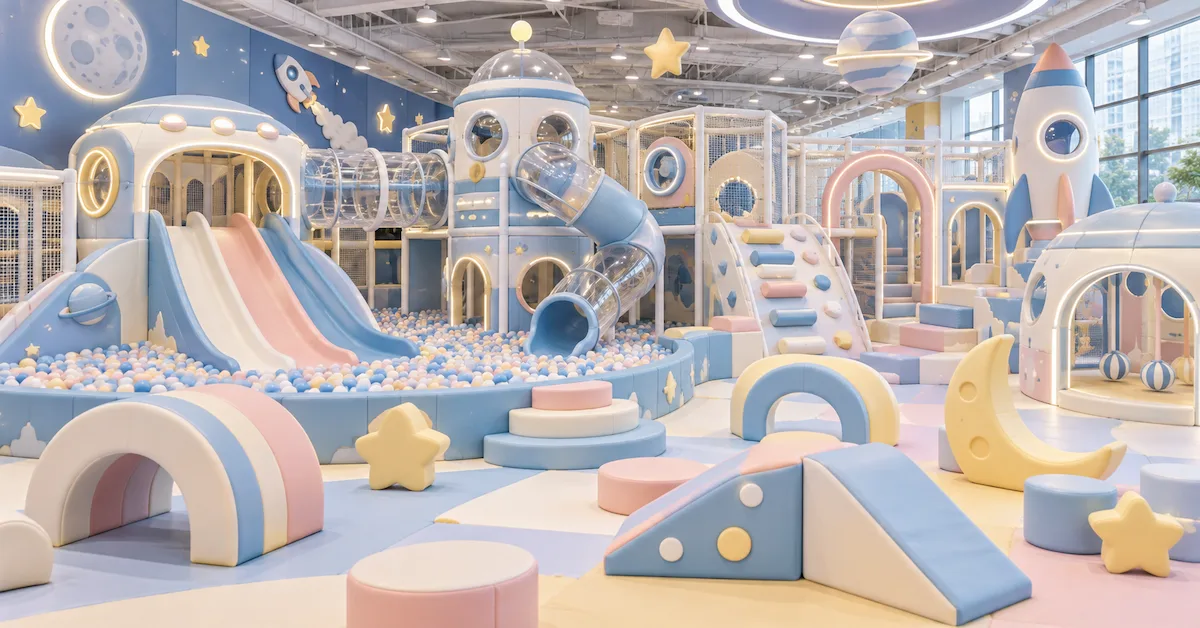
A space theme indoor playground is typically built around a complete environment rather than a single item of equipment. The goal is to create a play space where the theme guides both the appearance and the play journey.
Core Visual Elements
Common design elements may include rocket towers, planet graphics, astronaut imagery, spacecraft tunnels, galaxy color palettes, star lighting concepts and futuristic play facades. These elements help define the identity of the project and allow the venue to look more customized than a general children’s play area.
Functional Equipment Elements
Themed appearance should still serve real play functions. Most commercial projects include a mix of soft play structures, slides, climbing obstacles, tunnels, ball pools, role-play elements, interactive panels and toddler activity areas. The theme should support the equipment, not reduce play value.
Commercial Support Elements
In B2B projects, buyers also need to think beyond the play structure itself. Entrance design, seating visibility, supervision lines, circulation paths, maintenance access and custom branding are part of the full commercial solution. Buyers interested in custom development can review EPARK’s customization process and OEM & Customization category.
Which Buyers Commonly Use a Space Theme Indoor Playground
A space theme indoor playground can be suitable for different commercial environments, but the project goals vary by buyer type.
| Buyer Type | Typical Application | Main Priority |
|---|---|---|
| Shopping mall operators | Family attraction zone | Visual impact and traffic generation |
| Family entertainment center investors | Indoor multi-age play area | Customer experience and repeat visits |
| Indoor playground entrepreneurs | Standalone play business | Theme differentiation and brand identity |
| Daycare and preschool operators | Early childhood play space | Age-appropriate activities and safety |
| Hotel and resort operators | Kids club or family zone | Premium guest experience |
| Commercial project contractors | Turnkey play area projects | Planning, customization and installation support |
For a mall, the theme may be used to attract families and support social sharing. For an FEC, it may become part of the overall entertainment identity. For a daycare or preschool, the theme needs to stay softer, safer and more age-focused.
How to Plan the Theme Before Choosing Equipment
Many buyers make the mistake of starting with isolated products instead of project positioning. A successful space theme indoor playground should begin with a theme plan that defines what kind of experience the play space is supposed to create.
Define the Theme Direction
“Space theme” is still a broad concept. Buyers should narrow it into a more specific design language, such as a galaxy exploration center, a mini astronaut mission, a planetary adventure zone or a futuristic kids station. This makes later decisions about shapes, colors, graphics and equipment easier.
Match Theme to Venue Type
A high-traffic mall project may need a more striking and photogenic visual language. A toddler-focused daycare project may need a softer version of the theme with lower-height elements, calmer colors and simpler play features. A larger commercial indoor playground may want several sub-zones inside the same space theme.
Think About Operations Early
Theme design should not ignore practical use. If a theme feature reduces supervision visibility, complicates maintenance or makes circulation confusing, it may hurt long-term operation. Buyers should balance design impact with practical venue management from the start.
How to Choose Equipment for a Space Theme Indoor Playground
The best equipment mix depends on age groups, venue size, customer expectations and business goals. A space theme indoor playground should never be planned based on appearance alone.
Age-Based Equipment Planning
Different age groups need different types of activity.
Toddler Zone
For toddlers, the equipment should focus on low-height, soft and simple activities. Small slides, crawl tunnels, sensory play panels, soft climbing shapes and themed interactive elements work well. Buyers can connect this direction with related content planning around soft play equipment and toddler-focused indoor play solutions.
Preschool and Young Kids Zone
This zone may include small obstacle paths, themed climbing structures, role-play panels, short tube slides, interactive soft obstacles and ball pools. The challenge level should remain fun but manageable.
Older Kids Zone
For older children, the project can include larger climbing structures, longer slides, more layered routes and activity combinations that encourage exploration. The space theme can be reinforced with tower structures, “space mission” routes and destination-based play points.
Functional Equipment Checklist
| Equipment Type | Space Theme Example | Commercial Value |
|---|---|---|
| Main play structure | Rocket or space station frame | Core attraction |
| Slide | Rocket launch slide or curved themed slide | High engagement |
| Tunnel | Space capsule tunnel | Theme continuity |
| Ball pool | Galaxy or planet-themed pool | Popular family feature |
| Climbing elements | Planet route or astronaut obstacles | Active play value |
| Interactive panels | Mission game or discovery wall | Educational and sensory value |
| Toddler soft play | Mini space pod zone | Broader age coverage |
How Space Planning Affects the Final Project
A good space theme indoor playground is not only about what equipment is included, but also how that equipment is arranged.
Ceiling Height and Structure
Before finalizing concept drawings, buyers should confirm actual usable height. Some themed elements such as towers, rocket façades or elevated routes require careful height planning. The supplier should design around the real site conditions rather than idealized dimensions.
Traffic Flow and Customer Circulation
The entrance, queue zone, transition paths and internal movement routes should feel clear. A space theme indoor playground should encourage exploration, but not confusion. Parents and staff should be able to understand the layout quickly.
Supervision Visibility
This is especially important in malls, preschools and daycare settings. Themed walls and enclosed routes should not create too many blind spots. Buyers should ask the supplier to explain how the design supports observation and supervision.
Support Zones
A commercial indoor playground often needs non-play areas as well, such as shoe-changing zones, seating areas, reception counters and parent waiting areas. These areas should match the project’s visual direction and support overall operation.
Customization Options for a Space Theme Indoor Playground
Customization is one of the main reasons B2B buyers search for a space theme indoor playground instead of a standard indoor playground set. A supplier should be able to adapt both visual and structural details to fit the project.
Common Customization Options
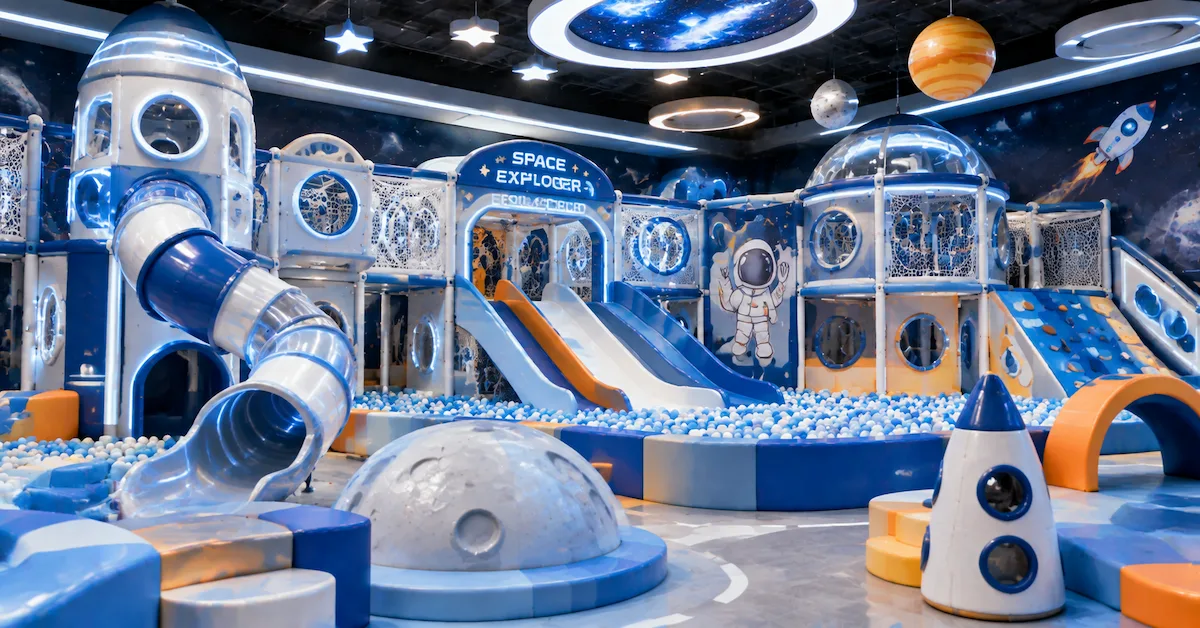
Buyers may request custom colors, logo integration, custom-themed façades, branded signs, age-zone separation, venue-size adaptation and project-specific layout changes. Some projects also require custom entrances, themed wall treatments or a premium look that aligns with the client’s commercial brand.
Why Customization Matters Commercially
A generic theme can make the project look replaceable. A more customized space theme indoor playground can help the buyer create a more distinct customer experience, support local marketing and strengthen brand recall. This is especially useful for malls, FECs and operators building a chain or franchise concept.
When to Choose Standard vs Custom
| Option | Best For | Advantage | Limitation |
|---|---|---|---|
| Standard themed layout | Buyers needing faster project launch | Simpler process | Less differentiation |
| Semi-custom theme solution | Mid-size commercial projects | Better balance of cost and identity | Moderate design limits |
| Fully custom project | Buyers wanting strong branding and layout control | Unique market position | More design and approval work |
Buyers planning customized projects can use EPARK’s customization process and contact page to prepare more accurate requirement briefs.
What Buyers Should Confirm Before Requesting a Quote
A supplier can respond much more effectively when the buyer provides structured project information. For a space theme indoor playground, a vague inquiry usually produces a vague quotation.
Basic Project Information
Buyers should prepare site dimensions, ceiling height, project location, venue type, target age groups and estimated opening timeline. If there are site photos or floor plans available, they should be included.
Theme and Equipment Requirements
The buyer should explain whether the project needs a toddler zone, multi-age route, ball pool, climbing area, slides, interactive features or branded custom elements. If the venue already has a design direction or mood board, that can reduce design revisions later.
Commercial Requirements
Capacity expectations, budget direction, installation conditions and shipping destination also matter. For export projects, packaging and installation planning should be discussed early.
Practical RFQ Checklist
| Requirement Category | Information to Provide |
|---|---|
| Venue | Mall, FEC, daycare, hotel, school or standalone playground |
| Space | Length, width, height and layout constraints |
| Target users | Toddler, preschool, mixed-age or family-focused |
| Theme | Preferred space concept or reference style |
| Equipment needs | Slides, tunnels, ball pool, soft play, climbing, etc. |
| Customization | Logo, colors, facade, branding, layout |
| Delivery | Timeline and destination |
| Installation | Site access and setup conditions |
| Commercial goal | Traffic attraction, family retention, premium image, etc. |
Safety and Quality Control Considerations
Buyers searching for a space theme indoor playground are often drawn first by design, but safety and quality determine whether the project is commercially sustainable. A theme-driven play area still needs strong operational reliability.
Material and Surface Review
Soft protection, surface finish, edge treatment, connection quality and daily-use durability should all be reviewed. A well-designed theme should not add weak decorative features that wear out quickly or complicate cleaning.
Inspection and Approval Workflow
A buyer should confirm how the supplier controls design approval, production, pre-shipment inspection and installation preparation. This is especially important for customized projects where visual details and equipment layout both matter. EPARK’s Safety and Quality page can be used as a starting point, but project-specific quality expectations should still be confirmed based on the final design.
Operational Durability
A mall or FEC project usually experiences higher daily traffic than a daycare or school. Buyers should therefore review the expected use level and ask whether the proposed equipment mix is suitable for that intensity of operation.
How to Compare Suppliers for a Space Theme Indoor Playground
A visually attractive render does not guarantee a reliable commercial supplier. Buyers should compare suppliers across several practical factors.
Design Capability
Can the supplier translate a theme into a complete commercial layout, not just individual product images? Can they adapt the design to different site sizes?
Customization Experience
Has the supplier handled custom indoor playground projects with theme variations, branding requirements and site-based adjustments?
Manufacturing and Quality Control
Can the supplier explain how the final design is translated into production, inspection and packing? Can they reproduce the approved design later if the buyer expands the project?
Commercial Communication
Can the supplier understand B2B project requirements clearly, respond with organized project information and support the buyer through design, production and delivery stages?
| Supplier Evaluation Area | Key Buyer Question |
|---|---|
| Design | Can they create a real space theme concept for my site? |
| Product scope | Can they provide a full indoor playground solution? |
| Customization | Can they adapt layout and branding to the project? |
| QC | How is final project quality confirmed? |
| Delivery support | Can they help with installation preparation? |
| Repeatability | Can future expansion match the original project? |
Cost Factors in a Space Theme Indoor Playground Project
There is no single standard price for a space theme indoor playground because project cost depends on multiple layers of scope.
Main Cost Drivers
Project size, equipment quantity, theme complexity, customization level, age zoning, packaging, transport and installation all influence the final cost. A larger or more immersive themed project will naturally involve more design and production work than a simpler semi-custom installation.
Think in Total Project Cost
Instead of focusing only on equipment price, buyers should think in terms of overall project investment.
A practical internal formula can be:
Project Cost = Equipment + Theme Customization + Packaging + Shipping + Installation + Opening Preparation
This helps buyers compare proposals based on actual project scope rather than headline price alone.
How a Space Theme Indoor Playground Supports Long-Term Business Value
A space theme indoor playground is often chosen because it supports more than immediate play use. It can also strengthen the long-term commercial performance of the venue.
Stronger Visual Differentiation
Themed environments make it easier for a project to stand out in a competitive market. This is valuable for malls, indoor playground operators and FEC investors looking for stronger attraction power.
Better Family Engagement
Children often respond strongly to story-based environments. A space theme can encourage longer play sessions, more photo-taking and stronger emotional engagement with the venue.
Brand and Marketing Benefits
A distinctive themed playground gives the venue stronger photo assets, clearer promotional messaging and a more memorable identity for digital and offline marketing.
Future Expansion Potential
If the first project performs well, a clear theme system can make future expansion easier. The operator can add new zones or develop related concepts while still keeping the overall identity consistent.
What Buyers Should Send to EPARK
Buyers planning a space theme indoor playground should prepare site dimensions, target age groups, project application, theme preferences, equipment requirements, customization expectations and expected delivery timing. Reviewing EPARK’s About Us, products, FAQs and customization process can help clarify the project brief before formal inquiry. Once the requirement scope is clear, buyers can use Contact Us to request a more project-specific proposal.
Frequently Asked Questions About Space Theme Indoor Playground Projects
What is a space theme indoor playground?
A space theme indoor playground is an indoor children’s play area designed around a space-related visual concept such as rockets, planets, galaxies, astronauts or futuristic exploration. It combines themed appearance with practical play equipment.
Who usually buys a space theme indoor playground?
Typical buyers include shopping malls, family entertainment centers, indoor playground operators, hotel kids clubs, daycare centers and commercial project developers looking for a differentiated children’s play solution.
Can a space theme indoor playground be customized?
Yes. Buyers can usually request custom layouts, themed structures, color schemes, logos, branding features and project-specific equipment combinations depending on venue size and operational goals.
What equipment can be included in a space theme indoor playground?
A project may include soft play structures, themed slides, tunnels, ball pools, climbing obstacles, toddler soft play areas and interactive panels. The final mix depends on target age groups and site size.
Is a space theme indoor playground suitable for toddlers?
Yes, if the layout includes a dedicated toddler zone with lower-height, softer and simpler activity elements designed for younger children.
How should buyers choose a supplier for a space theme indoor playground?
Buyers should review design capability, customization experience, product scope, communication quality, inspection process and the supplier’s ability to support commercial projects from concept to delivery.
What affects the cost of a space theme indoor playground?
Cost is affected by project size, number of play elements, theme complexity, degree of customization, shipping, installation and other project-specific requirements.
Can a themed indoor playground help with marketing?
Yes. A strong theme can improve venue image, make the play area more recognizable and provide better visual content for promotion and customer sharing.
What information should be included in an inquiry?
Buyers should provide site dimensions, venue type, age groups, target opening timeline, desired equipment, theme direction and customization requirements.
How can I request a project proposal from EPARK?
You can review EPARK’s products and customization information, then submit your project details through the Contact Us page.
Conclusion
A successful space theme indoor playground is not just a themed decoration project. It is a commercial play solution that combines storytelling, equipment planning, age zoning, operational practicality and long-term business value. Buyers should start with a clear project brief, define the target users and venue goals, select equipment based on real play function, and evaluate customization, quality control and supplier capability before approving the design. For malls, FECs, indoor playground operators and other commercial buyers, the strongest result comes from balancing visual attraction with safe operation, practical layout and repeatable project quality. If you are planning a themed indoor playground project, review EPARK’s products, customization process, Safety and Quality and FAQs, then contact EPARK with your site and concept requirements for a tailored proposal.
General Disclaimer
All data on https://www.eparki.com is for general guidance only. As a leading indoor playground manufacturer and trampoline supplier, EPARK strives for accuracy but gives no express or implied warranty regarding completeness, performance or project fitness. Product specs, designs and results may vary with use and customer requirements. Buyers must verify technical details, compliance and suitability before purchase. EPARK OEM/ODM is not liable for any direct, indirect or consequential damages arising from site use. For custom solutions, contact our manufacturer and supplier team via the Contact page.
Intellectual Property
Text, images, videos, CAD files and software are Guangzhou EPARK Electronic Technology Co., Ltd. All rights reserved. No part may be copied, republished or used commercially without prior written permission. We will pursue legal action for copyright or design-patent infringement.
Trademarks
"EPARK", the EPARK logo and related graphics are registered trademarks of Guangzhou EPARK Electronic Technology Co., Ltd. Unauthorized use in ads, domain names or packaging is prohibited.
Governing Law
These terms are governed by the laws of the People's Republic of China.
Contact
Questions? Email sales@nanyuetech.com or WhatsApp +86 139 0307 9263.