Introduction
The indoor trampoline park industry has become a major growth segment within the global family entertainment center (FEC) market. As consumer demand shifts toward active and social entertainment, trampoline-based venues are attracting both customers and investors worldwide.
However, building a successful trampoline park requires more than installing equipment and opening the doors. Many operators struggle with low foot traffic, inefficient layouts, or poor return on investment due to lack of planning.
For investors, distributors, and developers, understanding what makes a successful trampoline park is essential. This guide breaks down the key factors—from location and audience targeting to equipment selection and profitability—helping you create a sustainable and competitive business.
What Defines a Successful Trampoline Park?
A successful trampoline park is not defined only by popularity. It must perform well operationally, financially, and in terms of customer experience.
Key Performance Indicators
High-performing parks typically achieve:
- Consistent daily foot traffic
- Strong repeat customer rates
- Efficient revenue per square meter
- Positive reviews and brand recognition
From a financial perspective, most profitable indoor trampoline parks reach ROI within 12 to 24 months, depending on scale and market conditions.
A well-run trampoline park business combines entertainment value with operational efficiency, ensuring long-term stability.
 Strategic Location: The Foundation of Success
Location selection is one of the most critical decisions when developing an indoor trampoline park.
Ideal Location Characteristics
Successful parks are often located in:
- High-density residential areas
- Shopping malls or commercial complexes
- Easily accessible locations with parking
These factors ensure steady customer flow and high visibility.
Market Demand and Competition
Before choosing a site, operators should evaluate:
- Local competition (other indoor playgrounds or FECs)
- Demographic data (families, teenagers)
- Spending power in the area
A well-chosen location can increase traffic by 20% to 40%, making it a key driver of success.
Choosing the Right Target Audience
Target audience selection directly impacts design, pricing, and attraction mix.
Kids-Focused Parks
These parks emphasize safety and simplicity. Common features include soft play areas and low-height trampolines.
Advantages:
- High demand for birthday parties
- Strong repeat visits from families
Teen and Adult Markets
Parks targeting older audiences focus on high-energy activities such as obstacle courses and fitness zones.
Advantages:
- Higher ticket pricing
- Strong engagement and social sharing
Mixed Audience Strategy
Most successful indoor trampoline parks combine both segments.
They typically divide space into:
- Children’s play zones
- Teen and adult activity areas
This zoning approach increases utilization and maximizes revenue potential.
Equipment Selection: The Core of the Business
The quality of trampoline park equipment plays a central role in safety, durability, and customer experience.
Key Equipment Components
A standard setup includes:
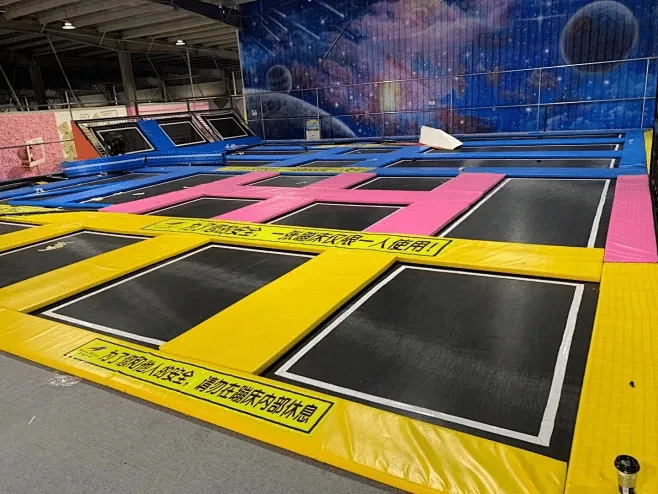
- Trampoline courts
- Foam pits
- Climbing walls
- Safety padding systems
Technical Standards
| Component |
Standard |
| Frame |
Galvanized steel |
| Jump Mat |
High-strength polypropylene |
| Safety |
ASTM / EN compliant |
High-quality equipment ensures long-term performance and reduces maintenance costs.
For a deeper understanding of safety risks and prevention, see:
What Are the Common Injuries at Trampoline Parks and How to Prevent Them?
 Layout Design and Space Optimization
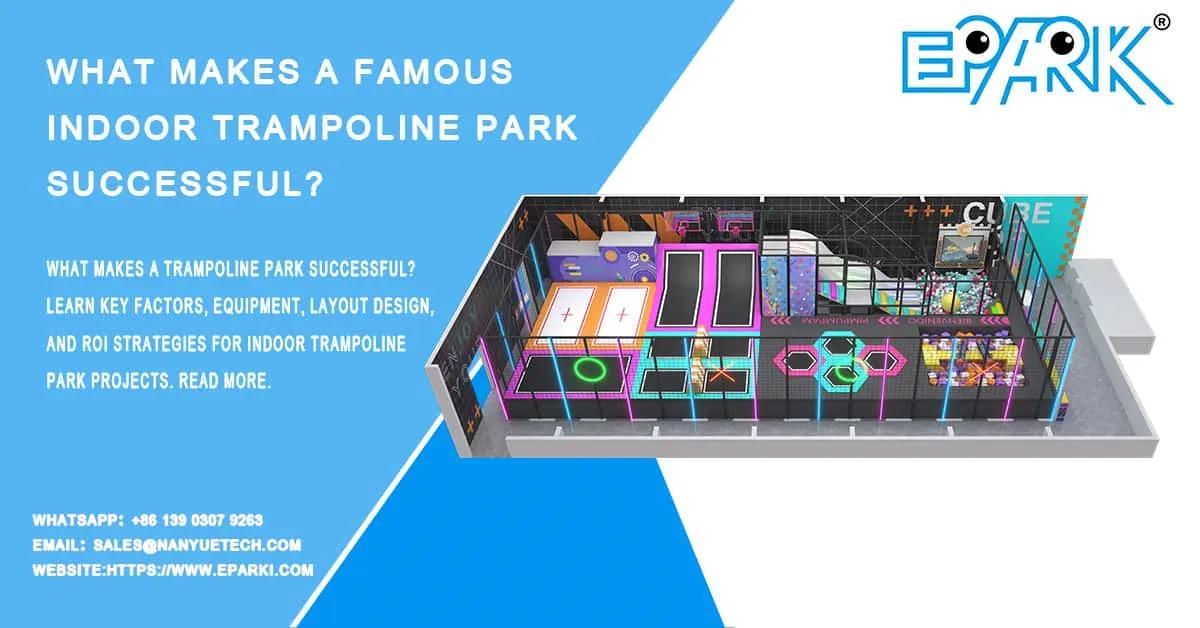
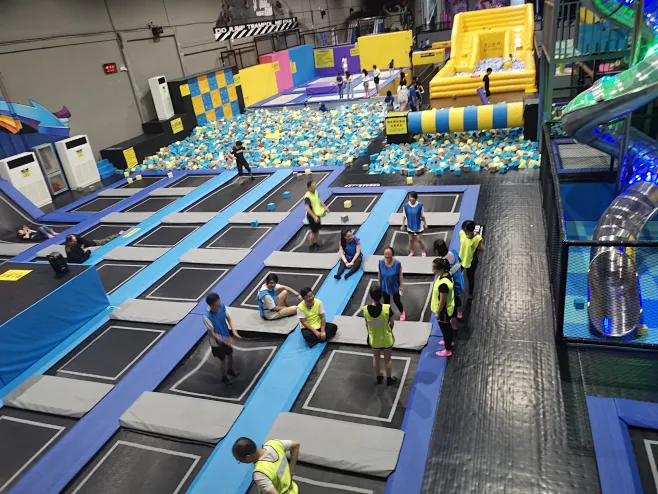
A well-designed trampoline park layout improves both customer experience and operational efficiency.
Functional Zoning
Key zones include:
- Reception and waiting area
- Jump zones
- Kids play areas
- Rest and viewing sections
Capacity Optimization
Efficient layouts:
- Reduce congestion
- Improve safety
- Increase throughput
An optimized layout can improve operational efficiency by up to 25%.
Revenue Streams and Profitability
A successful trampoline park relies on multiple income streams.
Primary Revenue Sources
- Entry tickets
- Membership programs
- Birthday parties and events
Additional Revenue Channels
- Arcade machines
- Food and beverage
- Retail merchandise
Diversification helps increase average customer spending and stabilize income.
Investment and Cost Overview
| Park Size |
Estimated Cost |
| Small |
$80K – $150K |
| Medium |
$150K – $300K |
| Large |
$300K+ |
For more details on budgeting, read:
How Much Money Does It Take to Build a Trampoline Park?
If you are just starting out, this guide is also helpful:
Guide to Starting a Trampoline Park
Safety and Compliance
Safety is a fundamental requirement for any indoor trampoline park.
Key Safety Measures
- Regular equipment inspections
- Staff training programs
- Clear safety instructions
Compliance Standards
- ASTM (USA)
- EN standards (Europe)
Meeting these standards reduces risk and builds customer trust.
Branding and Customer Experience
Branding plays an important role in making a trampoline park stand out.
Visual Identity
Modern parks invest in:
- Themed design
- Bright and engaging colors
- Social media-friendly environments
Customer Retention
Effective strategies include:
- Membership programs
- Loyalty discounts
- Event marketing
A strong focus on experience leads to higher repeat visits.
 Common Mistakes to Avoid
Even with a good concept, mistakes can reduce profitability.
Typical Issues
- Poor location selection
- Low-quality equipment
- Lack of attraction variety
- Inefficient layout
Avoiding these problems increases the likelihood of long-term success.
Conclusion
A famous trampoline park is built on a combination of strategic planning and execution.
Key success factors include:
- Strong location and market demand
- Clear target audience
- High-quality equipment
- Efficient layout design
- Diversified revenue streams
For investors and operators, success lies in combining these elements into a cohesive and scalable business model.
Call to Action
Planning to build a successful trampoline park?
We provide:
- Custom indoor trampoline park design
- High-quality commercial equipment
- One-stop solutions from concept to installation
to receive a free layout plan and professional consultation. Let us help you create a profitable and sustainable trampoline park business.