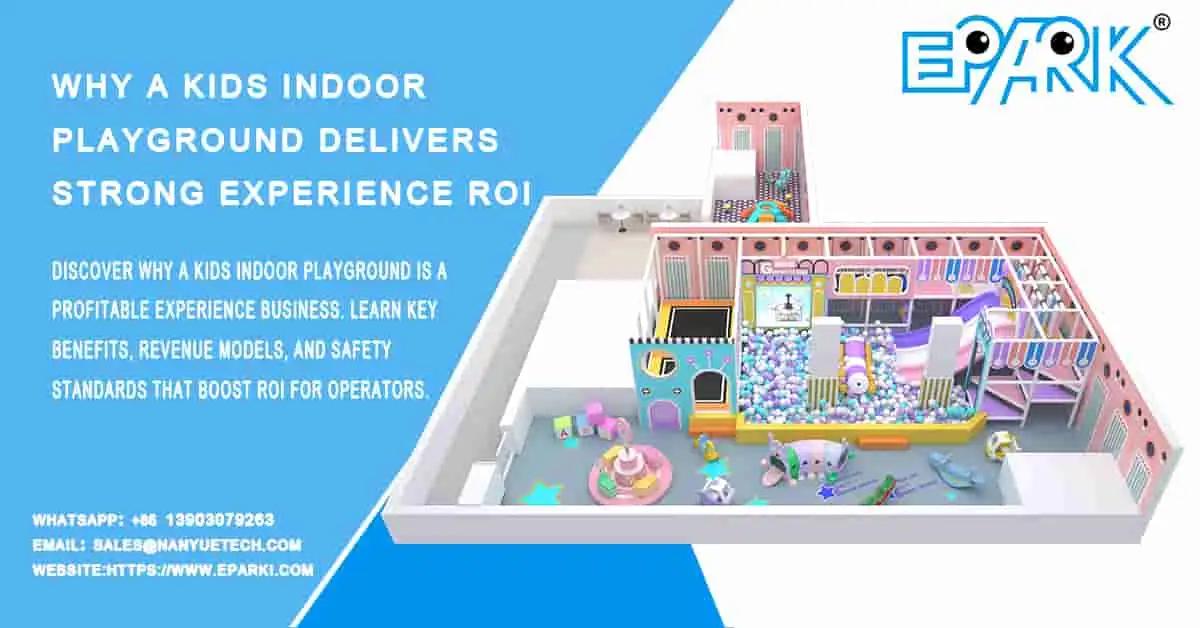
Why a Kids Indoor Playground Is a High-Value Experience Business for Investors
Kids indoor playgrounds are rapidly becoming one of the most profitable business models in the family entertainment industry. With parents seeking safe, educational, and immersive environments for their children, the demand for professional indoor playground facilities is increasing across malls, FECs, and commercial complexes.
For B2B buyers—including investors, franchise owners, developers, and project planners—an indoor playground represents far more than equipment purchases. It provides a complete experience business that generates recurring income, customer loyalty, and strong long-term growth.
If you’re considering launching an indoor play center, this guide outlines why it is a standout investment in today’s experience-driven market.
What Is a Kids Indoor Playground?
A kids indoor playground is a themed, climate-controlled play environment designed for children aged 1–12. These facilities combine soft play equipment, sensory interaction, learning elements, and physical challenges that help children develop motor skills, creativity, and social abilities.
Indoor playgrounds differ from outdoor playgrounds by offering:
-
Year-round, weather-proof operations
-
A controlled, sanitized, safety-compliant environment
-
Immersive themes that enhance play value
-
A business model based on experiences rather than seasonal footfall
Because families seek emotional value and memorable moments, indoor playgrounds naturally align with the definition of an experience business—a business built on engagement, immersion, and repeatable enjoyment.
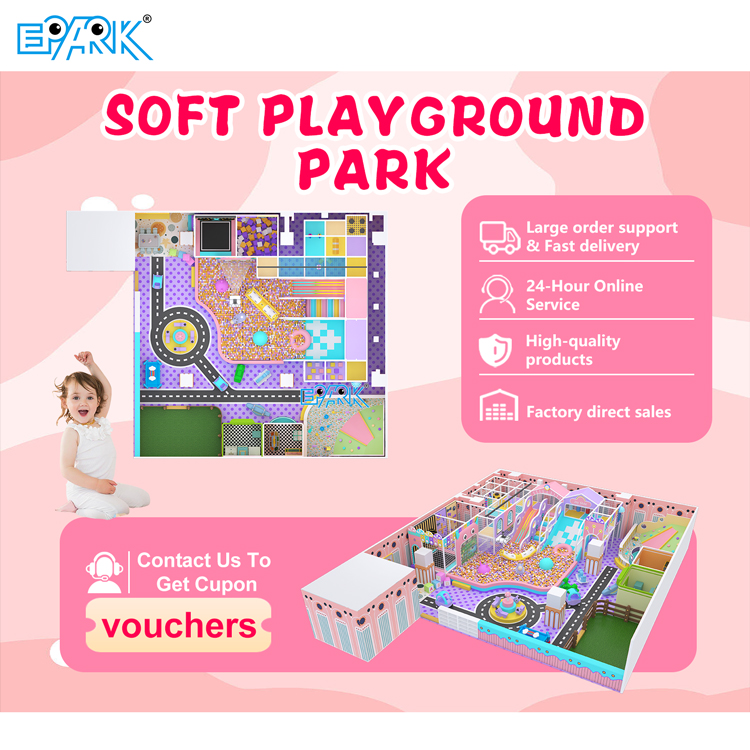
Why Kids Indoor Playgrounds Align With Today’s Market Trends
Parents Choose Safety and Hygiene First
Today’s families prioritize safety above all else. Indoor playgrounds meet this need by offering:
-
Soft, cushioned materials to reduce injuries
-
Professional installation and safety testing
-
Compliance with ASTM F1918, EN1176, EN1177, and other global standards
-
Controlled entry, cleaning protocols, and staff supervision
Indoor playgrounds have become the preferred choice for parents who want structured, clean, and secure environments.
Recommended Reading: Indoor Playground Safety Standards Guide
Experience Consumption Is Growing Worldwide
According to global consumer trends, spending on experiences rather than physical products is growing steadily. Families today value:
-
Learning through play
-
Emotional and memorable family activities
-
Social experiences with other children
-
Stimulating environments that support development
Indoor playgrounds fit perfectly into the edutainment (education + entertainment) market, giving them a competitive advantage over traditional entertainment formats.
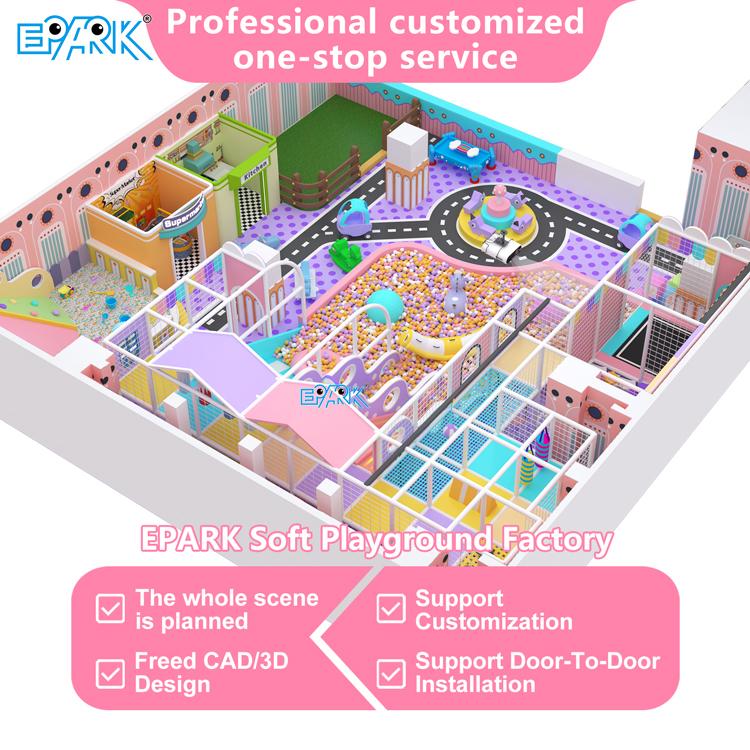
Indoor Playgrounds Increase Commercial Foot Traffic
Indoor playgrounds are now essential attractions in malls and mixed-use developments. Operators choose them because they:
-
Increase dwell time
-
Encourage repeat visits
-
Boost surrounding F&B and retail sales
-
Drive family-oriented traffic
This makes them not just a business, but a powerful traffic generator for commercial properties.
Business Advantages of Operating an Indoor Playground
Multiple Revenue Streams
Indoor playgrounds diversify income sources more than most retail businesses. Typical revenue channels include:
| Revenue Stream | Details | Profit Level |
|---|---|---|
| Daily Tickets | Single admission / day-pass | High |
| Memberships | Monthly / annual plans | Very stable |
| Birthday Parties | Private rooms, packages | High margin |
| Parent–Child Workshops | STEM, art, sensory play | Medium-high |
| Food & Beverage | Café, snacks | Strong upsell |
| Retail Products | Toys, souvenirs | Add-on revenue |
This mix allows operators to achieve a balanced, low-risk business model.
Explore: Indoor Playground Equipment for Sale
High Repeat-Visit Potential
A kids indoor playground naturally encourages frequent visits, making it one of the highest-retention experience businesses. Families typically visit 2–4 times per month, especially when attractive membership programs are offered.
Benefits include:
-
Strong customer lifetime value (CLV)
-
Greater predictability in revenue
-
High word-of-mouth referrals
-
Strong holiday and weekend performance
Flexible Investment Options
Kids indoor playground projects can be customized according to budget, space, and target audience. Below is a reference investment chart:
| Project Size | Area | Investment Range |
|---|---|---|
| Small | 50–150 m² | $10,000–$50,000 |
| Medium | 150–500 m² | $50,000–$150,000 |
| Large | 500–1,500 m² | $150,000–$500,000 |
| Mega Center | 1,500+ m² | $500,000–$1,500,000+ |
This scalability makes indoor playgrounds suitable for beginners and experienced operators alike.
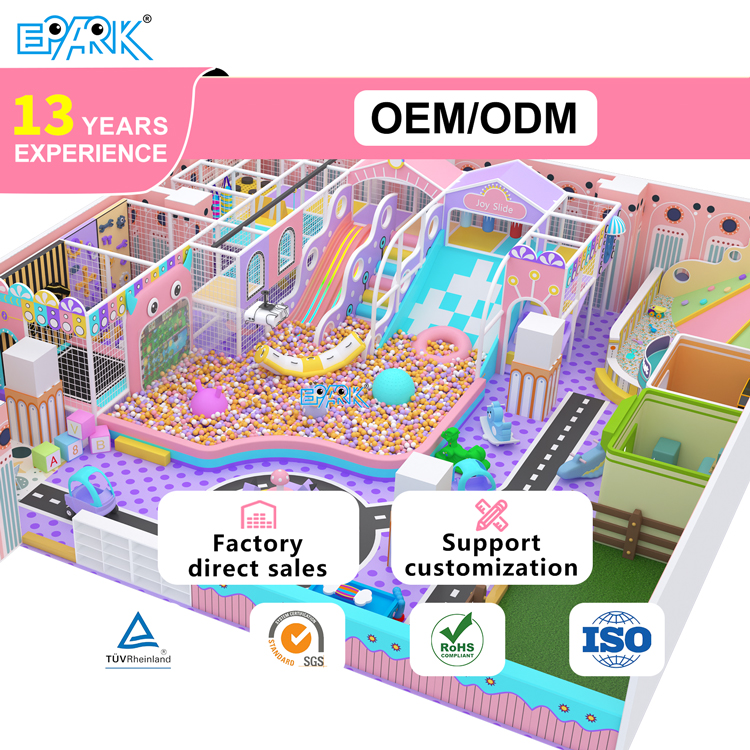
Operational Benefits for Investors and Operators
Lower Maintenance Than Mechanical Attractions
Compared with arcade machines or large amusement rides, soft play equipment requires:
-
Less mechanical maintenance
-
Fewer repairs
-
Lower staff training costs
-
Minimal downtime
This makes it ideal for operators who want a low-risk, low-maintenance entertainment business.
Stable ROI and High Year-Round Utilization
Indoor playgrounds operate 12 months a year—unaffected by seasons or weather. This stability generates:
-
ROI within 12–24 months
-
Consistent weekdays traffic
-
Higher weekend and holiday revenue
-
Long-term sustainability
Combined with membership programs, indoor playgrounds can generate predictable monthly cash flow.
Key Factors for Success in the Indoor Playground Experience Business
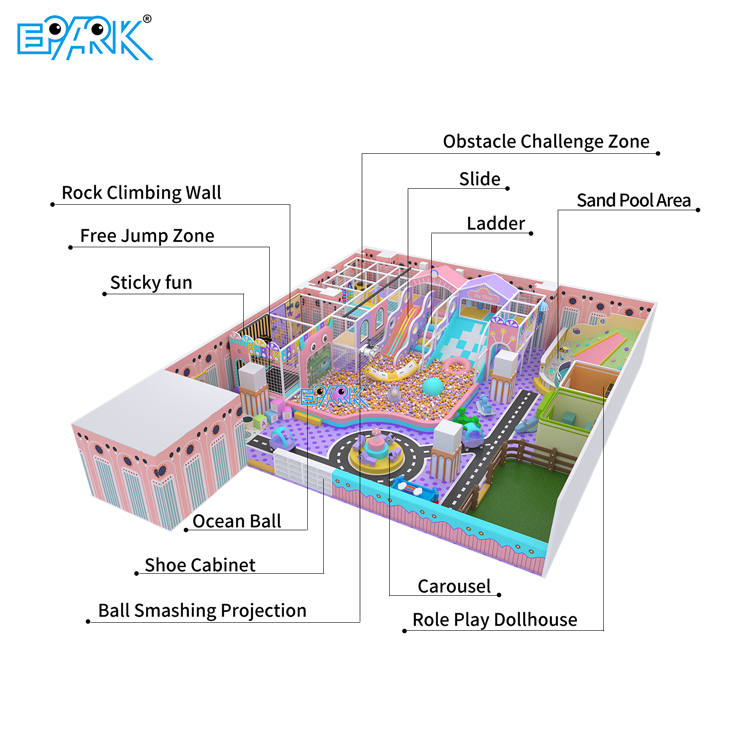
Smart Layout & Zoning
A professional layout enhances safety, customer flow, and overall user experience. Successful indoor playgrounds generally include:
-
Baby & toddler zones
-
Adventure soft-play structures
-
Trampoline or climbing areas
-
Sensory or educational sections
-
Parent seating areas
-
Clear sightlines for supervision
Learn more: How to Design an Indoor Playground Layout
Immersive Themes Increase Shareability & Engagement
Themes transform a standard play area into a memorable, story-driven world. Popular concepts include:
-
Space Galaxy
-
City Builder
-
Fairy Tale Castle
A strong theme boosts social-media visibility, helping operators attract continuous organic traffic.
Safety Compliance Builds Trust
B2B buyers should verify that suppliers follow international safety standards such as:
-
ASTM F1918 – Soft play safety
-
EN1176 / EN1177 – Equipment & flooring safety
-
ISO9001 – Quality management
-
CE Certification – European compliance
This protects the operator’s reputation and reduces operational risk.
Effective Marketing Drives Long-Term Growth
Indoor playgrounds succeed when supported by strategic marketing:
-
Social media advertising
-
Influencer reviews
-
Seasonal events & themed parties
-
Membership discounts
-
School & kindergarten collaborations
These efforts build a loyal community and ensure consistent attendance.
A kids indoor playground is one of the most profitable and stable experience-business models available today. With strong revenue potential, repeat customers, flexible investment sizes, and growing demand for experiential entertainment, indoor playgrounds offer exceptional long-term value for B2B buyers.
Whether you operate a mall, family entertainment center, or new franchise, an indoor playground can significantly boost traffic, customer satisfaction, and overall business performance.
Ready to build your own indoor playground?
EPARK provides custom design, 3D layout planning, certified equipment, installation guidance, and complete one-stop project solutions.
Contact us today to get a FREE indoor playground 3D design proposal!
Browse our full product catalog: Indoor Playground Solutions
General Disclaimer
All data on https://www.eparki.com is for general guidance only. As a leading indoor playground manufacturer and trampoline supplier, EPARK strives for accuracy but gives no express or implied warranty regarding completeness, performance or project fitness. Product specs, designs and results may vary with use and customer requirements. Buyers must verify technical details, compliance and suitability before purchase. EPARK OEM/ODM is not liable for any direct, indirect or consequential damages arising from site use. For custom solutions, contact our manufacturer and supplier team via the Contact page.
Intellectual Property
Text, images, videos, CAD files and software are Guangzhou EPARK Electronic Technology Co., Ltd. All rights reserved. No part may be copied, republished or used commercially without prior written permission. We will pursue legal action for copyright or design-patent infringement.
Trademarks
"EPARK", the EPARK logo and related graphics are registered trademarks of Guangzhou EPARK Electronic Technology Co., Ltd. Unauthorized use in ads, domain names or packaging is prohibited.
Governing Law
These terms are governed by the laws of the People's Republic of China.
Contact
Questions? Email sales@nanyuetech.com or WhatsApp +86 139 0307 9263.